
Entrusting a vintage masterpiece to a standard car carrier is like asking a general freight company to move the Mona Lisa. You understand that your vehicle is more than just transportation; it’s a significant investment and a labor of love. It’s natural to feel anxious about the possibility of fluid leaks from overhead cars or the risk of improper tie-down techniques that could permanently damage your suspension. When searching for reliable classic car transport Houston services, you need more than just a truck; you need a partner who understands the delicate mechanics and historical value of collector vehicles.
This 2026 guide provides the clarity you need to choose the right carrier and ensure your vehicle arrives in showroom condition. You’ll discover the specialized logistics, safety protocols, and carrier options required to safely transport high-value vintage and collector vehicles across the country. We’ll break down the technical equipment used in enclosed transport, explain how to navigate “agreed value” insurance policies during transit, and detail the white-glove communication standards that define professional national auto transport services today. By understanding these specialized requirements, you can move your vehicle with the confidence that it’s protected by experienced hands every mile of the way.
Key Takeaways
- Understand why classic car transport requires distinct protocols compared to standard vehicle shipping to protect sensitive vintage metallurgy and paint finishes.
- Learn the structural benefits of enclosed carriers and why they are the preferred choice for shielding high-value assets from road debris and UV damage.
- Discover the specialized soft-tie equipment used by providers of classic car transport Houston to secure vehicles without compromising the chassis or suspension.
- Follow a methodical preparation checklist, including legal fuel requirements and mechanical checks, to ensure a smooth transition to your carrier.
- Differentiate between brokers and direct carriers to effectively vet a nationwide transportation partner that offers the security your collector vehicle deserves.
What Defines Professional Classic Car Transport?
Professional classic car transport is a specialized logistics discipline that goes far beyond standard vehicle moving. While traditional auto transport focuses on high-volume efficiency for modern daily drivers, professional classic car transport prioritizes the preservation of vintage metallurgy and delicate finishes. For owners seeking classic car transport Houston, the distinction lies in the mechanical protocols used to secure and move these high-value assets across state lines. Professional providers utilize DOT-compliant national logistics systems designed specifically for vehicles that cannot be treated like standard commodities. This is often referred to as “white-glove” service; a commitment to meticulous handling that treats every vehicle as an irreplaceable piece of history rather than just cargo.
Collector vs. Standard Vehicle Shipping Standards
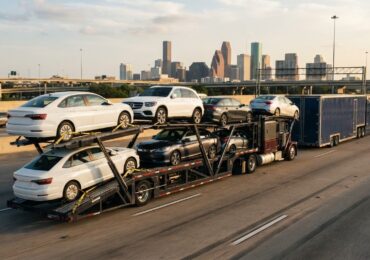
Standard carriers often prioritize speed and density, using multi-car trailers that expose vehicles to various elements. In contrast, specialized collector carriers offer more tailored options, including single-car transport for the most exclusive assets. These professionals understand that vintage paint and chrome trim are susceptible to damage that modern clear coats might resist. When choosing between open or enclosed carriers, collectors often lean toward enclosed options to prevent exposure to road salt and debris. The handling requirements are far more rigid. Drivers are trained to avoid touching paint surfaces and use specialized ramps for low-clearance vehicles. This methodical approach ensures that the vehicle stays in its current condition throughout the journey.
Insurance Nuances: Agreed Value vs. Actual Cash Value
One of the most critical aspects of professional transport is the insurance structure. Standard shipping often relies on Actual Cash Value (ACV), which calculates a vehicle’s worth based on its original price minus depreciation. This is disastrous for a vintage Porsche or a restored muscle car that has appreciated in value. Instead, professional classic car transport Houston providers work with “Agreed Value” coverage. This ensures that the insurance payout matches a pre-determined amount agreed upon by the owner and the insurer, reflecting the true market value of the collector item. Before booking, you should always verify the carrier’s cargo insurance limits and ensure they can cover the full value of your vehicle. The Bill of Lading (BOL) serves as your primary legal document here. It records the vehicle’s condition at pickup and delivery, acting as the foundation for any potential insurance claim. Having this documented proof is essential for peace of mind.
Enclosed vs. Open Carriers for Vintage Vehicles
Choosing the right trailer type is one of the most consequential decisions you’ll make when arranging classic car transport Houston. The structural differences between open and enclosed carriers go beyond simple aesthetics; they define the level of physical protection your vehicle receives. Open carriers are the industry standard for most vehicles, but they expose cargo to environmental hazards such as road salt, kicked-up debris, and prolonged UV exposure. For a vintage car with delicate finishes, these elements can cause more than just surface dirt; they can lead to micro-abrasions or chemical etching on older paint types.
Hard-sided enclosed trailers offer a significant privacy and security advantage. By keeping your vehicle “out of sight,” these carriers eliminate the risk of unwanted attention during rest stops or overnight stays. Preparing your classic car for shipping involves assessing whether the added cost of an enclosed unit aligns with your vehicle’s value. While enclosed transport is typically 30% to 60% more expensive than open methods, the investment often pays for itself by preventing expensive cosmetic repairs or environmental damage from heavy rain and wind-blown grit.
When to Choose Enclosed Car Transport
This method is the gold standard for vehicles with original factory paint, convertible tops, or valuations reaching into the six-figure range. A primary reason collectors choose enclosed car transport is the protection it provides against hydraulic fluid contamination. On a multi-car open carrier, a vehicle positioned above yours might leak fluids that can ruin a vintage interior or paint job. If you want to ensure your asset remains pristine, you might consider our Enclosed Transport Services for total peace of mind during its journey.
The Risks of Open Carrier Shipping for Classics
Open shipping isn’t inherently dangerous, but it does present unique challenges for older machinery. Road vibration and intense wind resistance at highway speeds can put significant stress on aged rubber seals and weather stripping. If you choose open transport car shipping for a project car or a more robust vintage truck, always request “top-load only” status. This ensures no other vehicles are placed above yours, mitigating the risk of leaks. While this is a practical choice for many, it requires careful coordination with a provider experienced in classic car transport Houston to ensure the specific mechanical vulnerabilities of your vehicle are respected throughout the trip.
Specialized Equipment for High-Value Logistics
Securing a vehicle for a thousand-mile journey requires a deep understanding of mechanical stress points. While standard shipping often relies on basic equipment designed for modern unibody frames, professional classic car transport Houston providers utilize specialized hardware to ensure the vehicle remains stationary without compromising the chassis. The goal is to isolate the car from the vibrations of the road while protecting its structural integrity. This level of care is especially critical for vintage models where the metal may be more susceptible to fatigue or where the suspension components are no longer easily replaceable. For owners of European or Japanese collector cars, specialists like CJ Auto Services LLC can provide the mechanical oversight needed to ensure these components are robust enough for the journey. Premium enclosed trailers often take this protection a step further by providing climate-controlled environments. These systems manage humidity and temperature spikes, which prevents the cracking of vintage leather interiors or the warping of delicate wood-inlay dashboards during transit through varying climates.
Soft-Tie Straps vs. Traditional Chains
Traditional industrial chains are often considered the enemy of a classic car suspension. When a carrier uses chains to “cinch down” a vehicle by its frame, it creates an immense amount of downward pressure that the car was never designed to handle for extended periods. This “frame-pulling” can lead to bent components or even hairline fractures in older metallurgy. Professional transporters instead use soft-tie nylon straps that wrap securely around the tires. By securing the vehicle at the wheels rather than the frame, the car’s own suspension is allowed to absorb road vibrations naturally as if it were being driven. Over-the-tire strapping provides a mechanical advantage by locking the vehicle to the trailer floor while allowing the chassis to float freely on its own springs. This method eliminates the risk of metal-on-metal contact and ensures that your alignment remains perfect upon arrival.
Hydraulic Lift-Gates and Low-Clearance Ramps
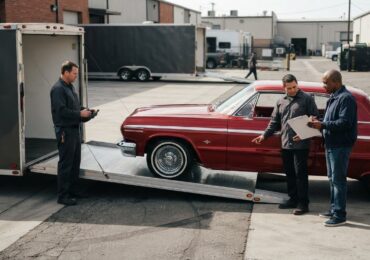
Loading a vehicle is often the most high-risk moment of the entire transport process. Many vintage sports cars or “restomods” sit significantly lower to the ground than modern sedans, making them prone to “bottoming out” on standard ramp inclines. To mitigate this risk, specialized car carrier services prioritize hydraulic lift-gate technology. A hydraulic lift-gate acts as a level platform that raises the vehicle from the ground to the trailer deck without any change in the car’s horizontal angle. This keeps the undercarriage, exhaust systems, and front spoilers completely safe from scraping. For trailers without lift-gates, low-angle extension ramps are a mandatory requirement for any reputable classic car transport Houston service. These extended ramps create a much shallower approach angle, ensuring that even the lowest-slung exotic or vintage racer can board the carrier without a single point of contact on its underside.

Preparing a Classic Vehicle for Long-Distance Shipping
Properly preparing your vehicle is a vital step in ensuring a successful journey. Unlike modern cars, vintage models often have unique mechanical quirks that require extra attention before they are loaded onto a carrier. Many owners trust specialized service centers like Grand Prix Cafe to handle these mechanical preparations, ensuring the vehicle is stable and leak-free. If you are arranging classic car transport Houston, you should begin your preparation at least one week before the scheduled pickup date. This allows sufficient time to address any minor leaks or mechanical issues that could complicate the loading process. A clean vehicle is also essential; it allows both you and the driver to accurately document the car’s current condition on the Bill of Lading. This transparency is the foundation of a trust-based relationship between the owner and the transport provider. Ensuring the battery is secured and that the tires are properly inflated will also help the driver during the loading and unloading phases.
Mechanical and Exterior Prep Checklist
Your mechanical preparation should focus on safety and weight management. Maintaining approximately a 1/4 tank of fuel is the industry standard for interstate transport. This amount provides enough fuel for the driver to load and unload the vehicle while minimizing the overall weight of the shipment. It also complies with safety regulations regarding the transport of flammable liquids. Beyond fuel, you should check for any active fluid leaks. While old engines often “weep” a bit of oil, significant leaks can pose a hazard to other vehicles on the carrier. You should also secure or remove any loose exterior components. This includes aftermarket antennas, loose chrome trim, or custom mirrors that might be vulnerable to wind resistance during transit. If your vehicle has a convertible top, ensure it’s fully latched and secured. For a more comprehensive guide, you can review our ultimate vehicle shipping checklist to ensure no detail is overlooked. Collectors who want to establish a thorough physical and legal baseline before their carrier arrives will also benefit from our detailed resource on how to prepare a car for transport, which covers every step from mechanical checks to documentation.
Documentation and the Bill of Lading
Documentation acts as your primary protection during the shipping process. You should take high-resolution, “insurance-grade” photos of the vehicle from every angle, including the undercarriage and interior. Make sure these photos are time-stamped and taken in clear, natural light. Focus on existing imperfections so there is no confusion later. When the driver arrives, they will perform a physical inspection and note any existing cosmetic issues on the Bill of Lading. This is a critical moment in transporting a car, as this document serves as the official record of the vehicle’s state at the point of origin. Upon delivery, you must carefully compare the car’s condition to the initial report before signing the delivery receipt. If you notice any discrepancies, they must be noted on the document immediately. To ensure your vehicle is handled with this level of detail, you can book our Interstate Vehicle Transportation services for your next move.
Selecting a National Auto Transport Service Provider
Selecting a national partner requires looking past the surface-level price. You’re looking for a company that understands the specific requirements of classic car transport Houston. This involves distinguishing between brokers and direct carriers. In the classic space, the primary difference involves who’s actually touching your vehicle. A direct carrier owns the equipment, while a broker manages a network. For high-value assets, you want a provider that maintains a strict, vetted network of specialized carriers who understand vintage mechanics. This transparency is vital when moving a vehicle that cannot be replaced. Collectors relocating between states — for example, those arranging car shipping from Texas to Florida — will find that choosing a provider with proven interstate experience is especially critical for protecting a vintage asset across a multi-state journey.
Vetting Carrier Credentials and Safety Ratings
Before committing to a provider, you should verify their standing with the Federal Motor Carrier Safety Administration (FMCSA). A legitimate company will have a valid MC (Motor Carrier) number and a safety record you can review online. Experience in “interstate vehicle transportation” is a non-negotiable requirement for vintage cars, as long-distance hauls introduce variables that local towing doesn’t face. You should look for companies that prioritize real-time tracking and clear communication channels. Be wary of red flags like instant, low-ball quotes that seem significantly lower than the market average. These are often used by unscrupulous brokers to secure a deposit before they’ve even found a carrier willing to take the job. Additionally, a lack of a physical office presence or a professional website can indicate a provider that lacks the infrastructure to handle high-value logistics responsibly.
The AutoPlex Commitment to Collector Safety
AutoPlex Transport Company approaches vehicle logistics with the mindset of a protective guardian. We’ve built our reputation on a foundation of transparency and specialized knowledge, ensuring that every classic car transport Houston project is managed with a “white-glove” philosophy. Whether your budget requires the efficiency of our Open Carrier Car Transportation or the total protection of our Enclosed Transport Services, we provide the same level of rigorous safety checks and professional communication. Our goal is to move your vehicle through our national network while providing you with real-time updates and peace of mind. This commitment to being a reliable partner ensures that your investment is treated with the respect it deserves. If you’re ready to discuss the logistics of your next move, you can contact us for a professional car shipping service consultation to explore our Nationwide Transportation Services.
Secure Your Automotive Legacy for the Long Haul
Navigating the complexities of vehicle logistics requires a partner who respects the historical and financial value of your collector asset. You now understand that professional transport is defined by specialized equipment like soft-tie straps and hydraulic lift-gates rather than standard industrial chains. By choosing the right carrier and following a methodical preparation checklist, you eliminate the risks of suspension damage and cosmetic wear. Whether you’re moving a single vintage racer or a complete collection, the security of your vehicle depends on verified safety records and transparent communication.
When you need reliable classic car transport Houston services, it’s vital to choose a provider with a proven history of success. AutoPlex Transport Company offers Nationwide Interstate Authority and expert logistics management developed since our inception. We provide both specialized enclosed and open carrier options tailored to your specific requirements and budget. Our team is ready to guide you through every step of the process with the care your vehicle deserves. We prioritize the safety of your masterpiece as if it were our own.
Get a Professional Classic Car Transport Quote from AutoPlex Transport today and move your vehicle with total confidence. Your automotive legacy is in safe hands.
Frequently Asked Questions
Is my classic car insured during national auto transport?
Yes, every licensed motor carrier is required by federal law to maintain liability insurance, which typically starts at a minimum of $750,000. Professional enclosed carriers often carry much higher cargo insurance limits, frequently ranging from $250,000 to over $1,000,000 per shipment. It’s vital to confirm that your specific policy covers the “agreed value” of your vehicle rather than just its depreciated cash value. Always request a copy of the carrier’s insurance certificate before your scheduled pickup date.
Should I choose open or enclosed transport for a vintage car?
Enclosed transport is the industry standard for high-value vintage vehicles because it provides a physical barrier against road debris, weather, and UV rays. Approximately 90% of all vehicles move via open carriers, but the remaining 10% consisting of collector cars almost exclusively use enclosed trailers. If your car has original paint or a convertible top, the added protection is worth the investment. Open transport remains a practical, cost-effective choice for robust vintage trucks or project cars.
How much does it cost to ship a classic car across the country?
Industry data for 2026 shows that shipping a classic car generally costs between $800 and $2,500 depending on the distance and equipment. For a cross-country journey of roughly 2,500 miles, enclosed transport typically ranges from $1,600 to $2,500, while open transport falls between $1,100 and $1,500. Shorter regional trips of 500 miles are often more affordable, with enclosed options ranging from $600 to $1,000. These rates fluctuate based on seasonal demand and fuel prices.
Can I ship spare parts or an extra engine with my classic car?
Most transporters allow a small number of spare parts if they are secured inside the trunk or cabin and don’t exceed weight limits. However, shipping a heavy item like an extra engine usually requires a separate freight quote. Carriers must stay within strict Gross Vehicle Weight Ratings to remain DOT compliant. Always disclose any extra parts when booking your classic car transport Houston service to ensure the driver has the capacity and equipment to handle the additional load safely.
What happens if my classic car is inoperable or doesn’t start?
Inoperable vehicles can be shipped, but they require a carrier equipped with a functional winch or a forklift. You must notify your service provider during the quoting process if the car doesn’t run, steer, or brake. This allows the company to assign a driver who has the specialized equipment necessary to pull the vehicle onto the trailer safely. Transporting an “in-op” vehicle usually involves an additional fee due to the extra labor and specialized hardware required for loading.
How long does nationwide classic car shipping typically take?
Nationwide shipping across the United States generally takes between 7 and 14 days for a full cross-country trip. Regional moves or shorter distances of 500 to 1,000 miles typically arrive within 2 to 5 days. These timelines are influenced by the driver’s federally mandated hours of service, weather conditions, and the specific delivery route. Most professional services provide real-time tracking so you can monitor your vehicle’s progress as it moves through different states toward its destination.
Do I need to be present for the pickup and delivery of my vehicle?
You or a designated representative over the age of 18 must be present at both the pickup and delivery locations. This presence is necessary to conduct a thorough joint inspection with the driver and sign the Bill of Lading. If you can’t be there personally, you can appoint a trusted friend, family member, or mechanic to act on your behalf. This representative will be responsible for documenting the car’s condition and ensuring all paperwork is accurately completed before the journey begins.
What is a “soft-tie” system and why is it safer for my car?
A soft-tie system uses reinforced nylon straps that wrap around the circumference of the tires to secure the vehicle to the trailer. This is significantly safer than using traditional steel chains, which can scratch the undercarriage or apply excessive downward force to the suspension. By securing the tires, the car’s own suspension can naturally absorb road vibrations during classic car transport Houston. This prevents the “frame-pulling” that often leads to structural stress or alignment issues on older, more delicate automotive chassis.