
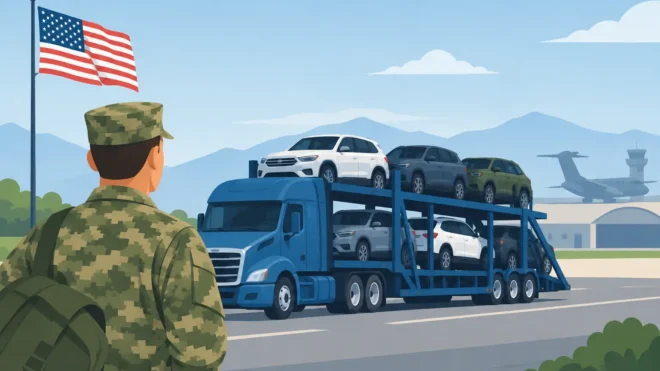
A PCS move can put your schedule under pressure before the packing even begins. Between orders, housing arrangements, family travel, and reporting dates, driving a vehicle hundreds or thousands of miles may not be practical. Auto transport for military moves gives service members and their families a reliable way to get a car, truck, or SUV to the next duty station without adding a long road trip to an already demanding relocation.
The right shipping plan is not just about moving a vehicle from one address to another. It is about coordinating pickup and delivery around real military timelines, protecting the vehicle during transit, and keeping communication clear when plans change. With professional support, you can spend less time managing transportation logistics and more time preparing for the move ahead.
When to Arrange Auto Transport for Military Moves
As soon as you know your destination and have a workable move window, start requesting transport quotes. Many military moves involve dates that can shift, so early planning gives you more carrier availability and more flexibility if your schedule changes.
A good target is to begin the process two to four weeks before your preferred pickup date. Longer routes, peak relocation periods, remote areas, and enclosed transport may require additional lead time. Summer is especially busy for household moves and vehicle shipping, which can affect both scheduling and pricing.
You do not always need a confirmed final address to get started. A transport advisor can often provide a quote using your origin, destination city or ZIP code, vehicle details, and estimated pickup window. If housing is not ready at your new duty station, consider delivery to a trusted family member, friend, dealership, storage facility, or another accessible location nearby.
The key is to be honest about the flexibility in your dates. A narrow pickup window can be accommodated in many cases, but it may limit carrier options. If your report date is firm, share that information early so the shipping plan can be built around it.
Choose the Transport Service That Fits Your Vehicle
Most service members shipping a standard daily driver choose open carrier transport. Your vehicle travels on a multi-car trailer, the same type commonly used to deliver new cars to dealerships. Open transport is widely available, cost-effective, and suitable for most sedans, trucks, SUVs, and crossovers.
Enclosed transport is a stronger fit when a vehicle needs added protection from weather and road exposure. This option can make sense for classic cars, luxury vehicles, specialty builds, motorcycles, or vehicles with a high-value finish. It typically costs more than open shipping, but the added coverage and protection may be worthwhile depending on the vehicle.
Door-to-door service is another practical choice during a military relocation. The carrier aims to pick up and deliver as close to your chosen addresses as safely and legally possible. Because large trucks need room to maneuver, some neighborhoods, apartment complexes, and base-adjacent streets may not be accessible. In those situations, the driver may arrange a nearby meeting point, such as a wide shopping center lot or public road with safe truck access.
Expedited transport may help when time is especially tight, though availability depends on the route and carrier schedule. It is usually more expensive than standard scheduling. For many PCS moves, a flexible pickup window and early booking provide a better balance of timing and cost.
How the Vehicle Shipping Process Works
Professional auto transport should feel organized from the first call through final delivery. AutoPlex Transport helps customers match the vehicle, route, timing, and protection level to the service that makes sense for their move.
First, provide the vehicle year, make, model, operating condition, pickup and delivery locations, and your preferred dates. Be sure to mention modifications such as lift kits, oversized tires, roof racks, or lowered suspension. These details can affect carrier selection and pricing.
Once you choose a service, the transport coordinator works to assign a qualified carrier for the route. You will receive pickup information when the carrier is scheduled, including instructions for staying available by phone. Pickup and delivery are often scheduled within a window rather than at an exact minute, since weather, traffic, loading times, and federal driving-hour rules can affect a driver’s route.
At pickup, the driver inspects the vehicle and records its condition on a bill of lading. Review this document carefully and keep a copy. At delivery, inspect the vehicle again before signing the final paperwork. This simple process creates a clear record of the vehicle’s condition at both ends of the shipment.
Prepare Your Vehicle Before Pickup
A few practical steps can prevent delays and make the inspection process easier. Wash the exterior so existing marks are visible, then take clear, dated photos of all sides of the vehicle, wheels, windshield, and any existing damage. Photograph the odometer as well.
Remove personal items from the cabin and cargo area unless your transport coordinator has specifically approved a limited amount. Personal belongings are generally not covered under the carrier’s cargo insurance, and added weight can create complications. Do not leave valuables, firearms, ammunition, important documents, or military equipment inside the vehicle.
Keep the fuel level at roughly one-quarter tank. This is enough for loading and unloading without adding unnecessary weight. Disable or clearly explain any alarm system, toll tag, or tracking device. Fold in mirrors, retract antennas when possible, and secure or remove loose exterior accessories.
If the vehicle does not run, disclose that before booking. Inoperable vehicles can often be transported, but the carrier needs the right equipment and advance notice. Trying to ship a non-running vehicle as if it operates can lead to delays and additional charges at pickup.
Plan for Military Schedules and Limited Availability
Military life does not always allow you to be present at both ends of the shipment. If you will be traveling separately from the vehicle, arrange a trusted adult to release or receive it. That person should have your contact information, understand the pickup or delivery location, and be prepared to inspect and sign the bill of lading.
Base access can also affect planning. Many carriers cannot enter military installations because of vehicle size, security requirements, or access procedures. A nearby off-base meeting point is often the most efficient solution. Discuss this early rather than waiting until the carrier is already en route.
For overseas-related orders, distinguish between domestic auto shipping and government-managed international vehicle transportation. A carrier handling a move within the continental United States may be able to transport your vehicle to a port city or designated domestic location, but overseas shipment has separate rules, documentation, and eligibility requirements. Confirm the correct process with your transportation office before scheduling any portion of the move.
Questions to Ask Before You Book
A clear quote should explain the service type, route, estimated timing, and any circumstances that may affect the final plan. Ask whether the vehicle will travel on an open or enclosed carrier, how pickup windows work, and what communication to expect once a carrier is assigned.
You should also confirm insurance information and understand the inspection procedure. Professional transport companies document vehicle condition at pickup and delivery, but your own photos provide helpful backup. If you have a specialty vehicle, ask specifically about ground clearance, modifications, battery condition, and any loading concerns.
Price matters, but the lowest quote is not always the best value. An unusually low price may reflect a difficult-to-book rate that does not attract a carrier quickly. Reliable coordination, realistic scheduling, and responsive support can be far more valuable when your orders and travel dates leave little room for uncertainty.
Make the Vehicle Move One Less PCS Concern
A military relocation asks a lot of you and your family. Shipping your vehicle can remove a major source of mileage, fatigue, lodging costs, and scheduling pressure, particularly when you are moving across several states or traveling with children, pets, or more than one vehicle.
Request a quote early, share the details that affect your schedule, and choose a transport option that matches the vehicle you own. With a dependable carrier plan in place, your car can be on its way while you focus on arriving ready for what comes next.
