

Moving vehicles across international borders requires specialized expertise that goes far beyond standard domestic transport. International vehicle shipping companies coordinate complex logistics involving maritime carriers, customs regulations, port operations, and cross-border documentation. Whether you're relocating overseas, importing a classic car, or managing a fleet deployment, understanding how these companies operate helps ensure your vehicle arrives safely and legally at its destination. The global auto shipping industry has evolved significantly, with new challenges emerging from electric vehicle safety requirements, environmental regulations, and supply chain disruptions that affect routing and pricing.
Understanding International Vehicle Shipping Services
International vehicle shipping companies provide specialized transportation solutions that connect buyers, sellers, and owners across continents. These carriers handle the intricate details of moving cars, trucks, motorcycles, and other vehicles via ocean freight, managing everything from pickup to final delivery.
Core Service Models
The industry offers two primary shipping methods, each with distinct advantages and cost structures:
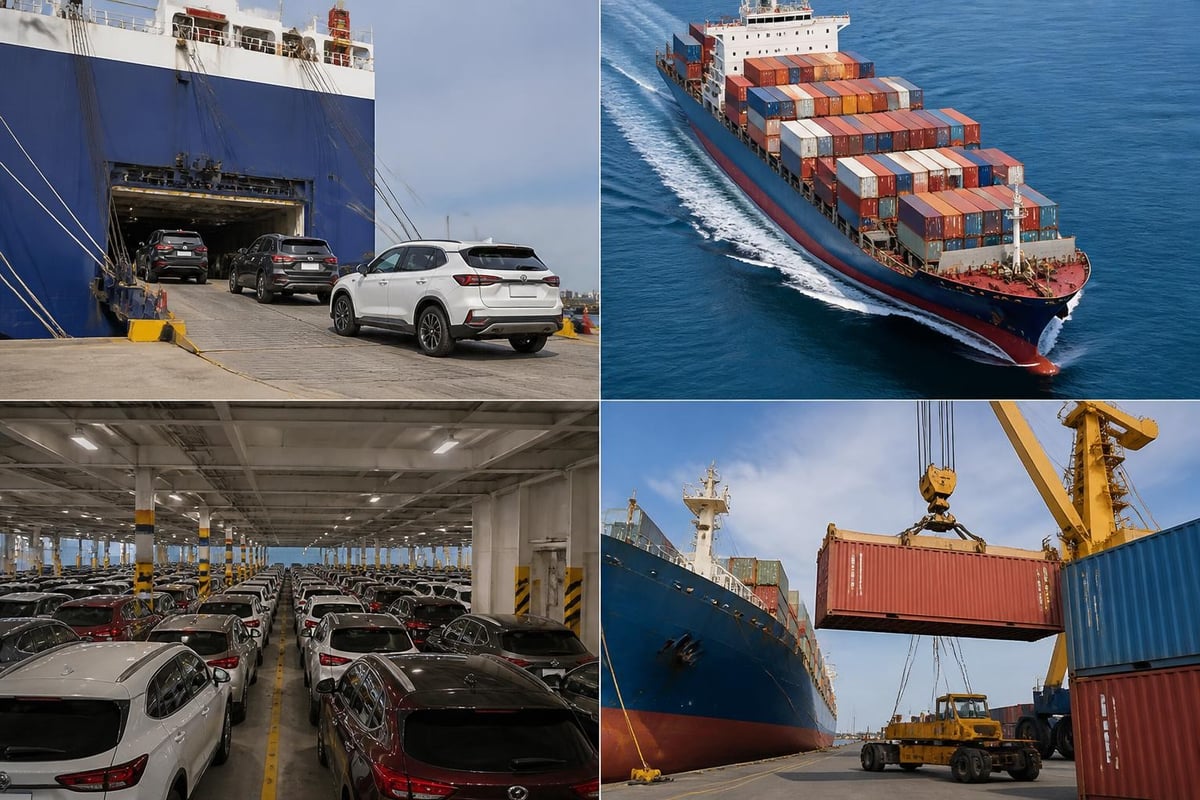
Roll-on/Roll-off (RoRo) shipping represents the most economical option for international vehicle transport. Vehicles are driven onto specialized vessel decks designed specifically for automobiles. Ships dock at dedicated terminals, and cars roll on and off under their own power or via towing equipment. This method dominates the finished-vehicle trade, with Georgia Ports Authority reporting record RoRo volumes in 2024, demonstrating the continued growth of this segment.
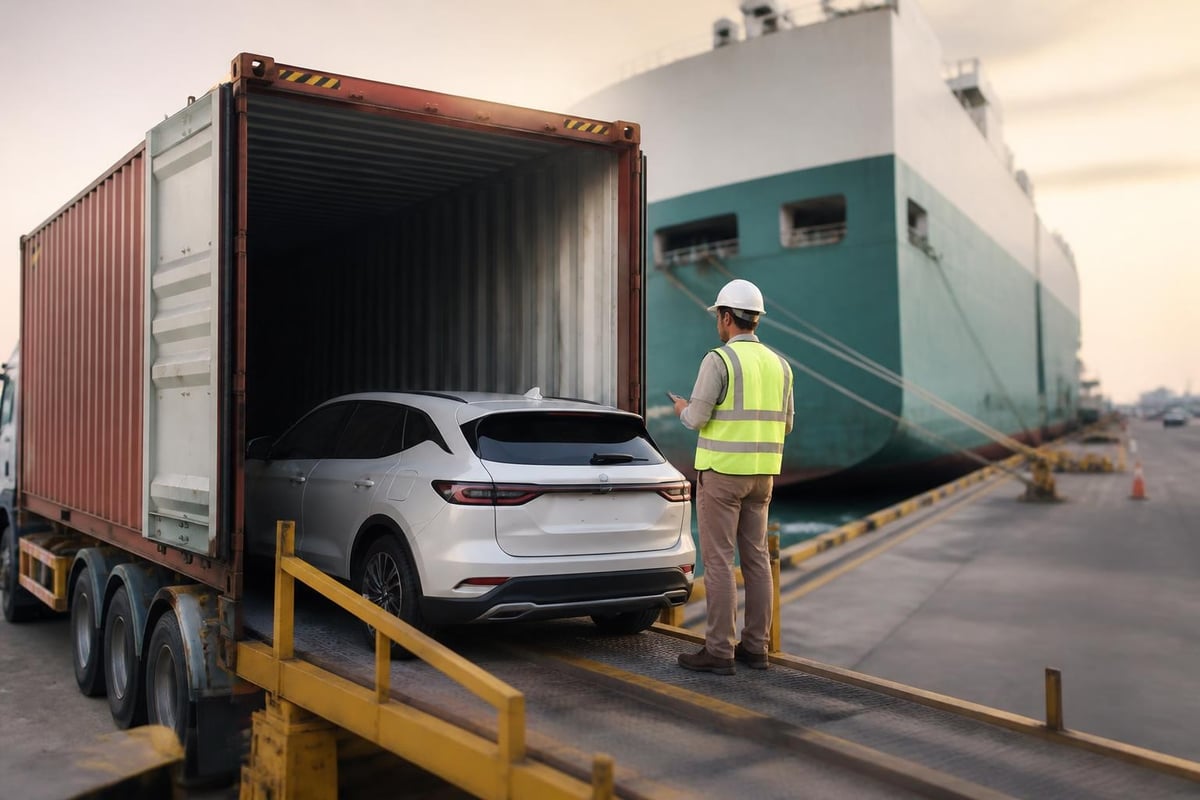
Container shipping provides enhanced protection by enclosing vehicles inside standard 20-foot or 40-foot containers. This method costs significantly more but offers advantages for high-value, classic, or modified vehicles that require extra security. A single 40-foot container typically accommodates one large vehicle or two compact cars.
Specialized Handling Categories
Modern international vehicle shipping companies must address evolving safety protocols, particularly for electric vehicles. The International Union of Marine Insurance has published best practice recommendations specifically for battery electric vehicles, reflecting industry-wide efforts to mitigate fire risks during ocean transit.
| Vehicle Type | Primary Concerns | Typical Shipping Method | Additional Requirements |
|---|---|---|---|
| Electric Vehicles | Battery charge management, thermal events | RoRo with specialized protocols | Pre-shipment charge levels, thermal monitoring |
| Classic/Vintage Cars | Physical protection, climate control | Container shipping | Detailed condition documentation, increased insurance |
| Oversized Vehicles | Deck space, weight distribution | RoRo with special placement | Advance booking, dimensional surveys |
| High-Value Sports Cars | Security, damage prevention | Enclosed container | Enhanced insurance, tracking systems |
Navigating Customs and Documentation Requirements
International vehicle shipping companies serve as critical intermediaries between shippers and government agencies. Understanding customs procedures prevents costly delays and legal complications.
Essential Documentation Package
Every international vehicle shipment requires comprehensive paperwork. The U.S. Customs and Border Protection provides detailed guidance on importing personal vehicles, including documentation standards and temporary importation rules.
Title and ownership documents form the foundation of any international shipment. Original vehicle titles, bills of sale, and proof of ownership must accompany the vehicle. Some countries require notarized affidavits or authenticated power-of-attorney documents when the shipper isn't the registered owner.
Commercial invoices detail the vehicle's value for customs purposes. This document triggers duty calculations and import tax assessments. Declared values must reflect accurate market rates, as customs officials can challenge undervalued declarations.
Additional required documents typically include:
- Original certificate of origin
- Emissions compliance certificates
- Safety standards documentation
- Odometer disclosure statements
- Commercial shipping instructions
- Insurance certificates
Country-Specific Import Regulations
Each destination country maintains unique vehicle import standards. European Union nations enforce strict emissions requirements that exclude many older American vehicles. Japan maintains left-hand-drive restrictions in certain categories. Australia requires extensive modifications for compliance with Australian Design Rules.
International vehicle shipping companies maintain expertise in these varying requirements, often partnering with customs brokers who specialize in automotive imports. This knowledge prevents situations where vehicles arrive but cannot legally enter the destination country.
Cost Factors and Pricing Structures
Understanding how international vehicle shipping companies calculate prices helps set realistic budgets and identify competitive quotes.
Primary Cost Drivers
Distance and routing represent the baseline pricing factor. Shipments to major ports with frequent service cost substantially less than routes to remote locations requiring transshipment. Popular corridors like United States to Europe or United States to Australia benefit from regular vessel schedules and competitive carrier pricing.
Vehicle specifications directly impact costs. Oversized vehicles consume more deck space, triggering premium charges. Inoperable vehicles require special loading equipment, adding $150-$400 to base prices. Modified vehicles with lowered suspensions or wide body kits may not fit standard RoRo configurations.
Port selection significantly affects total costs. Major vehicle-handling terminals like Brunswick, Georgia, or Baltimore, Maryland offer competitive rates due to high throughput volumes, as noted in recent automotive logistics analysis. Smaller ports charge premium fees for limited vehicle-handling capabilities.
Seasonal Pricing Variations
International vehicle shipping companies adjust rates based on seasonal demand patterns. Summer months see increased activity from military relocations, academic transfers, and vacation-timing moves. Winter sailings to warm-weather destinations experience higher demand from snowbird relocations.
Booking 4-6 weeks in advance typically secures better rates than last-minute shipments. However, flexible timing allows shippers to capitalize on vessel space that carriers discount to avoid sailing partially loaded.
Insurance and Liability Considerations
Marine cargo insurance presents unique challenges that differentiate international vehicle shipping from domestic auto transport services. Lloyd’s Market resources on marine cargo provide authoritative guidance on carrier liability and insurance requirements.
Coverage Types and Gaps
Carrier liability under maritime law operates differently than land-based transport. The Carriage of Goods by Sea Act limits carrier responsibility to $500 per package unless shippers declare higher values and pay corresponding freight charges. This limitation makes supplemental insurance essential for most vehicle shipments.
All-risk marine cargo policies cover physical loss or damage from perils of the sea, fire, theft, and collision. Standard policies exclude mechanical breakdown, wear and tear, and damage from improper packing. Premium rates typically range from 1.5% to 3.5% of declared value, varying with route, vessel type, and coverage limits.
Key exclusions to understand:
- War and terrorism (covered under separate war risk policies)
- Strikes, riots, and civil commotion
- Radioactive contamination
- Inherent vice (pre-existing vehicle defects)
- Delay-related losses
Documentation for Claims
International vehicle shipping companies require detailed pre-shipment condition reports. Photograph all sides of the vehicle, document existing damage, and note mileage. These records become critical evidence if damage occurs during transit.
Claims must be filed within specific time frames, typically 72 hours of delivery for visible damage, and before the vehicle leaves the port facility. Delays in inspection or failure to note damage on delivery receipts often void coverage.
Selecting Reliable International Shipping Partners
Choosing among international vehicle shipping companies requires evaluating multiple factors beyond advertised prices.
Verification and Credentials
Federal Maritime Commission (FMC) registration confirms a company's legal authority to operate as an ocean transportation intermediary. Licensed Ocean Transportation Intermediaries (OTIs) meet bonding requirements and financial responsibility standards. Verify FMC numbers through the agency's online database before committing to any carrier.
Industry affiliations signal commitment to professional standards. Membership in organizations like the International Association of Movers (IAM) or Fédération Internationale des Déménageurs Internationaux (FIDI) requires adherence to quality standards and ethical practices.
Look for companies with:
- Multiple years of operation (minimum 5 years established)
- Transparent pricing with written estimates
- Direct relationships with vessel operators
- Physical office locations and verifiable contact information
- Positive third-party reviews across multiple platforms
Service Level Indicators
Port network coverage demonstrates a company's operational capacity. Established international vehicle shipping companies maintain relationships with terminals worldwide, offering multiple routing options. Limited port access often indicates companies working through multiple intermediaries, each adding costs and complexity.
Communication protocols separate professional operators from unreliable services. Expect regular updates on vessel schedules, departure confirmations, and arrival notifications. Companies should provide booking numbers, vessel names, and voyage details within 48 hours of pickup.
| Service Quality Indicator | Professional Companies | Warning Signs |
|---|---|---|
| Quote Detail | Itemized breakdown with all fees disclosed | Vague "all-inclusive" pricing with hidden charges |
| Contract Terms | Written bill of lading, clear terms of service | Verbal agreements, refusal to provide written contracts |
| Pickup Coordination | Scheduled appointments, confirmed in writing | Last-minute changes, no-shows without notice |
| Customer Service | Direct representative, consistent communication | Generic call centers, difficulty reaching contacts |
Environmental and Regulatory Trends
International vehicle shipping companies face increasing pressure to address environmental impacts and evolving safety regulations.
Emissions and Sustainability
The maritime industry contributes approximately 3% of global greenhouse gas emissions, with vehicle carriers representing a significant segment. Research on environmental impacts of used-vehicle exports highlights how international vehicle movements affect global emissions patterns, particularly when older, less efficient vehicles move from developed to developing markets.
Regulatory bodies are implementing stricter emissions standards for shipping vessels. The International Maritime Organization's 2023 greenhouse gas strategy targets net-zero emissions by 2050, requiring fleet modernization and alternative fuel adoption. These compliance costs will increasingly affect international shipping rates.

Electric Vehicle Safety Protocols
The rapid growth of electric vehicle sales introduces new challenges for international vehicle shipping companies. The IMO Sub-Committee discussions on ship systems and equipment addressed reducing fire risk in vehicle spaces, with specific focus on battery electric vehicles.
Current industry guidelines recommend:
- Maintaining battery charge between 20-50% during transport
- Enhanced fire detection and suppression systems in vehicle decks
- Specialized training for crew handling electric vehicles
- Segregation of high-voltage battery vehicles
- Pre-shipment inspection protocols for battery damage
The European Maritime Safety Agency technical review provides detailed analysis of safety measures for new-energy vehicles, establishing frameworks that international carriers are progressively adopting.
Coordinating Multi-Modal Transport
International vehicle shipping rarely involves ocean freight alone. Comprehensive services include inland transport from origin to departure port and from arrival port to final destination.
Inland Transportation Coordination
Many vehicle owners prefer working with companies offering complete door-to-door service rather than coordinating separate ocean and land segments. International vehicle shipping companies typically partner with domestic carriers or, in some cases, operate their own USA auto transport divisions to provide seamless service.
Export preparation begins with pickup from the owner's location. Domestic carriers transport vehicles to port facilities, where they undergo customs inspection and loading preparation. This coordination requires precise timing, as vehicles must arrive during specific cut-off windows before vessel departure.
Import delivery presents additional complexity. Upon arrival, vehicles clear customs, undergo destination-country inspections, and potentially require modifications for compliance. International vehicle shipping companies with established networks expedite these processes, reducing the typical 7-14 day port dwell time.
Port Selection Strategy
Strategic port selection balances cost, transit time, and service reliability. Primary considerations include:
- Vessel frequency: Major ports offer weekly sailings versus monthly service at smaller terminals
- Customs efficiency: Established vehicle-processing facilities clear cargo faster
- Inland transport costs: Proximity to origin or destination reduces ground transport expenses
- Terminal capabilities: Modern equipment and experienced handlers reduce damage risks
Shippers in the Gulf Coast region, for instance, might use Houston or New Orleans for export shipments, while East Coast clients benefit from Baltimore, Jacksonville, or Brunswick terminals. Each port specializes in particular trade lanes, affecting route efficiency and pricing.
Timeline Planning and Scheduling
Understanding realistic timelines prevents frustration and helps coordinate related logistics like travel arrangements or vehicle replacement needs.
Typical Transit Periods
Booking to pickup normally requires 5-10 business days, allowing international vehicle shipping companies to arrange carrier assignments and port scheduling. Rush services can reduce this window but typically carry 20-40% premium charges.
Port processing and loading spans 3-7 days from vehicle arrival at the terminal to actual vessel departure. Export documentation, customs clearance, and vessel loading operations all occur during this phase. Delays happen when paperwork contains errors or when vessels experience schedule changes.
Ocean transit varies dramatically by route:
- United States to Europe: 10-21 days
- United States to Australia/New Zealand: 25-40 days
- United States to Middle East: 18-30 days
- United States to Asia: 15-35 days
These estimates assume direct routing. Transshipment through intermediate ports adds 7-14 days per connection.
Destination clearance and delivery requires 5-14 days, depending on customs complexity and inland transport distance. Countries with strict compliance requirements or remote final destinations extend this timeline.
Buffer Planning
Professional international vehicle shipping companies recommend adding 25-30% buffer time to quoted estimates. Weather delays, port congestion, customs inspections, and mechanical issues all impact schedules. Planning vehicle replacement needs with this buffer prevents disruptions to business operations or personal mobility.
Special Circumstances and Unique Shipments
Certain situations require specialized handling beyond standard international vehicle shipping procedures.
Military and Government Relocations
Armed forces members receive specific shipping allowances through government contracts with approved carriers. These shipments follow separate regulations and timelines from commercial moves. Designated contractors maintain security clearances and comply with military logistics requirements.
Commercial Fleet Deployments
Businesses expanding internationally or deploying vehicles to overseas operations require volume-based solutions. International vehicle shipping companies offer dedicated space on regular sailings or, for large deployments, charter entire vessels. Fleet shipments benefit from consolidated pricing and coordinated delivery schedules.
Classic and High-Value Vehicles
Collector cars, vintage automobiles, and exotic sports cars justify premium shipping methods. Enclosed container shipping with climate control protects irreplaceable vehicles from salt air, humidity, and physical damage. Additional insurance coverage, GPS tracking, and white-glove handling services address the specific needs of high-value shipments.
Some collectors coordinate personal vehicle collections across continents, requiring international vehicle shipping companies to manage regulatory compliance for historical vehicles exempt from modern safety standards. These exceptions require documentation of historical significance and proper customs classification.
Technology and Tracking Capabilities
Modern international vehicle shipping companies leverage technology to improve transparency and customer communication.
Digital Documentation Systems
Electronic bills of lading, digital customs forms, and automated booking systems streamline the traditionally paper-intensive shipping process. Cloud-based platforms allow customers to upload required documents, track shipment status, and receive automated notifications at each milestone.
GPS tracking systems monitor vehicle location from pickup through final delivery. Real-time updates show when vehicles arrive at port, load onto vessels, and clear customs at destination. Advanced systems provide temperature monitoring for climate-controlled shipments and impact detection that alerts carriers to potential damage events.
Customer Portal Features
Leading carriers provide online dashboards displaying:
- Current shipment location and status
- Estimated arrival dates with regular updates
- Document repository for bills of lading, customs forms, and insurance certificates
- Direct messaging with assigned coordinators
- Invoice and payment processing
These tools reduce the communication burden on both shippers and carriers while increasing transparency throughout the shipping process.
Selecting the right international vehicle shipping solution requires understanding the interplay between documentation requirements, carrier capabilities, insurance needs, and regulatory compliance across different trade routes. Whether you're managing a one-time overseas relocation or coordinating commercial vehicle deployments, working with experienced professionals ensures your shipment meets legal requirements and arrives safely. For customers needing reliable domestic transport to connect with international shipping ports, AutoPlex Transport delivers vehicles safely to major terminals throughout the United States, providing the crucial first link in your international shipping chain with door-to-door service, professional handling, and comprehensive tracking from pickup to port delivery.
