
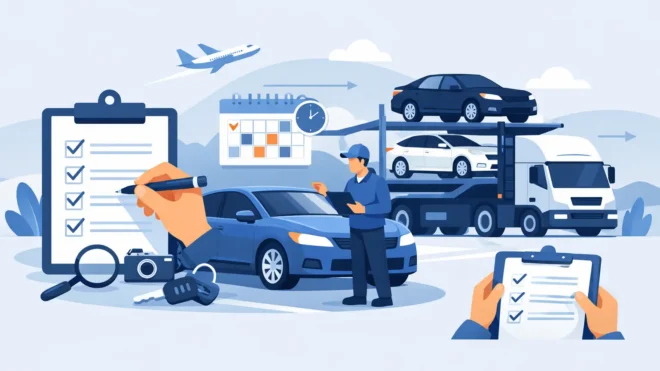
A cross-country move, a vehicle purchase, or a seasonal relocation can put hundreds or thousands of miles between you and your car. This auto shipping checklist helps you prepare for pickup without last-minute surprises, protect your vehicle’s condition, and keep delivery coordination simple from the first call to the final inspection.
Auto shipping is designed to save you from the time, fatigue, fuel costs, and added wear that come with a long drive. A little preparation on your side helps the carrier load your vehicle safely and gives you a clear record of its condition before it begins the trip.
Start With the Right Shipping Plan
Before preparing the vehicle itself, confirm that your transport service fits the vehicle, route, timing, and protection level you need. Open carrier transport is the practical choice for many standard cars, trucks, and SUVs. It is widely available and typically offers the most cost-effective way to ship a vehicle nationwide.
Enclosed transport provides added protection from road debris and weather. It is often a strong fit for classic cars, luxury vehicles, exotic vehicles, or any vehicle whose owner wants a more protected shipping environment. The right choice depends on your vehicle’s value, your comfort level, your route, and your budget.
Be direct about special circumstances when requesting a quote. Let your transport advisor know if the vehicle is inoperable, oversized, modified, lowered, lifted, or equipped with oversized tires. These details affect the type of carrier required and help prevent pickup-day complications. If your dates are tight, ask about expedited transport early rather than waiting until the last minute.
Auto Shipping Checklist: One Week Before Pickup
Start preparing several days before the scheduled pickup window. This gives you time to handle paperwork, remove personal belongings, and communicate any changes to your carrier.
- Confirm the pickup and delivery addresses, contact names, phone numbers, and preferred hours for both locations.
- Review the vehicle’s make, model, year, operating condition, and any special loading instructions with your transport coordinator.
- Make sure someone age 18 or older can release the vehicle at pickup and accept it at delivery if you cannot be there.
- Ask whether a nearby large parking lot or open street may be needed for pickup or delivery. Large carriers may not be able to safely enter narrow residential streets, gated communities, or low-clearance areas.
- Set aside the keys and make sure the carrier has the key needed to start, move, and secure the vehicle.
Address changes, new phone numbers, and revised availability should be shared as soon as possible. Transport schedules depend on carrier routing and safe loading access. Quick communication makes it easier to keep your shipment moving as planned.
Check Your Documents and Payment Details
You generally do not need a special title transfer or registration document simply to ship a vehicle you already own within the United States. Still, keep your registration and proof of insurance accessible in case they are needed for identification or verification.
If you are shipping a newly purchased vehicle, confirm that you have the information required to release it from the seller, dealer, auction location, or storage facility. The person handing over the vehicle must know the carrier is authorized to pick it up.
Review your booking confirmation so you understand the quoted service, pickup window, delivery expectations, payment method, and any remaining balance. If something does not match your understanding, resolve it before the truck arrives. Clear details up front support a worry-free experience later.
Prepare Your Vehicle for Safe Loading
A transport carrier is not a moving truck. Personal household items can shift in transit, create safety concerns, or add weight that was not included in the shipment details. Remove belongings from the cabin and trunk, including electronics, loose accessories, toll tags, paperwork with sensitive information, and anything valuable.
Leave only the items your transport provider has specifically approved. Avoid storing heavy boxes, tools, sporting equipment, or luggage in the vehicle unless you have discussed it in advance. Rules can vary based on carrier capacity, route, and applicable weight limits.
Wash the exterior or at least remove heavy dirt and road grime. A clean vehicle makes it much easier to identify existing scratches, chips, dents, or other cosmetic marks during the pickup inspection. You do not need a professional detailing appointment, but the vehicle’s condition should be visible.
Check the basics before release: tire pressure, battery charge, brakes, and fluid leaks. The vehicle should be safe to load and unload. Keep the fuel level at about one-quarter of a tank. That is typically enough for loading while avoiding unnecessary vehicle weight.
Retract or remove removable accessories that could be damaged during transport. This can include antennas, roof racks, bike racks, custom spoilers, and loose exterior trim. Disable alarms if possible, and provide clear instructions if the carrier needs to know about an alarm, immobilizer, push-button start, or special starting procedure.
Document Vehicle Condition at Pickup
The pickup inspection is one of the most valuable parts of your auto shipping checklist. Before loading, the driver will inspect the vehicle and note visible condition on the bill of lading, also called the vehicle condition report. Take part in this inspection whenever possible.
Walk around the vehicle with the driver in good lighting. Point out any existing scratches, dents, cracked glass, paint chips, wheel damage, or mechanical concerns. Take dated photos and close-up images of existing damage, along with wider photos from each side of the vehicle. Include the odometer reading in your records.
Read the condition report before signing it. It should reasonably reflect the vehicle’s visible condition at pickup. Keep your copy until after delivery and the final inspection are complete. This document creates a shared baseline for you and the carrier.
If someone else will release the vehicle, send them clear instructions. They should know where the keys are, how to contact you, and why the inspection paperwork matters. A rushed handoff can create avoidable uncertainty later.
Stay Available During Transit
Vehicle transport schedules are built around real-world conditions, including traffic, weather, road restrictions, loading time, and the carrier’s route. Pickup and delivery are usually estimated windows rather than exact appointment times. Flexibility helps, but you should never be left guessing about the next step.
Keep your phone nearby and answer calls from your driver or transport coordinator. Carriers often call ahead as they approach pickup or delivery. If you miss a call, return it promptly so the driver can confirm access and avoid delays.
If you cannot personally meet the carrier at delivery, arrange a trusted adult in advance. Give that person authority to inspect the vehicle, sign the delivery paperwork if appropriate, and contact you immediately if they notice a concern. They should also know the delivery location and any parking or gate instructions.
Inspect the Vehicle Before Final Delivery Sign-Off
When your vehicle arrives, inspect it before signing the final delivery paperwork. Compare the vehicle with the pickup condition report and the photos you took before shipment. Check the exterior from all sides, including the roofline, bumpers, wheels, windshield, mirrors, and lower panels.
If you see a new issue, note it clearly on the bill of lading before signing. Take photos while the driver is present and contact your transport company right away for guidance. Do not rely on verbal comments alone. Written notes and clear photos provide the information needed to review any concern properly.
Most deliveries go smoothly, especially when pickup preparation and documentation are handled carefully. The goal is not to expect a problem. It is to make sure both you and the carrier have a clear, professional record at every handoff.
Make Your Shipment Easier From the First Call
A reliable transport experience begins with accurate details and continues with responsive support. AutoPlex Transport can help you choose open or enclosed shipping, coordinate door-to-door service, and plan for standard or expedited delivery based on your timeline and vehicle needs.
Before you request your quote, gather the pickup and delivery ZIP codes, vehicle details, desired dates, and any special requirements. Then use this checklist to prepare with confidence. When the carrier arrives, you can hand over the keys knowing the important details are already handled.
