Why would a 14.6% spike in national shipping rates make 2026 the most important year to rethink your vehicle’s journey? While price shifts can be intimidating, they’ve pushed the industry toward a higher standard of transparency and technology for those booking open car transport Houston. You likely want a solution that balances affordability with the security of knowing your car is in professional hands. It’s about finding a service that respects your budget without compromising on the safety of your vehicle during its trip across the country.
We know it’s frustrating to deal with vague quotes that hide extra fees or carriers that go silent once your car is loaded onto the trailer. You’re looking for more than just a transport service; you want a reliable partner that values your peace of mind and the safety of your asset. This guide promises to reveal the most dependable ways to ship your vehicle across the country while avoiding common industry pitfalls. We’ll walk through the 2026 logistics landscape, covering everything from federal insurance requirements to the specific steps that ensure a damage-free delivery on a clear, predictable timeline.
Key Takeaways
- Learn why multi-level trailers are the industry standard for shipping daily drivers and fleet vehicles across the country efficiently.
- Understand the significant cost and availability benefits of choosing open car transport Houston for your next interstate move.
- Identify how vehicle dimensions and proximity to major interstate corridors impact the logistical planning of your shipment.
- Follow a methodical vehicle preparation process, including thorough cleaning and photo documentation, to ensure a smooth inspection at pickup.
- Discover the advantages of partnering with a national provider that utilizes a vetted carrier network compliant with all federal safety standards.
Defining Open Car Transport for Modern Logistics
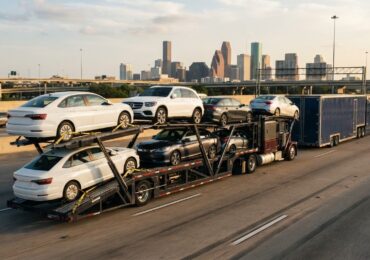
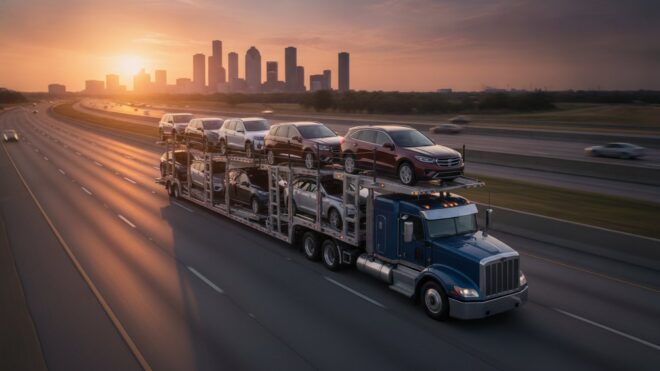
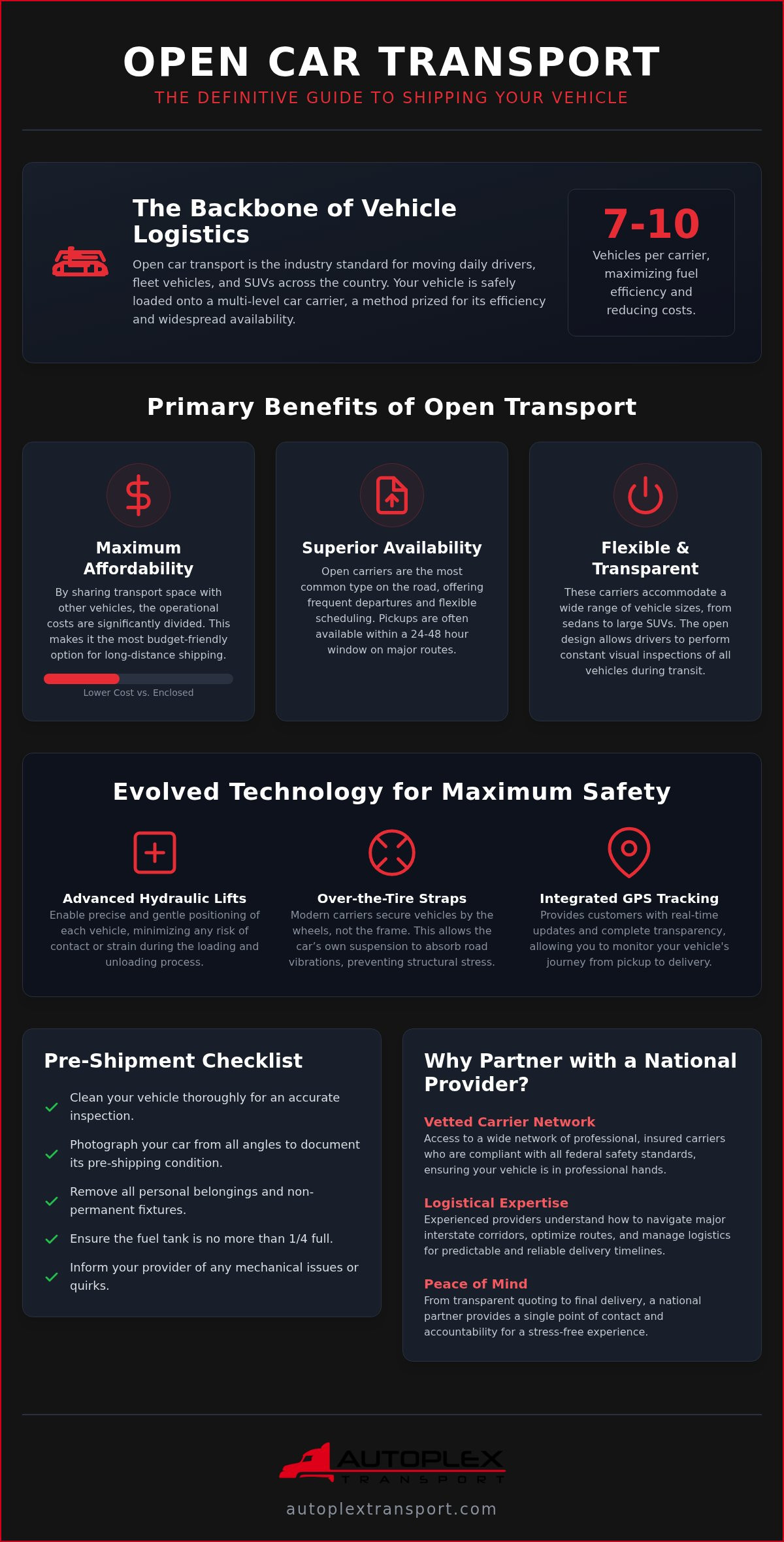
Open car transport serves as the backbone of the American vehicle shipping industry. It’s the primary method used for transporting daily drivers, fleet vehicles, and standard SUVs across state lines. When you book open car transport Houston, your vehicle is typically placed on a specialized car carrier trailer. These trailers are designed to maximize space and efficiency, often carrying between seven and ten vehicles at once on a multi-level structure. While the vehicles are exposed to weather and road conditions, this method remains the most popular due to its high availability and cost-effectiveness compared to enclosed options.
The efficiency of this system relies heavily on established logistics hubs. Major metropolitan areas function as critical nodes in a national network, allowing carriers to consolidate loads and maintain steady schedules. The infrastructure supporting open car transport Houston ensures that even if you’re shipping a single vehicle, it becomes part of a larger, synchronized movement that keeps interstate commerce flowing smoothly. By utilizing these high-traffic corridors, professional transport companies can offer more frequent pickup windows and more predictable delivery timelines for their customers.
How Open Carrier Technology Has Evolved
Modern logistics have moved far beyond simple ramps and chains. Today’s open carriers utilize advanced hydraulic lift systems that allow for precise positioning of each vehicle. This technology ensures that cars are loaded and unloaded with minimal risk of contact or strain. Safety has also improved through the implementation of specialized tie-down systems. Instead of hooking into the vehicle’s frame, which can cause structural stress, modern carriers use over-the-tire straps. These secure the vehicle by its wheels, allowing the car’s own suspension to absorb the natural vibrations of the road. Additionally, integrated GPS tracking has become a standard feature, providing customers with real-time transparency and updates throughout the transit process.
Why Open Transport is the Industry Standard
There’s a reason why nearly all major dealerships and manufacturers rely on open carriers for new vehicle deliveries. The sheer volume that a multi-car transporter can handle makes it the most fuel-efficient and environmentally conscious choice for large-scale logistics. By distributing the fuel costs across ten vehicles instead of one or two, the carbon footprint per vehicle is significantly reduced. This scalability also translates to better scheduling flexibility for the consumer. Open car transport is the most accessible vehicle shipping method in 2026, offering a reliable balance of professional handling and logistical speed for anyone moving a car across the country.
The Primary Benefits of Open Carrier Auto Transport
Choosing the right shipping method often comes down to balancing your budget with your specific timeline. For the majority of vehicle owners, open carrier services provide the most practical solution for nationwide moves. The primary advantage is cost-effectiveness. Because these trailers can carry up to ten vehicles at once, the operational costs are divided among multiple customers. This makes open car transport Houston significantly more affordable than enclosed alternatives, which often carry only two or three cars at a time. It’s a high-value choice for daily drivers and fleet vehicles alike.
Availability is another critical factor in modern logistics. The sheer volume of open carriers on the road today means that finding a spot on a trailer is a straightforward process. Unlike specialized enclosed services that may require weeks of lead time, open carriers are frequently available for pickup within a 24-48 hour window. This frequency is especially beneficial for those moving along high-volume interstate corridors where departures occur daily. If you’re looking for a partner to manage these details with precision, AutoPlex Transport Company provides the reliable service needed for a smooth transition.
Visibility during transit is a benefit that many first-time shippers overlook. On an open trailer, the driver has an unobstructed view of the cargo. This allows for easier inspections during rest stops to ensure all tie-downs remain secure. Additionally, these trailers are highly versatile. They can accommodate a wide range of vehicle dimensions, from compact electric cars to full-sized SUVs, without the restrictive height limits sometimes found in enclosed containers. This flexibility ensures your vehicle fits into the logistics chain without unnecessary delays.
Maximizing Value Without Sacrificing Safety
A common misconception is that open transport is inherently risky. In reality, industry data shows that damage rates for open carriers are remarkably low. This is why manufacturers use them for 90% of new car deliveries. For added peace of mind, you can request top deck loading. Placing a vehicle on the upper level of the trailer offers extra protection from road debris and fluids from other vehicles. Professional carriers also utilize staggered loading patterns. This strategic placement ensures that no two vehicles are positioned in a way that could lead to contact, protecting the exterior finishes of every car on board.
Speed of Scheduling and Transit
The speed of your shipment is directly tied to the number of carriers operating on your specific route. Because open transport is the industry standard, these carriers dominate the national highways. This high density leads to more frequent departures and faster overall delivery times. When you are ready to plan your move, you should verify carrier registration through official channels to ensure your provider is fully compliant with 2026 safety regulations. For more detailed insights into how these systems operate, our complete guide to open transport covers everything you need to know for a successful shipment.
Analyzing the Factors of Interstate Shipping Costs
The total mileage of your trip is the primary driver of cost, but the specific route is just as influential. Carriers prioritize paths that follow major interstate corridors because they allow for consistent speeds and reliable fuel access. If a pickup or delivery point requires a significant detour from these main arteries, the driver must account for the extra time and fuel spent. This logistical reality is a key part of pricing for open car transport Houston, as being near a major transport hub often simplifies the routing process and keeps the schedule on track.
Vehicle dimensions also play a silent but significant role in your final quote. Transport trailers have strict weight limits set by federal regulations to ensure road safety. A heavy electric vehicle or a full-sized SUV takes up more weight capacity than a small sedan, which might mean the carrier can load fewer cars total. Height is equally important; trailers must clear bridges and overpasses, so taller vehicles may require specific positioning on the lower deck. Additionally, national diesel prices and seasonal demand influence shipping rates. During the “snowbird” season or summer moving peaks, carrier availability can tighten, affecting the overall market price. To better understand your rights and the industry’s standards, we recommend reviewing the FMCSA consumer protection guidelines. When arranging open car transport Houston, considering these variables early helps ensure a transparent and accurate quote.
The Role of Vehicle Operability
If a vehicle cannot move under its own power, it’s classified as inoperable. Loading these cars requires specialized equipment, such as a winch or a forklift, which isn’t standard on every trailer. Winching services involve a cable and motor system to pull the car onto the ramp safely. To avoid unexpected fees, it is vital to ensure your vehicle can still steer, brake, and roll. If the wheels are locked or the steering column is broken, the carrier may need even more advanced recovery tools, which significantly increases the complexity of the job and the final cost.
Understanding Door-to-Door Service Logistics
Door-to-door transport is designed for maximum convenience, allowing the carrier to pick up and drop off the vehicle as close to your specified addresses as possible. However, large multi-car trailers are often 75 to 80 feet long. They cannot always navigate narrow residential streets, low-hanging trees, or tight cul-de-sacs. In these cases, the driver will coordinate a meeting at a nearby parking lot or a wide commercial area. While terminal-to-terminal options exist, most residential customers prefer the direct nature of door-to-door service, provided the local infrastructure allows for safe trailer clearance.
Preparing Your Vehicle for Nationwide Transport
A successful shipment begins long before the trailer arrives at your door. When arranging open car transport Houston, start by giving your vehicle a complete exterior wash. A clean car is not just about aesthetics; it ensures that every minor blemish, scratch, or dent is clearly visible during the initial inspection. Documenting the current state of your vehicle with high-resolution photos from every angle provides a verifiable record that protects both you and the carrier. Take close-up shots of the wheels, bumpers, and roof, as these are the areas most likely to encounter road dust during transit.
Efficiency in logistics also depends on weight management. We recommend maintaining your fuel level at approximately one-quarter tank. This provides enough fuel for the driver to load and unload the vehicle while significantly reducing the overall weight of the trailer. Additionally, you must remove all personal belongings and aftermarket accessories like bike racks or GPS units. Items left inside the cabin are not covered by the carrier’s cargo insurance and can shift during the trip, potentially causing internal damage. A methodical approach to these details ensures your vehicle meets all safety and insurance requirements for its journey.
The Critical Role of the Bill of Lading
The Bill of Lading (BOL) is the most important document in the shipping process. It serves as your official contract and a detailed condition report that travels with the car. When the driver arrives for pickup, you should conduct a joint inspection, marking any existing damage on the BOL together. This is your opportunity to be thorough and ask questions about the loading process. Never sign a BOL without performing a full walk-around of the vehicle with the driver. Having a clear, signed document at both pickup and delivery is the best way to ensure a transparent and professional experience.
Mechanical and Maintenance Checks
Because vehicles are often stacked on multi-level trailers, leaking fluids pose a risk to the cars loaded below yours. Check your vehicle for any active oil, coolant, or transmission leaks before the scheduled pickup date. You should also ensure that your tires are properly inflated and the battery is fully charged to avoid any loading delays. Finally, remember to disable car alarms or provide the driver with clear instructions on how to turn them off. If you use a toll tag, deactivate it or place it in a shielded bag to prevent accidental charges as the trailer passes through electronic gantries. For a deeper look at these steps, review our how to prepare a car for transport guide. To secure your spot on a professional carrier, book your transport service with our expert team today.
Why National Experience Matters for Houston Car Shipping
When you seek open car transport Houston, you’re tapping into a complex interstate network that requires more than just a local presence. A provider with a national footprint offers a layer of security that smaller, regional operations simply cannot match. If a carrier faces a mechanical delay or a route closure in a distant state, a national logistics partner has the resources to quickly coordinate recovery options. This ensures your vehicle doesn’t sit idle while a single-truck operator struggles to find a solution. By utilizing a hub-and-spoke model, your shipment moves through high-volume corridors that maximize efficiency and reliability. To learn more about how professional freight forwarding operates across the continent, strategic guides for 2026 can provide valuable context.
Relying on a professional partner also means benefiting from a vetted carrier network. Every truck in the system must meet strict federal safety standards set by the Federal Motor Carrier Safety Administration (FMCSA). This oversight is especially vital in 2026, as the industry adapts to rising operational costs and new regulations for heavier assets like electric vehicles. Choosing a company that views itself as a reliable partner rather than just a middleman provides the peace of mind you need when moving high-value assets across the country.
Before you commit to a service, you should verify the company’s legal credentials. Every legitimate interstate transporter must have active Motor Carrier (MC) and Department of Transportation (DOT) numbers. You can verify these through the FMCSA’s public database to ensure they’re authorized for for-hire transportation. It’s also critical to check insurance certificates. While federal law requires a minimum of $5,000 in cargo insurance per vehicle, many professional carriers in our network carry between $100,000 and $250,000 per load. This higher level of coverage is a hallmark of a serious, safety-oriented provider. Don’t rely solely on local directory listings; instead, look for national reviews that speak to the company’s long-term performance across various routes and vehicle types.
Choosing AutoPlex for Your Next Move
At AutoPlex Transport Company, we’ve built our reputation on a methodical and transparent approach to logistics. We understand that your vehicle is a significant investment, and our commitment to safety is reflected in every step of our process. While your search for open car transport Houston might start with a specific route in mind, our nationwide interstate transportation services cover all 50 states with the same level of precision. We prioritize clear communication and predictable timelines for every customer. We invite you to contact us for a comprehensive, all-inclusive quote tailored to your specific vehicle and schedule. Let us show you how a professional national provider makes the difference in your next move.
Planning Your Next National Move with Confidence
Selecting the right logistics method for your vehicle is about more than just finding the lowest price; it’s about choosing a system built on reliability and professional standards. Open car transport Houston remains the most practical and accessible choice for interstate moves in 2026, offering a balance of efficiency and security that manufacturers have trusted for decades. By focusing on methodical preparation and verifying carrier credentials, you can eliminate the stress of hidden fees or communication gaps. It’s about peace of mind.
A successful delivery depends on partnering with a team that understands the complexities of national logistics and federal safety requirements. We prioritize a methodical approach that keeps your asset protected from pickup to drop-off. With our Fully Insured Nationwide Carriers, A+ Rated Customer Support, and Door-to-Door Delivery Standard, you’re choosing a partner dedicated to transparency and care. We’re here to guide you through every mile of the journey.
Ready to take the next step in your relocation or vehicle purchase? Get Your Instant Open Car Transport Quote from AutoPlex today. We look forward to providing the professional service your vehicle deserves.
Frequently Asked Questions
Is open car transport safe for my vehicle’s paint and windows?
Open car transport is safe for standard vehicles and is the primary method used by professional logistics networks for nationwide shipping. While your car is exposed to weather and road dust, it is securely fastened by the tires to prevent structural movement. This method is highly reliable for daily drivers. For those seeking open car transport Houston, it offers a proven balance of safety and logistical efficiency on national routes.
How long does it take to ship a car from Houston to the West Coast?
Shipping a vehicle cross-country typically takes between 7 and 10 days depending on the specific route and weather conditions. Drivers are limited by federal hours-of-service regulations to ensure road safety, which influences the total transit time. High-volume interstate corridors often see faster movement due to frequent departures. We provide a clear timeline during the booking process so you can plan your pickup and delivery with total confidence.
What is the difference between an auto transport broker and a carrier?
An auto transport broker acts as a logistics coordinator that connects customers with available carriers, while the carrier is the company that owns the trucks and physically moves the vehicle. AutoPlex Transport Company serves as a professional provider that manages a vetted network of licensed carriers. This ensures that every shipment meets our strict standards for safety and reliability, providing you with a single point of contact for your move.
Does insurance cover my car while it is on an open transport truck?
Yes, every licensed interstate carrier is required by federal law to maintain cargo insurance to protect your vehicle during transit. Professional carriers in our network provide substantial coverage that far exceeds the federal minimum requirements. This insurance covers damages that occur while the vehicle is on the trailer. We recommend reviewing the carrier’s specific insurance certificate before your open car transport Houston begins to ensure your asset is fully protected.
Can I put personal items in my car during open transport?
You should not leave personal items in your vehicle because Department of Transportation regulations officially prohibit the transport of household goods inside a car on a carrier. Items left in the cabin add weight to the trailer and are not covered by the carrier’s cargo insurance. Additionally, loose objects can shift during transit and cause internal damage to your vehicle. It is best to remove all belongings to ensure a smooth and compliant shipping process.
How much notice do I need to give to schedule a car shipment?
We recommend scheduling your shipment at least one to two weeks in advance to secure your preferred dates. While high-volume routes often allow for pickup within a 24 to 48 hour window, providing more lead time ensures better carrier availability and more predictable scheduling. If you have a strict deadline for an interstate move, booking early allows our team to coordinate the logistics with the highest level of precision and care.
What happens if my car is damaged during open carrier transport?
If you notice damage upon delivery, you must document it immediately on the Bill of Lading before the driver leaves. Take high-resolution photos of the area to compare with the pictures taken during the initial pickup inspection. This documentation is essential for filing a successful claim against the carrier’s insurance policy. Our support team helps guide you through the resolution process, ensuring that the carrier’s liability coverage is utilized to address any valid concerns.
Can I track my vehicle’s location during an interstate move?
You can certainly stay informed about your vehicle’s progress through integrated GPS tracking and regular status updates from our team. Modern logistics technology allows carriers to provide real-time location data, giving you peace of mind throughout the interstate journey. We prioritize clear communication, so you’ll always know the estimated arrival time for both pickup and delivery. This transparency is a standard part of our commitment to being a reliable partner in your move.