

When transporting a high-value, classic, or luxury vehicle across the country, standard open-carrier shipping may not provide the level of protection and care your investment deserves. Premium auto transport services have emerged as the solution for owners who demand superior security, specialized handling, and comprehensive insurance coverage throughout the shipping process. These elevated services cater to collectors, luxury car owners, exotic vehicle enthusiasts, and anyone who values peace of mind when their prized automobile is in transit.
Understanding Premium Auto Transport Services
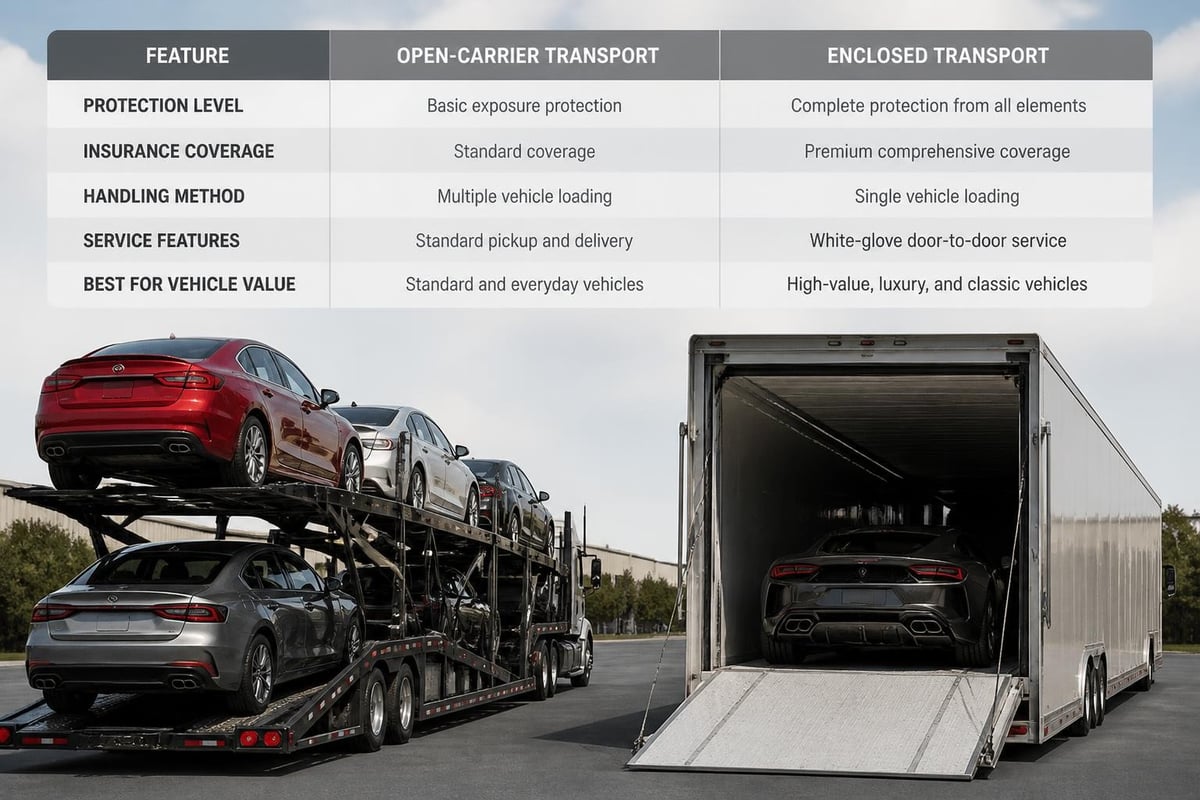
Premium auto transport represents the highest tier of vehicle shipping, distinguished by enclosed carriers, enhanced insurance, white-glove handling, and personalized service throughout the entire journey. Unlike standard open-carrier transport where vehicles are exposed to weather and road debris, premium services prioritize protection and minimize risk at every stage.
Key Features That Define Premium Service
The hallmarks of premium auto transport extend far beyond simply using an enclosed trailer. These services incorporate multiple protective elements designed to safeguard valuable vehicles:
- Enclosed carrier transportation with climate control options
- Soft-tie or wheel-lift loading systems that eliminate chains touching the vehicle
- Dedicated transport coordinators who provide personalized communication
- Enhanced insurance coverage often exceeding $1 million in protection
- GPS tracking systems offering real-time location updates
- White-glove pickup and delivery with thorough inspection documentation
Most premium providers also limit the number of vehicles per carrier, reducing handling frequency and potential contact points. Single-car enclosed trailers represent the ultimate in exclusive transport, though they command the highest premium.
Types of Vehicles Requiring Premium Transport
While any vehicle owner can opt for premium services, certain automobiles particularly benefit from this elevated level of care. Classic cars, exotic sports cars, luxury sedans, and collectible vehicles frequently justify the additional investment in premium auto transport.
According to Hagerty’s domestic shipping guidelines, enclosed transport becomes essential for vehicles valued above $100,000 or any collector car where maintaining pristine condition directly impacts market value. Vintage automobiles with irreplaceable original paint, limited-production supercars, and professionally restored classics all fall into this category.
Contemporary luxury vehicles also warrant premium services when owners want to ensure their new Mercedes-Benz, Porsche, or Tesla arrives in showroom condition. Companies like AutoPlex Transport specialize in matching vehicle value with appropriate transport methods, ensuring adequate protection regardless of make or model.
Cost Considerations for Premium Auto Transport
Understanding the financial investment required for premium auto transport helps owners budget appropriately and evaluate whether enhanced services justify the additional expense. Pricing varies significantly based on multiple factors, though general benchmarks provide useful guidance.
Price Ranges and Cost Drivers
Premium auto transport typically costs 40-60% more than standard open-carrier shipping for the same route. For reference, Kelley Blue Book’s shipping cost guide indicates that cross-country transport averages $1,200-$1,500 for open carriers, while enclosed premium services range from $1,800-$3,000 for similar distances.
Several variables influence final pricing:
- Distance and route complexity – longer hauls and remote areas increase costs
- Vehicle size and weight – larger vehicles require more carrier space
- Seasonal demand fluctuations – summer and end-of-year periods see price increases
- Delivery timeline requirements – expedited service commands significant premiums
- Additional services – door-to-door delivery, indoor storage, and special handling
| Service Level | Average Coast-to-Coast Cost | Insurance Coverage | Typical Transit Time |
|---|---|---|---|
| Standard Open | $1,200-$1,500 | $100,000 | 7-10 days |
| Enclosed Premium | $1,800-$2,400 | $500,000-$1M | 5-8 days |
| Single-Car Enclosed | $2,500-$4,000 | $1M+ | 3-7 days |
Evaluating Cost Versus Value
The premium paid for elevated transport services delivers tangible benefits that often justify the expense. Vehicle owners must weigh the replacement cost of potential damage against the incremental service fee.
For a $150,000 classic car, spending an additional $800 for enclosed transport represents just 0.5% of the vehicle's value while dramatically reducing exposure to road hazards, weather damage, and handling incidents. The enhanced insurance alone often covers the premium differential if a claim becomes necessary.
Beyond financial calculations, premium auto transport provides intangible benefits including reduced stress, professional expertise handling valuable vehicles, and the confidence that comes from knowing your investment receives appropriate care. These factors matter considerably when shipping irreplaceable or emotionally significant automobiles.
The Premium Transport Process
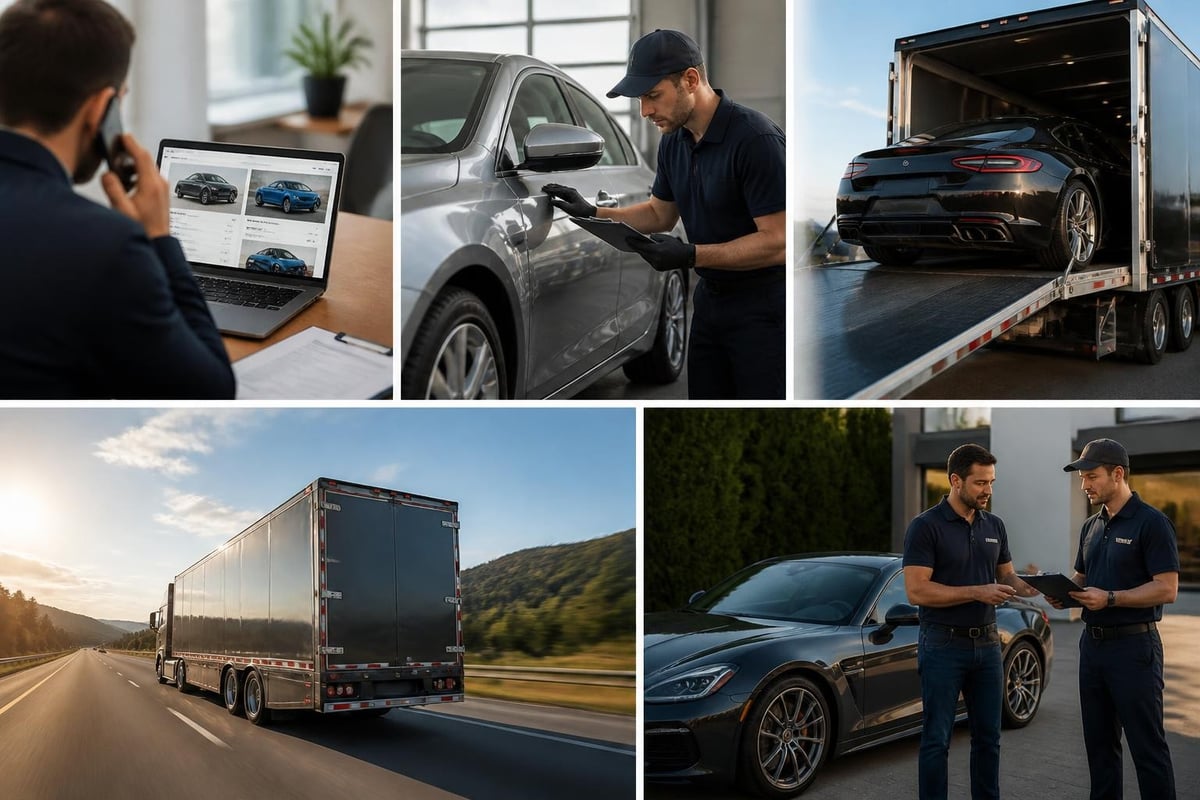
Premium auto transport follows a structured process designed to maximize protection and transparency throughout the shipping journey. Understanding each phase helps owners prepare appropriately and know what to expect.
Initial Consultation and Vehicle Assessment
The process begins with a detailed consultation where transport specialists evaluate your specific needs. Professional providers will ask about vehicle specifications, condition, modifications, and any special requirements.
During this phase, reputable companies assess:
- Current vehicle condition and any pre-existing damage
- Special handling needs for lowered suspensions or wide bodies
- Insurance requirements based on declared vehicle value
- Preferred pickup and delivery windows
- Specific route considerations or restrictions
This consultation establishes the foundation for appropriate service matching and accurate pricing. Premium providers invest time in understanding your vehicle rather than offering one-size-fits-all solutions.
Pre-Transport Preparation
Proper vehicle preparation ensures smooth loading and protects against preventable issues during transit. Premium transport companies typically provide detailed preparation checklists, but standard requirements include:
- Thorough exterior washing to facilitate accurate condition documentation
- Removing personal items from the interior (most carriers prohibit belongings)
- Documenting existing condition with photographs from multiple angles
- Checking fluid levels and ensuring mechanical soundness
- Disabling alarm systems to prevent battery drain during transport
- Reducing fuel levels to approximately one-quarter tank
For classic or modified vehicles, additional considerations may apply. Non-standard suspensions, aftermarket body kits, or delicate paint finishes require special notation and potentially customized loading procedures.
Loading, Transit, and Delivery
Premium carriers employ specialized loading techniques that minimize vehicle contact and stress. Soft straps, wheel lifts, and hydraulic lift gates replace traditional chain tie-downs that can scratch frames or suspension components.
During transit, enclosed trailers shield vehicles from weather, road debris, and prying eyes. Many premium services include GPS tracking that allows owners to monitor progress in real-time, providing transparency and peace of mind throughout the journey.
Upon arrival, professional drivers conduct another thorough inspection alongside the owner or designated recipient. Any discrepancies from the original condition report are documented immediately, streamlining potential insurance claims if damage occurred during transport.
Insurance and Protection Standards
Comprehensive insurance coverage represents a cornerstone of premium auto transport, providing financial protection and demonstrating a carrier's commitment to professional standards. Understanding coverage types and limits ensures adequate protection for your specific vehicle.
Coverage Types and Requirements
Federal regulations require all licensed auto transporters to maintain minimum cargo insurance, but premium services far exceed these baseline requirements. Standard minimum coverage often proves insufficient for high-value vehicles, making enhanced policies essential.
Premium carriers typically offer three insurance tiers:
| Coverage Type | Typical Limit | Best For |
|---|---|---|
| Standard Cargo | $100,000 | Vehicles under $50,000 |
| Enhanced Premium | $500,000-$1M | Luxury and performance vehicles |
| Supplemental High-Value | $1M-$5M | Exotic, classic, and rare collectibles |
Always request certificates of insurance directly from the carrier before shipping. Brokers may advertise high coverage limits, but only the actual carrier's policy applies during transit. FreightWaves’ analysis of luxury car shipping emphasizes verifying carrier insurance independently rather than relying on broker assurances.
Documentation and Claims Process
Detailed documentation protects both parties and streamlines resolution if damage occurs. Premium services excel in this area, providing comprehensive condition reports at pickup and delivery.
Best practices include:
- Photographing the vehicle from at least 12 angles before loading
- Noting existing scratches, dents, or imperfections on the bill of lading
- Reviewing the delivery condition report carefully before signing
- Documenting any new damage immediately with time-stamped photos
- Reporting claims within the carrier's specified timeframe (typically 24-48 hours)
Professional premium carriers maintain transparent claims processes and carry sufficient coverage to honor legitimate damage claims promptly. This accountability distinguishes reputable providers from budget operators who may dispute claims or lack adequate insurance.
Selecting a Premium Auto Transport Provider
Choosing the right premium auto transport company requires careful evaluation of credentials, reputation, and service capabilities. The marketplace includes both exceptional providers and unscrupulous operators, making due diligence essential.
Credentials and Verification
Legitimate auto transporters must maintain proper licensing and registration with federal and state authorities. The Federal Motor Carrier Safety Administration (FMCSA) regulates interstate vehicle transport, requiring carriers to obtain Motor Carrier (MC) numbers and Department of Transportation (DOT) numbers.
Verify these credentials through the FMCSA's online database before engaging any carrier. Recent federal regulatory updates have strengthened oversight of auto transporters, though enforcement remains inconsistent across jurisdictions.
Additionally, confirm:
- Active USDOT and MC numbers with clean safety records
- Valid insurance certificates naming the specific carrier
- State-level business licenses and registrations
- Industry association memberships (though not required, these suggest professionalism)
- Established business addresses and verifiable contact information
Reputation and Track Record
Premium auto transport represents a significant investment, making provider reputation critically important. Researching customer experiences helps identify consistently reliable companies versus those with spotty service records.
Evaluation methods include:
- Reading detailed reviews on independent platforms beyond company websites
- Checking Better Business Bureau ratings and complaint histories
- Requesting references for similar vehicle types and routes
- Verifying years in business and specialization in premium transport
- Assessing responsiveness and professionalism during initial consultations
Regional expertise also matters considerably. Companies familiar with specific routes often navigate logistics more efficiently than generalist providers. For example, carriers specializing in New York County transport or Monroe County services understand local regulations and optimal pickup locations for those markets.
Red Flags and Scam Prevention
The auto transport industry unfortunately attracts fraudulent operators who collect deposits then disappear or deliver vehicles to unlicensed carriers. Kiplinger’s investigation of shipping scams identified several warning signs that indicate potential fraud:
- Requiring large upfront deposits before pickup (legitimate carriers typically collect payment at delivery)
- Refusing to provide verifiable USDOT and MC numbers
- Offering quotes significantly below market rates
- Pressuring immediate commitment without allowing time for research
- Operating exclusively through cash or wire transfer payments
- Lacking physical business addresses or using only P.O. boxes
Premium auto transport services from established companies operate transparently with clear terms, verifiable credentials, and professional communication throughout the process. When something feels questionable, trust your instincts and continue researching alternatives.
Specialized Premium Services
Beyond standard enclosed transport, premium providers offer specialized services tailored to unique vehicle types and shipping scenarios. These options address specific needs that arise when transporting particularly valuable or unusual automobiles.
Exotic and Supercar Transport
Exotic vehicles including Ferraris, Lamborghinis, McLarens, and Bugattis require specialized handling due to low ground clearance, wide bodies, and extreme value. Premium exotic car transport incorporates customized loading ramps, hydraulic lift systems, and single-car enclosed trailers that eliminate any risk of contact with other vehicles.
These services often include:
- Climate-controlled trailers maintaining stable temperature and humidity
- Air-ride suspension systems minimizing vibration during transit
- Covered pickup and delivery in enclosed facilities when available
- Specialized loading equipment for extremely low vehicles
- Additional insurance riders covering multi-million dollar valuations
Classic and Collector Vehicle Shipping
Classic automobiles present unique challenges including irreplaceable original components, delicate finishes, and mechanical systems requiring special care. Premium classic car transport emphasizes preservation above all else, recognizing that these vehicles represent irreplaceable automotive history.
Specialized considerations include:
- Soft-strap loading systems that avoid contact with frames or suspension points
- Enclosed trailers with secure anchoring preventing any movement during transit
- Temperature monitoring for vehicles with sensitive paint or interior materials
- Expertise handling non-operational vehicles or those requiring winch loading
- Understanding of classic car communities and collector-specific requirements
Professional transporters with classic car expertise understand how to properly secure drum brakes, protect chrome bumpers, and avoid stressing original suspension components during loading and unloading procedures.
Motorcycle and Multi-Vehicle Shipments
Premium transport extends beyond four-wheeled vehicles to include high-end motorcycles and multi-vehicle shipments for collectors maintaining extensive automotive portfolios. Enclosed motorcycle transport uses specialized wheel chocks and soft-tie systems designed specifically for two-wheeled vehicles.
Multi-vehicle shipments require precise logistics coordination and often utilize dedicated trailers to keep an owner's entire collection together throughout transit. This approach proves particularly valuable when relocating between residences or transporting vehicles to and from events, auctions, or restoration facilities.
Regional Considerations and Route Planning
Geographic factors significantly influence premium auto transport logistics, with certain routes and regions presenting unique challenges or opportunities. Understanding these considerations helps set realistic expectations and may influence pickup or delivery scheduling.
East Coast Premium Transport
The northeastern United States maintains robust premium transport infrastructure due to high concentrations of luxury vehicles, classic car collectors, and affluent communities. Routes serving Queens County, Bronx County, and surrounding areas benefit from frequent carrier availability and competitive pricing.
However, urban congestion and strict parking regulations in metropolitan areas can complicate pickup and delivery logistics. Premium providers with regional expertise navigate these challenges through established relationships with parking facilities, precise timing coordination, and knowledge of accessible loading zones.
Cross-Country Premium Routes
Transcontinental premium auto transport represents the most common long-distance scenario, typically connecting automotive hubs on opposite coasts. These routes benefit from established carrier networks and predictable transit times, though weather considerations affect scheduling during winter months.
Premium carriers plan routes strategically to:
- Avoid extreme weather patterns that could delay delivery
- Minimize total transit time through efficient corridor selection
- Coordinate driver schedules ensuring adequate rest compliance
- Identify suitable overnight secure storage facilities
- Account for regional regulations affecting oversize vehicle transport
Rural and Remote Delivery Challenges
Premium auto transport to rural locations or remote areas often requires modified logistics and may incur additional fees. Large enclosed trailers struggle to navigate narrow country roads or access properties with limited clearance, sometimes necessitating transfer to smaller vehicles for final delivery.
When shipping to or from remote areas:
- Communicate specific address limitations during initial consultation
- Provide detailed directions and photographs of access routes when requested
- Consider meeting carriers at accessible locations near your address
- Allow extended delivery windows accounting for challenging logistics
- Confirm whether the quoted price includes door-to-door service or terminal delivery
Preparing for Seasonal Demand
Auto transport demand fluctuates significantly throughout the year, with peak seasons commanding premium pricing and requiring advanced booking to secure preferred dates. Understanding these patterns helps owners plan shipments strategically.
Peak Season Considerations
Summer months (May through September) represent peak auto transport season due to favorable weather, vacation relocations, and vehicle show schedules. Snowbird migrations between northern and southern states create additional demand spikes in spring and fall as seasonal residents relocate.
During peak periods:
- Book premium transport services 3-4 weeks in advance minimum
- Expect prices to increase 20-30% above off-season rates
- Allow flexible pickup windows to accommodate carrier schedules
- Confirm reservations in writing with detailed service agreements
- Maintain communication with transport coordinators regarding timing
Off-Season Opportunities
Winter months, particularly January through March, offer opportunities for reduced pricing and increased carrier availability, especially for routes avoiding northern snow zones. However, weather unpredictability can affect transit times and potentially expose vehicles to harsh conditions even in enclosed trailers.
Consumer Reports’ comprehensive shipping guide recommends weighing cost savings against potential weather delays when scheduling winter transport for premium vehicles.

Door-to-Door Versus Terminal Services
Premium auto transport typically includes door-to-door service, though understanding the distinction between delivery methods helps owners make informed choices based on specific circumstances.
Door-to-Door Premium Service
Door-to-door delivery represents the most convenient option, with carriers picking up vehicles from your specified address and delivering directly to the destination location. This approach minimizes handling, eliminates the need for secondary transportation, and provides maximum convenience.
However, door-to-door service requires:
- Adequate street clearance for large enclosed trailers (often 13-14 feet tall)
- Parking availability near pickup and delivery addresses
- Accessible routes without low-hanging obstacles or narrow passages
- Compliance with local parking and commercial vehicle regulations
Premium providers assess access feasibility during initial consultation, sometimes recommending nearby meeting locations when property access proves impractical for full-size enclosed carriers.
Terminal and Hub Services
Terminal services require owners to deliver vehicles to central shipping facilities and pick them up from destination terminals. While less convenient, this approach can reduce costs and provides reliable access points where trailer size never creates complications.
Hybrid approaches also exist, with premium carriers offering terminal pickup but door delivery, or vice versa, depending on address accessibility and owner preferences. Companies serving areas like Albany County or Broome County often maintain relationships with secure storage facilities that can accommodate terminal services when needed.
Communication and Customer Service Excellence
Superior customer service distinguishes premium auto transport providers from standard carriers, with communication quality often predicting overall service satisfaction. Professional companies maintain proactive contact throughout the shipping process.
Expectations for Premium Communication
Premium service includes designated transport coordinators who serve as single points of contact from initial quote through final delivery. These specialists should provide:
- Detailed explanations of the transport process and realistic timelines
- Prompt responses to inquiries during business hours
- Proactive updates at key milestones (carrier assignment, pickup, transit, delivery)
- Direct contact information for assigned drivers when appropriate
- Transparent discussion of any delays or complications that arise
Technology Integration
Modern premium carriers leverage technology to enhance transparency and communication efficiency. GPS tracking systems allow owners to monitor vehicle location in real-time, while automated notification systems provide status updates via text or email.
Advanced providers offer customer portals where owners can:
- Access digital copies of condition reports and documentation
- View real-time tracking maps showing current vehicle location
- Communicate directly with coordinators through integrated messaging
- Review insurance certificates and carrier credentials
- Complete satisfaction surveys following delivery
These technological enhancements distinguish forward-thinking premium providers from traditional operators relying solely on phone communication and paper documentation.
Premium auto transport delivers unmatched protection, specialized handling, and peace of mind for owners shipping valuable vehicles across the country. By understanding service features, evaluating providers carefully, and preparing appropriately, you ensure your automobile receives the care and security it deserves during transit. When you need reliable premium auto transport services with comprehensive coverage and professional expertise, AutoPlex Transport offers the specialized solutions and personalized attention your valuable vehicle requires from pickup through final delivery.
