
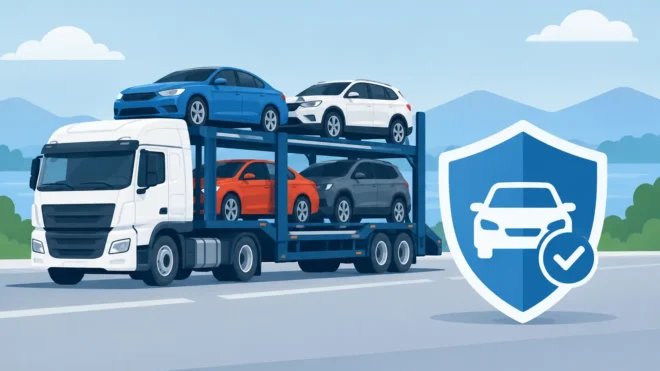
A cross-country move, an online vehicle purchase, or a seasonal relocation can put one question at the top of the checklist: does auto shipping include insurance? In most cases, the carrier provides cargo insurance coverage for damage caused during transport. But that does not mean every situation, every vehicle condition, or every personal item inside the car is automatically covered.
The right answer depends on the carrier’s policy, the vehicle’s documented condition at pickup, and the details of the damage claim. Knowing what to ask before your vehicle is loaded helps you ship with clearer expectations and fewer surprises.
Does Auto Shipping Include Insurance Coverage?
Professional auto carriers typically carry cargo insurance designed to cover vehicles while they are in their care, custody, and control. If a carrier causes covered damage during transit, that policy may pay for repairs up to the applicable coverage limit.
Cargo coverage is not the same as the personal auto insurance policy you maintain for driving your vehicle. It is also not a blanket promise that every mark found at delivery will be paid without review. The carrier and its insurer will usually look at the inspection records, the nature of the damage, policy terms, and when the issue was reported.
Before booking, ask for confirmation that the assigned carrier is properly insured and ask about its cargo coverage limit. This is especially important when shipping a classic car, luxury vehicle, lifted truck, exotic vehicle, or any vehicle with a value that may exceed a standard policy limit.
At AutoPlex Transport, the goal is to help customers understand the service arrangement before pickup so there is no confusion about the protection process during a move.
What Carrier Cargo Insurance Usually Covers
Carrier cargo insurance is generally intended for direct physical damage that occurs while the vehicle is being transported. Examples can include damage from a transport-related accident, loading or unloading incident, or another covered event while the vehicle is on the carrier’s equipment.
Coverage often applies to the vehicle itself and its permanently attached parts. That can include body panels, glass, factory-installed equipment, wheels, and other components that are part of the vehicle at the time of inspection.
The inspection is central to the process. At pickup, the driver completes a vehicle condition report, often called a bill of lading. Existing scratches, dents, chips, and other visible conditions should be noted before the vehicle is loaded. At delivery, you and the driver compare the vehicle to that original report.
If new damage is present, point it out before signing the final paperwork. Take clear photos and make sure the condition is documented on the delivery inspection report. This creates the record needed to begin a claim if a covered issue occurred in transit.
What May Not Be Covered
A carrier’s cargo policy has limits and exclusions. Reading the terms and asking direct questions is the best way to avoid assumptions.
Normal road grime, dust, and weather exposure are usually not treated as damage. Open carriers are an efficient, dependable choice for most standard vehicles, but they travel on public highways and are exposed to the same outdoor environment as other traffic. Enclosed transport provides additional protection from weather and road debris, which can be a smart choice for collectors, premium vehicles, and vehicles with sensitive finishes.
Mechanical problems are another common area of confusion. Cargo insurance typically does not cover a vehicle that fails to start, has a dead battery, leaks fluids, overheats, or develops a mechanical issue unrelated to carrier negligence. If your vehicle is inoperable, disclose that before booking so the right equipment and loading plan can be arranged.
Personal belongings inside the vehicle may also be excluded. Most carriers do not insure household goods, electronics, tools, clothing, documents, or other personal property left in the car. Extra items can create weight, safety, and compliance concerns as well. Remove valuables and important documents before pickup whenever possible.
Other exclusions can vary by policy. Pre-existing damage, loose aftermarket accessories, unsecured parts, and damage resulting from undisclosed vehicle modifications may not be covered. A roof rack, spoiler, removable antenna, custom ground effects kit, or lowered suspension should be discussed before transport so the carrier can plan accordingly.
Your Personal Auto Policy May Still Matter
Your own auto insurance may provide protection while the vehicle is being shipped, depending on your insurer and the coverage you carry. Comprehensive coverage, for example, may help in certain situations outside the carrier’s responsibility. But policy language differs, so it is worth calling your insurance provider before transport rather than relying on a general assumption.
Ask whether your coverage remains active during commercial auto transport, whether there is a deductible, and whether there are special requirements for filing a claim. If damage is clearly tied to the carrier, the carrier’s cargo policy is generally the first place to look. Your personal insurer can still help explain your options when circumstances are unclear.
For high-value vehicles, ask whether the carrier’s cargo limit is sufficient for the declared value of the vehicle. If it is not, consider enclosed shipping and speak with your personal insurer about additional protection. The lowest shipping quote is not always the best fit when the vehicle requires a higher level of care.
How to Protect Your Vehicle Before Pickup
Insurance is only one part of a worry-free shipping plan. Good preparation gives you stronger documentation and makes pickup faster for everyone involved.
Start by washing the exterior or making sure the vehicle is clean enough for existing marks to be visible. Take date-stamped photos from every angle, including close-ups of wheels, bumpers, mirrors, roofline, windshield, and any areas with prior damage. Keep these photos until after delivery and final inspection.
Remove personal items, toll tags, parking passes, and loose accessories. Fold in or remove detachable antennas when appropriate. Keep the fuel level at roughly one-quarter tank, confirm the battery is charged, and check tire pressure. If there are special starting instructions, alarm settings, leaks, clearance concerns, or operational issues, tell the transport coordinator and driver in advance.
At pickup, do not rush through the bill of lading. Walk around the vehicle with the driver and verify that the noted condition is accurate. A few careful minutes at this stage can prevent a difficult conversation later.
What to Do If You Notice Damage at Delivery
Inspect your vehicle before the driver leaves. This is the most important moment for identifying a potential transit-related issue. Look over the exterior in good lighting when possible, check mirrors and glass, and compare the vehicle against the pickup inspection report and your own photos.
If you see new damage, document it immediately. Take wide photos that show the full area of the vehicle, then close photos of the specific issue. Note the damage on the delivery bill of lading before signing, and keep a copy of all paperwork. Contact your transport coordinator promptly to report the issue and ask for the claims process.
Avoid agreeing verbally that you will “handle it later” without written documentation. A claim is easier to evaluate when the delivery record clearly shows that the concern was identified at the time of handoff.
Questions to Ask Before You Book
A reliable transport experience starts with clear answers. Ask whether the assigned carrier has active cargo insurance, what the coverage limit is, and whether there is a deductible that may affect a claim. Confirm whether your vehicle type or value requires enclosed transport or any special handling.
You should also ask how pre-existing damage is documented, what personal items are allowed inside the vehicle, and whom to contact if there is a concern at delivery. A professional transport advisor should be prepared to explain the process in plain language rather than leave you guessing.
Shipping a vehicle should remove the burden of a long drive, not replace it with uncertainty. Choose the service level that fits your vehicle, document its condition carefully, and get the insurance details confirmed before pickup. That preparation lets you hand over the keys with greater confidence and focus on where your vehicle needs to go next.
