Did you know that 93% of all vehicles shipped across the United States travel via open carrier car transport? While it’s the industry standard, it’s natural to feel some anxiety about road debris or the weather. You want to secure the best possible rate, but you also need to know that your car will arrive at its destination in the same condition it left. Dealing with the confusion of brokers versus carriers and the fear of hidden costs can make the process feel more complicated than it needs to be.
We’re here to act as your reliable partner and simplify these logistical hurdles. This guide will explain why open carrier car transport remains the most dependable, cost-effective choice for nationwide shipping in 2026. You’ll learn how to navigate insurance coverage, avoid common pricing traps, and prepare for a seamless door-to-door delivery. We’ll provide a methodical breakdown of the entire process so you can ship your vehicle with total confidence and peace of mind. By understanding the latest safety protocols and industry regulations, you can ensure your car is handled with the professional care it deserves.
Key Takeaways
- Understand why open carrier car transport is the preferred choice for most shipments and why it’s the standard for major manufacturers.
- Learn about the engineering that protects your vehicle, including why modern wheel straps are safer than traditional frame chains.
- Compare the cost and availability benefits of open trailers to help you determine the most efficient method for your timeline.
- Discover the essential steps for pre-shipment preparation, including how a clean exterior ensures an accurate condition report.
- Explore how a methodical vetting process and door-to-door logistics provide a secure and transparent shipping experience.
What is Open Carrier Car Transport? Defining the Industry Standard
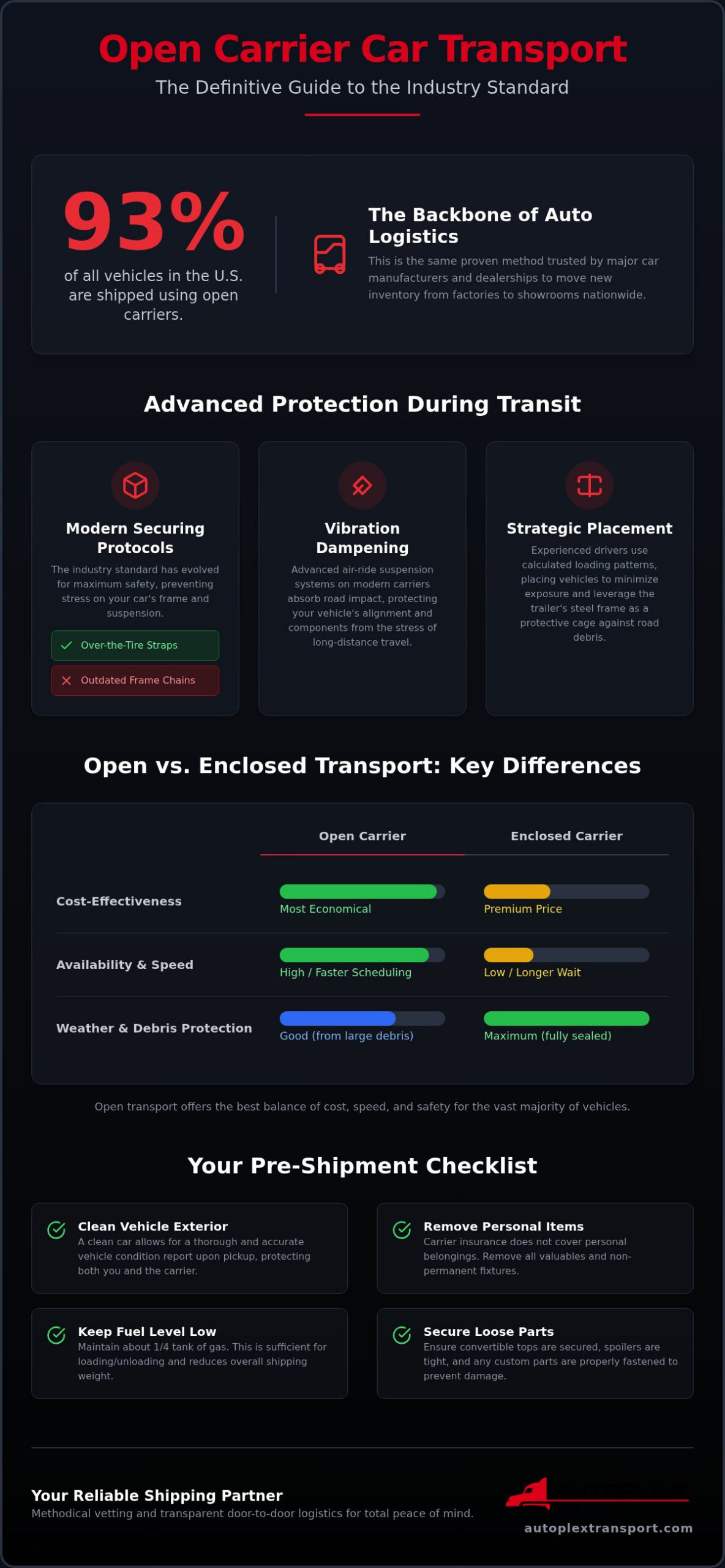
Open carrier car transport is the most common method of vehicle shipping in the United States. It involves securing vehicles onto a specialized trailer that lacks a roof or walls, leaving the cars exposed to the air. While this might sound concerning to first-time shippers, it’s the same method that manufacturers and dealerships use to move new inventory from factories to showrooms. In 2026, approximately 93% of all vehicle shipments utilize this method because of its proven track record and logistical efficiency.
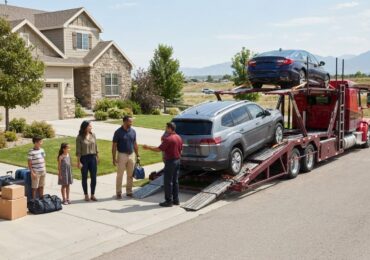
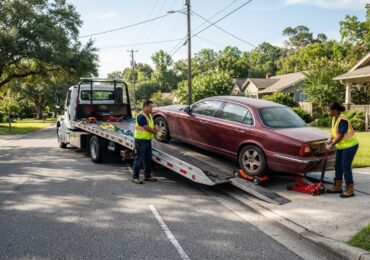
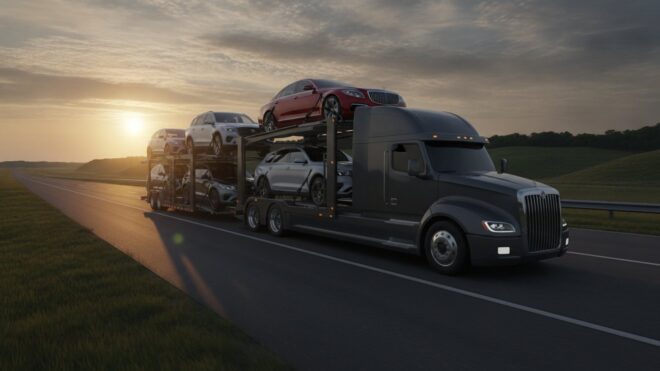
There are two primary types of equipment used in this field. Single-car flatbeds are often seen for short-distance towing or local deliveries. However, for long-distance interstate travel, the industry relies on multi-car double-decker trailers. These massive rigs are designed to maximize space and safety, allowing carriers to move multiple assets simultaneously while maintaining strict safety standards.
The Logistics of Multi-Car Carriers
The efficiency of a multi-car carrier comes from its ability to optimize routes. By grouping several vehicles traveling in the same general direction, carriers can reduce the number of stops and lower the total travel time. This process involves a complex loading sequence where vehicles are placed on either the top deck or the bottom deck. The top deck is often preferred for its distance from road debris, while the bottom deck offers slightly faster loading and unloading. Because these Open and Enclosed Car Carriers operate on high-frequency routes, scheduling a pickup is usually much faster than with more specialized equipment.
Why It Remains the Most Popular Choice
The primary reason for the dominance of this method is the balance between high availability and nationwide accessibility. Since there are significantly more open trailers on the road than enclosed ones, you’re more likely to find a carrier ready to move your car on your preferred dates. This high volume also helps manage costs. When fuel and labor expenses are shared across 7 to 10 vehicles, the price per vehicle becomes much more manageable for the average consumer. When comparing open transport car shipping to other methods, the logistical advantages are clear. It’s a practical, reliable, and deeply vetted system that serves as the backbone of the American automotive supply chain.
How Open Transport Trailers Protect Your Vehicle During Transit
A common misconception about open carrier car transport is that vehicles are simply “sitting” on a trailer without any protection. In reality, modern car carriers are pieces of precision engineering designed specifically to mitigate the risks of the road. These trailers utilize advanced vibration dampening systems, often featuring air-ride suspension, to ensure that the vehicles remain stable. This technology absorbs the impact of uneven road surfaces, protecting your car’s alignment and suspension from the constant jarring that would otherwise occur during a long-haul trip.
The expertise of the driver is equally vital to the safety of the cargo. Loading a multi-deck trailer is a methodical process that requires specialized training in weight distribution and clearance management. Drivers must account for the height and width of each vehicle to ensure they are positioned safely within the trailer’s steel skeleton. This structural frame provides a “shielding” effect, acting as a cage that deflects larger debris and branches away from the vehicles inside.
Securing Protocols and Tie-Down Methods
The industry has largely moved away from using traditional frame chains, which can put undue stress on a vehicle’s chassis. Professional carriers now prefer “over-the-tire” straps that secure the vehicle by its wheels. This method allows the car’s own suspension to work naturally during transit without being compressed or strained. To ensure maximum stability, carriers must adhere to a strict four-point tie-down requirement for all national transit. Our drivers maintain a rigorous inspection schedule, manually checking the tension of every strap during rest stops and fuel refills to ensure nothing has shifted.
Placement Strategy for Maximum Protection
Strategic placement is another layer of security that experienced logistics professionals use. Drivers often place “daily drivers” in specific zones of the trailer where they are most shielded by the surrounding structural beams and other vehicles. This loading pattern isn’t random; it’s a calculated effort to minimize exposure to wind and road spray. A fully loaded carrier is also more aerodynamic than an empty one, as the vehicles are positioned to channel airflow efficiently around the rig. This focus on physics and planning is a core part of any comprehensive guide to shipping a car.
If you value this level of detail and want to ensure your vehicle is handled by experts who understand the nuances of trailer physics, you can consult with the team at AutoPlex Transport for your next move. Our commitment to using the latest securing technology and experienced drivers ensures that your vehicle receives the highest level of care throughout its journey.
Open vs. Enclosed Transport: Making an Informed Decision
Choosing between transport methods often comes down to a methodical balance of your budget and the specific requirements of your vehicle. While open carrier car transport is the standard for the vast majority of shipments, enclosed options provide an extra layer of security for specific scenarios. Understanding the value-to-risk ratio is the first step in making a confident choice for your vehicle’s journey.
Cost is usually the primary factor owners consider during their research. Open transport typically saves between 30% and 50% compared to enclosed shipping. This price gap exists because open carriers are significantly more common on American highways. In fact, there are roughly ten times more open trailers operating on major interstate routes than enclosed ones. This high availability means you won’t just save money; you’ll likely secure a pickup date much faster because there’s almost always a carrier nearby.
The Price Efficiency Analysis
The cost effectiveness of an open trailer is driven by shared logistics. When fuel and labor costs are distributed across seven to ten vehicles, the individual price per car drops significantly. Conversely, enclosed car transport carries a premium because it requires specialized equipment like hydraulic lift gates and hard-sided trailers that carry fewer vehicles. When you request car shipping quotes, these equipment factors are the main reason for the price variance. Before booking any service, we recommend verifying the carrier’s safety record through the FMCSA SAFER System to ensure they meet federal compliance standards.
Determining Your Vehicle’s Shipping Needs
We often suggest the “Daily Driver Rule” to help customers decide. If you drive your car to work, park it in a driveway, or take it on the highway regularly, it’s already exposed to the elements every day. In these cases, open carrier car transport is perfectly sufficient and highly safe. The structure of the trailer itself deflects the majority of road debris, leaving only a small statistical chance of minor dust or rain reaching the car.
However, there are times when an upgrade is the logical choice. If your vehicle has a custom high-end paint job, extremely low ground clearance, or is a delicate antique, the added protection of a climate-controlled environment is worth the investment. This is why classic car transport often defaults to enclosed trailers to preserve the resale value and pristine condition of rare assets. For most standard sedans, SUVs, and trucks, the open deck remains the most practical and efficient solution available.
Preparing Your Vehicle for Nationwide Open Carrier Shipping
Proper preparation is the most effective way to ensure your vehicle arrives safely and without dispute. Since open carrier car transport involves exposing the vehicle to the air, starting with a clean exterior is actually a logistical requirement rather than a suggestion. A layer of dust or road grime can easily hide minor scratches or dings, making it difficult for the driver to document the vehicle’s true condition during the initial inspection. By presenting a clean car, you ensure that the baseline condition is established with total clarity, protecting both you and the carrier.
Beyond cleaning, you should remove all personal items and aftermarket accessories. The Department of Transportation (DOT) strictly prohibits the transport of household goods inside a vehicle being shipped; these items are not covered by the carrier’s insurance and can cause internal damage if they shift during transit. This includes removing toll tags, external bike racks, and non-permanent spoilers. Finally, perform a quick mechanical check to confirm that the battery is charged, tires are properly inflated, and there are no active fluid leaks. The vehicle must be in reliable working order to be safely driven up the loading ramps.
The Exterior Inspection and Documentation
Once the car is clean, take high-quality, time-stamped photos of every panel from multiple angles. Focus on high-wear areas like the front bumper and rocker panels, and take close-ups of any existing damage. These photos serve as your personal record, but the official document is the Bill of Lading (BOL). The Bill of Lading acts as your insurance baseline and the definitive record of the vehicle’s state at the moment of exchange. In 2026, most professional carriers use digital BOL systems that allow you to review and sign the inspection report on a tablet, ensuring that every pre-existing mark is noted before the trailer leaves your sight.
Final Logistics and Pickup Readiness
Preparing for door-to-door transportation requires a bit of local planning. Large multi-car carriers are nearly 80 feet long and require significant clearance to maneuver. If you live in a gated community or a narrow residential street, you might need to meet the driver at a nearby parking lot with more space. We also enforce the “1/4 tank of fuel” rule; this provides enough power for the driver to load and unload the vehicle while keeping the overall weight of the trailer within federal limits. When the driver arrives, expect a methodical walk-around where you will both verify the condition of the car together. This transparency is the foundation of a successful delivery.
If you’re ready to start your journey with a partner who prioritizes this level of detail, you can get started with AutoPlex Transport today for a professional and transparent shipping experience.
Why AutoPlex Transport is the Reliable Choice for Open Carrier Services
Choosing the right provider for open carrier car transport requires more than just looking for the lowest price. It’s about finding a partner that understands the complexities of national logistics and prioritizes the safety of your asset. At AutoPlex Transport, we’ve built our reputation on a methodical, expert approach that removes the anxiety from vehicle shipping. We don’t just move cars; we manage a comprehensive network of vetted professionals to ensure every delivery is handled with care and precision.
The AutoPlex National Logistics Network
Our commitment to reliability starts with a rigorous vetting process. We only partner with the highest-rated carriers who meet our strict safety and insurance standards. This ensures that your vehicle is always in the hands of a seasoned professional who understands the specific requirements of multi-deck trailers. Once your vehicle is in transit, we prioritize open communication. You’ll receive real-time updates so you always know the status of your shipment. This level of transparency provides peace of mind, knowing that a stable and experienced team is managing your transport from start to finish.
Our nationwide reach is another significant advantage for our clients. Because we maintain a high-density network of carriers on major interstate routes, we can offer shorter wait times and more reliable scheduling than smaller providers. This efficiency doesn’t come at the expense of safety. Each carrier in our network is verified for compliance with the latest 2026 regulations, ensuring that your door-to-door delivery is as seamless as possible.
Getting Started with Your Open Transport Quote
Transparency is the foundation of our pricing model. When you request a vehicle shipping quote, we provide a clear breakdown of the costs involved without any hidden fees. To get the most accurate rate, it’s helpful to provide specific details about your vehicle’s make, model, and any modifications, along with your preferred pickup and delivery dates. This allows us to match you with the most efficient route and carrier for your specific needs.
After you book your service, our team takes over the logistical heavy lifting. We coordinate the dispatch, confirm the pickup window, and oversee the entire process through to the final delivery. You’ll be supported by a guide who has handled every possible scenario, projecting an image of practicality and experience. If you’re ready to experience a stress-free move, you can Get your instant open carrier transport quote from AutoPlex Transport today! Our team is ready to show you why we’re the trusted choice for nationwide vehicle shipping.
Securing a Smooth Move for Your Vehicle
Choosing the right shipping method doesn’t have to be a source of stress. By understanding the logistics behind open carrier car transport, you’ve taken the first step toward a successful nationwide move. You now know that this method isn’t just the most affordable option; it’s a highly optimized system trusted by manufacturers across the country. The combination of advanced tie-down technology and methodical preparation ensures your vehicle is protected throughout its journey. Whether you’re relocating for work or purchasing a car online, these logistical standards provide a reliable framework for your vehicle’s safety.
As an A+ Rated National Logistics Provider, AutoPlex Transport is committed to making your experience as transparent as possible. We provide full cargo insurance coverage included with every shipment, giving you the security you need while your asset is in our care. Our no-hassle door-to-door delivery service means you can focus on your move while we handle the complex logistics of the road. If you’re ready to partner with an industry expert, you can Get a Reliable Open Carrier Quote from AutoPlex Transport today. We look forward to delivering your vehicle safely and on schedule.
Frequently Asked Questions
Is my car insured while on an open carrier trailer?
Yes, your vehicle is fully insured during transit. Every legitimate provider must carry cargo insurance to protect against potential damage during the loading, transport, and unloading phases. At AutoPlex Transport, we include comprehensive cargo insurance as part of our standard service fees. This coverage provides a vital layer of security for your asset from the moment it is loaded onto the open carrier car transport trailer until it is safely delivered.
Will my car get dirty during open transport car shipping?
Yes, your vehicle will likely accumulate some road dust or rain during the journey. Since the trailer is open to the elements, it is exposed to the same environmental conditions you would encounter while driving on the highway. While the structure of the carrier deflects larger debris, factors like dust or moisture are normal. We recommend a thorough wash after delivery to restore your vehicle’s shine and inspect the exterior finish clearly.
How long does it take to ship a car across the country on an open carrier?
Transit times vary based on the total distance and the specific route requirements. Generally, a cross-country trip of over 2,000 miles takes between 7 and 10 days on an open carrier. Shorter distances under 500 miles can often be completed in 1 to 2 days. These timelines account for mandatory driver rest periods and the logistical stops required to deliver other vehicles on the multi-car trailer, ensuring a steady pace.
Can I leave personal belongings in my car during open transport?
No, you should not leave personal items in your vehicle. The Department of Transportation (DOT) prohibits the transport of household goods inside a vehicle being shipped via car carrier. Additionally, any items left inside are not covered by the carrier’s cargo insurance. Removing all personal belongings, including toll tags and loose accessories, helps prevent theft and ensures that the vehicle stays within federal weight limits during its nationwide journey.
What is the difference between an open carrier and a flatbed truck?
The primary difference lies in capacity and intended distance. An open carrier is typically a large, double-decker trailer designed to transport seven to ten vehicles over long distances. A flatbed truck is usually a single-car platform used for local towing or short-distance deliveries. While both methods leave the vehicle exposed, the multi-car open carrier is the industry standard for cost-effective nationwide logistics and interstate vehicle transportation.
Is door-to-door service always included with open transport?
Yes, door-to-door service is a primary offering at AutoPlex Transport. We strive to pick up and deliver your vehicle as close to your specified addresses as possible. However, large trailers require significant room to maneuver safely. If your street is too narrow or has low-hanging trees, the driver may request to meet you at a nearby parking lot with more space. This ensures the safety of your vehicle and the equipment.
What happens if my car is damaged by road debris during transit?
While damage from road debris is statistically rare due to the shielding effect of the trailer frame, it is handled through a methodical insurance claim process. If you notice new damage upon delivery, you must document it immediately on the Bill of Lading (BOL). This document acts as the definitive record of the car’s condition. Having clear photos from the pickup is essential for a smooth claim process with the insurance provider.
How do I pay for my open carrier car transport service?
Paying for your open carrier car transport service is a straightforward and transparent process. Your initial quote includes all logistics, insurance, and movement fees. Typically, a deposit is required to secure your spot on a carrier, with the remaining balance paid via a secure method during the transport process. We prioritize clear financial transactions and provide detailed receipts so you always have a professional record of your shipping expenses.