Did you know that approximately 90% of all vehicles moved across the United States in 2026 travel via open transport car shipping? While this method is the industry standard, it’s natural to feel a sense of hesitation when you’re handing over your keys. You might worry about road debris causing cosmetic damage or feel overwhelmed by the complexities of insurance limits and changing carrier regulations. We understand that your vehicle is a significant investment that requires a steady, experienced hand to manage.
We agree that the logistics of interstate moving can feel daunting, especially with recent federal shifts like the transition to USDOT identifiers. This guide is designed to replace that anxiety with total confidence by helping you master the safety protocols and logistical factors involved in modern transport. You’ll learn exactly how to evaluate the safety-to-cost ratio for your specific needs, follow a professional checklist for vehicle preparation, and navigate the carrier selection process with the expertise of an industry veteran.
Key Takeaways
- Understand how open transport car shipping serves as the backbone of the logistics industry by utilizing engineered multi-vehicle trailers to move cars efficiently across state lines.
- Discover why the high volume of open carriers on the road translates into superior scheduling flexibility and significant cost savings compared to specialized transport options.
- Learn about the advanced safety protocols used by professional carriers, including specialized soft-tie down systems designed to secure your vehicle without risking structural damage.
- Clarify the realities of door-to-door service, including how to manage logistical constraints like commercial truck restrictions in residential neighborhoods.
- Gain peace of mind by understanding the criteria for selecting a reliable partner who offers transparent pricing and a network of thoroughly vetted carriers.
What is Open Transport Car Shipping? Understanding the Industry Standard
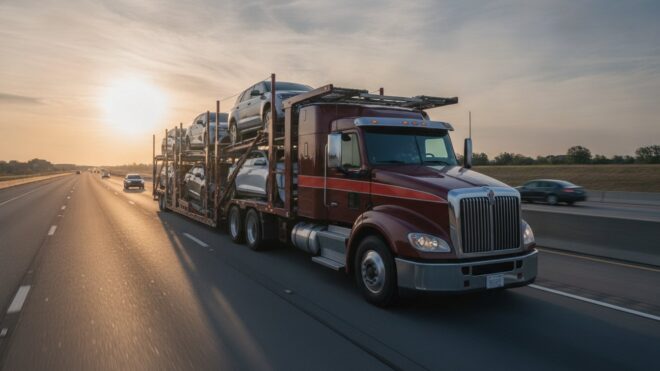
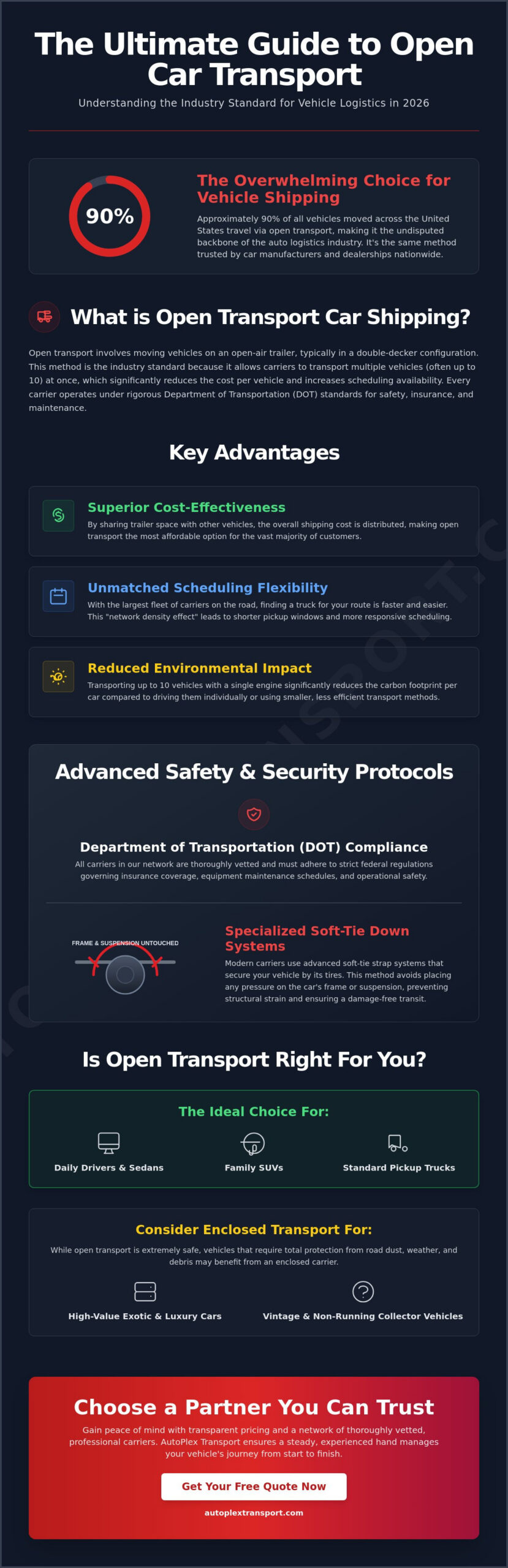
Open transport car shipping is the most prevalent method of moving vehicles across the United States. It involves an open-air trailer designed to carry multiple cars simultaneously. You’ve likely seen these large rigs on the interstate; they represent the industry standard for efficiency and volume. Because these trailers can accommodate several vehicles at once, the cost per unit is significantly lower than other specialized methods. This logistical advantage is why approximately 90% of all vehicles in the country are transported using this approach.
To ensure your vehicle’s safety, the Department of Transportation (DOT) enforces rigorous standards for these carriers. Every operator must adhere to specific weight limits, maintenance schedules, and insurance requirements. This regulatory oversight provides a foundational layer of protection for every shipment, ensuring that the equipment on the road is both functional and safe. When you choose this service, you’re tapping into a massive, highly regulated network that moves millions of cars every year with a proven track record of success.
The Mechanics of an Open Car Carrier
The engineering behind open car carrier trailers is sophisticated and highly specialized. Most long-haul carriers utilize a double-decker design that maximizes space through a system of hydraulic ramps. These ramps allow the driver to adjust the height and angle of each platform, which ensures that vehicles with different ground clearances are loaded securely and efficiently. While double-deckers are the workhorses of the industry, single-deck “flatbed” carriers are often used for shorter distances or smaller loads. Safety remains a priority even during night transit; these trailers are equipped with specialized lighting and reflective safety markings to remain visible to other motorists on the highway.
Who Should Choose Open Carrier Shipping?
This method is the ideal choice for the vast majority of vehicle owners. If you’re moving a daily driver, a family SUV, or a standard pickup truck, open transport car shipping provides the best balance of safety and value. It’s the same method that dealerships and manufacturers rely on to deliver new inventory to showrooms across the country. However, there are specific instances where you might reconsider. If you own a high-value exotic car or a non-running vintage model that requires total protection from road dust and weather, you might consider enclosed car transport instead. For standard vehicles, the open-air approach is a reliable, cost-effective, and time-tested solution.
While transport is a key part of managing your vehicle, you may also be interested in other ways to utilize your automotive assets; for those looking into financial options, V8Loans offers access to secured loans for cars, trucks, and RVs.
The Advantages of Open Carrier Auto Transport in 2026
In 2026, the U.S. auto transport industry has grown into a market valued at approximately $11.3 billion. This expansion isn’t just a matter of scale; it’s a reflection of the refined efficiency found in modern logistics. Because open transport car shipping represents 90% of all vehicle moves in the country, it offers a level of availability that specialized methods can’t match. You aren’t forced to wait for a niche carrier to become available in your area. Instead, you’re accessing a massive, active fleet that operates with a constant, predictable rhythm across every state.
This method also addresses modern environmental concerns through simple logistical logic. Moving up to 10 vehicles with a single engine significantly reduces the total carbon emissions per car compared to individual driving or smaller, less efficient trailers. This consolidation is the backbone of the industry’s sustainability efforts. If you’re looking for a reliable way to move your vehicle, you can explore our Nationwide Transportation Services to see how these logistical strengths work in your favor.
The Network Density Effect
The sheer volume of active carriers creates a “density effect” along major national routes like I-10, I-80, and I-95. This density allows for frequent “backhaul” opportunities, which occur when a carrier has an empty slot on a return journey. Because there are so many trucks on these corridors, pickup windows are typically much shorter than they are for enclosed services. This high carrier volume directly leads to more flexible delivery dates and a more responsive scheduling process for the consumer.
Fuel Efficiency and Weight Logistics
Open trailers are inherently more aerodynamic and lighter than enclosed models because they lack the heavy, boxy structures required for full weather shielding. This reduced structural weight lowers the carrier’s operational expenses, particularly regarding fuel consumption. These savings are a primary driver behind the cost-efficiency of the open-air model. With electric vehicles projected to represent 35% of all vehicles shipped in 2026, managing weight has become even more critical for logistics providers. The total weight of the loaded trailer directly influences the fuel surcharges and the final rates passed on to the customer. To understand exactly how these cost differences stack up against enclosed options, our detailed breakdown of open vs enclosed car transport cost in 2026 provides a comprehensive framework for evaluating your specific budget requirements.
Safety and Security: How Vehicles Are Protected on Open Trailers
A common concern for many first-time shippers is the physical safety of their vehicle while it’s out on the open road. It’s a valid question to ask: how can a car remain secure when it isn’t tucked away inside a box? The answer lies in the engineering of the transport equipment and the rigorous safety protocols followed by professional drivers. Modern open transport car shipping doesn’t rely on luck; it relies on a sophisticated system of hardware and positioning designed to keep every asset stable and protected throughout the journey.
Insurance also plays a critical role in providing peace of mind. While the Federal Motor Carrier Safety Administration (FMCSA) requires a minimum of $750,000 in public liability insurance, most reputable carriers carry $1,000,000 to meet industry standards. Additionally, open transport carriers typically maintain cargo insurance coverage ranging from $100,000 to $250,000 per shipment. This coverage is specifically designed to protect the vehicles themselves during transit, ensuring that you’re financially shielded in the highly unlikely event of an incident. Understanding how to verify these credentials is essential; our guide to evaluating auto transport carriers in 2026 walks you through how to confirm USDOT numbers and insurance certificates before you book.
Advanced Securing Techniques
The method used to fasten a vehicle to the trailer has evolved significantly. In the past, carriers often used heavy metal chains to secure a car’s frame. We now know that this method can put unnecessary stress on a vehicle’s chassis and suspension. Today’s industry standard is the “soft-tie” system. This approach uses high-strength, over-the-tire nylon straps that secure the vehicle by its wheels rather than its frame. By utilizing a 4-point tie-down standard, the car’s own suspension is allowed to naturally absorb the vibrations and shocks of the road. This prevents the jarring impacts that can occur when a vehicle is rigidly chained down, keeping the structural integrity of your car intact.
Addressing the “Exposed to Elements” Concern
Many owners worry about rain, sun, or road dust. It’s helpful to remember that a week on a transport trailer is statistically similar to a week spent parked in a typical driveway or driving on a standard highway. Cosmetic damage from road kick-up is extremely rare because of how trailers are designed. Vehicles are positioned at specific angles to deflect debris, and many shippers request “top-load” placement for an added layer of protection. On the top deck, a car is further away from the road surface and the tires of other vehicles. Throughout the trip, professional drivers perform regular load checks at every stop to ensure that every strap remains tight and every vehicle stays exactly where it belongs.
The Logistics of Door-to-Door Open Car Shipping
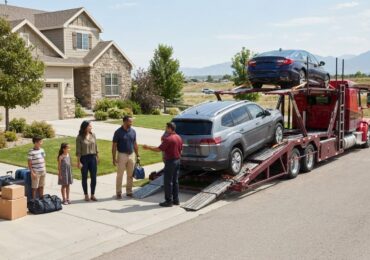
Many customers choose open transport car shipping because of the convenience of door-to-door service. However, it’s essential to understand the physical reality of the equipment involved. Most open carriers operate 80-foot transport rigs that require significant space for maneuvering and turning. Because of their size, these trucks often face legal restrictions in tight residential neighborhoods or historic districts with low-hanging trees and narrow streets. These regulations are designed to prevent property damage and ensure public safety.
If a driver determines that your specific street is inaccessible, they’ll work with you to find a safe, nearby alternative for pickup or delivery. This usually involves meeting at a large commercial parking lot or a wide-access staging area. This proactive communication ensures that your vehicle is loaded and unloaded on level ground without risking damage from tight turns or overhead obstacles. If you’re ready to schedule your move, you can book our Door 2 Door Transportation services to begin the process.
Mastering the Bill of Lading (BOL)
The Bill of Lading is your most vital legal protection during the entire transport process. It isn’t just a receipt; it’s a comprehensive record of your vehicle’s physical state. The Bill of Lading serves as the primary contract and condition report for vehicle shipping. When the driver arrives, you should walk around the vehicle together and note every existing scratch, chip, or dent. Taking clear, timestamped photos from multiple angles is a professional best practice that complements the written report. Once the car arrives at its destination, you’ll perform the same inspection to ensure the vehicle’s condition remains unchanged.
Preparing Your Vehicle for an Open Trailer
Proper preparation is the key to a smooth transit. Start by thoroughly washing the exterior of your car. This allows for a proper inspection under the “5-foot rule,” where any cosmetic issues should be visible from a short distance. You should also take the following steps:
- Remove personal items: Clear the cabin of all belongings to comply with weight and insurance regulations.
- Secure exterior parts: Remove or secure loose parts like aftermarket spoilers, specialized antennas, or bike racks.
- Check fuel levels: Maintain approximately 1/4 tank of fuel in the vehicle.
Keeping the fuel at this level provides enough for the driver to load and unload the vehicle while minimizing the overall weight of the trailer. This balance is critical for safety and helps carriers stay within federal weight limits. By following these methodical steps, you ensure that your vehicle is ready for a safe journey across the country.
Choosing AutoPlex Transport for Reliable Open Carrier Services
Selecting a partner for vehicle logistics is a decision rooted in trust. At AutoPlex Transport Company, we position ourselves as more than just a service provider; we act as a dedicated advocate for your vehicle’s safety and your peace of mind. By leveraging a national network of vetted, high-rated carriers, we ensure that every shipment is handled by professionals who meet our rigorous standards for reliability. Our approach is built on transparency, providing you with a clear path forward without the stress of hidden fees or sudden price adjustments.
Our logistics experts manage every detail of the interstate journey so you don’t have to. From the initial scheduling to the final delivery inspection, we maintain open lines of communication to keep you informed. This “Reliable Partner” model is designed to handle the complexities of open transport car shipping with a steady, experienced hand. We understand the value of your asset and prioritize professional handling at every stage of the process, ensuring that your vehicle arrives exactly as expected. Owners of high-value or classic vehicles may also want to review our enclosed car transport buying guide to determine whether a fully shielded option better suits their needs.
Nationwide Reach, Local Expertise
We use sophisticated national route data to identify the most efficient paths for your vehicle. This allows us to match your shipment with a carrier that is already operating along your specific corridor, which often results in more predictable timelines. Every driver in our network undergoes a thorough vetting process that exceeds basic federal requirements. You can learn more about our interstate vehicle transport services to see how we maintain high standards across the country. This combination of broad reach and local logistical knowledge ensures a seamless experience regardless of your destination.
Getting Your Instant Open Transport Quote
When you request a quote from us, you receive a rate based on real-time carrier availability and current market conditions. We avoid the “teaser” rates that some brokers use to grab attention; instead, we provide honest pricing that reflects what it actually takes to secure a spot on a reliable trailer. We calculate these rates by looking at vehicle size, total distance, and seasonal demand patterns. Once you book your shipment, our team goes to work immediately. Within the first 24 hours, we begin the process of coordinating with our carrier network to secure your pickup window and finalize the logistics for your move.
Moving Your Vehicle with Total Confidence
Navigating the logistics of a cross-country move is much simpler when you understand the mechanics of the industry. Open transport car shipping remains the preferred choice for the vast majority of American drivers because it combines high-frequency availability with advanced safety protocols like soft-tie securing. By following the preparation steps we’ve discussed and documenting your vehicle’s condition on the Bill of Lading, you’ve equipped yourself with the tools for a smooth and predictable experience. You don’t have to manage these complexities alone.
Beyond vehicle logistics, if you are also looking for assistance with your household items, you can explore Local Moving with BF Happy Movers to find a dedicated team for your residential or commercial relocation.
AutoPlex Transport acts as your reliable partner, offering a Fully Insured National Carrier Network and A+ Rated Customer Support. As specialists in Door-to-Door Logistics, we handle the heavy lifting so you can focus on your destination. We’re committed to professional handling and transparent communication throughout your vehicle’s entire journey. We look forward to helping you move your car with the care and expertise it deserves.
Get Your Instant Open Transport Quote from AutoPlex Today
Frequently Asked Questions
Is my car insured during open transport car shipping?
Yes, every vehicle is covered by the carrier’s cargo insurance throughout the journey. While the FMCSA mandates basic liability, professional carriers provide cargo coverage specifically for the assets they haul. It’s a standard practice to request a copy of the carrier’s insurance certificate to verify their current limits before the pickup date. This verification ensures that your specific vehicle value falls within their active coverage window.
How long does it take to ship a car cross-country on an open carrier?
A cross-country shipment usually takes between 7 and 10 days to complete. This timeline accounts for the federal “Hours of Service” regulations that limit how many hours a driver can be on the road each day. Factors like seasonal weather patterns or high-traffic corridors can influence the exact arrival date, but open transport car shipping remains the fastest way to move multiple vehicles across long distances.
Can I put personal items in my car during open transport?
You should avoid leaving personal items inside your vehicle during transit. The Department of Transportation strictly regulates the transport of household goods, and most auto carriers aren’t licensed for these items. Additionally, personal belongings aren’t covered by the carrier’s cargo insurance policy and can add unexpected weight. This extra weight can lead to federal scale violations or mechanical strain on the trailer’s loading ramps.
What happens if my car is damaged during open shipping?
If you notice any damage upon delivery, you must document it immediately on the Bill of Lading. This document acts as your primary legal record for the condition of the car. Take clear photos of the new damage while the driver is still present and contact your logistics coordinator to begin the claims process. Prompt documentation is the most critical step in ensuring a successful and timely resolution.
Will my car get dirty on an open carrier?
Your vehicle will likely arrive with a light layer of road dust or rain spots. Because the trailer is open to the elements, the car experiences the same environment as if you were driving it on the highway yourself. Most customers find that a quick car wash after delivery easily restores the vehicle’s appearance. The minor cleanup is a small trade-off for the significant availability and efficiency of this method.
Is open transport cheaper than enclosed car shipping?
Open transport car shipping is the most economical choice for vehicle relocation. Because these trailers can carry up to 10 cars at once, the operational costs are divided among multiple customers. If you want a thorough side-by-side analysis of what drives the price difference between these two methods, our guide to open vs enclosed car transport cost breaks down the key factors affecting your 2026 rates. Enclosed car transport requires more specialized equipment and carries fewer vehicles, which naturally increases the rate. For standard daily drivers, the open-air model offers the best balance of safety and value while maintaining a high frequency of available routes.
Do I need to be present for pickup and delivery?
You or an authorized representative must be present at both the pickup and delivery locations. This person needs to be at least 18 years old and capable of performing the physical inspection with the driver. Since the Bill of Lading requires a signature to verify the vehicle’s condition, having a trusted individual on-site ensures that your interests are protected. This person will confirm the final condition report before the vehicle is released.
Can an open carrier ship a non-running vehicle?
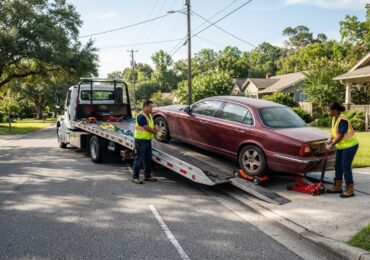
Many carriers can transport non-running vehicles as long as they can still roll, steer, and brake. These shipments require specialized equipment, such as a winch, to safely pull the car onto the trailer. You must disclose the vehicle’s condition during the booking process. This allows us to assign a carrier with the proper tools and experience to manage the loading and unloading process safely. If you want to learn more about how to vet the right shipping partner for specialized needs like this, our comprehensive guide to open carrier transport options and choosing the right auto transport carrier covers the full selection process in detail.