Shipping a restored vintage car takes more planning than choosing a covered trailer. Details such as low ground clearance, fresh paint, delicate trim, or loose components need to be discussed before pickup so the transport plan can account for the vehicle’s specific needs.
It’s reasonable to want a clear record of the vehicle’s condition and confidence that the transport method suits its value, route, and handling requirements. This guide explains how to prepare for pickup, document the car’s condition, and share important details with the transport provider so everyone starts with the same expectations.
You’ll also learn what to consider when comparing open and enclosed transport, which questions to ask about loading, and what to inspect with the driver at pickup and delivery. Planning the vehicle, its records, and the handoff together can help you make informed decisions and reduce avoidable uncertainty throughout the shipment.
Key Takeaways
- Approach shipping a restored vintage car as a documented handoff, not a promise of damage-free transport.
- Build a pickup checklist that captures the car’s condition, operating status, existing imperfections, and shipment paperwork.
- Compare open and enclosed transport by exposure, vehicle needs, and route, then ask questions specific to your restoration.
- Review the vehicle condition with the driver at pickup and delivery, and request corrections to the bill of lading before signing.
- Match your car’s handling needs with a suitable transport option by sharing clear details when discussing arrangements.
Why shipping a restored vintage car calls for a more deliberate plan
A restored vehicle may have details that a routine transport plan won’t account for. Fresh paint, delicate trim, custom parts, or a car that doesn’t run can affect how it should be handled and loaded. Share those details early so the transport provider can discuss arrangements that suit the vehicle.
Think of shipping a restored vintage car as a planned move with a documented handoff, not a damage-free promise. Transport planning can address known handling needs, but it doesn’t assess restoration quality, replace a mechanical inspection, or guarantee an outcome. The car’s age alone doesn’t tell you what it needs today. Its current condition and configuration matter more.
What makes a restored vintage car different to transport?
Identify recent restoration work and components that are unusually delicate or exposed. These might include a newly finished surface, older trim, a nonstandard mirror, or custom bodywork. Confirm whether the car runs, steers, and brakes, and whether it can be loaded normally. If it can’t move under its own power or has limited clearance, discuss whether a different loading approach is needed.
Be specific rather than relying on labels such as “classic” or “fully restored.” Those descriptions don’t explain the car’s current condition or practical handling needs.
What should you decide before requesting transport?
Before requesting a shipment-specific quote, gather the origin and destination, preferred timing, operating condition, and information about access at both addresses. Note anything that could affect handling or loading, including low ground clearance, loose parts, new finishes, or nonstandard modifications. If you’re unsure how a detail affects transport, describe it and ask what the carrier needs to know.
Clear information gives the provider a basis for discussing options that fit the vehicle and route. It also helps confirm pickup arrangements for the specific shipment.
- Vehicle: Make, model, approximate dimensions if known, and whether it runs, steers, and brakes.
- Condition: Recent restoration work, delicate or exposed parts, loose components, and visible concerns.
- Route and access: Pickup and delivery locations, address access limitations, and preferred timing.
It can also help to clarify who coordinates the move. An auto transport broker arranges transportation through a carrier, while a carrier performs the vehicle transport. Understanding that distinction can help when arranging restored vintage car shipping and deciding whom to contact with handling questions. Whichever arrangement you consider, share the car’s condition, route, and specific needs before confirming the shipment.
How to prepare a restored vintage car before the carrier arrives
Preparation makes the handoff clearer for you and the transport provider. Work through these steps before pickup, and keep a copy of the information you share:
- Record the condition. Take clear, dated photos in good light of each side, the interior, wheels, and any existing marks. Add close-ups of fresh finishes, delicate trim, or other areas you want to document. Write a brief note describing visible imperfections.
- Disclose operating status. Confirm whether the car starts, rolls, steers, and brakes. Be precise if any function is limited or unavailable.
- Share handling details. Mention low clearance, modified suspension, loose components, or accessories that could be vulnerable during loading or transit. Ask the provider how to prepare or secure an item rather than assuming it can be handled in a particular way.
- Confirm pickup arrangements. Discuss access at the address, any restrictions that could affect a transport vehicle, and who the pickup contact will be.
- Inspect and retain paperwork. Remove loose personal items, review the vehicle before handoff, and keep copies of your photos and shipment documents for reference.
This checklist complements How to Prepare a Car for Transport: The 2026 Essential Checklist, which covers general preparation. For a restored car, focus especially on documenting restoration-sensitive areas and sharing details that could affect loading.
How should you document the car’s condition?
Photograph the car shortly before pickup, using good light and clear angles. Include every side, the interior, wheels, and close-ups of existing scratches, chips, worn trim, or other concerns. Keep the original dated images and a written condition summary with your shipment paperwork. These records help establish what was visible before transport, but they don’t guarantee a particular claim outcome or determine responsibility for future damage.
What details should you disclose before pickup?
Describe how the car operates, including whether it starts, rolls, steers, and brakes. Point out low clearance, modified suspension, loose components, or accessories that may need attention. Confirm address access and the pickup contact in advance, then check that the information has been understood. Accurate details help the provider discuss arrangements suited to the vehicle instead of relying on assumptions.
Preparing for shipping a restored vintage car is about creating a useful record and communicating clearly, not predicting every transport condition. If you’re considering transport options, you can discuss your vehicle’s needs with AutoPlex Transport Company and request a shipment-specific quote.
Open or enclosed transport for a restored vintage car: how to compare
For shipping a restored vintage car, the choice between open and enclosed transport depends on the vehicle’s condition, your comfort with exposure, and the route. Open-carrier transport is a standard option to discuss. Enclosed transport can reduce exposure to weather and road elements, but neither method guarantees a damage-free shipment. Compare the arrangements for your particular car rather than assuming one option suits every restoration.
| Factor | Open transport | Enclosed transport |
|---|---|---|
| Exposure | The vehicle is exposed to outdoor conditions during transport. | Can reduce exposure to weather and road elements, but doesn’t eliminate handling or transit risks. |
| Vehicle suitability | May be worth discussing if the car’s current condition and your comfort with exposure make it appropriate. | May suit an owner who prioritizes reduced exposure, such as for a freshly restored finish. |
| Route considerations | Ask how the route and planned pickup arrangements relate to your vehicle and schedule. | Ask about vehicle fit, loading approach, route, and shipment-specific arrangements. |
| Questions to ask | How will the car’s condition and operating status be considered? What inspection and insurance details can be confirmed? | How will fit and loading be assessed? Which carrier and insurance details can be confirmed for this shipment? |
When might enclosed transport be worth discussing?
If you’re especially concerned about a valuable car or a newly restored finish being exposed to outdoor conditions, ask about enclosed service. Describe the vehicle’s dimensions, condition, and handling concerns, then confirm the proposed loading approach and route. Enclosed transport changes the vehicle’s exposure, but loading and transit still involve risk. Review Enclosed Car Transport: The Definitive Buying Guide for 2026 for more background on this option.
How should you compare transport options fairly?
Make comparisons useful by sharing the same route, vehicle details, timing, pickup needs, and requested service scope with each provider. Ask who will arrange the transport, which carrier is being considered, and how inspection and insurance details will be confirmed. If an answer is unclear, ask for an explanation before deciding.
For more context on the open option, see The Comprehensive Guide to Open Transport Car Shipping in 2026. The key distinction is that enclosed transport can reduce exposure, but it can’t guarantee protection from every risk.

What to check during pickup and delivery of a restored vintage car
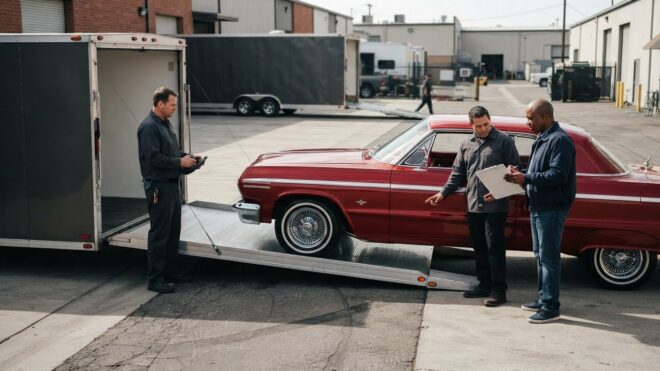
The pickup and delivery inspections connect your pre-shipment records to the car’s condition at each handoff. Set aside time to review the vehicle with the driver, compare what you see with the paperwork, and make sure existing marks or concerns are recorded clearly. A careful inspection won’t predict every outcome, but it gives both parties a consistent record.
What should you confirm at pickup?
Before loading, confirm that the vehicle description and operating status on the shipment documents are accurate. Review the condition notes with the driver, including visible marks and restoration-sensitive areas. Check that the pickup contact and agreed transport details are correct, and ask how the carrier wants loose accessories or other loading concerns handled.
Read the bill of lading before signing. If it doesn’t reflect the car’s condition or another shipment detail, point out the discrepancy and ask for a correction before signing. Keep a copy of the completed paperwork and condition notes. If something is unclear, ask for an explanation rather than relying on an assumption.
What should you inspect when the car arrives?
Inspect the vehicle in good light before completing the delivery handoff. Compare its condition with your dated pre-shipment photos and pickup paperwork. Pay particular attention to the exterior, interior, wheels, delicate areas, and existing imperfections you documented.
- Check for new visible marks or changes, including around trim and other vulnerable components.
- Record concerns with clear notes and photos, and ask that discrepancies be noted on the delivery paperwork.
- Follow the carrier’s documented process to report any concern promptly, and keep copies of related records.
Don’t treat the pickup photos as a guarantee about responsibility or claim outcomes. They’re a reference for comparing condition. If you notice a discrepancy, describe what you see factually and ask the carrier how to document and report it through the appropriate process.
Clear records and direct communication make the handoff easier to follow from pickup through delivery. If you’re planning shipping a restored vintage car, discuss your shipment details with AutoPlex, including the vehicle’s condition and any handling concerns.
How to arrange restored vintage car shipping with AutoPlex
A useful quote discussion starts with the car’s needs, not just the route. AutoPlex provides nationwide vehicle transportation with open-carrier, enclosed, door-to-door, and interstate options. Carrier availability and pickup arrangements depend on the shipment, so confirm the details for your request before making plans.
Use this four-step process to organize the conversation:
- Gather the shipment details. Note the origin and destination, vehicle year and model, dimensions if known, operating condition, and preferred pickup timing.
- Explain restoration-sensitive needs. Describe recent restoration work, delicate or exposed areas, modifications, low clearance, and anything that could affect loading or handling.
- Compare service options. Ask whether open-carrier or enclosed transport, door-to-door transportation, or interstate vehicle transportation fits the route and the car’s condition.
- Confirm arrangements. Review the agreed service, pickup and delivery expectations, shipment documents, and any details that still need clarification before authorizing transport.
What information should you include in a quote request?
Give the provider enough detail to discuss the shipment accurately. Share the route, vehicle year and model, dimensions if available, and whether the car starts, rolls, steers, and brakes. Mention fragile areas, restoration work, modifications, and preferred timing. Then ask which transport method and pickup arrangements may suit the vehicle and route. Clear information helps avoid assumptions.
What should you confirm before booking?
Make sure the proposed service type and pickup and delivery expectations match what you discussed. Ask what shipment documentation will be used and review applicable insurance details, including limits and exclusions. Verify the answers for your specific shipment before relying on coverage. Resolve open questions about carrier arrangements, loading considerations, or vehicle condition before authorizing transport.
How can AutoPlex help with the next step?
AutoPlex offers nationwide open-carrier and enclosed transport, along with door-to-door and interstate vehicle transportation. Discuss these options in light of your restored car’s condition, route, and handling needs. Confirm availability and arrangements for your request.
When you’re ready to discuss shipping a restored vintage car, share the route and vehicle details so the shipment can be considered on its own requirements. Request a vehicle transport quote from AutoPlex.
Plan the handoff with confidence
Shipping a restored vintage car is easier to manage when preparation, transport choice, and pickup and delivery inspections are part of one coordinated plan. Share the car’s actual condition and special handling needs up front, then compare open and enclosed options based on the vehicle and route. Keep dated condition records and review the paperwork at both handoffs.
AutoPlex offers nationwide vehicle transportation, including open-carrier and enclosed options, as well as door-to-door and interstate transportation. Carrier availability and arrangements should be confirmed for your specific shipment, so use your route and vehicle details to guide the discussion.
Ready to take the next step? Request a vehicle transport quote from AutoPlex and share what makes your restoration unique. With clear information and a thoughtful plan, you can move forward feeling prepared.
Frequently Asked Questions
Is enclosed transport better for a restored vintage car?
Enclosed transport can reduce exposure to weather and road elements, so it may suit owners who want to limit outdoor exposure for a valuable or freshly restored car. It doesn’t eliminate handling or transit risks. Ask about vehicle fit, loading arrangements, the route, and shipment-specific details, then compare the answers with your priorities. The right choice depends on the car’s condition and your comfort with the trade-offs.
Can you ship a vintage car that does not run?
A vintage car that doesn’t run may be transportable, but confirm that the provider and assigned carrier can accommodate its condition and loading needs. Explain whether it starts, rolls, steers, and brakes, and describe any clearance or access concerns. Don’t simply say “non-running” if some functions still work. Accurate details help the provider discuss suitable arrangements and confirm availability for your shipment.
How should I prepare a restored car for transport?
Before pickup, take clear, dated photos of each side, the interior, wheels, and existing imperfections. Write down visible condition concerns, disclose whether the car starts, rolls, steers, and brakes, and point out fresh finishes, delicate parts, or low clearance. Remove loose personal items, and ask the provider how to handle vulnerable accessories or components. Keep copies of your photos and shipment paperwork for reference at delivery.
What happens if I notice damage when my vintage car is delivered?
Document any new visible concern as you inspect the car, comparing it with your dated photos and pickup paperwork. Note the discrepancy on the delivery documents and ask for a copy before completing the handoff. Take clear photos, then report the issue promptly through the carrier’s documented process. Review the applicable insurance details and instructions, since coverage and claim procedures depend on the specific shipment and policy terms.
Is open transport safe for a restored vintage car?
Open transport is an option to discuss, but it exposes the vehicle to outdoor conditions during transit and may not suit every owner’s comfort level or vehicle needs. Consider the car’s current condition, restoration-sensitive areas, route, and handling requirements. Ask how the carrier will account for those details and what inspection and insurance information applies. No transport method can promise a damage-free outcome, so compare arrangements carefully.
What information should I give a car shipper about a restored vehicle?
Share the origin and destination, vehicle year and model, dimensions if known, preferred pickup timing, and access considerations at both addresses. Describe whether the car starts, rolls, steers, and brakes. Also disclose recent restoration work, delicate finishes or trim, low clearance, modifications, and loose components. These details help the provider discuss transport options and identify arrangements to confirm for your specific route and vehicle.
Should I inspect a restored vintage car before and after shipping?
Yes. Inspect the car with the driver at pickup, make sure existing condition concerns are recorded on the shipment paperwork, and keep a copy. At delivery, check the exterior, interior, wheels, and vulnerable areas in good light. Compare what you see with your pre-shipment photos and pickup notes. If you find a discrepancy, document it and follow the carrier’s process promptly, without assuming responsibility or coverage.