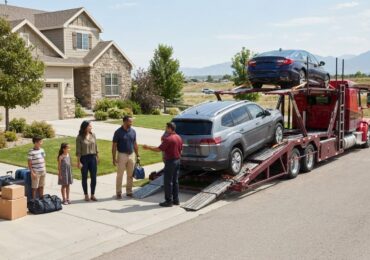
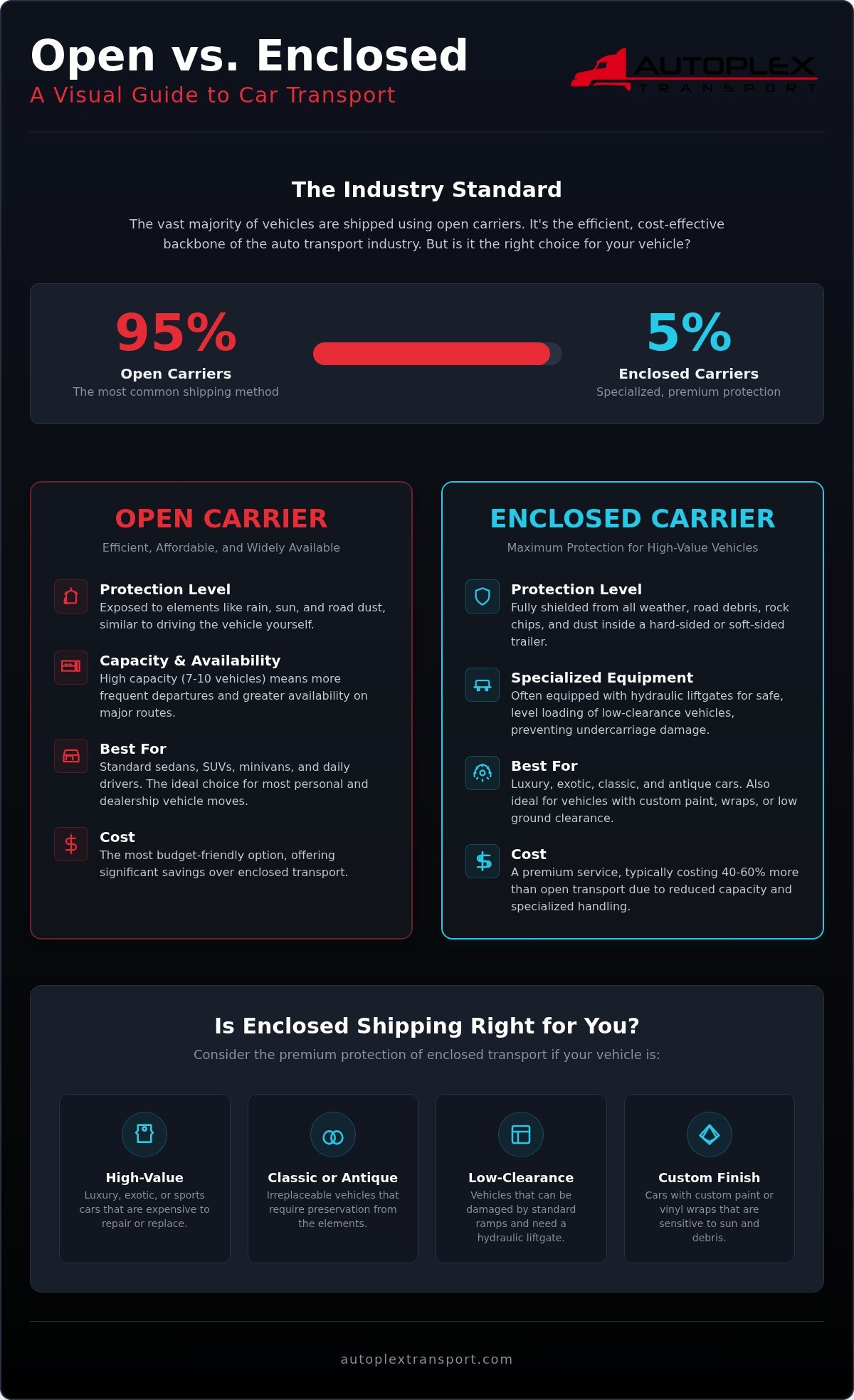
Your choice between open and enclosed transport isn’t actually about the price tag of your car; it’s a calculated decision based on your vehicle’s specific vulnerability profile. While approximately 95% of all automobiles move via open carriers, the decision of open vs enclosed car transport often comes down to how much exposure you’re willing to accept. You likely want to ensure your investment arrives safely while keeping your logistics budget under control. It’s natural to feel anxious about road debris, potential weather damage, or the nuances of insurance coverage during a long distance haul across state lines.
This guide provides the clarity you need to move forward with confidence. You’ll discover the critical differences in protection levels, specialized equipment, and insurance limits to determine which vehicle shipping method best secures your investment. We will examine the logistical realities of interstate transport and provide a clear framework for deciding which service matches your car’s value. By the end of this comparison, you’ll understand exactly how to protect your vehicle from the elements and ensure it arrives in the same condition it left your driveway.
Key Takeaways
- Identify how environmental factors like road debris and weather conditions influence the safety of your vehicle during long distance hauls.
- Analyze the financial differences of open vs enclosed car transport to determine if the added protection justifies the investment for your car’s resale value.
- Discover the specialized equipment and loading mechanisms that distinguish professional enclosed shipping from standard open carriers.
- Learn the proper protocol for documenting your vehicle’s condition to ensure a smooth nationwide transportation experience from door to door.
- Understand how interstate logistics are managed to prioritize both the speed of delivery and the security of your automotive assets.
Open vs. Enclosed Car Transport: Understanding the Fundamentals
Selecting the right shipping method is the foundational decision for any vehicle relocation. The industry typically categorizes services into two main paths: open vs enclosed car transport. Both methods are professionally regulated and adhere to rigorous safety standards, meaning your vehicle is always in the hands of trained logistics experts. The primary difference isn’t the quality of the driver, but the physical environment where your car resides during the trip. To make an informed choice, you should consider your vehicle’s “vulnerability profile.” This includes its susceptibility to weather, its mechanical clearance, and its overall replacement value.
What is Open Carrier Vehicle Shipping?
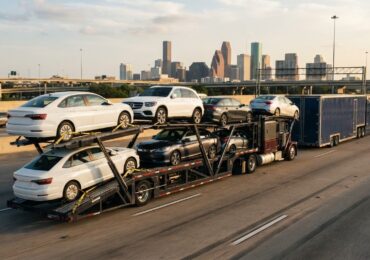
Open carrier car transportation is the most common method for moving vehicles across the country. You’ve likely seen these double-decker trailers on national highways, carrying a variety of sedans and SUVs. These trailers utilize a tiered loading system where vehicles are safely secured to a heavy-duty metal frame. Gaining a deeper understanding of Car Carrier Trailer Fundamentals reveals that these structures are designed for maximum efficiency and stability. Approximately 95% of all vehicle shipments in the United States utilize this method. It remains the industry standard because it’s highly accessible and allows for frequent departures on major interstate routes. While the cars are open to the air and road conditions, they’re fastened with industrial-grade equipment to ensure they remain stationary throughout the entire journey.
What is Enclosed Auto Transport?
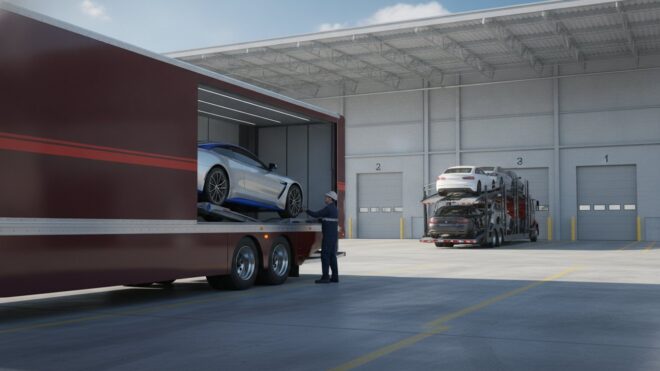
Enclosed auto shipping is a specialized logistics solution designed for vehicles that require a higher level of protection. These trailers feature hard or soft walls that act as a barrier against external environmental factors like hail, road debris, and industrial fallout. Because these trailers are more complex, they typically have a reduced capacity, moving only one to six cars at a time. This lower volume allows drivers to focus more on the specific requirements of each vehicle. It’s the ideal choice for classic cars, exotics, or luxury models with custom paint jobs. Additionally, many enclosed trailers are equipped with hydraulic lift gates, which are essential for low-clearance vehicles that cannot safely navigate the steep ramps of an open carrier. This method ensures your car stays in a pristine, climate-shielded environment from pickup to delivery.
Comparing Protection Levels and Equipment Standards
The technical architecture of a trailer determines how well your vehicle handles the rigors of the road. While both shipping methods are safe, they offer different levels of defense against the environment. Modern open transport car shipping utilizes advanced over-the-tire tie-down systems. These industrial-grade straps secure the vehicle by its rubber tires rather than the chassis, which eliminates metal-on-metal contact and prevents stress on the suspension system. Security isn’t just about the drive; it’s also about the stationary periods. Enclosed trailers provide a significant advantage during overnight stops by keeping your vehicle out of sight, acting as a mobile locked vault that deters curiosity and potential vandalism.
Exposure Control: Weather and Road Debris
Environmental factors are the primary variable in the open vs enclosed car transport debate. On an open trailer, your car is exposed to the same elements it would face if you were driving it yourself. This includes rain, ultraviolet sun exposure, and wind-blown dust. While this is perfectly acceptable for daily drivers, it poses a risk for vehicles with sensitive finishes. Enclosed trailers utilize hard-sided or heavy-duty soft-sided walls to create a barrier. This setup virtually eliminates the risk of rock chips from passing traffic or damage from unexpected hail storms. For show-ready vehicles or those with custom “wrap” finishes, this level of exposure control ensures the car arrives in showroom condition without needing an immediate professional detail.
Specialized Loading: Ramps vs. Hydraulic Liftgates
The physical process of getting your car onto the trailer is a critical safety moment. Standard open carriers use long metal ramps that sit at a relatively steep angle. For most SUVs and standard sedans, this incline is easily manageable. However, if you own a sports car with low ground clearance, those few degrees of difference can lead to bumper or undercarriage scrapes. This is where enclosed car transport becomes essential rather than optional. Many high-end enclosed trailers feature hydraulic liftgates. These platforms stay perfectly horizontal while lifting the car from the ground to the trailer deck. This “level-lift” technology ensures that even vehicles with only a few inches of clearance can be loaded without any risk of contact. If you’re concerned about your vehicle’s specific clearance requirements, our team can help you evaluate interstate vehicle transportation options that match your car’s physical profile.
Beyond the loading process, the internal environment of an enclosed trailer often includes additional protective measures. Drivers frequently use floor mats and seat covers to maintain the interior’s integrity. While open transport remains a reliable and secure method for the vast majority of vehicles, the specialized equipment found in enclosed shipping provides a specific type of peace of mind for high-value assets. Understanding these technical nuances helps you move past the “coach vs. first class” metaphors and focus on the actual mechanical safety of your investment.
The Cost-Benefit Analysis: When is Enclosed Shipping Worth the Premium?
Deciding between open vs enclosed car transport requires a clear-eyed look at the financial logic of your move. It’s not just about the upfront price; it’s about the percentage of your vehicle’s value you’re protecting. Typically, enclosed services carry a premium of 30% to 60% over open carrier rates. This price difference exists because enclosed trailers move fewer vehicles at once, often just two to six cars, compared to the seven to ten carried by open trailers. Additionally, the insurance requirements are vastly different. While an open carrier might carry $100,000 to $250,000 in cargo insurance, enclosed carriers often maintain policies ranging from $250,000 to over $1,000,000. This higher coverage level is built into the service cost to ensure that even the rarest vehicles are fully protected.
There’s a common misconception that open transport is only for “cheap” or used cars. In reality, the vast majority of new vehicles arriving at dealerships across the country move on open trailers. The decision to upgrade to enclosed shipping should be based on your vehicle’s specific “vulnerability profile” rather than just its age. If the cost of a professional paint correction or a specialized part replacement exceeds the shipping premium, the enclosed option quickly pays for itself. We view this choice as a risk-management strategy tailored to your specific automotive investment.
High-Value and Classic Car Considerations
Industry standards generally suggest that any vehicle valued over $50,000 should be shipped via enclosed carrier. For vintage models, classic car transport Houston standards focus on preserving original finishes and fragile components that are no longer in production. A single rock chip on a survivor-grade classic or a modern exotic can lead to a significant drop in resale value. When you factor in the specialized insurance and the peace of mind that comes from a climate-shielded environment, the extra investment acts as a hedge against depreciation for high-end assets.
Daily Drivers and Budget-Friendly Nationwide Logistics
For the standard SUV, pickup truck, or family sedan, open transport car shipping remains the most logical and cost-effective choice. When you’re calculating the return on investment, it’s helpful to compare the carrier quote against the hidden costs of driving the vehicle yourself. You’ll need to account for fuel, meals, hotel stays, and the immediate depreciation caused by adding 1,000 or 2,000 miles to the odometer. Open carriers offer the highest frequency of routes and the most competitive pricing for nationwide moves, making them the reliable standard for most household relocations. It’s a professional, secure way to manage your logistics without overextending your moving budget.
Preparing Your Vehicle for Nationwide Transportation
Preparation is a critical step that ensures a seamless transition for your vehicle, regardless of the transport method you select. The process begins with a thorough cleaning of the exterior. A clean car is essential because it allows the carrier to accurately document the vehicle’s condition during the initial pickup. Dust, mud, or road grime can easily hide small scratches or dings, which may lead to confusion or disputes during the final delivery. By presenting a clean vehicle, you facilitate a transparent inspection process that protects both you and the transport provider. This preparation phase is your opportunity to establish a clear baseline for your car’s state before it enters the logistics chain.
The Pre-Transport Inspection and BOL
The Bill of Lading (BOL) is the primary legal document for vehicle condition. It serves as a receipt and a contract between you and the transport company, detailing the exact state of the car at the moment of exchange. During the initial inspection, you and the driver will walk around the vehicle together to note any existing imperfections on this form. To support the BOL, you should take high-quality “proof of condition” photos from every angle. Capture clear images of the front, back, sides, and roof. It’s also wise to photograph the odometer and any specialized interior features. These photos act as your ultimate safeguard, providing undeniable evidence of the vehicle’s state prior to transit. This level of documentation is a standard practice in the open vs enclosed car transport industry and is vital for your peace of mind.
Securing the Vehicle: Fluids, Alarms, and Loose Parts
Mechanical preparation is just as important as cosmetic documentation. We recommend maintaining a fuel level of approximately 1/4 tank. This amount provides enough fuel for the driver to load and unload the vehicle while keeping the overall carrier weight manageable. A full tank adds significant unnecessary weight, which can impact the transport’s efficiency. Additionally, you must disable or remove electronic toll tags to prevent them from being scanned while the vehicle is on the trailer. Alarm systems should be deactivated or set to “valet mode” to prevent them from draining the battery during the journey.
You should also remove any non-permanent exterior accessories. This includes bike racks, removable luggage carriers, and custom antennas. These items are susceptible to wind resistance and can be damaged or cause damage to other vehicles on the trailer. If you have specific concerns about aftermarket parts or low-clearance spoilers, you can contact our logistics team for a professional consultation to ensure your setup is safe for travel. For a more exhaustive details on every step of this process, please refer to our guide on how to prepare a car for transport. Taking these steps seriously ensures that your nationwide transportation experience remains professional and stress-free.
Navigating National Logistics with AutoPlex Transport Company
Moving a vehicle across state lines involves more than just a truck and a trailer. It requires a sophisticated network of dispatchers, drivers, and logistical planners who coordinate every mile of the journey. Whether you have chosen open vs enclosed car transport, our focus remains on synchronizing pickup times, route efficiency, and safety protocols. We position ourselves as a detail-oriented partner that manages these complexities so you don’t have to. By optimizing interstate routes for both speed and security, we ensure that your vehicle spends the minimum amount of time in transit while bypassing known congestion zones or areas with severe weather forecasts.
Nationwide Coverage and Door-to-Door Convenience
Door 2 Door Transportation is the modern standard for convenience, effectively replacing the outdated terminal-to-terminal model. In a terminal-based system, you would have to drop off and pick up your car at a central hub, which often adds extra travel time and storage risks. With door-to-door service, our carriers come as close to your specific address as legally and physically possible. Navigating residential streets with large multi-car carriers requires immense skill and planning. If a street is too narrow or has low-hanging trees that could threaten the cargo, our drivers will coordinate a meeting at a nearby open parking lot or wide thoroughfare. This transparency in our communication model ensures you’re never left wondering about the status of your delivery or the safety of the pickup location.
Why Experience Matters in Interstate Vehicle Transport
The regulatory environment for interstate vehicle transport is highly complex, involving various Department of Transportation standards that can vary as a carrier moves across the country. Professional dispatchers play a vital role here; they don’t just book loads, they actively monitor real-time traffic data and shifting weather patterns to keep shipments on schedule. If a storm system develops along a major corridor, our team reroutes the carrier to maintain safety without compromising the delivery window. This level of oversight is what differentiates a seasoned veteran from a simple brokerage service.
Choosing between open vs enclosed car transport is the first step in a successful relocation. The next is partnering with a team that understands the nuances of national logistics and treats your vehicle with the respect it deserves. We invite you to request a comprehensive quote tailored to your specific route and vehicle profile. Get your professional car transport quote from AutoPlex today and experience a relocation process built on trust, transparency, and expert handling.
Secure the Right Transport for Your Next Move
Choosing the correct shipping method is the final step in protecting your automotive investment. Your decision regarding open vs enclosed car transport rests on your vehicle’s specific needs, whether that’s the efficiency of a standard carrier or the climate-shielded security of a specialized trailer. By understanding the equipment differences and following a rigorous preparation checklist, you ensure your car is ready for its journey across state lines. Professional logistics are the backbone of a successful move, providing the oversight needed to navigate changing weather and complex interstate regulations.
AutoPlex Transport Company brings nationwide interstate logistics expertise to every shipment. We utilize specialized enclosed equipment for high-value cars and maintain a professional door-to-door service model that prioritizes your convenience. Our team is ready to act as your reliable partner, managing the technical details so you don’t have to worry about the drive. You’re entitled to the peace of mind that comes from working with seasoned industry veterans who value transparency and safety above all else.
Request a Professional Vehicle Shipping Quote from AutoPlex Transport today to see how we can secure your vehicle’s condition. We look forward to helping you complete your move with total confidence.
Frequently Asked Questions
Is open car transport safe for my everyday vehicle?
Open car transport is exceptionally safe for everyday vehicles and remains the preferred choice for approximately 95% of all automobile shipments. While the car is exposed to weather and road dust, the structural integrity of the trailer and the industrial-grade tie-down systems keep it secure. It’s a professional, cost-effective solution for standard sedans and SUVs that don’t have sensitive custom paint or low-clearance modifications.
Why is enclosed car transport more expensive than open carrier?
The price gap in open vs enclosed car transport exists because enclosed trailers carry fewer vehicles and utilize more expensive equipment. While an open carrier moves up to ten cars, an enclosed unit typically only holds two to six. This lower volume, combined with higher insurance limits and specialized hydraulic liftgates, naturally increases the operational cost per vehicle.
Can I ship personal items inside my car during transport?
You should not ship personal items inside your vehicle because carriers are not licensed by the Department of Transportation to transport household goods. Most professional drivers allow a small amount of personal property, usually under 100 pounds, to be stored in the trunk. However, these items are not covered by the carrier’s insurance policy and can add unnecessary weight to the shipment.
How long does nationwide car shipping typically take in 2026?
Nationwide car shipping timelines in 2026 depend primarily on the total distance of the route and current traffic conditions. Short hauls under 500 miles usually arrive within one to three days. For cross-country moves spanning 2,500 miles or more, you should expect a delivery window of seven to ten days. Professional dispatchers work to minimize delays by optimizing interstate routes for speed and safety.
Does insurance cover my car during both open and enclosed shipping?
Your vehicle is covered by the carrier’s cargo insurance during both shipping methods, though the specific coverage limits differ. Open carriers typically maintain policies between $100,000 and $250,000 per load. Enclosed carriers provide higher protection, often ranging from $250,000 to over $1,000,000, to accommodate the higher value of the vehicles they transport. Always review the policy details before your car is loaded.
What is the height clearance limit for enclosed car carriers?
Most enclosed trailers have a height clearance limit of approximately 7 feet, or 84 inches. This accommodates almost all luxury sedans and standard SUVs, but it can be a restriction for heavily modified or lifted trucks. If your vehicle exceeds these dimensions, an open carrier is usually the only viable option due to its lack of a physical roof and walls.
Do I need to be present for the pickup and delivery of my vehicle?
You or a designated representative over the age of 18 must be present at both pickup and delivery. This presence is required to perform the joint inspection with the driver and to sign the Bill of Lading. This document is the legal record of your vehicle’s condition, so it’s vital that someone is there to verify the inspection and accept the keys.
How do I choose between open and enclosed for a classic car?
Choosing the right method for a classic car involves weighing the vehicle’s market value against its susceptibility to environmental damage. If your car is valued over $50,000 or features a sensitive vintage finish, enclosed transport is the professional recommendation. This method protects the car from road debris and weather, ensuring that rare parts and original paint remain in pristine condition throughout the journey.