
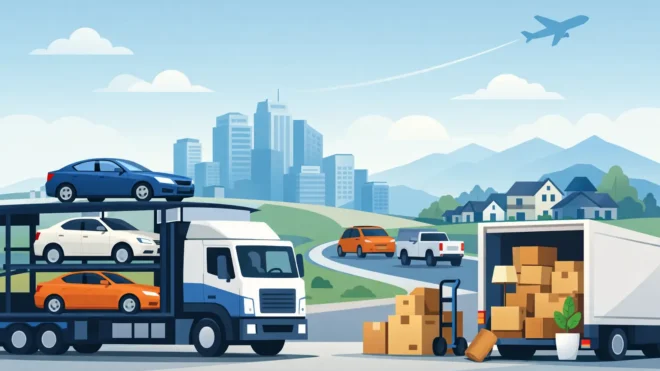
A cross-country drive can turn a fresh start into days of fatigue, fuel stops, hotel costs, and added miles on your vehicle. Professional vehicle transport gives you another option: your car, truck, SUV, or specialty vehicle is picked up near your location and delivered near its destination while you focus on the move, your schedule, or the trip ahead.
For people relocating, purchasing a vehicle from another state, heading to a seasonal home, or managing dealership inventory, shipping can be the practical choice. The right service depends on your vehicle, route, timing, and how much protection you want during transit. A dependable transport partner helps make those decisions clear before pickup day.
When Vehicle Transport Makes Sense
Long-distance driving is not always as simple as getting behind the wheel. A 1,000-mile move can mean taking time off work, arranging overnight stays, handling unexpected weather, and putting wear on tires, brakes, and the engine. If you are moving more than one vehicle, the logistics become even harder.
Vehicle transport is especially useful when you are relocating with family, flying to your new home, buying a car online, or sending a vehicle to a college student or seasonal residence. It is also a smart option for collectors and owners of classic, luxury, or low-clearance vehicles that should not be exposed to unnecessary road miles.
Shipping is not always the lowest upfront-cost option for a short route with a flexible schedule. But for long interstate trips, the value often comes from time saved, reduced mileage, and less stress. A clear quote lets you compare the full cost of shipping against fuel, lodging, meals, vehicle wear, and the time required to drive.
Choose the Right Vehicle Transport Service
The carrier type you choose affects price, availability, and protection. A good advisor should explain the trade-offs plainly and recommend a service that fits the vehicle and your plans, rather than pushing a one-size-fits-all option.
Open Carrier Shipping
Open carrier transport is the most common way to ship a vehicle across the United States. Vehicles are loaded onto an open trailer, often alongside other cars headed along a similar route. Because these carriers can move several vehicles at once, open transport is generally the more cost-conscious choice.
Your vehicle is safely secured for transport, but it is exposed to normal outdoor conditions such as rain, dust, and road debris. For everyday sedans, trucks, SUVs, and many dealership vehicles, open shipping is a reliable and practical fit. It is also often the best choice when availability and budget are top priorities.
Enclosed Carrier Shipping
Enclosed transport places your vehicle inside a covered trailer, providing greater protection from weather and road exposure. This service is often chosen for exotic cars, classics, high-value vehicles, restored automobiles, and vehicles with custom paint or specialized components.
Enclosed shipping typically costs more than open transport, and carrier availability can vary by route. That added investment can be worthwhile when preserving condition is the main concern. If your vehicle is difficult to replace or has exceptional value, enclosed transport offers added peace of mind.
Expedited and Time-Sensitive Transport
Sometimes a standard pickup window does not work. You may be closing on a home, reporting to a new job, meeting a buyer, or preparing for an event. Expedited vehicle transport can prioritize pickup and help accommodate tighter timing.
Faster service may carry a higher price because it requires more specific carrier coordination. The key is to share your deadline early. The more notice you can provide, the more options a transport coordinator can review for your route.
How the Vehicle Shipping Process Works
Auto shipping should feel organized from the first quote request through final delivery. While pickup and delivery times can be influenced by traffic, weather, carrier schedules, and route demand, a professional process keeps you informed and prepared.
1. Request a Quote With Accurate Details
Start with the vehicle year, make, model, pickup ZIP code, delivery ZIP code, and your preferred timing. Let the transport team know whether the vehicle runs, has modifications, sits lower than normal, or requires enclosed service. Details such as oversized tires, roof racks, or inoperable status can affect the equipment and planning needed.
A useful quote should reflect the actual vehicle and route. If your dates are flexible, say so. Flexible scheduling can create more carrier options, while a firm deadline may require expedited coordination.
2. Confirm Pickup and Delivery Planning
Once you book, the carrier is matched based on route and availability. Door-to-door service means the carrier aims to pick up and deliver as close to your addresses as safely and legally possible. Large transport trucks may not be able to enter narrow residential streets, gated communities, or areas with low branches and restricted turns.
In those cases, you may meet the driver at a nearby wide street, shopping center, or other accessible location. This is normal and helps keep the loading process safe for your vehicle, the driver, and the surrounding area.
3. Prepare Your Vehicle for Pickup
Preparation protects you and makes inspection easier. Wash the exterior so existing marks are visible, remove personal belongings, and take clear date-stamped photos from multiple angles. Keep the fuel level around one-quarter full unless you receive different instructions.
You should also remove toll tags, secure or retract loose accessories, check for leaks, and make sure the battery is charged. If your vehicle has special operating instructions, provide them to the driver before loading. Personal items are generally not covered under vehicle cargo protection, so it is best to ship the car empty.
4. Review the Vehicle Inspection
At pickup, the driver documents the vehicle’s condition on a bill of lading or inspection report. Walk around the vehicle with the driver when possible and review any existing cosmetic marks. Keep a copy of the paperwork and compare it with your own photos.
The vehicle is then loaded, secured, and transported to the delivery area. At delivery, inspect it again before signing the final paperwork. This simple step creates a clear record and gives you the opportunity to raise any concerns promptly.
What Affects Vehicle Transport Pricing?
No two routes are exactly alike. Price is based on the distance, pickup and delivery locations, vehicle size, carrier type, seasonal demand, fuel conditions, and the level of urgency. Shipping a standard sedan between major metro areas may be more straightforward than moving a large SUV to a remote town with a narrow delivery window.
The time of year matters, too. Snowbird routes can be busier during seasonal migration periods, while severe weather can affect schedules in some regions. Booking ahead gives you more time to select the service level that works for you. If your transport date is fixed, communicate that from the beginning so the quote reflects your needs.
Be cautious about choosing a provider solely because the first price appears unusually low. A quote should be clear about the service being arranged and the coordination involved. Reliable communication, realistic expectations, and proper vehicle handling matter as much as the number on the estimate.
How to Make Your Shipment Worry-Free
The best customer experience starts with good information. Be available by phone around the pickup and delivery windows, or assign a trusted adult who can meet the driver if you cannot be there. Confirm the contact numbers, addresses, vehicle condition, and any gate codes or access instructions before the carrier arrives.
Ask questions before booking. You should understand whether open or enclosed service is being arranged, the expected pickup timing, how delivery coordination works, and what documents to keep. A customer-focused company will explain the process in plain language and stay available if plans change.
AutoPlex Transport helps customers match their route, vehicle, and timeline to the right shipping option, with support from quote through delivery. Whether you are moving one family SUV or coordinating several vehicles, the goal is the same: safe handling, dependable communication, and a smoother move.
When your next trip would mean too many miles, too little time, or more logistics than you want to manage, request a vehicle transport quote early. A few accurate details can turn a complicated cross-country drive into a planned pickup and a confident delivery.
