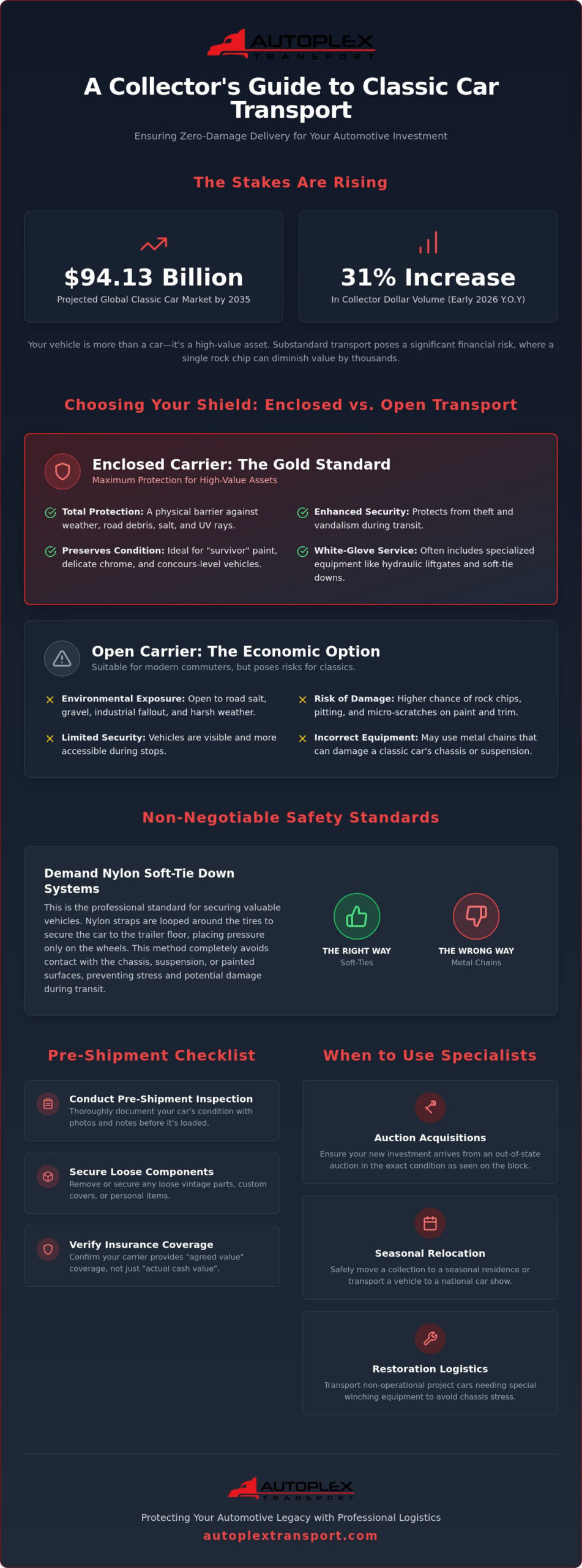
The global classic car market is projected to reach $94.13 billion by 2035, reflecting a significant 31% increase in collector dollar volume in early 2026 alone. When your vehicle represents both a major financial investment and a piece of automotive history, finding the right classic car transport services is essential to protecting your asset. You deserve a reliable partner who understands that a vintage chassis cannot be treated like a standard modern sedan.
This collector’s guide is designed to help you secure professional logistics by detailing the exact equipment and protection strategies used by experts to ensure zero-damage delivery. We will explore the technical standards of enclosed versus open carriers, examine the latest USDOT safety requirements, and explain why specialized equipment like soft-tie downs is non-negotiable for preserving your car’s integrity. By the end of this article, you’ll have the clarity needed to choose a transport solution that offers transparent pricing and professional communication from pickup to drop-off.
Key Takeaways
- Learn why professional classic car transport services prioritize asset preservation over simple delivery to protect your vehicle’s long-term market value.
- Understand the technical differences between enclosed and open carriers to determine which method provides the necessary level of environmental protection for your vintage model.
- Identify mandatory safety equipment, such as nylon soft-tie down systems, that prevents the suspension and chassis damage often caused by traditional metal chains.
- Follow a methodical preparation checklist that includes conducting pre-shipment inspections and securing loose vintage components for safe nationwide transit.
- Discover how door-to-door logistics and professional communication standards ensure a seamless, high-trust experience throughout the entire interstate move.
Why Specialized Classic Car Transport Services Are Essential for Collectors
Moving a vehicle from point A to point B sounds simple, but for a collector, the process is far more complex than standard freight. Professional classic car transport services treat your vehicle as an irreplaceable asset rather than just another piece of cargo. While general auto shipping focuses on speed and volume, specialized logistics prioritize the preservation of original paint, trim, and mechanical integrity. This is the fundamental difference between shipping a daily driver and managing a mobile investment.
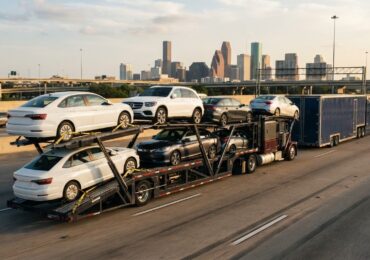
Standard open-carrier methods, while functional for modern commuters, expose vintage finishes to road salt, gravel, and industrial fallout. These environmental factors can lead to pitting or micro-scratches that require expensive paint correction. While the broader industry uses specialized vehicle carriers for high-volume commercial moves, the private collector needs a more tailored approach. Maintaining a concours-level condition requires a “white-glove” standard where every interaction with the vehicle is intentional and protective.
The Financial Risk of Substandard Transportation
In the first quarter of 2026, the collector car market saw a 31% year-over-year increase in dollar volume. As values rise, the cost of cosmetic imperfections becomes steeper. A single rock chip on a rare 1960s survivor can decrease its resale value by thousands of dollars. Generic transport brokers often lack the technical knowledge required to handle vintage-specific needs, such as low-clearance loading or delicate trim handling. Additionally, standard cargo insurance may only cover the “actual cash value,” which often fails to account for the “agreed value” necessary for high-end collectibles. You’ll want a partner who understands these nuances and provides coverage that matches the true market worth of your vehicle.
When to Choose Professional Classic Car Transport
Knowing when to upgrade to a specialized service is key to protecting your portfolio. You should consider these professional logistics in several specific scenarios:
- Auction Acquisitions: When purchasing from an out-of-state auction, a reliable partner ensures the vehicle arrives in the exact condition described on the block.
- Seasonal Relocation: Moving a collection to a seasonal residence or a national car show requires a provider capable of interstate vehicle transportation.
- Restoration Logistics: Non-operational projects moving to a restoration specialist need specific winching equipment to avoid chassis stress.
By choosing a dedicated service, you ensure that your vehicle’s journey is as controlled and safe as the environment in your own garage. This methodical approach to logistics is what separates a standard delivery from a professional preservation service. For collectors who want to enjoy the thrill of the open road without the complexities of shipping their own vehicles, Autobahn Adventures provides luxury driving experiences across Europe’s most iconic routes.
Comparing Enclosed vs. Open Carrier Options for Vintage Vehicles
Choosing the right trailer configuration is a pivotal step in securing classic car transport services. While the goal is always a safe delivery, the specific needs of your vehicle’s finish and mechanical state will dictate whether you require an enclosed or open carrier. This decision often balances the vehicle’s market value against the level of environmental exposure you’re willing to tolerate during transit. For museum-quality pieces with sensitive interior materials, some enclosed units even offer climate control to maintain a steady temperature, though standard hard-sided trailers provide sufficient protection for most collector cars.
Enclosed transport remains the gold standard for high-value assets, providing a physical barrier against weather, road debris, and UV rays. For vehicles with delicate “survivor” paint or intricate chrome work, this protection is non-negotiable. Before finalizing your booking, reviewing the Key Equipment and Safety Standards provided by the FMCSA can help you verify that your chosen carrier meets federal safety benchmarks for specialized hauling. This extra layer of due diligence ensures your partner is as committed to safety as you are to your collection.
The Mechanics of Enclosed Car Shipping
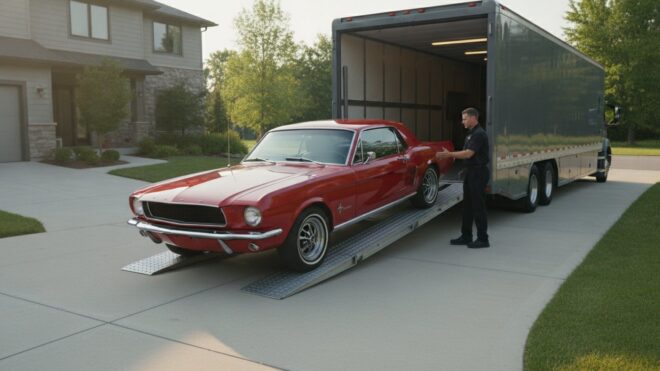
Hard-sided enclosed trailers offer the highest level of security. Unlike soft-sided trailers that use vinyl curtains, hard-sided units prevent road salt and moisture from seeping into the cargo area. This is particularly vital during winter months when corrosive materials are prevalent on interstate highways. These trailers also offer a privacy benefit, keeping rare or high-profile vehicles out of public view during rest stops. For low-clearance sports cars, professional carriers use hydraulic liftgates rather than traditional ramps. This allows the car to remain perfectly level during the loading process, eliminating the risk of undercarriage scrapes.
When Open Transport Makes Sense
Open carriers are the most common sight on the road, and they can be a practical choice under the right circumstances. While many assume classic car transport services always require a roof, open transport car shipping remains a viable choice for “driver” grade classics or vintage trucks that possess higher ground clearance and sturdier paint finishes. It is a budget-conscious alternative for shorter regional moves or when transporting restoration projects that haven’t received their final cosmetic work. If your vehicle is a “rough” project or a parts car, the risk of minor environmental exposure is often outweighed by the logistical ease of an open carrier. If you’re weighing these options for your next move, the team at AutoPlex Transport can help you evaluate the best fit for your specific vehicle tier.
Key Equipment and Safety Standards to Demand from Your Carrier
When evaluating classic car transport services, the focus should shift from the trailer’s exterior to the specialized hardware used inside. Professionalism in this niche is defined by the standard of care applied to the vehicle’s most delicate points, specifically the suspension and the undercarriage. You aren’t just paying for a spot on a truck; you’re investing in a logistical framework designed to prevent the mechanical and cosmetic fatigue that occurs during long-distance transit.
Traditional transport often relies on metal chains or “over-the-tire” straps. While these are secure for a modern SUV, they are catastrophic for a vintage asset. Metal chains can scratch powder-coated frames or put undue stress on aged leaf springs. Specialists use soft-tie down systems made of heavy-duty nylon. These straps loop through the wheels or over the axle without metal-to-metal contact, preserving the finish and allowing the car’s own suspension to absorb movement naturally. This prevents the “jarring” effect that can lead to loosened bolts or cracked seals during an interstate move.
Loading is another critical phase. Low-profile sports cars require hydraulic liftgates that stay perfectly level during the ascent. Traditional ramps, even with extensions, often create an angle that catches the front air dam or the exhaust system. Beyond the metal, the human factor matters. A driver must be a Trusted Choice for National Logistics who understands the nuances of a non-synchromesh gearbox or a sensitive throttle. Handing your keys to someone who doesn’t know how to start a carbureted engine or handle a temperamental vintage clutch is a risk no collector should take.
Advanced Trailer Features for Classic Assets
Modern trailers designed for enclosed car transport include features that general freight carriers ignore. Drip pans are a primary example. These shields sit beneath the upper deck to prevent oil or brake fluid from a vehicle above from leaking onto your car’s paint. Additionally, air-ride suspension is essential for long-haul moves. This technology uses pressurized air bags instead of steel springs to dampen road vibration, ensuring your vehicle arrives without the hardware fatigue common in poorly equipped trailers. Real-time GPS tracking and clear communication protocols round out these features, giving you peace of mind throughout the journey.
Verification Checklist for Carrier Safety
Before signing a contract, verify the carrier’s legitimacy. Every national transporter must have a valid USDOT number and Operating Authority (MC number). Check these on the FMCSA’s public portal to ensure their safety record is current. Review the Bill of Lading (BOL) carefully. It should include a detailed condition report with specific notations for vintage-specific features like convertible tops or aftermarket modifications. Finally, ask about their experience with your specific marque. A carrier that specializes in pre-war classics has a different skill set than one moving 1990s Japanese performance cars. Identifying these nuances ensures your vehicle is in the hands of a true specialist.
How to Prepare Your Classic Car for Nationwide Transportation
Securing high-quality classic car transport services is a vital first step, but the safety of your vehicle also depends on how well it’s prepared before the carrier arrives. Proper preparation isn’t just about aesthetics; it’s a methodical process that ensures your vehicle is ready for the unique stresses of long-haul transit. By following a structured routine, you minimize the risk of mechanical issues or cosmetic disputes, creating a clear baseline for the entire journey.
One of the most overlooked requirements is the “clean car” rule. While it might seem counterintuitive to wash a car that will be traveling hundreds of miles, a clean exterior is essential for an accurate Bill of Lading (BOL). Dust and road grime can easily hide small chips, hairline scratches, or dings. When the vehicle is clean, both you and the driver can conduct a transparent inspection, ensuring every existing imperfection is documented. This clarity protects you in the unlikely event of a damage claim and establishes a professional standard from the moment of pickup.
Mechanical and Exterior Preparation
Before the truck pulls up, take a moment to address the mechanical state of your vehicle. While we’ve discussed the importance of drip pans in previous sections, you should still check for active leaks. A minor oil or transmission fluid drip might seem insignificant in your garage, but in a multi-car carrier, it can pose a risk to other vehicles or create a slippery surface on the loading ramps. Ensure your battery is securely mounted and has a full charge, especially if the car needs to be driven onto the trailer.
If the preparation process involves replacing old, worn-out rubber, Tired Tyres can assist with the responsible collection and disposal of scrap tires and industrial rubber products from your garage.
For exterior components, retract or remove any non-permanent antennas and fold in side mirrors to maximize clearance. If you have a convertible, ensure the top is fully secured and latched. Finally, manage your fuel levels carefully. You should aim for approximately 1/4 to 1/8 of a tank of gas. This provides enough fuel for loading and unloading while significantly reducing the overall weight of the shipment and complying with safety regulations. If you’re ready to start this process, you can request a professional transport quote from our team today.
Documenting the Condition
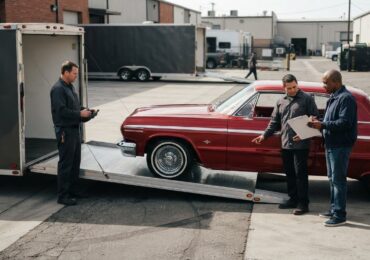
Documentation is your best insurance against uncertainty. Use your smartphone to take high-resolution photos of the vehicle from every angle, including the roof and the undercarriage. Clear, timestamped images serve as undeniable proof of the car’s pre-shipment state. During the walk-around with the driver, ensure that every noted scratch or chip is clearly marked on the inspection report before you sign. For a more detailed guide on these steps, follow this essential checklist to ensure nothing is overlooked. This level of detail ensures that your interstate move begins with total transparency and peace of mind.
Why AutoPlex Transport is the Trusted Choice for National Logistics
Selecting a partner for classic car transport services requires more than just finding a truck with available space. It’s about choosing a team that views your vehicle through the lens of a collector rather than a freight carrier. AutoPlex Transport Company has built a reputation as a reliable partner by focusing on a methodical, preservation-first approach to logistics. We specialize in bridging the complex gap between high-end auctions and private garages, ensuring that a vehicle’s journey across the country is as controlled as the environment it leaves behind.
Our expertise in interstate vehicle transportation extends beyond simple hauling. We take a comprehensive approach to route planning that many generic brokers overlook. Our logistics team analyzes seasonal weather patterns, current road construction data, and terrain challenges to select the safest nationwide corridors. This proactive planning minimizes the time your vehicle spends in transit and reduces exposure to the vibrations and stresses of poorly maintained highways. By prioritizing the most stable routes, we maintain the concours-level condition of your asset from the moment of pickup to the final delivery.
The Door-to-Door Advantage
One of the primary benefits of working with a specialist is our commitment to door-to-door transportation. We don’t use terminal drop-off points or central hubs, as these facilities often involve multiple loading and unloading cycles that increase the risk of cosmetic damage. Our drivers manage the complex logistics of residential street access, utilizing smaller specialized equipment when necessary to reach your driveway safely. This seamless transition from your garage to the destination ensures that your vehicle is handled by the same professional team throughout the entire interstate move, providing a level of security that terminal-based services can’t match.
Requesting Your Classic Car Shipping Quote
When you’re ready to move an asset, providing detailed information is the best way to ensure an accurate and transparent quote. We don’t rely on “budget-only” pricing models that sacrifice safety for speed. Instead, we look at several specific factors to build a reliable logistical plan:
- Vehicle Dimensions and Modifications: Accurate year, make, and model data, along with any aftermarket additions, help us assign the right trailer and liftgate equipment.
- Operational Status: Knowing if the car can be driven onto the trailer or if it requires specialized winching equipment is essential for a smooth pickup.
- Service Tier: Whether you require enclosed transport services for total protection or a standard open carrier, we align our resources with your vehicle’s specific needs.
At AutoPlex, we prioritize value and reliability because we understand that the cost of professional transport is a small investment compared to the total value of your collection. Our goal is to provide peace of mind through transparent communication and expert execution, making us the preferred choice for collectors who refuse to compromise on safety.
Securing Your Automotive Investment for the Long Haul
Moving a high-value vintage vehicle requires a methodical approach that balances technical expertise with a genuine respect for automotive history. You now understand that the right equipment, such as nylon soft-tie downs and hydraulic liftgates, is non-negotiable for preserving a concours finish. By following a strict preparation checklist and choosing between specialized enclosed and open carrier options based on your vehicle’s specific tier, you ensure a transparent and safe delivery process.
Professional classic car transport services provide the logistical safety net necessary to move these assets without risking their mechanical or cosmetic integrity. AutoPlex Transport Company offers the nationwide interstate expertise and door-to-door convenience required to make your next move seamless. Whether you’re relocating a single restoration project or a complete collection, our team is ready to act as your reliable partner. Request a Professional Classic Car Transport Quote from AutoPlex today and enjoy the peace of mind that comes with expert vehicle handling. Your vehicle’s legacy deserves the highest standard of care.
Frequently Asked Questions
How much does classic car transport services cost in 2026?
The cost of classic car transport services depends on several variables, including the total distance of the move, the type of trailer you select, and current fuel prices. Regional moves are naturally more affordable than cross-country journeys, and choosing an enclosed carrier typically involves a premium over open transport. Other factors such as the vehicle’s weight and seasonal demand also influence the final rate. It’s best to obtain a customized quote to understand the specific logistical requirements of your move.
What is the difference between a broker and a carrier for classic cars?
A carrier is the company that owns the trucks and employs the drivers who physically move your vehicle. A broker acts as an intermediary, matching customers with available carriers in a vast network. While brokers offer flexibility, working with a direct carrier or a dedicated logistics partner ensures more consistent communication and direct accountability for the safety of your vintage asset. This direct relationship is often preferred by collectors who value a “reliable partner” approach.
Is enclosed transport really worth the extra cost for a vintage vehicle?
Enclosed transport is widely considered essential for vehicles with high market value or sensitive finishes because it provides a total barrier against road debris and weather. For a “concours” or “survivor” grade car, the cost of a single paint chip or interior water damage can far exceed the premium paid for an enclosed trailer. If your vehicle is a sturdier “driver” or a rugged vintage truck, an open carrier might be a practical, budget-friendly alternative for shorter distances.
How long does nationwide classic car shipping typically take?
Nationwide shipping typically takes between 7 to 14 days, depending on the specific route and the number of stops the carrier has scheduled. Short regional moves might be completed in 1 to 3 days, while a cross-country trip from coast to coast requires more time for the driver to comply with federal hours-of-service regulations. Weather conditions and seasonal traffic patterns can also impact the delivery window, so it’s important to maintain open communication with your logistics provider throughout the journey.
Can I ship extra parts or personal items inside the vehicle?
Most carriers discourage or strictly prohibit shipping personal items or heavy spare parts inside the vehicle for safety and legal reasons. Extra weight can affect the truck’s gross vehicle weight rating and put additional stress on your car’s suspension during transit. Items left inside aren’t covered by the carrier’s cargo insurance. If you must ship parts, they should be securely crated and discussed with your transport partner in advance to ensure they can be accommodated safely without risking damage.
What happens if my classic car is non-operational or won’t start?
Non-operational vehicles can be transported, but they require specialized equipment like a winch to safely pull the car onto the trailer. It’s vital to disclose this status when requesting your quote so the carrier can send a truck equipped for the job. The vehicle must still be able to roll, steer, and brake to ensure it can be maneuvered during the loading and unloading process without risking damage to the chassis or the transport equipment.
How do I know my classic car is properly insured during transit?
You can verify a carrier’s insurance by requesting a Certificate of Insurance (COI) that lists the policy limits and expiration date. Legitimate classic car transport services will have substantial cargo insurance specifically designed for high-value assets. It’s also recommended to check your own collector car policy, as many “Agreed Value” policies provide secondary coverage while your vehicle is in the care of a professional transporter. This dual layer of protection offers maximum peace of mind for rare models.
Do I need to be present for the pickup and delivery of my vehicle?
Either you or a designated representative must be present at both pickup and delivery to sign the Bill of Lading and conduct the condition inspection. This document is your primary legal protection, as it records the state of the vehicle before and after transit. Being there in person allows you to walk around the car with the driver, ensuring all existing dings or scratches are accurately noted and that the final delivery is completed to your satisfaction.