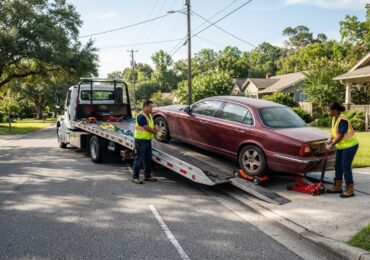

Most people think driving across the state line is the hard part, but the real challenge of moving a vehicle out of the Lone Star State starts weeks before the engine even turns over. If you’re researching how to ship a car from Texas, you’ve likely realized that the process involves much more than just finding a truck. It’s common to feel a sense of unease regarding potential transit damage or the confusing distinction between brokers and carriers. You deserve a transition that is defined by safety and clear communication rather than logistical guesswork.
We understand that your vehicle is a significant investment, and the thought of unpredictable weather affecting your pickup schedule only adds to the stress. This guide is designed to replace that uncertainty with a methodical, step by step strategy for a successful interstate move. We will explore the critical differences between open and enclosed transport, explain how to navigate current 2026 regulations, and show you exactly how to prepare your car for a damage free arrival. By the end of this article, you’ll have the expertise needed to secure a transparent price and a reliable timeline for your vehicle’s journey.
Key Takeaways
- Differentiate between transport brokers and direct carriers to understand who is responsible for your vehicle at every stage of the journey.
- Evaluate the benefits of open carrier versus enclosed transport services to choose the most appropriate level of protection for your car’s specific needs.
- Learn the mechanical and cosmetic preparation steps required to ensure your vehicle is cleared for professional interstate transport.
- Identify the logistical variables that affect how to ship a car from Texas, including the impact of vehicle weight and 2026 seasonal trends on your final quote.
- Verify essential carrier credentials and insurance limits to ensure your asset is managed by a legitimate and fully protected national provider.
The Essentials of Shipping a Car from Texas in 2026
Texas occupies a unique position in the American logistics landscape. It isn’t just a popular destination; it’s one of the most active departure points for interstate vehicle shipping in the country. Because the state sits at the crossroads of major national corridors like I-10, I-35, and I-20, carriers are constantly moving through the region. This high volume creates a competitive market, but it also requires a strategic approach to ensure your vehicle is prioritized by the most reliable drivers.
Learning how to ship a car from Texas effectively means understanding that you aren’t just paying for a spot on a truck. You’re participating in a complex network of outbound freight. While many residents consider a DIY drive to their new destination, the hidden costs often outweigh the perceived savings. Between fuel prices, overnight hotel stays, and the inevitable wear and tear on your engine, professional transport provides a safer and more predictable alternative. It allows you to focus on the other details of your move—such as coordinating with local Houston businesses like Embroidery By Shotzy for custom gifts or branded gear—while experts handle the heavy lifting.
Outbound Texas Logistics: Why It Matters
Texas’s geography dictates the rhythm of national shipping lanes. The state serves as a primary exit point for vehicles heading to the West Coast, the Midwest, and the Southeast. However, this demand isn’t static throughout the year. Peak shipping season in Texas typically aligns with the national trend of May through August. During this window, families moving for the school year and military members on PCS orders saturate the market. Planning your departure for off-peak months like January, February, or October can sometimes lead to more flexible scheduling and faster dispatch times.
Broker vs. Carrier: Choosing Your Partner
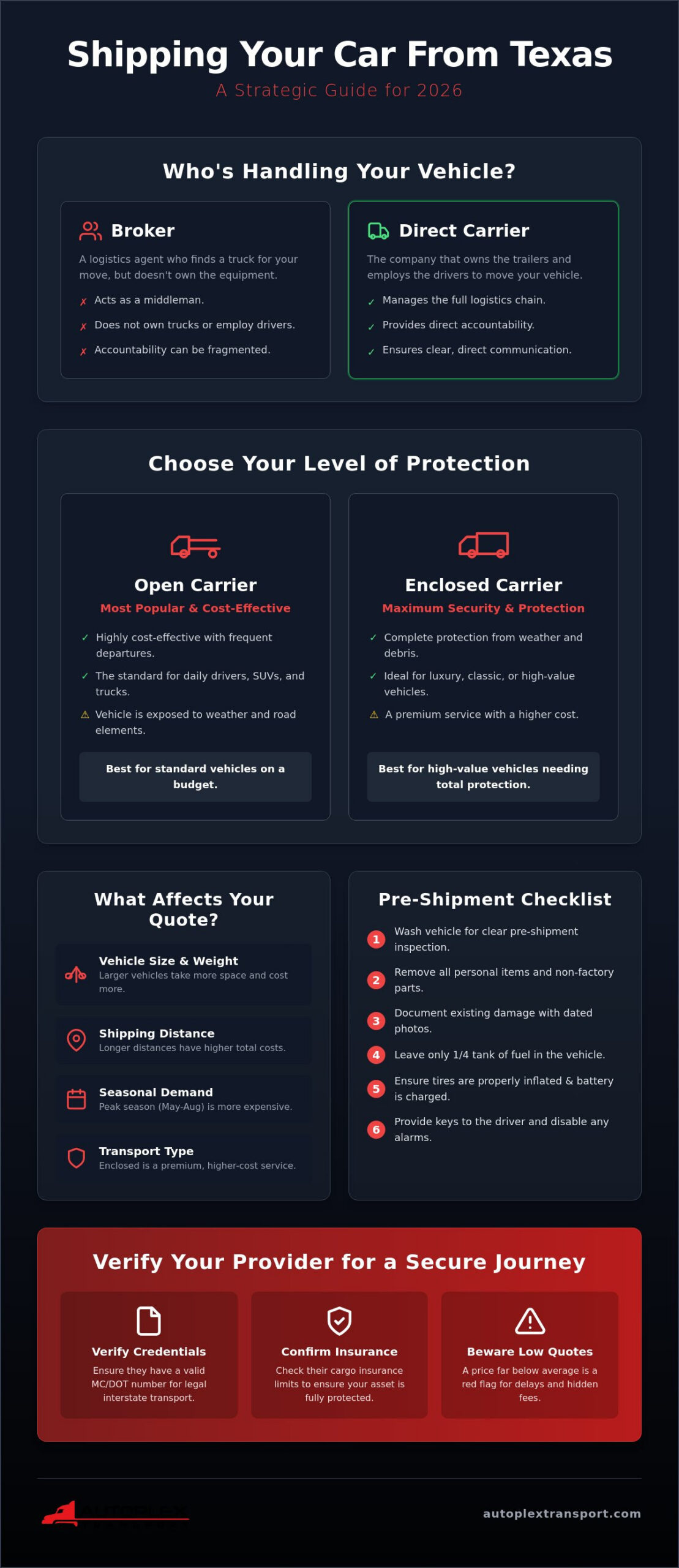
One of the most common sources of confusion for first-time shippers is the difference between a broker and a carrier. A broker is a logistics agent who finds a truck for your move, while a carrier is the entity that actually owns the trailer and employs the driver. Working with a seasoned national provider that manages the full logistics chain offers a layer of accountability that fragmented services cannot match. It ensures that the person you speak with on the phone is directly connected to the team handling your car.
When you begin requesting quotes, pay close attention to the equipment being offered. Most standard moves utilize Open and Enclosed Transport Methods depending on the level of protection your vehicle requires. A major red flag in this industry is a quote that falls significantly below the market average. This often suggests a broker who may struggle to find a legitimate carrier willing to accept the job at that price, leading to delays and last-minute hikes. Always verify that your chosen partner has a clear record of safety and transparent insurance protocols before signing any agreement.
Choosing Between Open and Enclosed Transport Methods
Deciding on a trailer type is a pivotal step in learning how to ship a car from Texas. Your choice impacts both your budget and the level of protection your vehicle receives during its multi-state journey. While both methods are professionally managed, they serve different priorities depending on the vehicle’s value and your personal comfort level. Understanding these mechanics helps you make an informed decision that aligns with your specific needs.
The primary difference lies in exposure. Open trailers are the industry workhorse, while enclosed trailers offer a specialized environment for sensitive cargo. When you’re vetting a national carrier, it’s helpful to ask about the specific equipment they use for each route. A seasoned provider will be able to explain the safety protocols for both options without pressuring you toward the more expensive service.
The Industry Standard: Open Carrier Transport
Open carrier transport is the method you see most frequently on Texas highways. These multi-car trailers maximize efficiency by carrying up to ten vehicles at once, which significantly lowers the individual cost for each customer. It’s the standard for daily drivers, SUVs, and trucks. Many owners worry about exposure, but safety statistics show that damage from road debris is statistically rare on professional routes. It remains the most popular way to ship a car from Texas because it balances speed with affordability. For a deeper look at this method, read The Comprehensive Guide to Open Transport Car Shipping in 2026.
This method is highly cost-effective and features the most frequent pickup dates due to the high volume of trailers on the road. If you have questions about whether your vehicle fits this category, you can consult with our transport experts for a personalized assessment of your route.
Maximum Protection: Enclosed Shipping Benefits
Enclosed transport is the premium alternative designed for high-value assets. If you’re moving a classic car, a luxury sedan, or a high-performance exotic out of Texas, this method provides a literal shield against the elements. You’ll generally choose between hard-side trailers, which offer a solid metal barrier, and soft-side trailers, which use heavy-duty canvas. Both options prevent dust, rain, and road grime from reaching your paintwork. This is particularly important during long interstate hauls where weather patterns can change across state lines.
The cost-to-protection ratio for enclosed shipping is higher, typically costing 30% to 60% more than open transport. However, for vehicles where a single paint chip could decrease the resale value by thousands, the investment is often non-negotiable. You can explore the technical details in our Enclosed Car Transport: The Definitive Buying Guide for 2026. This method ensures your vehicle arrives in the exact condition it left your driveway, regardless of the distance traveled.
Calculating Costs and Timelines for Texas Departures
Understanding the financial and time commitments involved is the next logical step once you’ve selected a transport method. Pricing for vehicle shipping isn’t a static figure; it’s a dynamic calculation based on several logistical variables. When you’re researching how to ship a car from Texas, it’s vital to look beyond the initial quote to understand what drives the final cost. A transparent provider will always explain these factors clearly to ensure there are no surprises at the point of delivery.
The total price of your shipment is influenced by the physical characteristics of your vehicle and the specific route requirements. Larger vehicles like heavy duty trucks or full size SUVs take up more space on a trailer and increase the total weight, which directly impacts the carrier’s fuel consumption. Additionally, the operational status of your car plays a role. If a vehicle cannot move under its own power, it requires specialized equipment like a winch or a forklift for loading, which adds a standard surcharge to the base rate. For a broader perspective on the industry standards, you can review this guide on how to ship a car to see how these variables apply across the country.
Variables That Change Your Quote
Distance is the most obvious factor, but the route’s popularity is equally important. Shipping between major hubs like Houston and Atlanta is often more cost effective than a shorter trip to a remote rural location. This is because carriers prefer “high volume” lanes where they can easily find their next load. Seasonal demand also fluctuates significantly. During the peak summer months, high competition for trailer space can increase rates by 10% to 15%. Planning your move during off peak windows in January or October can lead to more favorable pricing. Always verify that your quote includes door to door service fees and full insurance coverage to avoid hidden expenses later.
Realistic Timeline Expectations
Timelines are divided into two phases: the pickup window and the transit time. Most national carriers require a three to five day window to coordinate a driver for your specific location. Once the vehicle is loaded, transit time depends on the total mileage. A cross country trip from Texas to the East Coast typically takes five to nine days, while a move to a neighboring state might only take two or three. It’s helpful to remember that Texas weather can be unpredictable. Severe storms or hurricane activity in the Gulf region can occasionally cause logistical shifts. Reliable transport partners provide delivery windows rather than single guaranteed dates to account for these real world variables, ensuring the safety of your asset remains the top priority.
How to Prepare Your Vehicle for Interstate Shipping
Preparation is the final step within your control before the carrier arrives at your driveway. While professional drivers handle the heavy lifting, your role in readying the vehicle ensures a smooth transition and protects your investment. When you’re learning how to ship a car from Texas, you’ll find that a small amount of effort upfront prevents significant headaches at the destination. A well prepared car allows for a more accurate inspection and reduces the risk of logistical delays during the loading process.
The Visual Inspection and Bill of Lading
A thorough exterior wash is more than just a cosmetic choice. Dirt and grime can easily hide small scratches or dings, making it difficult to establish an accurate baseline of your vehicle’s condition. Once the car is clean, take high resolution photos and videos from every angle, including the roof and lower bumpers. Pay close attention to the documentation provided by your driver at pickup. The Bill of Lading is the primary legal contract between shipper and carrier. You must review this document carefully to ensure all existing wear is noted correctly before the truck departs. This paperwork serves as your receipt and your primary protection in the unlikely event of a damage claim.
Mechanical Preparation for Texas Heat
Texas climate presents unique challenges for vehicle storage and transport. Extreme heat can accelerate battery degradation and affect fluid levels. Because your car may be started and moved multiple times to accommodate other vehicles on the trailer, a healthy battery is essential. Check your coolant levels and tire pressure before the driver arrives. Under-inflated tires can make the car difficult to secure properly, while low coolant increases the risk of overheating during the short loading cycles. Mastering how to ship a car from Texas requires attention to these mechanical details to ensure the vehicle is ready for the journey. For a complete breakdown of every step, consult our How to Prepare a Car for Transport: The 2026 Essential Checklist.
Finally, remove all personal items and valuables from the interior. Federal Department of Transportation regulations generally prohibit carriers from transporting household goods inside vehicles. Items left in the trunk or backseat aren’t covered by transport insurance and can add unnecessary weight to the shipment. Ensure your fuel tank is approximately one quarter full; this provides enough gas for loading and unloading while keeping the total weight of the trailer within legal limits. If you’re ready to begin your move with a partner that prioritizes these safety standards, you can get a professional shipping quote from our team today.
Navigating Logistics with a Trusted National Carrier
Selecting a carrier is the final, most critical step in mastering how to ship a car from Texas. While the previous sections of this guide focused on preparation and pricing variables, the legal legitimacy of your transport partner determines the ultimate security of your vehicle. A reputable company won’t just provide a competitive quote; they’ll offer verifiable proof of their authority to operate across state lines. This transparency is what separates a seasoned industry veteran from a high-risk provider.
Navigating the final stage of your vehicle’s journey requires a keen eye for detail and a clear understanding of your rights as a consumer. Once you’ve solidified your plan for how to ship a car from Texas, the focus shifts to the legal and logistical protocols that ensure a safe delivery. Choosing a trusted national carrier means looking beyond the truck and driver to the regulatory framework that governs the entire interstate operation. For Texas residents who also need legal guidance regarding recreational safety on the water, click here to learn more about the expertise of The Todd Law Group, PLLC.
Verifying Your Transport Partner
Every legitimate interstate carrier must possess active Motor Carrier (MC) and Department of Transportation (DOT) numbers. You can verify these credentials by visiting the Federal Motor Carrier Safety Administration (FMCSA) database. This public record allows you to review a company’s safety ratings and insurance status before you entrust them with your asset. It’s also important to understand the specific limits of their cargo insurance. While standard policies cover most daily drivers, owners of high-value luxury vehicles should ask about specialized coverage extensions to ensure full protection during transit. Professional logistics providers maintain open lines of communication, providing updates as your vehicle moves through national corridors.
The Delivery Process: Closing the Contract
The logistics chain typically concludes with door-to-door service, which provides the highest level of convenience and safety. Unlike terminal-to-terminal shipping, where your car may sit in an unsecured lot, door-to-door transport ensures a direct handoff at your specific destination. When the truck arrives, your final responsibility is a meticulous walk-around inspection. This process involves several key steps:
- Conduct a Thorough Inspection: Examine the exterior and interior under adequate lighting to ensure the vehicle arrived in its original condition.
- Compare the Bill of Lading: Review the delivery BOL against the pickup BOL you signed in Texas to identify any new discrepancies.
- Document New Damage: If you discover any issues, you must note them clearly on the delivery BOL and take immediate photos while the driver is present.
- Finalize the Paperwork: Only sign the delivery receipt once you are satisfied that the inspection reflects the car’s current state.
If damage is discovered, having a well-documented Bill of Lading from both ends of the trip is essential. This document serves as the foundation of any insurance claim and ensures the carrier remains accountable for the vehicle’s safe arrival. By following these methodical steps, you can complete your move with the peace of mind that your vehicle has been handled with professional care from the moment it left the Lone Star State.
Secure Your Vehicle’s Journey Beyond the Lone Star State
You’ve now mastered the essential steps for moving your vehicle across state lines with confidence. By selecting the right transport method and conducting a thorough pre-shipment inspection, you’ve mitigated the most common risks associated with long-distance transit. Understanding how to ship a car from Texas requires this methodical approach to ensure your delivery is defined by transparency and professional care rather than unexpected logistical hurdles.
AutoPlex Transport is here to serve as your seasoned industry partner. We specialize in national door-to-door service and offer both expert enclosed and open carrier options to suit your specific needs. With our proven track record in interstate logistics, you can rest assured that your vehicle is in capable hands throughout its entire journey across the country.
Get a Free, Reliable Car Shipping Quote from AutoPlex Transport Today to begin your transition. We’re ready to help you move forward with peace of mind and a clear plan for a successful arrival at your new destination.
Frequently Asked Questions
How much does it cost to ship a car from Texas to another state?
The total price depends on several factors, including the distance to your destination and the size of your vehicle. While regional moves to neighboring states are generally more affordable, cross-country routes require more fuel and driver time. When you’re determining how to ship a car from Texas, it’s also helpful to consider the time of year. Peak seasons often see higher demand, which can influence the final quote provided by a national carrier.
How long does it take to ship a car out of Texas?
Transit times typically range from two to nine days after the vehicle is loaded onto the trailer. A delivery to a neighboring state might only take 48 hours, while a shipment to the East Coast or Pacific Northwest often takes about a week. You should also account for a three to five day pickup window. This timeframe allows your transport provider to coordinate the most efficient route for the driver and ensures your vehicle is prioritized.
Can I put personal items in my car when I ship it?
It’s best to keep your vehicle empty during the transit process. Federal regulations prohibit the transport of household goods inside a car being shipped on a commercial trailer. Personal items aren’t covered by the carrier’s cargo insurance and can add unnecessary weight to the total load. You should also remove toll tags and any loose items like aftermarket GPS units or specialized accessories before the driver arrives for the scheduled pickup.
Is my car insured during the transportation process?
Your vehicle is protected by the carrier’s mandatory cargo and liability insurance throughout the transit process. This coverage is a legal requirement for all professional transport companies operating in the United States. You should always review the insurance limits before booking your shipment to ensure they meet your needs. The Bill of Lading serves as your primary record for the vehicle’s condition, making it essential for any potential insurance claims at the destination.
What is the difference between open and enclosed car shipping?
Open shipping utilizes a standard multi-car trailer that is open to the air, while enclosed shipping uses a fully covered trailer for maximum protection. Open transport is the most popular and cost-effective method for daily drivers. Enclosed services are designed for high-value assets, such as classic cars or luxury exotics; they shield the vehicle from road debris and changing weather conditions across state lines. Both methods are professionally managed and secure.
Do I need to be present for the pickup and delivery of my vehicle?
You or a trusted representative must be present at both the pickup and delivery locations. This is a critical step in the logistics process because it allows for the mandatory visual inspection of the vehicle. During this time, you’ll sign the Bill of Lading, which documents the car’s condition before and after transit. If you can’t be there personally, you can designate an adult to act on your behalf to finalize the paperwork and hand over the keys.
Can I ship a car that doesn’t run?
Yes, you can ship an inoperable vehicle if you inform the carrier in advance. Non-running cars require specialized equipment, such as a winch or a forklift, to safely load them onto the trailer. This service typically involves an additional fee because it requires more time and effort from the driver. When planning how to ship a car from Texas that doesn’t run, ensure the vehicle still steers and rolls to facilitate the loading process.
How far in advance should I book my car shipment?
Booking your service two to three weeks in advance is the best way to ensure a smooth logistical experience. This lead time gives your provider the opportunity to secure a spot on a carrier that fits your specific timeline and route. While last-minute bookings are sometimes possible, planning ahead often results in more predictable scheduling. It also ensures that a driver is available during high-demand periods like the summer months when many families are relocating.