
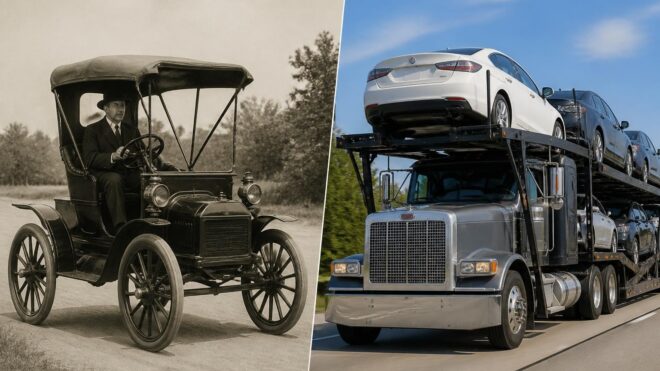
The term "horseless carriage" evokes images of early automobiles from the late 19th and early 20th centuries when motorized vehicles were revolutionary innovations. Today, horseless carriage car transport represents a specialized niche within the automotive logistics industry, focusing on the safe movement of vintage, antique, and classic vehicles that require exceptional care during shipping. Whether you own a pristine 1908 Model T or a meticulously restored 1920s roadster, understanding the intricacies of transporting these irreplaceable pieces of automotive history is essential for preservation and peace of mind.
Understanding the Horseless Carriage Era and Transportation Needs
The horseless carriage era typically refers to vehicles manufactured between 1896 and 1915, though some definitions extend into the early 1920s. These automobiles represent the dawn of personal motorized transportation, predating modern automotive design conventions.
Historical Context of Early Automobiles
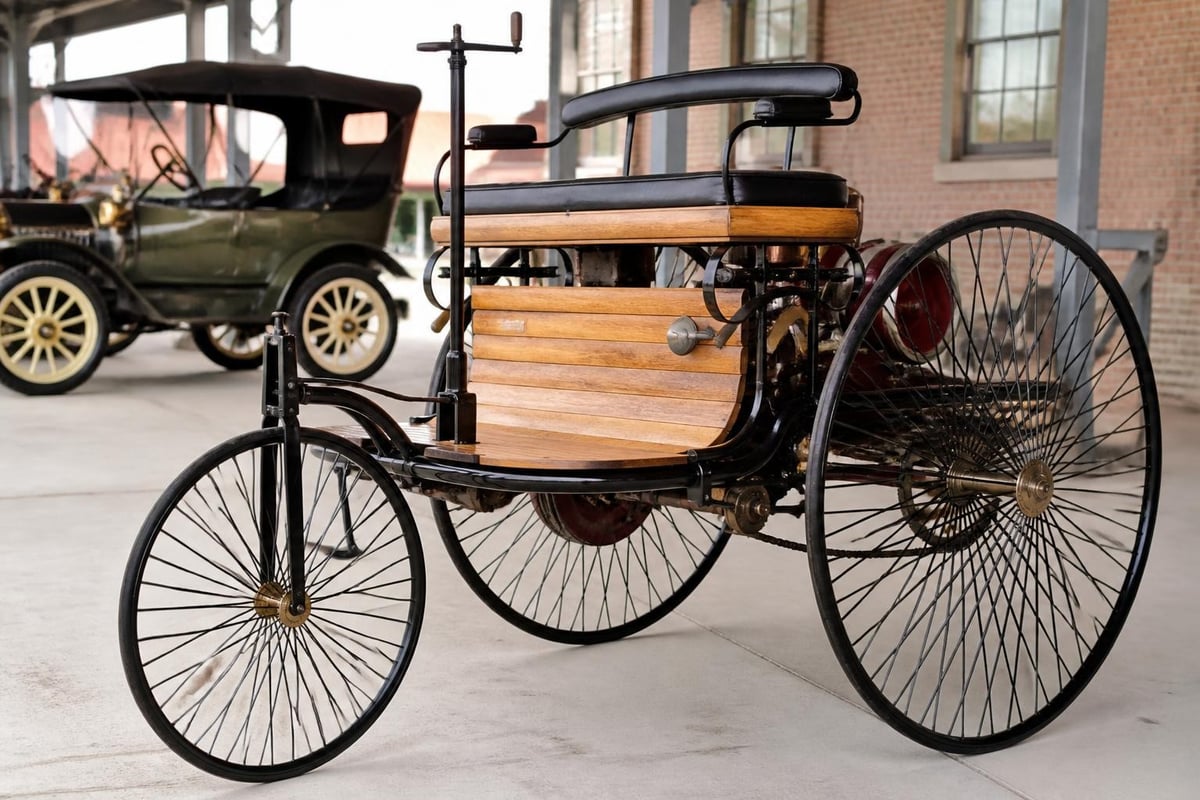
Horseless carriages were fundamentally different from modern vehicles. They featured:
- Chain or belt-driven powertrains instead of conventional drivetrains
- Tiller steering mechanisms rather than steering wheels in many models
- Wooden-spoke wheels with solid or early pneumatic tires
- Exposed mechanical components requiring frequent maintenance
- Hand-crank starting systems without electric starters
These unique characteristics make horseless carriage car transport particularly challenging. Unlike contemporary vehicles that can withstand standard shipping conditions, these antiques demand specialized handling protocols. The global automotive logistics chain has evolved significantly since these vehicles first rolled off assembly lines, but transporting them requires reverting to more cautious, individualized approaches.
Why Specialized Transport Matters for Vintage Vehicles
The value of horseless carriages extends far beyond monetary worth. These vehicles represent irreplaceable historical artifacts, family heirlooms, and significant investments. A single mishap during transport can result in catastrophic damage to components that may be impossible to replace.
Standard auto transport methods designed for modern vehicles often fall short when applied to antique automobiles. Contemporary carriers optimize for volume and efficiency, factors that can conflict with the gentle handling vintage vehicles require. Professional horseless carriage car transport services address these concerns through specialized equipment, experienced drivers, and customized loading procedures.
Transportation Methods for Antique Automobiles
Selecting the appropriate transport method is the most critical decision when shipping a horseless carriage. Each option presents distinct advantages and considerations based on your vehicle's condition, value, and destination.
Enclosed Carrier Transport
Enclosed carriers provide the highest level of protection for vintage vehicles. These trailers shield automobiles from weather, road debris, and prying eyes during transit.
| Feature | Benefit for Horseless Carriages |
|---|---|
| Climate control | Protects wood, leather, and original finishes |
| Multi-level security | Prevents theft of rare vehicles |
| Soft tie-downs | Accommodates non-standard attachment points |
| Limited capacity | Ensures minimal handling and movement |
Enclosed transport is the preferred method for museum-quality horseless carriages, concours-level restorations, and vehicles with significant historical importance. The car transport services industry has developed specialized enclosed trailers specifically designed to accommodate the unique dimensions and fragility of early automobiles.
Open Carrier Considerations
While less common for high-value antiques, open carriers can be suitable for horseless carriages under specific circumstances:
- Vehicles in need of restoration rather than pristine condition
- Shorter transport distances with favorable weather forecasts
- Budget-conscious transport when enclosed options exceed financial constraints
- Non-running vehicles that require flatbed loading capabilities
Even when selecting open transport, reputable providers implement additional protective measures for vintage automobiles, including custom covering systems and priority positioning on the carrier.
White-Glove Specialty Services
The most valuable horseless carriages warrant white-glove transport services. These premium options include:
- Solo transport where your vehicle is the only cargo
- Custom loading equipment designed for specific vehicle configurations
- Climate-controlled storage during multi-day journeys
- Dedicated transport managers overseeing every aspect
- Comprehensive documentation with detailed condition reports
White-glove horseless carriage car transport often involves services similar to those used for transporting race cars or exotic supercars, with pricing reflecting the extraordinary level of care provided.
Preparing Your Horseless Carriage for Transport
Proper preparation is essential for ensuring your antique vehicle arrives safely at its destination. Unlike modern cars that require minimal pre-transport work, horseless carriages demand thorough attention to detail.
Mechanical and Structural Assessment
Before scheduling transport, complete a comprehensive evaluation:
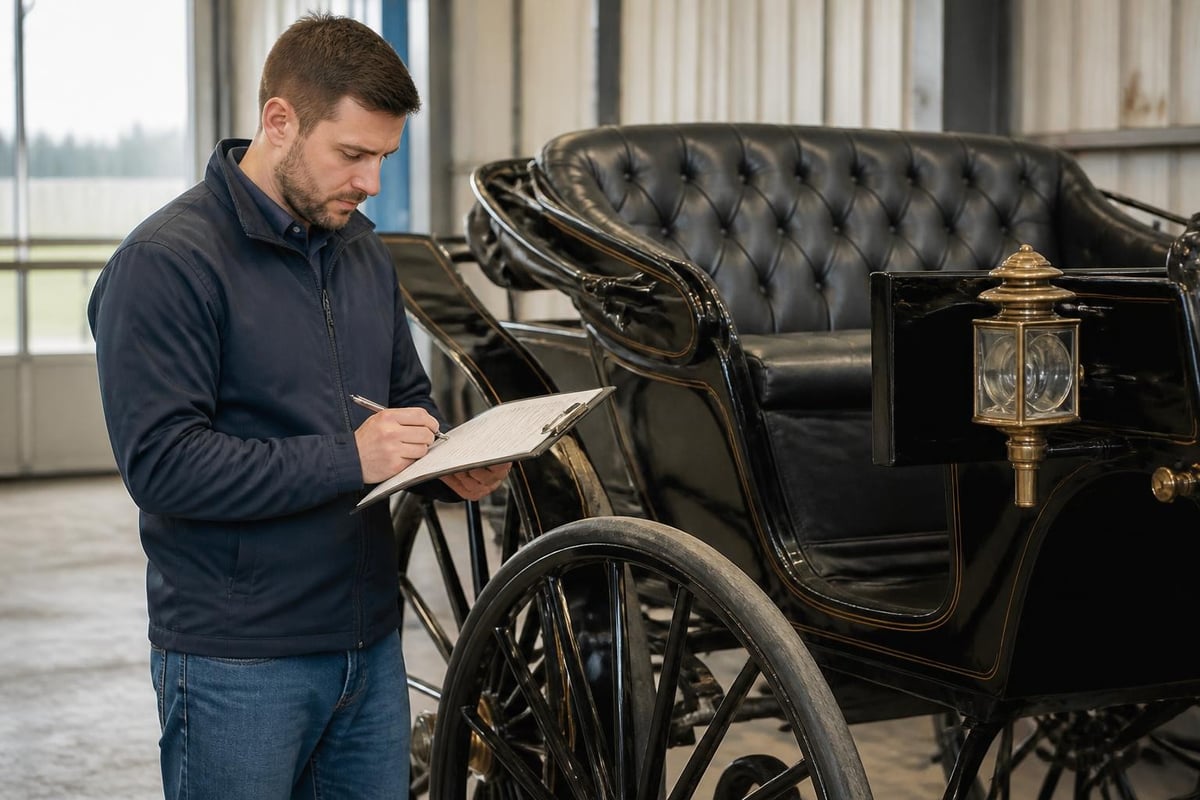
- Document all existing damage with high-resolution photographs from multiple angles
- Secure loose components including removable lamps, horns, and decorative elements
- Check wheel bearings and ensure wheels are properly secured to hubs
- Inspect tires for dry rot or deterioration that could fail during loading
- Test braking systems even if the vehicle won't be driven during transport
Some horseless carriages feature components that modern drivers may not recognize. Work with a vintage automobile specialist to identify potential vulnerability points specific to your vehicle's make and model year.
Documentation and Insurance Verification
Insurance coverage for horseless carriage car transport requires special attention. Standard auto transport policies may not adequately cover vehicles valued in excess of typical limits or those with agreed-value insurance policies.
Request and review:
- Certificate of insurance from your transport provider
- Coverage limits that meet or exceed your vehicle's appraised value
- Exclusion clauses that might limit coverage for vintage automobiles
- Claims procedures specific to antique vehicle transport
Many collectors maintain separate collector car insurance policies that extend coverage during transport. Verify coordination between your policy and the carrier's insurance to eliminate coverage gaps.
Selecting a Qualified Transport Provider
Not all auto transport companies possess the expertise required for horseless carriage car transport. The specialized nature of these vehicles demands carriers with proven experience in vintage automobile logistics.
Essential Qualifications to Verify
When evaluating transport providers, investigate these critical factors:
- Vintage vehicle experience with verifiable references from previous clients
- Specialized equipment designed to accommodate early automobile designs
- Driver training programs focused on handling high-value antiques
- Climate-controlled options for temperature-sensitive vehicles
- Cargo insurance specifically covering collector automobiles
The Transportation Research Board’s research on finished vehicle transport highlights the importance of operational efficiency and specialized processes in automotive logistics. These principles apply even more critically to irreplaceable vintage vehicles.
Regional Expertise and Route Planning
Geographic considerations play a significant role in horseless carriage car transport. Providers familiar with specific regions understand local road conditions, weather patterns, and potential challenges.
For example, transporting a vintage automobile from the Northeast to the Southwest requires different planning than a California-to-Florida route. Companies offering car transport service in Albany County or car transport service in Bronx County understand the unique challenges of navigating urban areas with oversized or delicate cargo.
Industry Challenges and Modern Solutions
The automotive transport industry faces ongoing challenges that directly impact horseless carriage car transport services. Understanding these factors helps set realistic expectations and timelines.
Capacity Constraints and Market Dynamics
According to Automotive Logistics industry surveys, finished vehicle logistics continues to experience capacity challenges. These pressures affect vintage vehicle transport as well, particularly during peak seasons when collector car auctions, shows, and events create demand spikes.
Planning your horseless carriage car transport well in advance provides several advantages:
- Greater carrier selection with access to preferred providers
- Better pricing avoiding premium rates for last-minute bookings
- Optimal timing to avoid adverse weather conditions
- Flexible scheduling accommodating your preparation timeline
- Thorough planning allowing proper vehicle preparation and documentation
Technology Integration in Classic Vehicle Transport
Modern transport companies apply technology to enhance service quality for vintage vehicles:
| Technology | Application for Horseless Carriages |
|---|---|
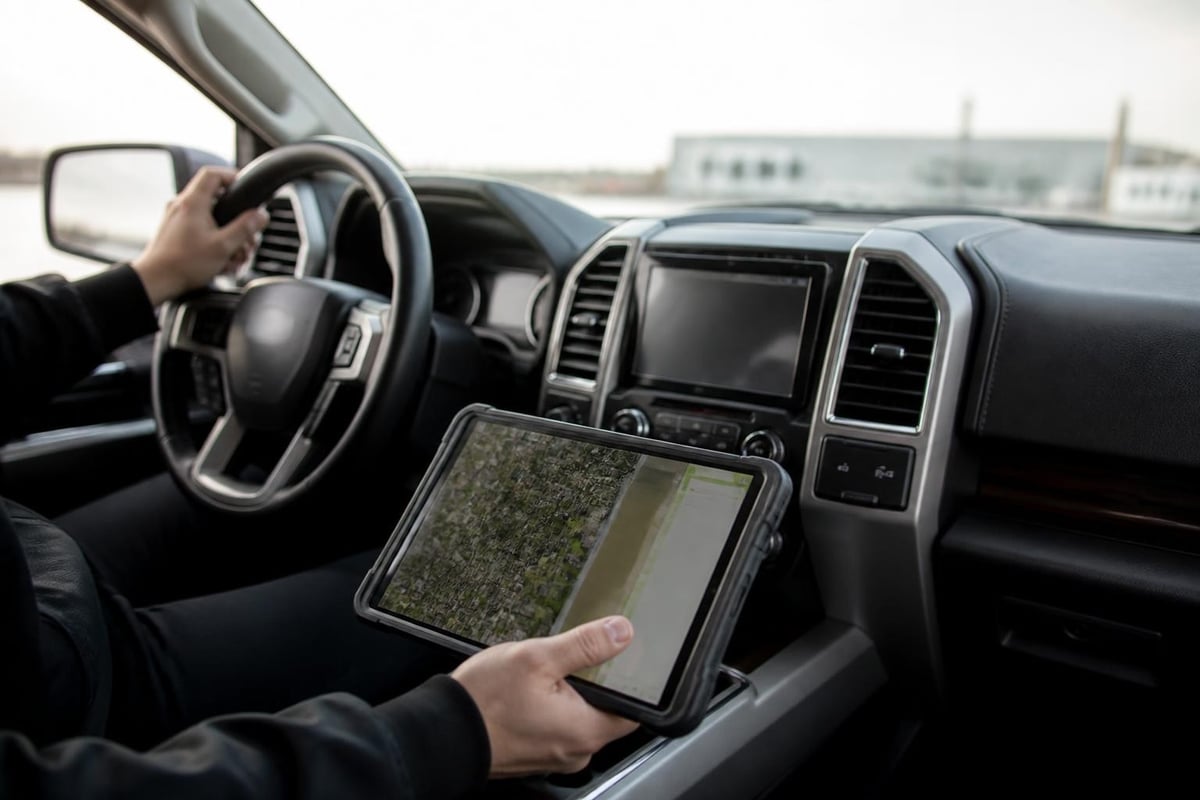
| GPS tracking | Real-time location monitoring during transit |
| Digital documentation | Comprehensive photo/video condition reports |
| Climate monitoring | Temperature and humidity tracking in enclosed trailers |
| Communication platforms | Direct updates and carrier contact capabilities |
These innovations provide unprecedented transparency and peace of mind for owners entrusting their valuable antiques to professional carriers.
Cost Factors and Budget Planning
Horseless carriage car transport pricing varies significantly based on multiple variables. Understanding these factors helps establish realistic budgets and avoid surprise expenses.
Primary Cost Determinants
Transport pricing for vintage vehicles depends on:
- Distance traveled with per-mile rates decreasing for longer hauls
- Service level selected from standard enclosed to white-glove specialty
- Vehicle dimensions as oversized carriages require special accommodations
- Seasonal timing with peak periods commanding premium rates
- Pickup and delivery locations affecting accessibility and routing
A horseless carriage transported from Amherst to Garden City using enclosed transport will cost more than shipping a modern sedan the same distance, reflecting the specialized service requirements.
Value Protection vs. Cost Savings
While budget considerations matter, prioritizing extreme cost savings when transporting irreplaceable vintage vehicles carries significant risks. The maritime safety documentation from the International Maritime Organization emphasizes risk mitigation in vehicle transport, principles equally applicable to domestic antique automobile shipping.
Consider the cost of transport as insurance against potential damage. A few hundred dollars in additional expense for superior service pales in comparison to repair costs for damaged original components or diminished value from preventable harm.
International Horseless Carriage Transport Considerations
Collectors frequently acquire horseless carriages from international sources or ship vehicles overseas for exhibitions and competitions. International transport introduces additional complexity beyond domestic services.
Customs and Documentation Requirements
Cross-border horseless carriage car transport requires meticulous documentation:
- Bill of sale proving ownership and purchase details
- Title documentation translated if necessary for foreign authorities
- Age verification establishing antique vehicle status for import duties
- Valuation appraisals for customs declaration purposes
- Temporary or permanent import permits depending on intended use
Partnering with transport companies experienced in international vintage vehicle shipping ensures proper documentation and compliance with regulations in both origin and destination countries.
Ocean Freight vs. Air Transport
For international moves, vehicle owners must choose between ocean freight and air transport. Ocean shipping via Ro-Ro (roll-on/roll-off) vessels or container shipping offers cost-effective solutions but extends transit time significantly. Air freight provides rapid delivery at premium pricing, suitable for time-sensitive situations or extremely valuable automobiles.
Container shipping provides the best protection for horseless carriages during ocean transit, isolating the vehicle from other cargo and marine environmental factors. The NSF research on finished vehicle distribution explores modal choices in automotive logistics, highlighting the trade-offs between cost, speed, and protection across different transport methods.
Special Situations and Custom Solutions
Certain scenarios require creative problem-solving beyond standard transport protocols. Experienced providers develop customized solutions for unique challenges.
Non-Running Vehicle Transport
Many horseless carriages are not in running condition, whether due to ongoing restoration, mechanical issues, or preservation decisions to avoid unnecessary operation. Transporting non-running vehicles requires specialized loading equipment:
- Hydraulic liftgates for gentle loading without pushing or towing
- Dollies designed for vehicles without functional braking systems
- Winch systems calibrated for appropriate pulling force
- Wheel skates for positioning within trailers without tire rotation
Oversized and Unusual Configurations
Early automobiles came in diverse configurations that don't conform to modern dimensional standards. High-wheel motor buggies, elongated touring cars, and vehicles with extended tiller steering require customized transport accommodations.
Professional horseless carriage car transport providers maintain relationships with specialty equipment suppliers who can source appropriate trailers, ramps, and securing systems for unusual vehicle configurations.
Seasonal Timing and Event Logistics
The vintage automobile calendar influences optimal timing for horseless carriage car transport. Major events create predictable demand patterns that affect availability and pricing.
Peak Season Planning
Collector car auctions, concours events, and vintage automobile shows generate concentrated transport demand during specific periods:
Spring and Summer witness the highest activity with:
- Pebble Beach Concours d'Elegance
- Amelia Island Concours d'Elegance
- Greenwich Concours d'Elegance
- AACA national meets
Fall brings:
- Hershey AACA Eastern Regional Fall Meet
- Various regional vintage automobile shows
- Preparation for winter storage relocations
Booking transport services 6-8 weeks ahead of major events ensures availability and allows ample preparation time. Last-minute arrangements during peak periods often prove difficult or prohibitively expensive.
Weather Considerations
Climate conditions significantly impact horseless carriage car transport planning. Extreme temperatures, precipitation, and humidity threaten vintage vehicles' delicate components and original finishes.
Optimal transport windows vary by region but generally favor:
- Moderate temperatures protecting rubber components and finishes
- Low precipitation risk eliminating water exposure concerns
- Stable weather patterns reducing delays and route changes
Northern regions see reduced vintage vehicle transport during winter months when road salt, freezing temperatures, and storm risks increase substantially.
Post-Transport Inspection and Care
The transport process doesn't end when your horseless carriage arrives at its destination. Thorough post-delivery procedures protect your interests and ensure accountability.
Delivery Inspection Protocol
When your vehicle arrives, conduct a detailed inspection before signing acceptance documents:
- Compare condition against pre-transport photographs and documentation
- Examine all surfaces for new scratches, dents, or finish damage
- Check mechanical components ensuring nothing has loosened during transit
- Verify accessories confirming all original components remain present
- Document any discrepancies with photographs before the carrier departs
Note any concerns on the delivery receipt, as this documentation becomes critical if filing damage claims becomes necessary. Never sign "clear" delivery if you observe damage or discrepancies.
Post-Delivery Vehicle Care
After transport, some horseless carriages benefit from specific care procedures:
- Mechanical inspection by a qualified vintage automobile technician
- Tire pressure verification as pressure may change during transit
- Fluid level checks if the vehicle was prepared with reduced fluids
- Climate acclimation allowing gradual temperature adjustment for vehicles moving between significantly different climates
These steps ensure your horseless carriage remains in optimal condition following transport and identify any issues requiring attention before use or exhibition.
Building Long-Term Transport Relationships
Collectors who regularly move vintage vehicles benefit from establishing ongoing relationships with trusted transport providers. These partnerships yield multiple advantages over one-time service arrangements.
Benefits of Preferred Provider Relationships
Working repeatedly with the same transport company creates mutual familiarity:
- Carrier knowledge of your specific vehicles and their requirements
- Streamlined processes eliminating repetitive documentation and explanations
- Priority scheduling during high-demand periods
- Relationship pricing potentially offering rate advantages for repeat business
- Trust and accountability built through proven track records
For collectors maintaining multiple horseless carriages or frequently attending events, these relationships become invaluable assets in protecting and managing valuable automotive collections.
Understanding the specialized requirements of horseless carriage car transport ensures these irreplaceable pieces of automotive history receive the care they deserve during relocation. Whether you're moving a single treasured antique or managing an extensive collection, selecting qualified professionals makes all the difference in preserving your investment. AutoPlex Transport combines expertise in handling valuable vehicles with comprehensive door-to-door service, offering both enclosed and open carrier options tailored to your specific needs. Contact their Houston-based team to discuss how their nationwide auto shipping services can safely transport your vintage automobile with the specialized attention it requires.
