

Moving a vehicle across the United States requires careful planning, research, and the right transport partner. Whether you're relocating for work, purchasing a car from another state, or snowbirding between seasonal residences, understanding the usa auto transport process ensures your vehicle arrives safely and on schedule. The auto shipping industry has evolved significantly, offering multiple service tiers, comprehensive insurance options, and technology-driven tracking systems that provide peace of mind throughout the journey. This guide walks you through everything you need to know about shipping your vehicle across America, from selecting the right carrier type to avoiding common pitfalls.
Understanding USA Auto Transport Services
The usa auto transport industry operates through a network of carriers, brokers, and logistics companies that specialize in moving vehicles across state lines. Professional auto transport companies offer solutions tailored to different vehicle types, budgets, and timeline requirements.
Most transport services fall into two primary categories: open carrier transport and enclosed carrier transport. Open carriers are the most common method, accounting for approximately 90% of all vehicle shipments nationwide. These multi-level trailers can carry between seven and ten vehicles simultaneously, making them the most economical option for standard cars, trucks, and SUVs.
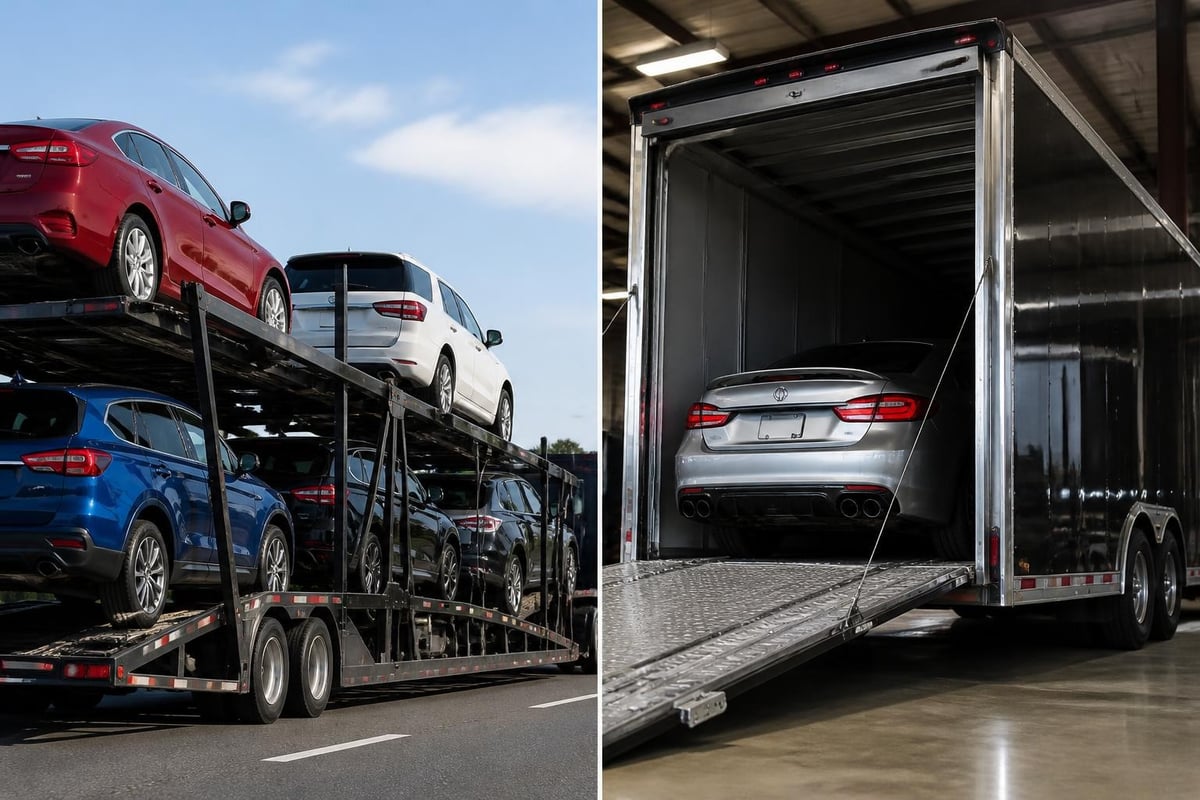
Open Carrier Transport
Open carrier transport exposes vehicles to weather and road debris during transit, yet remains the industry standard due to its affordability and availability. This method works exceptionally well for everyday vehicles that don't require specialized protection.
Benefits of open carrier transport:
- Cost-effective pricing, typically 30-40% less than enclosed options
- Wide availability with frequent departure schedules
- Faster booking and shorter wait times
- Proven track record for standard vehicle transport
The exposure factor rarely causes issues for modern vehicles. Professional carriers exercise care when loading and securing vehicles, and the same weather conditions affect cars driven on highways daily. For most vehicle owners, open carrier transportation provides an excellent balance between cost and service quality.
Enclosed Carrier Transport
Enclosed carriers provide complete protection from weather, road debris, and potential damage during transit. These specialized trailers typically accommodate two to seven vehicles in a fully enclosed environment, making them ideal for luxury cars, classic automobiles, exotic vehicles, and motorcycles.
| Feature | Open Carrier | Enclosed Carrier |
|---|---|---|
| Average Cost | $500-$1,200 | $800-$2,000 |
| Capacity | 7-10 vehicles | 2-7 vehicles |
| Weather Protection | Minimal | Complete |
| Availability | High | Limited |
| Best For | Standard vehicles | Luxury/classic cars |
Premium vehicles justify the additional investment in enclosed transport. When shipping a high-value automobile, the extra cost represents a small percentage of the vehicle's total value while providing comprehensive protection throughout the journey.
The USA Auto Transport Process
Successfully shipping a vehicle requires understanding each phase of the transport process. From initial quote requests through final delivery, knowing what to expect helps avoid surprises and ensures smooth coordination with your carrier.
Getting Accurate Quotes
Start by requesting quotes from multiple reputable companies at least two to three weeks before your desired shipping date. According to Consumer Reports’ expert auto transport tips, comparing at least three providers helps identify fair market rates and suspicious pricing.
Information needed for accurate quotes:
- Origin and destination zip codes
- Vehicle year, make, and model
- Operational status (running or non-operational)
- Preferred transport type (open or enclosed)
- Desired pickup and delivery dates
- Any modifications affecting dimensions
Price quotes vary based on distance, route popularity, vehicle size, transport type, and seasonal demand. Popular routes between major metropolitan areas typically offer more competitive pricing than rural or less-traveled routes.
Choosing Between Brokers and Carriers
The usa auto transport industry operates through two distinct business models. Auto transport carriers own and operate the trucks that physically move your vehicle. Auto transport brokers connect customers with carriers, handling logistics and coordination without owning transport equipment.
Working with established brokers offers access to extensive carrier networks, potentially faster booking, and competitive pricing through their relationships. Direct carrier relationships may provide slightly lower costs and simplified communication, though availability may be more limited.
Research potential companies thoroughly before committing. Verify licensing through the Federal Motor Carrier Safety Administration (FMCSA), check Better Business Bureau ratings, and read recent customer reviews. The BBB’s guidance on moving scams highlights red flags applicable to vehicle transport, including unusually low quotes and demands for large upfront deposits.

Preparing Your Vehicle
Proper vehicle preparation protects your automobile and streamlines the pickup process. Professional carriers expect vehicles to meet specific requirements before loading onto transport trailers.
Essential preparation steps:
- Remove all personal belongings from the interior and trunk
- Ensure the fuel tank is between one-quarter and one-half full
- Disable alarm systems to prevent battery drainage
- Document existing damage with dated photographs from multiple angles
- Secure or remove aftermarket accessories like spoilers or bike racks
- Check tire pressure and ensure the battery holds a charge
Personal items inside vehicles create liability issues and add unnecessary weight. Most carriers explicitly prohibit transporting personal belongings, and their insurance typically excludes coverage for non-vehicle items. If you're coordinating a household move simultaneously, consider specialized moving services for your belongings rather than risking items in your vehicle during transport.
Cost Factors and Pricing
Understanding what influences usa auto transport pricing helps set realistic budget expectations and identify fair quotes. Multiple variables affect the final cost, some within your control and others determined by market conditions.
Distance represents the primary cost factor, but pricing isn't strictly linear. Short-distance moves (under 500 miles) often cost more per mile than cross-country shipments due to fixed operational costs. A 200-mile transport might cost $400 ($2 per mile), while a 2,000-mile journey might total $1,200 ($0.60 per mile).
Seasonal and Route Considerations
Peak moving seasons (May through September) command premium pricing due to high demand. Students returning home, families relocating during summer break, and snowbirds heading to warmer climates create capacity constraints that drive prices upward.
Route popularity significantly impacts availability and cost. High-volume corridors between major cities like New York to Florida or California to Texas feature regular carrier traffic and competitive pricing. Transporting to or from remote areas requires special routing, potentially adding $100-$300 to base quotes.
Buying a car out of state has become increasingly common as buyers search nationwide for specific models or better pricing. When purchasing remotely, factor transport costs into your total vehicle price to ensure the deal remains advantageous compared to local options.
Insurance Coverage and Protection
Insurance represents a critical consideration when selecting usa auto transport services. Understanding coverage types, limitations, and your responsibilities protects your financial interests should damage occur during transit.
Carrier Insurance Requirements
Federal regulations require all licensed auto transport carriers to maintain cargo insurance covering vehicles in their care. Minimum coverage levels vary based on the number of vehicles transported simultaneously, ranging from $75,000 to $750,000 per occurrence.
Request a copy of the carrier's insurance certificate before booking, verifying coverage amounts and policy validity. According to Progressive’s guidance on shipping car insurance, carrier cargo insurance covers damage caused during loading, transport, and unloading, but typically includes deductibles between $0 and $500.
Key insurance verification steps:
- Confirm current insurance certificate with policy numbers
- Understand deductible amounts and claims procedures
- Review coverage limitations and exclusions
- Document pre-existing damage thoroughly
- Consider supplemental coverage for high-value vehicles
Your personal auto insurance generally doesn't cover damage during commercial transport. Contact your insurance agent to clarify whether your comprehensive coverage extends to usa auto transport situations or if the carrier's insurance represents your sole protection.

Door-to-Door vs Terminal-to-Terminal Service
Service level selection affects convenience, cost, and timeline. Most customers prefer door-to-door service despite slightly higher costs, while terminal-to-terminal options suit specific situations.
Door-to-Door Transport
Door-to-door service means the carrier picks up your vehicle from your specified address and delivers it to your destination address. This premium convenience eliminates the need to transport your car to and from terminals, saving time and hassle.
Carriers schedule pickup windows rather than exact times, typically providing 24-48 hour notice before arrival. Large car haulers cannot always access narrow residential streets or areas with low-hanging trees and tight turns. In such cases, carriers arrange nearby meeting points at accessible locations like shopping centers or parking lots.
| Service Type | Convenience | Cost | Timeline |
|---|---|---|---|
| Door-to-Door | Highest | Higher | Flexible |
| Terminal-to-Terminal | Lower | Lower | Rigid |
| Hybrid | Moderate | Moderate | Semi-flexible |
Terminal-to-Terminal Options
Terminal-to-terminal service requires you to drop off and pick up your vehicle at designated carrier facilities. This option reduces costs by $50-$150 but demands your time and coordination. Budget-conscious customers with flexible schedules may find terminals worthwhile, particularly when terminals conveniently align with their travel routes.
Consider terminal locations carefully. Some carriers operate terminals in industrial areas far from residential neighborhoods, potentially requiring rideshare services or friend assistance for drop-off and pickup.
Choosing a Reputable USA Auto Transport Company
Selecting the right transport partner significantly impacts your experience. The industry includes thousands of companies ranging from national corporations to small regional operators, each with varying service levels, specializations, and reputations.
Research and Verification
Begin your search by verifying proper licensing and registration. All interstate auto transport companies must register with the FMCSA and carry a valid Motor Carrier (MC) or US DOT number. These identifiers allow you to check safety ratings, complaint histories, and insurance verification through the FMCSA database.
Essential verification checklist:
- Valid USDOT and MC numbers
- Current insurance certificates
- BBB accreditation and rating
- Recent customer reviews on multiple platforms
- Industry association memberships
- Years in business and experience level
Read recent customer reviews with a critical eye. Perfect five-star ratings across hundreds of reviews may indicate manipulation, while a mix of ratings with thoughtful company responses to concerns often signals authentic feedback. ConsumerAffairs’ comprehensive shipping guide recommends focusing on reviews discussing communication quality, timing accuracy, and damage handling.
Red Flags and Warning Signs
Certain behaviors and business practices should trigger immediate concern when researching usa auto transport companies. Protecting yourself from unscrupulous operators requires recognizing common warning signs.
Major red flags to avoid:
- Quotes significantly lower than competitors (20%+ below average)
- Demands for large upfront deposits (over $200-$300)
- Requests for cash-only payments
- No physical business address or phone number
- Pressure tactics or "limited time" booking demands
- Inability to provide proof of insurance
- No written contract or vague terms
Legitimate companies provide detailed written contracts outlining services, pricing, insurance coverage, pickup windows, delivery estimates, and cancellation policies. Review contracts thoroughly before signing, ensuring all verbal promises appear in writing.
For specialized vehicles requiring extra care, consider companies with specific expertise. European performance vehicles, for instance, may benefit from carriers experienced with low-clearance sports cars, while classic car owners might seek transport services familiar with vintage automobile requirements. European car specialists understand the unique considerations these vehicles demand, and similarly specialized transport companies approach shipping with appropriate care.
Regional Considerations for USA Auto Transport
Geographic factors influence usa auto transport logistics, pricing, and service availability. Understanding regional dynamics helps set realistic expectations and plan accordingly.
Northeast Corridor Transport
The Northeast features dense populations and extensive carrier networks serving major metropolitan areas. Transport services throughout New York State benefit from high route frequency and competitive pricing due to consistent demand.
Winter weather creates seasonal challenges in northeastern states. Ice, snow, and road salt exposure make enclosed transport particularly attractive for valuable vehicles during November through March. Plan additional buffer time during winter months when weather delays affect schedules.
Popular Northeast routes:
- New York to Florida (snowbird corridor)
- Boston to North Carolina
- Philadelphia to Texas
- New Jersey to California
Southern and Western Routes
Southern states enjoy year-round transport activity with fewer weather-related delays. Texas, Florida, and California serve as major automotive hubs with constant carrier traffic. Houston-based companies like AutoPlex Transport maintain strong regional networks while offering nationwide service coverage.
Western routes crossing mountain ranges may experience seasonal closures or weather delays during heavy snow periods. The I-70 corridor through Colorado and the I-80 route through Wyoming require winter contingency planning for November through April shipments.
Timeline and Transit Expectations
Understanding realistic transport timelines prevents frustration and helps coordinate other aspects of your relocation or vehicle delivery. Several factors influence how long usa auto transport takes from booking through final delivery.
Booking to Pickup Window
Lead time between booking and pickup varies based on route popularity and carrier availability. Major corridors may offer pickup within 1-3 days, while remote locations might require 5-10 days to arrange carrier assignment. Booking at least two weeks in advance provides optimal scheduling flexibility.
Carriers provide pickup windows rather than specific times, typically spanning 1-2 days. This flexibility allows them to coordinate multiple pickups along efficient routes. Expect to remain available throughout the pickup window or arrange for someone to release the vehicle on your behalf.
Transit Duration
Transit time depends primarily on distance and route directness. Carriers average 400-500 miles daily, though schedules vary based on weather, traffic, additional pickups/deliveries, and mandatory driver rest periods.
| Distance | Typical Transit Time |
|---|---|
| 0-500 miles | 1-3 days |
| 500-1,000 miles | 2-4 days |
| 1,000-1,500 miles | 3-6 days |
| 1,500-2,500 miles | 5-8 days |
| 2,500+ miles | 7-10 days |
Cross-country shipments from New York to California typically require 7-10 days, while regional moves like Texas to Colorado complete in 3-5 days. Budget additional buffer time for seasonal weather challenges or when coordinating vehicle arrival with other moving logistics.
Delivery and Vehicle Inspection
The final delivery represents the most critical phase of usa auto transport. Proper inspection procedures protect your interests and ensure any transit damage gets documented immediately.
Inspection Procedures
Inspect your vehicle thoroughly before signing the delivery receipt. Carriers expect customers to complete inspections while the driver waits, so conduct examinations systematically but efficiently.
Systematic inspection approach:
- Walk around the entire vehicle examining all panels
- Check windshields, windows, and mirrors for chips or cracks
- Inspect wheels, tires, and undercarriage (if accessible)
- Test all lights, locks, and basic functions
- Compare current condition to pre-shipment photos
- Note any new damage on the Bill of Lading immediately
Document all damage immediately, no matter how minor. Take photographs with the carrier truck visible in background shots establishing delivery context. Both you and the driver should sign condition reports acknowledging discovered damage. Delayed damage claims face significant scrutiny and potential denial, making immediate documentation essential.
If significant damage appears, note it clearly on the Bill of Lading before signing. You're not refusing delivery but establishing a damage record contemporaneous with receipt. This documentation proves critical for insurance claims.
Damage Claims Process
Discovering damage after signing a clean Bill of Lading complicates claims significantly. Most carrier insurance policies require notification within 24-48 hours of delivery, with formal claims filed within specified timeframes.
Contact the transport company immediately upon discovering damage. Provide detailed photographs showing all damage angles, your signed Bill of Lading, and pre-shipment condition photos. Follow up with written notice via email documenting the damage and requesting claims procedures.
Legitimate companies maintain professional claims processes and work cooperatively to resolve valid damage issues. Unresponsive companies or those deflecting responsibility signal why thorough research before booking proves invaluable.
Specialized Vehicle Transport
Certain vehicles require specialized usa auto transport considerations beyond standard car shipping. Understanding unique requirements ensures appropriate service selection and proper handling.
Luxury and Exotic Vehicles
High-value automobiles demand enclosed transport with climate control and extra security measures. Luxury car owners should seek carriers specializing in premium vehicles, offering features like liftgate loading (avoiding drive-on/drive-off risks) and real-time GPS tracking.
Comprehensive insurance becomes particularly important for luxury vehicles. Verify coverage limits meet or exceed your vehicle's value, considering supplemental insurance policies for exotic automobiles worth over $100,000.
Classic and Antique Automobiles
Vintage vehicles present unique challenges including fragile components, non-operational conditions, and irreplaceable value. Classic car transport requires enclosed carriers with soft-tie options preventing contact damage and climate control protecting sensitive materials.
Non-operational vehicles require winch loading capabilities. Communicate inoperable status when requesting quotes, as this affects pricing and carrier selection. Specialized classic car carriers understand period-correct handling requirements modern vehicle operators might overlook.
Motorcycles and Multiple Vehicles
Motorcycle transport typically uses enclosed trailers with specialized securing systems designed for two-wheeled vehicles. Bikes shipped on standard auto carriers risk damage from inadequate tie-down points and exposure to car fluids potentially dripping during transit.
Shipping multiple vehicles simultaneously often yields per-vehicle discounts. Families relocating with several cars or dealerships moving inventory benefit from multi-vehicle pricing structures offering savings of 10-25% compared to individual shipments.
Successfully navigating usa auto transport requires understanding service options, choosing reputable carriers, and preparing properly for both pickup and delivery. Whether you're shipping a daily driver across the country or transporting a valuable classic automobile, working with experienced professionals ensures your vehicle arrives safely and on schedule. AutoPlex Transport specializes in comprehensive auto shipping solutions across the United States, offering both open and enclosed carrier options backed by full insurance coverage and door-to-door convenience. Contact AutoPlex Transport today for a detailed quote and experience the peace of mind that comes with professional vehicle transport services.
