Did you know that nearly 71% of all vehicles transported across the United States travel via open-air carriers? It’s natural to feel a bit of anxiety when you’re handing over your keys, especially with common concerns about road debris or the confusion surrounding delivery windows. You deserve a process that’s transparent and a partner who treats your vehicle with the same care you do. Finding a balance between a competitive price and the safety of your car shouldn’t feel like a gamble.
This guide explains why open carrier car transport remains the most popular and reliable method for moving vehicles nationwide in 2026. You’ll discover how the industry has evolved with new protections like the SAFER Transport Act and digital route optimization to ensure your car arrives on time and in good condition. We’ll walk you through the door-to-door process, help you identify hidden fees in shipping quotes, and provide the clarity you need to ship your vehicle with total confidence.
Key Takeaways
- Learn why open-air trailers are the industry standard for manufacturers and the most accessible option for national moves.
- Understand how the logistics of open carrier car transport utilize hub-and-spoke models and precise loading science to maximize vehicle safety.
- Discover the practical framework for choosing between open and enclosed shipping while debunking common myths about vehicle resale value.
- Get a step-by-step checklist for preparing your vehicle to meet legal and safety requirements for nationwide transport.
- See how door-to-door logistics simplify the shipping process and provide a more convenient, transparent experience for every customer.
Understanding Open Carrier Car Shipping: The National Standard
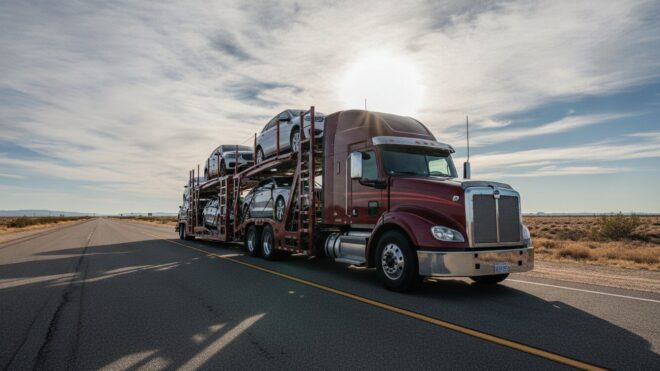
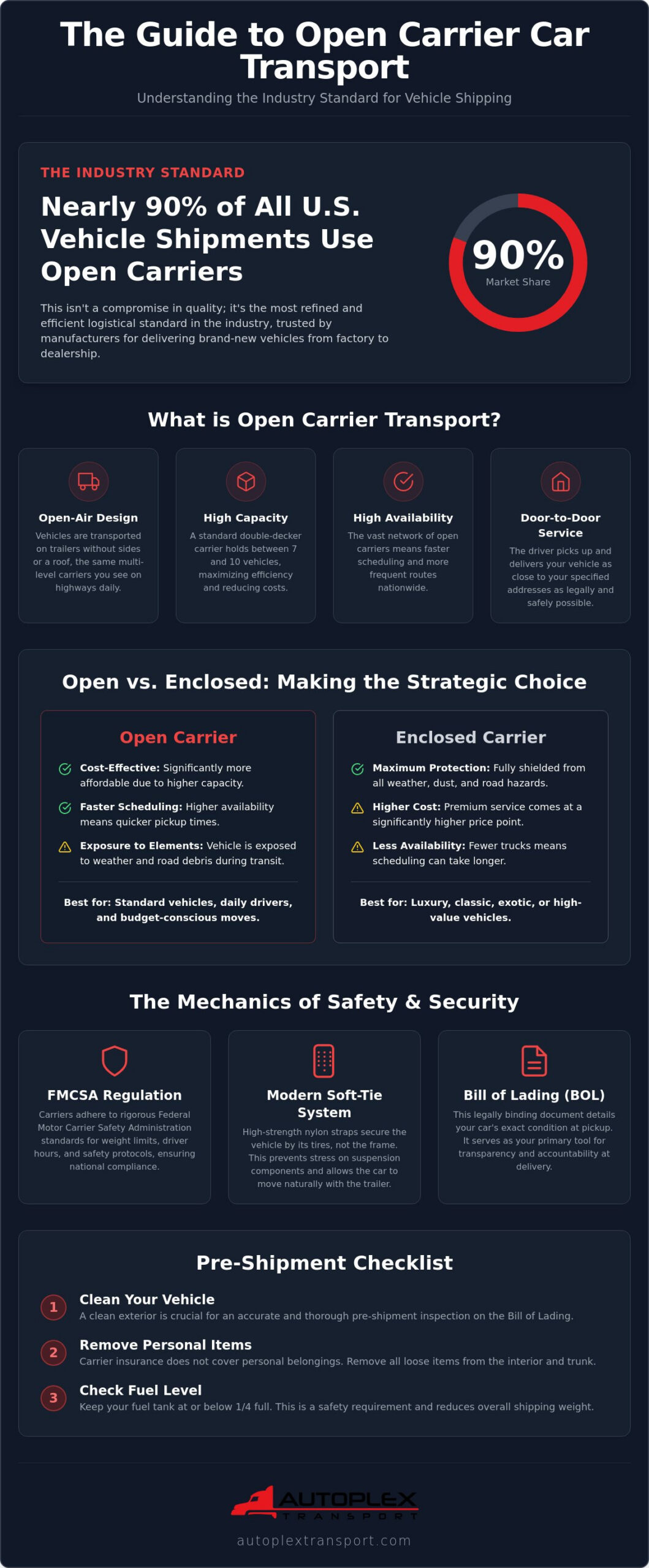
Open carrier car transport is the most recognized method of vehicle relocation in the United States. You’ve likely seen these large, open-air trailers traveling along major interstates, carrying multiple vehicles stacked on two distinct levels. This method is the industrial backbone of the automotive world. In fact, it’s the primary system that manufacturers like Ford, General Motors, and Toyota use to deliver brand-new vehicles from factories to local dealerships across the country. Because of its massive scale and efficiency, open-air carriers account for nearly 71% of fleet deployment in the U.S. logistics market as of 2026.
Safety and oversight are central to how these carriers operate. The Federal Motor Carrier Safety Administration (FMCSA) maintains strict regulatory control over the industry to protect both the drivers and your assets. In 2026, these regulations have become even more robust. For instance, the FMCSA now utilizes immediate “out of service” orders for carriers using revoked Electronic Logging Devices (ELDs) and has updated financial responsibility rules for brokers to ensure carriers are paid fairly and operate legally. When you choose this method, you aren’t just picking a budget option; you’re participating in a highly regulated, professional ecosystem designed for national scale.
What Makes a Carrier ‘Open’?
The design of an open car carrier trailer is a marvel of structural engineering. These trailers are typically constructed from high-strength steel and are built to carry between seven and ten vehicles at once. Unlike enclosed trailers, they lack side walls and a roof. This design allows for maximum visibility during the loading process, which helps drivers precisely position each vehicle to balance weight and ensure stability during transit. The lack of a heavy enclosure also reduces the overall weight of the trailer, allowing for more efficient fuel consumption and better maneuverability on diverse road types.
Why It Remains the Most Popular Choice in 2026
High availability is the biggest advantage of choosing an open trailer. Because these trucks make up the vast majority of the national fleet, it’s much easier to find a carrier that fits your specific timeline and route. This abundance of equipment leads to significant cost efficiency for you. When a single truck carries ten vehicles, the costs for fuel, tolls, and driver labor are split among multiple customers, making the per-vehicle price much more accessible than private or enclosed options.
Versatility is another key factor in its dominance. Modern open carriers are designed to handle a wide range of vehicle sizes and weights. Whether you’re moving a compact sedan or a mid-sized SUV, the adjustable racking systems on these trailers can accommodate various dimensions. This flexibility ensures that regardless of what you drive, there is almost certainly an open carrier route ready to handle your shipment with professional care.
The Logistics of Open Transport: How Multi-Car Carriers Operate
Efficiently moving vehicles across the United States requires more than just a truck and a trailer. It involves a sophisticated logistical framework. Most open carrier car transport operations utilize either a hub-and-spoke model or a direct route strategy. In a hub-and-spoke system, vehicles are gathered at a central terminal before being dispersed to their final destinations. Direct routes prioritize a straight path from the pickup location to the delivery point, which is the standard for high-quality door-to-door services. As of 2026, approximately 61% of U.S. fleet operators have adopted digital route optimization and telematics systems to improve scheduling precision and reduce transit delays.
Loading a multi-car trailer is a precise science that prioritizes weight distribution and vehicle safety. Drivers must balance the load to ensure the trailer remains stable at highway speeds, typically placing heavier vehicles on the bottom deck to lower the center of gravity. This process is governed by strict federal car shipping safety standards that dictate how vehicles must be spaced and secured. Professional drivers perform multi-point inspections at every stop, checking for any shifts in the load and ensuring that every vehicle remains perfectly positioned throughout the journey.
The Loading and Securing Process
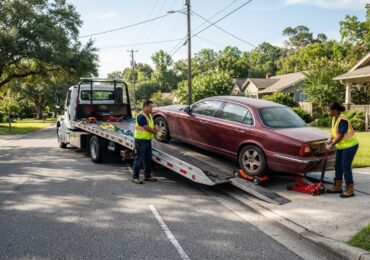
The physical process of loading relies on specialized ramps and hydraulic lifts. These systems allow drivers to create a custom configuration for each trip, adjusting the height of the decks to accommodate different vehicle profiles. Once a car is in place, drivers use a four-point tie-down method, typically employing heavy-duty tire straps or chains that pull the vehicle downward into the trailer’s structure. This technique ensures zero-movement transit even on uneven road surfaces. The Bill of Lading serves as the essential legal document that records the vehicle’s condition at both pickup and delivery, acting as a formal contract between the shipper and the carrier.
Route Optimization and Delivery Timelines
Managing a multi-car route requires a “first-on, last-off” loading logic. Drivers plan their stops meticulously so that the vehicles scheduled for the earliest delivery are the most accessible on the trailer. Because open carriers are the most common equipment on the road, they often offer much faster pickup windows than specialized enclosed trailers. This high availability, combined with the extensive national highway network, allows for predictable transit speeds and reliable delivery windows. If you’re planning a move, understanding these nationwide transportation services can help you set realistic expectations for your vehicle’s arrival.
Open vs. Enclosed Transport: Choosing the Best Level of Protection
Deciding between transport methods often comes down to a balance of budget and the specific needs of your vehicle. While open carrier car transport is the standard choice for the vast majority of moves, it’s helpful to understand the trade-offs involved. One common concern we hear is the “resale value myth.” Many owners worry that exposure to the elements during transit will negatively impact their vehicle’s worth. However, for standard daily drivers, the impact is negligible. Your car is exposed to the same conditions while you drive it on the highway. Professional cleaning upon arrival usually resolves any surface dust or road grime encountered during the trip, leaving the vehicle in its original condition.
Before making a final choice, you should consult the FMCSA consumer advisory on auto transport. This resource helps you verify that you’re working with a legitimate carrier and not a fraudulent broker. Transparency is key to a stress-free move, and understanding the regulatory landscape ensures you’re making an informed decision. Most standard vehicles don’t require the added expense of a sealed container to arrive safely at their destination.
From a financial perspective, open transport is typically 30% to 40% more affordable than its enclosed counterpart. This price gap exists because enclosed trailers carry fewer cars and require more specialized equipment. This makes open shipping the industrial standard for families relocating or dealerships moving inventory across the country. For those with high-value or exotic vehicles, reading an enclosed car transport guide can help you decide if the extra investment is necessary for your specific situation.
When to Stick with Open Carrier Transport
Open trailers are the logical choice for daily drivers, standard SUVs, and used vehicle purchases. Because there are significantly more open carriers on the road, you’ll benefit from higher carrier frequency. This means shorter wait times for both pickup and delivery. If you’re on a strict timeline or moving across the country on a budget, the availability of open carrier car transport makes it the most efficient option. It provides a reliable service without the premium price tag of specialized equipment.
When to Consider the Upgrade to Enclosed
There are specific scenarios where an upgrade is justified. If you’re moving a vehicle with exceptionally low ground clearance, a custom matte paint job, or a high-end luxury model, the physical barrier of an enclosed trailer provides an extra layer of peace of mind. For collectors, specialized classic car transport ensures that vintage assets are protected from road debris and inclement weather. This is a targeted investment in the long-term preservation of a unique asset that may have sensitive mechanical components or rare finishes.
Preparing Your Vehicle for National Open Carrier Shipping
Properly preparing your vehicle for open carrier car transport is a vital step that ensures a seamless transition from your driveway to the transport trailer. While the carrier manages the complex logistics, your role in the preparation phase directly impacts the safety and speed of the move. Following a standardized protocol helps you meet interstate legal requirements and provides a clear record of your vehicle’s condition. For a more comprehensive look at these steps, you can review our guide on how to prepare a car for transport.
One specific concern for open transport is weather exposure. While you can’t control the elements, you can ensure your vehicle is structurally ready for the trip. This means checking that all window seals are intact and that any convertible tops are properly latched. Because your car will be traveling at highway speeds on an open deck, these small details prevent wind or rain from causing internal issues during the journey.
The Pre-Transit Inspection
The pre-transit inspection is your primary safeguard. It establishes the vehicle’s condition before the carrier takes possession. You should follow these three essential steps:
- Clean the exterior: A thorough wash is necessary because road grime and dust can easily hide existing scratches or dings. A clean car allows for an accurate report.
- Take high-resolution photos: Capture images from every angle, including the roof and lower bumpers. These photos serve as your “before” evidence at the pickup point.
- Document vitals: Record the current odometer reading and ensure the fuel level is at approximately 1/4 tank. This provides enough fuel for loading maneuvers while keeping the trailer’s total weight within federal limits.
Removing Personal Items and Loose Parts
It’s important to understand that standard cargo insurance typically does not cover personal belongings left inside the vehicle. Items left in the cabin can shift during transit, potentially damaging the interior. Beyond insurance concerns, extra weight from personal items can cause a carrier to exceed legal weight limits at DOT scales. You should also focus on the exterior of the car. Retract or remove antennas, take down aftermarket spoilers if they aren’t permanently bolted, and remove toll tags. Keeping your toll tag in the car can result in unexpected charges as the trailer passes through electronic gates. Finally, deactivate your alarm system to prevent it from draining your battery or distracting the driver during the trip. By following these protocols, you ensure your vehicle is ready for our interstate vehicle transportation services.
Why AutoPlex Transport is the Trusted Choice for Open Carrier Services
Choosing a partner for vehicle relocation requires more than just finding the lowest price. It demands a relationship with a company that prioritizes the safety of your asset and the transparency of the process. At AutoPlex Transport, we position ourselves as a reliable partner that simplifies the complexities of national logistics. Our approach to open carrier car transport is built on years of experience and a deep understanding of the industry’s evolving standards. We’ve refined our methods to ensure that every customer feels supported from the initial inquiry to the final delivery.
Transparency is the cornerstone of our service model. We believe that a well-informed customer is a confident one. This is why we provide detailed information regarding every phase of the move, ensuring there are no surprises regarding timelines or procedures. If you’re planning a move and need an accurate car shipping quote, our team offers clear, comprehensive breakdowns that reflect the current market conditions of 2026. We take the guesswork out of the equation so you can focus on the other aspects of your relocation.
Personalized Door-to-Door Logistics
Our door-to-door transportation model is designed to provide maximum convenience for our clients. Navigating residential neighborhoods with a large multi-car trailer requires precision and local knowledge. We handle the logistical challenges of residential pickups and deliveries by navigating local restrictions and coordinating with drivers to find the safest, most accessible points for loading. You won’t have to worry about terminal drops or distant pickup lots. Instead, you’ll benefit from a single point of contact who manages the communication between you and the carrier. This personalized attention is intended to reduce customer anxiety and ensure that your specific needs are met throughout the interstate move.
A Proven Track Record of National Reliability
Reliability is built through a consistent history of successful deliveries and a commitment to high standards. We’ve developed an extensive nationwide network of vetted open carrier partners, each chosen for their proven track record and professionalism. Our selection process is rigorous. We verify that every partner maintains full FMCSA compliance and carries comprehensive insurance coverage to protect your vehicle against unforeseen circumstances. In an industry where regulations and technology are constantly shifting, we remain a stable and experienced hand. We invite you to see the difference that professional oversight makes. To begin your journey with a partner you can trust, request your open carrier transport quote today and let us handle the heavy lifting.
Secure Your Vehicle’s Journey Today
Choosing the right transport method is about more than just finding a truck; it’s about understanding the logistics that keep your vehicle safe. We’ve explored how modern route optimization and strict federal standards make open carrier car transport the most reliable and cost-effective choice for 2026. By following a simple preparation checklist and choosing a partner that prioritizes transparency, you can eliminate the anxiety often associated with long-distance moves. Understanding the door-to-door process ensures that you feel supported from the initial quote to the final delivery.
AutoPlex Transport remains dedicated to providing a secure and professional experience for every client. We offer access to fully insured nationwide carriers and maintain a proven track record of on-time delivery. Our specialized door-to-door service ensures that your vehicle is handled with care from the moment it leaves your driveway until it reaches its destination. If you’re ready to start your next chapter with confidence, Get a Reliable Open Carrier Shipping Quote from AutoPlex Transport. We look forward to being your trusted partner on the road ahead.
Frequently Asked Questions
Is open carrier car transport safe for my vehicle?
Yes, open carrier car transport is a highly safe and strictly regulated method for moving vehicles across the country. It is the same system that major manufacturers use to deliver new inventory to dealerships. While the car is exposed to the road, the tiered trailer structure and four-point tie-down systems ensure it remains stable. Most shipments arrive without any issues beyond standard road dust or rain.
How much does open transport car shipping cost on average?
The cost of shipping varies based on the total distance, vehicle dimensions, and current fuel prices. Generally, open transport is the most economical choice, often costing 30% to 40% less than enclosed alternatives. Factors like seasonal demand and route popularity also play a significant role in the final price. We recommend requesting a personalized quote to get an accurate figure for your specific interstate move.
How long does it take to ship a car across the country with an open carrier?
Transit times typically range from 7 to 10 days for coast-to-coast shipments. For shorter regional moves, you can expect delivery within 3 to 5 days. These windows depend on the driver’s route, weather conditions, and mandatory rest periods required by the FMCSA. Because open carriers are so common, pickup windows are usually faster than those for specialized or enclosed transport options.
Will my car get dirty during open transport shipping?
Yes, it is common for vehicles to accumulate a layer of road dust or experience rain during transit on an open trailer. This is the same exposure your car faces during any normal highway drive. A quick wash after delivery typically restores the exterior to its original condition. If you require a pristine arrival for a high-end show car, enclosed transport might be a better fit for your needs.
What kind of insurance coverage is included with open carrier transport?
Every legitimate carrier must maintain cargo and liability insurance as required by federal law. While the federal minimum for liability is $750,000, most professional carriers in our network carry coverage closer to $1,000,000. This insurance protects your vehicle against damage caused by carrier negligence or equipment failure during the loading, transit, and unloading phases of the open carrier car transport process.
Can I ship personal items inside my car on an open trailer?
We strongly advise against leaving personal items inside your vehicle during transport. Carrier insurance policies specifically exclude personal belongings, and extra weight can cause the truck to exceed strict DOT weight limits. Additionally, items left in the cabin can shift and damage the interior during transit. It is best to keep the car empty to ensure a smooth, compliant, and safe shipping process for everyone involved.
What happens if my car is damaged during open-air transit?
If you notice damage upon delivery, you must document it immediately on the Bill of Lading before the driver leaves. This document is your primary evidence for any insurance claims. Take clear photos of the new damage and compare them to your pickup photos. Our team will then guide you through the professional process of filing a claim with the carrier’s insurance provider to ensure a fair resolution.
How do I track my vehicle while it is on an open carrier?
You can track your vehicle through direct communication with the driver or by contacting your dedicated logistical coordinator. Many modern fleets now utilize GPS tracking and digital route optimization to provide real-time updates on transit progress. We prioritize clear communication throughout the journey, ensuring you receive regular status reports so you know exactly when to expect your vehicle’s arrival at its destination.