Why does a transport quote that looks like a bargain often end up costing you hundreds more in hidden fees by the time your vehicle reaches its destination? If you’re planning a move, you’ve likely realized that calculating the cost to ship a car from Texas involves much more than just measuring the distance on a map. It’s frustrating to deal with low-ball estimates that don’t account for the reality of 2026 logistics or the specific requirements of the Lone Star State’s massive highway network.
We understand that your vehicle is one of your most valuable assets, and you need a clear, transparent roadmap for its journey. This guide will help you discover exactly how vehicle transport rates are calculated and how to secure the most reliable service when shipping from Texas. We’ll break down the differences between open and enclosed carriers, explain how seasonal trends like the summer military peak impact availability, and provide a methodical look at the logistics behind a safe, door-to-door delivery. By the end, you’ll have the confidence to choose a reputable provider and ensure your car arrives on schedule without any unwelcome surprises.
Key Takeaways
- Learn how distance, vehicle dimensions, and Texas’s role as a central logistics hub influence the total cost to ship a car from Texas.
- Discover the specific advantages of open carrier transport for standard vehicles versus the enhanced security of enclosed services for luxury or classic cars.
- Identify how to leverage seasonal trends, such as shipping during January or February, to secure more competitive rates and avoid peak-season surcharges.
- Understand the importance of securing a binding quote rather than a loose estimate to eliminate hidden fees and ensure a transparent pricing experience.
- Gain peace of mind by prioritizing door-to-door service, which simplifies the logistics of interstate transport while maximizing the safety of your vehicle.
Understanding the Cost to Ship a Car from Texas in 2026
Determining the cost to ship a car from Texas involves more than a simple calculation of miles. In 2026, the logistics industry relies on a dynamic interplay of variables including current fuel indices, carrier availability, and specific route demand. Because Texas is a massive geographic entity with varied terrain and dense urban centers, your estimate will fluctuate based on whether you’re shipping from a metropolitan hub like Dallas or a more remote border town. Most customers coordinate these details through an auto transport broker, who facilitates the connection between the vehicle owner and the specialized carriers moving through the region.
The industry generally categorizes services into three primary tiers to help owners prioritize their needs. Economy shipping typically involves open carriers, which is the most common and cost-effective method. Standard service often adds the convenience of door-to-door transport, ensuring the vehicle is picked up and dropped off as close to your specific locations as possible. Premium service utilizes enclosed trailers, providing a higher level of protection against the elements and road debris for high-value or delicate vehicles. Understanding these tiers is the first step in managing the overall cost to ship a car from Texas while ensuring your vehicle receives the appropriate level of care.
The Primary Drivers of Your Shipping Estimate
Several logistical factors dictate the final price of your transport. Carriers don’t just look at the total distance; they evaluate the “cost-per-mile” which often decreases on longer hauls even as the total flat rate increases. This is because fixed costs, like loading and unloading time, are spread across more miles. Other critical factors include:
- Vehicle Weight and Size: Larger vehicles, such as heavy-duty trucks or full-sized SUVs, take up more “real estate” on a trailer and increase fuel consumption. This limited capacity means larger vehicles naturally command a higher price point than compact sedans.
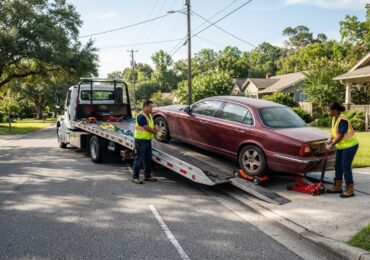
- Operability: A vehicle that cannot be driven onto the trailer requires specialized equipment, such as a winch or a forklift, to load. This added labor and equipment requirement results in an additional surcharge.
- Distance and Fuel: While mileage is the most obvious factor, the proximity of your pickup and delivery locations to major highways drastically changes the driver’s total hours.
Why Texas Infrastructure Affects Your Rate
Texas serves as a critical logistics anchor for the Southern United States due to its massive network of interstate corridors. Major arteries like I-10, I-35, and I-45 function as high-volume transit pipes for car haulers. When you ship from a major transport hub like Houston or San Antonio, you’re tapping into a market where carriers are already frequently moving. This high density of traffic reduces “deadhead” miles—the distance a driver must travel with an empty trailer—which helps keep consumer rates more predictable.
Texas’s central geography typically allows for more competitive interstate rates compared to coastal-to-coastal routes. Because the state is centrally located, carriers can often integrate a Texas pickup into a larger national route with greater efficiency. This logistical advantage, combined with the state’s robust infrastructure, makes it one of the most active and reliable regions for vehicle relocation in the country.
Breaking Down the Price: Distance, Weight, and Vehicle Type
While distance is the most obvious factor in any logistical estimate, the physical footprint of your vehicle dictates how much “real estate” it occupies on a trailer. A standard car hauler has a finite amount of space and weight capacity. If your vehicle is taller, wider, or heavier than a standard sedan, it restricts the carrier’s ability to load other vehicles. This loss of potential capacity is why larger vehicles naturally command a higher price point. In 2026, many carriers have also transitioned to a more transparent pricing model that integrates dynamic fuel surcharges. This ensures the cost to ship a car remains accurate relative to the carrier’s real-time operating expenses, preventing the need for mid-transit price adjustments.
Mileage Brackets and Estimated Transit Times
The total distance of your route doesn’t just change the price; it fundamentally shifts the logistics of the driver’s schedule. When calculating the cost to ship a car from Texas, you can generally expect the following timelines:
- 0-500 miles: These are often considered local or regional hauls. You can typically expect same-day or next-day delivery once the vehicle is loaded.
- 500-1,500 miles: Regional transport across several state lines usually falls within a 3-to-5 day window. This allows for mandatory driver rest periods and multiple stops for other customers on the trailer.
- 1,500+ miles: Cross-country hauls, such as moving a vehicle from Houston to Seattle, require 7 to 10 days. These long-distance routes involve complex scheduling to ensure the trailer remains full and efficient.
Vehicle Classification and Price Adjustments
Standard sedans and coupes serve as the baseline for most transport quotes because they fit easily into any slot on a multi-car carrier. However, as vehicle size increases, so does the logistical complexity. Full-size SUVs and minivans typically carry a 15% to 25% price premium. This is due to their increased weight and the fact that their height may prevent them from being loaded on the bottom deck of certain trailers.
Modified vehicles present an even more specific challenge. If you have a truck with a significant lift kit or a van with a permanent roof rack, it may be designated as “oversized.” These vehicles often require specialized trailers or specific positioning on a standard rack to clear low bridges or overpasses. Understanding these variables helps you plan for the total cost to ship a car from Texas without encountering unexpected price hikes at the point of pickup. If you’re unsure how your specific modifications might affect your rate, our team can provide a detailed breakdown of nationwide transportation services tailored to your vehicle’s unique dimensions.
Open vs. Enclosed Transport: Choosing the Right Protection Level
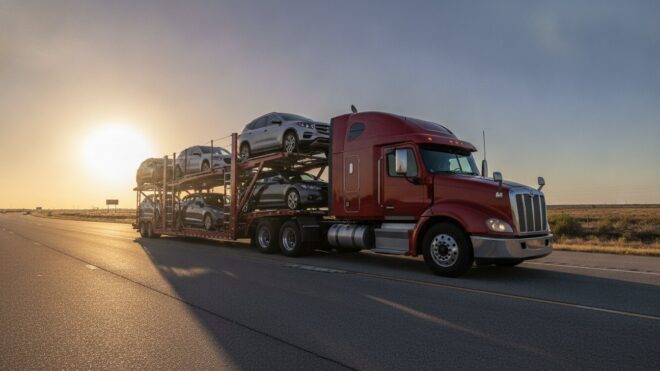
One of the most significant decisions affecting the cost to ship a car from Texas is the type of trailer you select. Most vehicles traveling across the country move via open transport car shipping, which is the industry standard for daily drivers, dealerships, and standard relocations. These trailers are the multi-car haulers you frequently see on the highway. While they leave vehicles exposed to the elements, they’re a highly reliable and cost-effective method for moving a car from point A to point B. For owners of luxury, vintage, or high-performance vehicles, enclosed car transport offers a premium alternative that shields the asset from road debris, weather, and prying eyes.
The price gap between these two methods is substantial, typically ranging from 30% to 50% higher for enclosed services. This premium covers the increased insurance limits required for high-value cargo and the specialized equipment used by enclosed carriers. Owners of mid-tier luxury vehicles often face a dilemma: is the added protection worth the expense? If your vehicle features a custom paint job or sensitive electronics that could be impacted by extreme weather, the peace of mind provided by a hard-sided trailer often outweighs the initial cost to ship a car from Texas. It’s a matter of balancing your budget against the specific vulnerability of your vehicle.
When to Opt for Open Carrier Shipping
Open carrier shipping is the preferred choice for the vast majority of our clients due to its sheer efficiency. Because these trailers can carry up to ten vehicles at once, the cost per vehicle is significantly lower. This method also benefits from much higher carrier availability. If you’re on a tight schedule, an open carrier is much easier to secure on short notice. While you should expect some road dust or rain during transit, the safety record for open transport is excellent. It remains the most practical solution for standard SUVs, trucks, and sedans that are regularly driven on public roads.
The Case for Enclosed Transport Services
Enclosed trailers provide a controlled environment that eliminates risks from hail, rock chips, and UV exposure. These carriers often use specialized equipment, such as hydraulic lift gates, to load vehicles with low ground clearance without damaging the undercarriage. This level of detail is essential for sports cars that sit just inches off the ground. Enclosed transport is a strategic investment for preserving the resale value of classic car transport assets. By choosing this method, you’re ensuring that a pristine vehicle arrives in the exact same condition it left, regardless of the distance or the weather conditions encountered along the route.
Seasonal Trends and Timing: When is it Cheapest to Ship from Texas?
Timing plays a pivotal role in the final cost to ship a car from Texas. Demand in the auto transport industry isn’t static; it ebbs and flows with the calendar. One of the most influential factors is the “Snowbird” effect, where seasonal residents migrate between northern states and southern hubs like Texas. During the late fall and early spring, these migrations saturate trailer capacity on specific routes, often driving up prices. If you’re looking for the most budget-friendly window, January and February are typically the cheapest months. During this period, post-holiday lulls and colder weather lead to a decrease in overall shipping volume, which can result in more competitive rates for those with flexible schedules.
Conversely, the peak summer months from May through August represent the most expensive time of year. This surge is largely driven by military “Permanent Change of Station” (PCS) moves, which can push prices on popular routes 10 to 15 percent higher. Holiday periods in July and December also create logistical bottlenecks. Drivers often take time off, and the remaining active carriers face a backlog of orders, leading to temporary price spikes. To avoid these premiums, we recommend the “Lead Time” rule: book your transport at least two to three weeks in advance. This window allows us to secure a spot on a carrier’s manifest at a standard rate, whereas last-minute requests often require a surcharge to entice a driver to divert from their planned route.
The Impact of Weather on National Logistics
Weather patterns across the country can ripple back to affect your Texas departure. Even if the sun is shining in Austin or Dallas, a major winter storm in the Midwest or Northeast can ground carriers and delay the entire network. This creates a “logjam” effect where trailers are stuck in one region, reducing the available supply in Texas and potentially increasing short-term costs. Additionally, hurricane season along the Gulf Coast can force carriers to alter routes to avoid hazardous conditions, adding miles and time to the journey. Maintaining flexibility with your pickup date is the most effective way to navigate these uncontrollable variables without overpaying.
Preparing Your Vehicle to Avoid Extra Fees
A common mistake that adds hidden costs is failing to prepare the vehicle correctly. Carriers follow a strict “clean car” rule because they must perform a thorough exterior inspection at pickup to document existing condition. If a car is covered in mud or dirt, an accurate inspection is impossible, which can lead to delays. Weight limits are another critical concern. Leaving personal items inside the vehicle can lead to Department of Transportation (DOT) fines or weight-based surcharges from the carrier. We’ve developed a how to prepare a car for transport guide to help you avoid these pitfalls. Following this protocol ensures a smooth handoff and keeps your final cost to ship a car from Texas within your original estimate.
For a transparent look at current rates and available routes, you can request a detailed quote for interstate vehicle transportation from our experienced logistics team.
Securing an Accurate Quote with AutoPlex Transport
Transitioning from the research phase to the actual booking requires a shift from general market averages to specific logistics. When you’re ready to lock in the cost to ship a car from Texas, the accuracy of your final quote depends entirely on the detail of the information provided during the inquiry process. We prioritize transparency, ensuring that the price you see is reflective of the real-world variables involved in moving your vehicle across state lines. Unlike automated calculators that provide generic numbers, our approach involves a methodical review of your specific route and vehicle requirements to prevent the “bait and switch” tactics common in the brokerage industry.
One of the most important distinctions to understand is the difference between a binding quote and a standard estimate. A standard estimate is often a ballpark figure that can fluctuate based on carrier availability or fuel price changes at the time of pickup. A binding quote, however, is a commitment to a fixed price based on the specific parameters you’ve provided. At AutoPlex Transport, we emphasize the security of Door 2 Door Transportation because it offers the highest level of convenience and safety. By picking up and delivering directly at your specified locations, we eliminate the need for third-party storage terminals where vehicles are often moved multiple times, increasing the risk of minor cosmetic damage.
What Information You Need for a Precise Estimate
To ensure your quote for the cost to ship a car from Texas is as accurate as possible, you should have the following details ready for our logistics team:
- Vehicle Specifications: We need the exact year, make, and model. This allows us to calculate the precise weight and dimensions, which are critical for trailer placement.
- Operational Status: You must disclose if the vehicle steers, brakes, and rolls. Inoperable vehicles require specialized winching equipment, and knowing this upfront prevents delays on pickup day.
- Logistical Preferences: Clearly define your preferred transport window and whether you require the standard protection of an open carrier or the enhanced security of an enclosed trailer.
The AutoPlex Advantage: National Reach, Personal Care
Our network consists exclusively of vetted, professional carriers who meet our rigorous standards for safety and interstate transport experience. We don’t believe in hidden terminal fees or surprise surcharges; our goal is to provide a seamless, stress-free experience that respects your budget and your timeline. AutoPlex Transport serves as a national logistics provider that prioritizes the security of every vehicle from the initial pickup point to the final delivery destination. By choosing a partner with a proven track record of interstate safety, you’re investing in the long-term health of your vehicle and the peace of mind that comes with professional handling.
Moving Your Vehicle with Confidence and Clarity
Navigating the logistics of vehicle transport requires a balance of timing, preparation, and selecting the right protection level for your asset. By understanding how mileage brackets and vehicle dimensions influence your rate, you can avoid common pitfalls like hidden surcharges for oversized modifications. Remember that seasonal shifts, such as the peak summer demand, play a significant role in trailer availability and pricing. Ultimately, determining the final cost to ship a car from Texas doesn’t have to be a guessing game when you prioritize transparency and expert handling over low-ball estimates.
As an A+ Rated National Logistics Provider, we’re here to serve as your stable partner throughout the entire process. Every shipment with us includes comprehensive cargo insurance and the convenience of expert door-to-door service to ensure your vehicle arrives safely and on schedule. Our team is ready to provide the methodical guidance you need to make an informed decision for your upcoming move. We’ve handled every possible scenario and can offer the peace of mind you deserve.
Get Your Free, No-Obligation Car Shipping Quote from AutoPlex Transport Today and take the first step toward a stress-free relocation. We look forward to helping you get your vehicle on the road with the professional care it deserves.
Frequently Asked Questions
How much does it cost to ship a car from Texas to another state?
The final cost to ship a car from Texas is determined by the total mileage, the vehicle’s weight, and current fuel indices. Because Texas serves as a major logistics hub, rates are often more competitive on high-volume routes to states like California or Florida. However, shipping to remote or rural areas may increase the price because carriers have to travel further from primary interstate corridors to reach your destination.
Is it cheaper to ship a car or drive it yourself?
Shipping is frequently the more economical choice once you account for the hidden expenses of a long-distance road trip. While driving might seem cheaper at first, you have to factor in the cost of fuel, hotel stays, meals, and the significant depreciation caused by adding hundreds of miles to your odometer. Professional transport also saves you several days of travel time and eliminates the physical strain of driving cross-country.
Can I put personal belongings in my car during transport?
Carriers generally advise against leaving personal items in your vehicle because they aren’t licensed to transport household goods. These items add extra weight that could cause the carrier to exceed Department of Transportation limits, potentially leading to fines or delays. Additionally, personal belongings aren’t covered by the carrier’s cargo insurance, and their presence can shift during transit, causing interior damage to your car.
How long does it take for a car to be picked up in Texas?
Most vehicles in Texas are picked up within a window of one to five business days after your order is processed. Because major metropolitan areas like Houston, Dallas, and San Antonio are high-traffic zones for car haulers, carrier availability is usually excellent. If you’re shipping from a more remote part of the state, it might take a few extra days for a driver to coordinate a pickup that fits their existing route.
What is the difference between open and enclosed car shipping costs?
Enclosed transport typically commands a premium of 30% to 50% over the price of standard open carrier shipping. This additional investment pays for a specialized, hard-sided trailer that provides complete protection from road debris, weather, and UV exposure. While open transport is a highly reliable and safe method for daily drivers, enclosed service is the preferred choice for owners of classic, exotic, or high-value luxury vehicles.
Do I need special insurance for interstate car shipping?
You don’t need to purchase a separate insurance policy because reputable transport companies include comprehensive cargo insurance as part of their service. This coverage protects your vehicle against damage during loading, unloading, and transit. It’s still a good idea to verify the carrier’s specific coverage limits and check with your personal insurance provider to see if they offer any secondary protection for vehicles in transit.
What happens if my vehicle is damaged during transport?
If you notice any new damage upon delivery, you must document it immediately on the Bill of Lading before the driver leaves the premises. Take clear, high-resolution photographs of the affected areas and contact your transport coordinator right away to start the claims process. Having a detailed inspection report from the time of pickup is essential for proving that the damage occurred while the vehicle was in the carrier’s care.
How do I get the most accurate car shipping quote?
Providing precise details about your vehicle’s year, make, and model is the first step toward securing a firm price. You should also specify the vehicle’s operational status and disclose any modifications, such as roof racks or lift kits, that might change its dimensions. Ensuring your zip codes are accurate and being flexible with your pickup dates will help our team calculate the most realistic cost to ship a car from Texas for your specific needs.