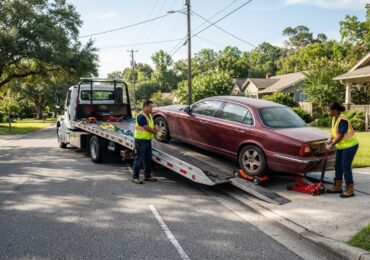

Why does a low-ball estimate often transform into a bloated invoice the moment the carrier arrives at your driveway? This “bait and switch” tactic remains one of the most significant sources of anxiety for anyone seeking a reliable auto transport quote for interstate shipping. It’s frustrating to feel like you’re being forced into a higher price simply because your vehicle is already scheduled for pickup. You deserve a firm, transparent price that doesn’t fluctuate based on hidden fees or last minute excuses.
We understand that you want more than just a low number; you need the confidence that your vehicle is fully insured and handled by a vetted professional. This comprehensive 2026 checklist will help you master the vehicle shipping process by teaching you how to evaluate and secure the most reliable quotes available. We’ll guide you through the newest industry standards, including the 2026 shift toward using USDOT numbers as primary identifiers and the stricter financial responsibility requirements for brokers that took effect in January. By the end of this guide, you’ll have a clear timeline for your shipment and the peace of mind that comes from knowing exactly who is responsible for your car’s safety.
Key Takeaways
- Learn how market factors like fuel costs and carrier availability influence the final price, helping you look beyond the base rates of “instant” calculators.
- Use our 2026 checklist to gather essential vehicle specs and location details required for a firm and accurate auto transport quote.
- Evaluate the functional differences between open and enclosed transport to choose the carrier type that balances cost-effectiveness with the necessary level of protection.
- Protect yourself from common industry scams by recognizing the red flags of “deposit first” schemes and quotes that fall significantly below market averages.
- Discover how a professional door-to-door shipping model provides a more transparent and secure experience compared to traditional terminal-based services.
Understanding the Logistics Behind an Auto Transport Quote
An auto transport quote is more than a simple mathematical calculation; it’s a snapshot of a highly fluid logistics market. When you request an estimate, you aren’t just looking at a price for mileage. Instead, you’re seeing a complex balance between current market demand, fluctuating fuel costs, and the immediate availability of carriers on your specific route. In the 2026 logistics environment, this balance is more sensitive than ever due to stricter enforcement of Electronic Logging Device (ELD) regulations and the industry wide transition to using USDOT numbers as the primary identifier for carrier compliance. These factors influence which drivers are available to move your vehicle and at what price point they can afford to operate.
Why do “instant” calculators often miss the mark? These automated tools typically rely on historical averages rather than the “dispatch reality” of the current week. While they provide a convenient baseline, they often fail to account for sudden shifts in route density or local weather disruptions. This is where a dedicated transport coordinator becomes essential. By verifying real-time capacity, a coordinator ensures that the price you receive reflects what carriers are actually accepting to fill their trailers. When researching how vehicles are transported, it becomes clear that the physical movement of a car is only one part of the equation; the logistical data behind the quote is what determines if your car actually gets picked up on time.
The Difference Between a Quote and a Binding Agreement
It’s vital to distinguish between a preliminary estimate and a binding contract. Many companies provide an initial auto transport quote as a “teaser” to start the conversation, but this price can shift if it isn’t backed by a price-lock agreement. In 2026, price-locking has become a critical feature for consumers who need to protect their budgets from fluctuating diesel prices. Without a firm agreement, you might find yourself facing a “bait and switch” scenario where the price increases once a carrier is actually assigned to your order. Always ask if the quote includes a guarantee against these mid-process adjustments.
The Four Pillars of Vehicle Shipping Costs
- Distance and Route: While total mileage matters, route popularity is often more significant. Shipping between major hubs like Dallas and Atlanta is typically more cost-effective than a shorter trip to a rural location where a carrier has to travel “deadhead” miles to find their next load.
- Vehicle Size and Weight: Every inch of space on a trailer is valuable. Larger SUVs or modified trucks with lift kits occupy a larger physical footprint and add weight, which increases fuel consumption for the carrier.
- Transport Method: Choosing between an open carrier and enclosed transport is a major cost driver. Open transport remains the standard for nationwide shipping, while enclosed services command a premium for the added protection they provide.
- Timing: If you have a strict deadline, expedited shipping will always cost more. Standard windows allow coordinators to find the most efficient route match, which helps keep your quote competitive.
The 2026 Checklist: Information You Need for an Accurate Estimate
Securing an accurate auto transport quote begins with the precision of the data you provide. In the logistics industry, carriers calculate their available space and weight capacity down to the inch and pound. If the information on your request is vague, the price you receive will likely be a placeholder that changes once the driver sees the vehicle. To avoid these “bait and switch” scenarios, you must approach the quoting process with a finalized list of specifications. This transparency ensures that the logistics coordinator can match your car with a reputable carrier that has the exact equipment required for your move.
Step 1: Documenting Vehicle Modifications
Carriers need to know if your vehicle differs from the factory standard. A lifted pickup truck or a sports car with low ground clearance requires specialized loading ramps or specific positions on a trailer. For example, shipping a standard SUV typically adds $150 to $200 to a base rate, while a large pickup can add $200 to $300 due to its physical footprint. If you are shipping an electric vehicle, expect a 10% to 20% surcharge to account for the additional battery weight. You should measure your vehicle’s height and ground clearance before requesting a vehicle shipping quote to ensure these factors are included upfront.
It is equally important to disclose the operational status of your car. If a vehicle cannot move under its own power, the carrier must use a winch or a forklift to load it. Disclosing an “inoperable” status early prevents a surprise $150 to $250 winching fee at the time of pickup. If you’re unsure about your vehicle’s specific requirements, our team at AutoPlex Transport Company can help you identify which details will impact your final price.
Step 2: Narrowing Down Your Dates
Timing is a major variable in how auto transport quotes are calculated. In national logistics, we use the “First Available Date” (FAD) to signal when a car is ready for pickup. Providing a flexible 2 to 5 day window allows coordinators to find the most efficient route match, which keeps your costs stable. If you require a specific, guaranteed pickup date, you’ll likely need expedited shipping. This service carries a premium because it often requires a carrier to divert from their planned route or leave a trailer partially empty to meet your deadline. Before you book, verify that your quote includes the following essentials:
- Precise Locations: Specify if the pickup is at a residential address or a commercial terminal.
- Modifications: List all aftermarket parts, including roof racks or oversized tires.
- Carrier Type: Confirm if you need the cost-effective open carrier or the added protection of an enclosed trailer.
- Operational Status: Clearly state if the vehicle rolls, steers, and brakes.
Evaluating Carrier Types: Impact on Your Shipping Cost
The choice between carrier types represents one of the most influential factors in the final price of your auto transport quote. While the logistics of the journey remain the same, the equipment used to secure and protect your vehicle varies significantly. Most consumers find themselves choosing between the accessibility of an open carrier and the specialized protection of an enclosed trailer. Regardless of which method you select, your first priority should always be verifying carrier registration with the FMCSA. This step ensures that the company providing your quote is legally authorized to operate and maintains the necessary insurance levels to protect your asset during interstate transit.
When is Open Carrier the Right Choice?
Open carriers are the backbone of the vehicle shipping industry. Approximately 90% of vehicles in the United States are moved using this method, making it the most common and cost-effective option for nationwide transportation. It’s the standard for daily drivers, standard SUVs, and most interstate vehicle transportation needs. Because these trailers can carry up to ten vehicles at once, the per-vehicle cost is significantly lower than other methods. When you look at an open carrier transport cost, you’re seeing the result of high-volume efficiency. While your car is exposed to weather and road debris, the safety record for open transport is remarkably high. It remains the most practical choice for vehicles that are driven regularly and don’t require museum-quality protection during transit.
The Premium Value of Enclosed Shipping
For owners of luxury, classic, or high-value electric vehicles, enclosed transport offers a necessary layer of security. This method shields the car from hail, rain, and road grime, ensuring it arrives in the exact condition it was loaded. It’s often viewed as an investment in the vehicle’s resale value and aesthetic integrity. When evaluating an enclosed auto transport cost, it’s important to understand the equipment involved. Hard-side trailers provide a rigid shell for maximum protection, while soft-side trailers use heavy-duty canvas. Many enclosed carriers also feature specialized hydraulic lift gates. These are essential for low-clearance sports cars that can’t safely navigate standard loading ramps. This specialized handling typically results in a price that is 30% to 60% higher than open transport.
Choosing between these options depends on your vehicle’s market value and your personal comfort level. If your car is a rare collectible or has a custom paint job, the premium for enclosed shipping is a small price to pay for total peace of mind. For most other scenarios, the open carrier remains the reliable and cost-effective industry standard.

Warning Signs: How to Spot a Low-Ball or Unreliable Quote
Identifying a fraudulent or unreliable auto transport quote requires a keen eye for detail and a healthy dose of skepticism regarding “too good to be true” pricing. In the competitive logistics market, some brokers use low-ball estimates to secure a signature, only to demand more money once they realize no carrier will accept the job at that price. If a quote is $200 or more below the market average for your specific route, it’s likely a red flag. Carriers choose loads based on profitability; a quote that doesn’t cover their basic operating costs will simply sit on the dispatch board while your timeline slips away. This leaves you stranded and forced to pay a higher “negotiated” rate at the last minute.
Another major warning sign is the “Deposit First” trap. You should never be required to pay a deposit before a carrier has been physically assigned to your order and a pickup date is confirmed. Legitimate companies earn their fee by successfully matching you with a vetted driver, not by locking you into a contract with an upfront payment. Professionalism also matters. The absence of a physical business address or a reliance on generic email services rather than a corporate domain often indicates a “fly-by-night” operation that lacks the infrastructure to handle your vehicle safely. If the communication feels rushed or high-pressure, it’s a sign that the company prioritizes volume over the safety of your asset.
Verifying Carrier Insurance and Credentials
Before you commit, take a moment to verify the company’s credentials. You can check a company’s safety rating and active authority on the FMCSA website using their USDOT number. It’s crucial to understand the difference between liability insurance, which covers damage to third parties, and cargo insurance, which protects your vehicle itself. A legitimate quote must include primary cargo insurance with no deductible for the customer. If a company uses vague terms or refuses to provide a certificate of insurance, it’s best to move on. To ensure you’re working with a fully vetted and transparent team, get a reliable auto transport quote from AutoPlex Transport Company today.
Hidden Fees to Look for in the Fine Print
The final price of an auto transport quote can often be inflated by costs that weren’t mentioned in the initial estimate. Fuel surcharges are a common addition, especially if the quote was generated weeks before the actual shipping date. You should also watch for residential “access fees.” If you live in a neighborhood with tight turns or low-hanging trees, a large multi-car carrier might not be able to reach your door. This necessitates a smaller shuttle truck or a meeting at a nearby parking lot, which can result in extra labor costs. Lastly, be wary of potential storage fees. If a delivery is delayed and the vehicle must be held at a terminal, these daily charges can accumulate quickly. Always ask for an all-inclusive price that accounts for these specific logistical realities.
Securing Your Transport with AutoPlex Transport Company
Choosing a partner for vehicle shipping involves more than just selecting the lowest number on a screen. At AutoPlex Transport Company, we view every auto transport quote as a professional commitment to your vehicle’s safety and your personal peace of mind. We don’t rely on automated “instant” estimates that change once the logistics get difficult. Instead, our team uses a methodical approach that balances current market capacity with your specific requirements. This ensures that the price you receive is transparent, firm, and designed to attract the highest quality carriers in our nationwide network.
Our operational model is built around Door 2 Door Transportation, which eliminates the logistical hurdles and potential damage risks associated with terminal facilities. By picking up and delivering directly at your specified locations, we reduce the number of times your vehicle is handled. This direct approach is supported by a rigorous vetting process. In 2026, we’ve enhanced our standards to include real-time verification of driver medical certifications and strict adherence to the latest ELD compliance mandates. We only work with carriers who maintain a proven history of success and carry the necessary million-dollar liability coverage required by modern industry standards.
The AutoPlex Advantage in Nationwide Logistics
Whether you’re moving a daily driver or a high-value asset, we provide specialized support tailored to the vehicle’s needs. Our expertise spans across open transport car shipping for cost-effective interstate moves and enclosed car transport for maximum protection. We operate with a “reliable partner” philosophy. This means we prioritize the integrity of your vehicle over the lowest possible bid, ensuring your car isn’t left waiting on a lot because a quote was too low to entice a professional driver. Throughout the journey, you’ll have access to personalized support and updates, keeping you informed from the moment of pickup until the final delivery signature.
Next Steps: Requesting Your Personalized Quote
Transitioning from an inquiry to a scheduled pickup is a straightforward, supportive process. When you use our request form, you aren’t just triggering an algorithm; you’re initiating a consultation with a transport expert who understands the nuances of 2026 shipping lanes. We’ll review your vehicle specs, timeframe, and locations to provide a human-verified estimate that you can actually count on. This initial conversation is designed to answer your questions about insurance, timing, and carrier selection without any high-pressure sales tactics. If you’re ready to experience a more professional way to ship, request an accurate auto transport quote from AutoPlex Transport Company today.
Take Command of Your Vehicle Shipping Journey
Securing a firm price in the modern logistics market requires more than just filling out a quick online form. You now have the tools to look beyond initial estimates and identify the underlying factors that determine a quote’s legitimacy. By following our 2026 checklist, you can provide the precise details that carriers need to commit to your shipment without the risk of surprise fees. Remember that a truly professional auto transport quote is an all-inclusive agreement that protects your asset from the moment of pickup until it reaches its final destination.
AutoPlex Transport Company is here to simplify this complex process through our Nationwide Door-to-Door Service and a rigorously Vetted Carrier Network. We include Professional Insurance Coverage with every order, ensuring your vehicle is handled by industry leaders who value safety as much as you do. Don’t leave your car’s transit to chance with unreliable brokers or unverified drivers who hide behind vague terms and low-ball pricing.
Get a Reliable Auto Transport Quote from AutoPlex
We’re ready to help you move forward with confidence and ease. Your vehicle is a significant investment, and we’re committed to delivering it safely to your doorstep.
Frequently Asked Questions
How far in advance should I get an auto transport quote?
You should ideally request an auto transport quote approximately two to four weeks before your desired shipping date. This timeframe allows logistics coordinators to secure a spot on a carrier’s route without the need for expensive expedited fees. If you wait until the last minute, you might face higher prices or limited availability. Requesting too early can also lead to inaccuracies because fuel costs and market demand often shift significantly over a month.
Do car shipping quotes include insurance coverage?
Legitimate auto transport quote providers include primary cargo insurance to protect your vehicle against damage during transit. It’s essential to verify that this coverage has no deductible for you as the customer. Most professional brokers require their carriers to maintain at least $1,000,000 in liability coverage. Always ask for a certificate of insurance before your vehicle is loaded to ensure the policy is active and sufficient for your car’s specific market value.
Why do auto transport prices fluctuate during the year?
Prices fluctuate based on seasonal demand, with the highest rates typically occurring between June and September. During the winter, “snowbird” traffic between northern states and the south also creates temporary spikes in specific lanes. Beyond seasonality, changes in diesel prices and route density impact the cost. If fewer cars are moving on your specific route, carriers may increase their rates to cover the expense of traveling with an empty spot on their trailer.
Can I get a quote for a non-running vehicle?
You can certainly get an auto transport quote for an inoperable vehicle, provided it still rolls, steers, and brakes. Shipping a non-running car requires specialized equipment, such as a winch or a forklift, to safely load and unload the asset. This usually results in an additional fee ranging from $150 to $250. It’s vital to disclose this status immediately so the coordinator assigns a carrier with the correct mechanical tools for the job.
For owners who decide that shipping a non-running vehicle is no longer worth the investment in the current market, Cash For Junk Cars Michigan offers a reliable alternative by purchasing used or damaged vehicles directly.
Is a “Price Lock” guarantee actually honored in 2026?
A “Price Lock” guarantee is honored by reputable transport providers who prioritize transparent pricing over high-pressure sales tactics. In 2026, this feature is crucial because it protects you from “bait and switch” tactics where a broker increases the fee after a carrier is assigned. While market conditions change, a professional company will stand by their original quote. Always read the fine print to ensure the lock applies to the total price and not just the broker fee.
How do I compare a broker quote vs. a direct carrier quote?
Comparing these quotes requires understanding that brokers provide access to a nationwide network of vetted carriers, while direct carriers only operate their own fleet. A broker quote often offers more flexibility with dates and routes because they aren’t limited to a single truck’s schedule. A direct carrier quote might seem lower but could lack the administrative support or backup options if their specific truck breaks down or faces a delay during transit.
Does the type of car I drive affect the shipping quote?
The make and model of your vehicle significantly influence the final cost of your auto transport quote. Larger vehicles like SUVs and pickup trucks take up more physical space on a trailer and add more weight, which increases the carrier’s fuel consumption. Modifications such as roof racks, lift kits, or larger tires also play a role. Even the weight of electric vehicles can lead to a surcharge of 10% to 20% compared to combustion engine cars.
What information is required to get an instant car shipping estimate?
To receive an accurate estimate, you’ll need to provide your vehicle’s year, make, and model along with the pickup and delivery zip codes. You should also specify your preferred transport method, such as an open carrier or enclosed trailer. Providing a “First Available Date” for pickup helps the coordinator match you with the best route. Be sure to mention any modifications or if the car is currently inoperable to ensure the estimate remains firm.