
What if the price you see on a initial quote is actually the least important factor in a safe delivery? If you’re planning to move a vehicle this year, you’ve likely realized that modern car shipping logistics has become a highly technical and regulated field. It’s common to feel a sense of unease regarding hidden fees that might surface later, or to worry about the physical safety of your car during its journey across state lines. You may also find it difficult to distinguish between a broker and a carrier, which often leads to confusion about who’s actually responsible for your property while it’s in transit.
We believe that a well-informed customer is a protected customer. This guide will help you master the complexities of nationwide transport so you can ensure your vehicle is moved safely, efficiently, and with total transparency. We’ll explore the latest industry changes, such as the FMCSA’s stricter seven day bond replenishment rules for brokers and the mandatory shift toward electronic driver vehicle inspection reports. You’ll gain a clear framework for evaluating professional companies and the confidence to choose a carrier type that aligns perfectly with your specific needs and budget.
Key Takeaways
- Learn how the coordinated management of timing and safety protocols creates a seamless nationwide transport experience.
- Discover the three essential pillars of modern car shipping logistics that help you verify carrier insurance and safety credentials with confidence.
- Understand the functional differences between open and enclosed carrier services to choose the most efficient method for your specific vehicle.
- Master the step-by-step lifecycle of a shipment so you can manage the process from the first quote to the final delivery signature.
- Establish a professional framework for vetting logistics partners to ensure your property is handled by experienced industry veterans.
What is Auto Logistics? Defining the Ecosystem of Vehicle Transport
Auto logistics represents the sophisticated orchestration of vehicle movement, safety protocols, and precise timing. It’s a comprehensive system designed to ensure that a vehicle moves from point A to point B without incident. While many people use the terms “shipping” and “logistics” interchangeably, they describe very different parts of the ecosystem of vehicle transport. A simple haul is just a truck moving a car; a managed logistical solution is a data-driven process that ensures that truck is the right choice for the specific route and vehicle type.
In 2026, car shipping logistics relies heavily on digital integration to manage the complexities of nationwide travel. This includes real-time satellite tracking and automated route planning that accounts for shifting variables like weather, traffic patterns, and fluctuating fuel costs. These tools allow professional providers to move beyond reactive problem-solving into a proactive management style that prioritizes the safety of the asset and the transparency of the entire process for the customer.
The Difference Between Shipping and Logistics
Shipping is the physical act of moving a car from one location to another. Logistics is the strategy that makes that move successful. Professional car shippers recognize that loading a vehicle onto a trailer is only the final step of a much larger administrative and safety process. Logistical management involves advanced route optimization to avoid known construction zones and high-risk areas. It also includes contingency planning for mechanical issues or driver hours-of-service limits. Proper planning prevents the common delays and inefficiencies that occur when a driver simply hits the road without a broader strategy in place.
The Role of a Modern Logistics Provider
A modern provider acts as the central intelligence of the transport operation. They don’t just find a truck; they manage a high-quality carrier network to ensure national coverage and consistent safety standards. This oversight is the foundation of any reputable car transportation company. By acting as the “brain,” the logistics provider handles the heavy lifting of administrative and safety burdens. This includes verifying carrier insurance levels and monitoring compliance with the latest FMCSA rules, such as the 2026 Electronic Logging Device (ELD) enforcement standards. This high-level oversight is what transforms a risky transaction into a reliable, professional service that protects the customer’s interests at every mile.
The Structural Pillars of Reliable National Auto Logistics
Successful vehicle transport isn’t a matter of luck; it’s built upon three structural pillars: safety vetting, route efficiency, and clear communication. These elements form the backbone of professional car shipping logistics, ensuring that your vehicle remains protected from the moment it leaves your driveway until it reaches its destination. While many people focus solely on the truck, it’s these invisible systems that actually dictate the quality of your experience.
A primary responsibility of a logistics provider is the rigorous verification of carrier insurance and safety ratings. This isn’t a one-time check. We monitor the Federal Motor Carrier Safety Administration (FMCSA) database to ensure every carrier in our network maintains active liability and cargo insurance. We also review their safety history to confirm they meet our internal standards for reliability and care. For example, we stay current with the latest 2026 regulations, such as the requirement for brokers to replenish surety bonds within seven days after a claim, which adds a layer of financial security to your shipment.
Interstate regulations play a vital role in ensuring safe delivery. Compliance with federal laws, such as the Electronic Logging Device (ELD) mandate, ensures that drivers are well-rested and operating within legal limits. When planning Door 2 Door Transportation, we account for these regulations while also managing the specific challenges of residential pickups and deliveries. This logistical planning provides you with the convenience of home service without compromising on the strict safety standards required for interstate travel.
Carrier Vetting and Safety Standards
Our team conducts deep-dive checks into DOT compliance records to identify any red flags in a carrier’s operational history. We look for consistent adherence to maintenance schedules and clean inspection reports. We only select top-tier carriers for our professional network because they’ve proven they can handle valuable assets with the necessary precision. Carrier vetting serves as the first line of defense against transit damage.
Route Optimization and Transit Efficiency
Logistics experts utilize advanced software to plan routes that avoid common bottlenecks, such as major construction zones or severe weather systems that could impact safety. This level of nationwide transportation services requires sophisticated scheduling to balance transit speed with the careful handling of your asset. By optimizing the path across state lines, we reduce the risk of delays and ensure a smoother journey. Our goal is to maintain a steady, predictable pace that gets your vehicle home on time and in perfect condition.
Logistical Frameworks: Comparing Open and Enclosed Carrier Services
Choosing between open and enclosed transport is a pivotal decision in the car shipping logistics process. It isn’t merely a matter of price; it’s about matching the level of protection and handling to the specific requirements of your vehicle. Each framework operates within a distinct logistical network, designed to balance efficiency, safety, and the physical constraints of the trailer equipment.
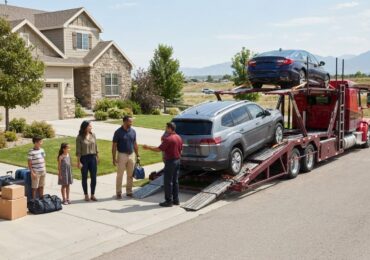
Most daily drivers, such as standard sedans and SUVs, are perfectly suited for the open carrier model. This framework relies on multi-car trailers that can typically accommodate seven to ten vehicles at once. By consolidating shipments, logistics providers can offer more frequent departures and lower costs for consumers. This high-volume approach makes it the backbone of nationwide transportation services, providing the most flexible scheduling for customers across the country.
Open Carrier Logistics: The Industry Standard
The efficiency of open auto transport stems from its ability to move large numbers of vehicles along primary interstate corridors. Safety is not sacrificed for this efficiency. Modern open trailers utilize advanced four-point tie-down systems that secure each vehicle by its tires rather than the frame, which prevents unnecessary stress on the suspension. This method provides a stable and secure ride while allowing for rapid loading and unloading at multiple stops along a route. Because these carriers are so common, they are the most reliable option for sticking to a tight timeline.
Enclosed Transport Logistics: High-Value Protection
For owners of luxury, exotic, or classic cars, the logistical framework shifts toward a “white-glove” service model. Enclosed transport logistics prioritize protection from external elements like road debris, weather, and dust. These trailers often feature hydraulic lift-gates, which allow vehicles with low ground clearance to be loaded perfectly level, preventing any damage to the undercarriage or front spoilers. This is a critical safety feature for performance vehicles that cannot navigate the steep ramps found on standard open carriers.
These specialized carriers manage smaller, more intricate routes. Because they carry fewer vehicles, the logistics are more tailored to the individual needs of the car, including climate considerations for sensitive interiors or paint finishes. While this framework requires more precise scheduling and a higher investment, it is the logical choice when the priority is maintaining the pristine condition of a high-value asset. Deciding which framework suits you depends on your vehicle’s value, its physical dimensions, and your personal comfort level regarding exposure during transit.

The Step-by-Step Logistics Process: From Booking to Delivery
Moving from the theoretical pillars of car shipping logistics to the practical execution requires a clear understanding of the shipment lifecycle. This process is designed to eliminate uncertainty by providing a structured timeline from the moment you request a quote to the final delivery at your destination. By following a methodical path, we ensure that every administrative detail is handled before the physical transport even begins. This transition from the logistics office to the physical carrier pickup is a critical handoff that relies on precision and clear documentation.
The primary document bridging these two worlds is the Bill of Lading. This isn’t just a receipt; it’s the official logistical contract that records the vehicle’s condition and serves as the legal record of the transport agreement. Ensuring this document is accurate at both pickup and delivery is essential for your protection. It acts as the definitive proof of the vehicle’s state, making it the most important piece of paperwork you’ll handle during the entire journey.
The Quoting and Scheduling Phase
The journey begins with the initial vehicle shipping quote. Professional logistics providers calculate these costs by analyzing several variables, including the total distance, the physical dimensions of the vehicle, and the chosen carrier type. Accuracy in the data you provide is vital, as even small discrepancies in vehicle weight or modifications can impact the logistical planning. For instance, if a vehicle has been lifted or has a roof rack, it may require different trailer spacing. Scheduling your transport at least two to three weeks in advance is highly recommended to secure a spot on a high-quality carrier, especially during peak seasons when demand is high.
- Transparent Pricing: A professional quote should be all-inclusive, accounting for current fuel surcharges and insurance coverage without hidden fees.
- Carrier Matching: This phase involves selecting a carrier from our vetted network that best fits your specific route and timeline.
- Data Validation: We verify all pickup and delivery locations to ensure the equipment can safely navigate the area, particularly for residential streets.
Pickup, Transit, and Final Inspection
At the time of pickup, a detailed pre-shipment inspection is conducted. This condition report is a shared record between you and the driver, noting any existing marks or scratches. Once the vehicle is in transit, the focus shifts to communication and monitoring. Logistics experts track the carrier’s progress and provide updates, managing any real-world adjustments needed due to external factors like weather or traffic. If you’re ready to begin your journey, you can request a vehicle shipping quote to see how our precision-managed process works for you.
The final inspection at the delivery point is the closing of the logistical contract. This is your opportunity to review the vehicle one last time against the original condition report to ensure everything is exactly as it was when it left. Once the Bill of Lading is signed at delivery, the logistical cycle is complete, and your vehicle is officially home.
Choosing a Logistics Partner: The AutoPlex Transport Advantage
Selecting a provider is the final, most critical step in your journey. While the mechanics of car shipping logistics involve many moving parts, the success of the operation depends on the integrity of the company managing them. AutoPlex Transport Company positions itself as a reliable partner rather than a simple service provider. We understand that we aren’t just moving metal; we’re moving a valuable asset that requires professional oversight and a commitment to safety. By managing the complexity of nationwide transportation services, we allow you to focus on your move while we handle the regulatory and physical demands of the road.
Our team acts as your advocate in a complex industry. We’ve built our reputation on the pillars of safety vetting and route efficiency discussed throughout this guide. It’s time to move beyond the uncertainty of hidden fees and unverified carriers. Choosing AutoPlex means choosing a gold standard in auto logistics where every mile of your vehicle’s journey is managed with professional precision.
Managing Risk with Comprehensive Coverage
A significant part of our advantage lies in how we handle uncertainty. Every vehicle in our care is backed by a vetted carrier’s insurance policy. We don’t just take a carrier’s word for it; we verify their coverage limits and safety history through official FMCSA data. This proactive approach helps us manage the “what-ifs” of the logistics world, such as sudden weather shifts or mechanical issues. Working with an established industry veteran means you have a team that’s seen every possible scenario and has a proven protocol to address it. This level of risk management is what provides true peace of mind during a long-distance move.
Partnering with AutoPlex for National Transport
Our booking process is designed to be straightforward and educational. We believe that when you understand the logistical framework, you feel more secure in your choice. This “reliable partner” approach beats a “transactional” approach every time because it prioritizes your peace of mind over a quick sale. Whether you need Open Carrier Car Transportation for a daily commuter or Enclosed Transport Services for a classic car, our team provides the same level of detail-oriented care across the entire United States. We invite you to move from the research phase to action by working with a team that values transparency as much as you do.
Ready to experience a higher standard of vehicle transport? Get your personalized vehicle shipping quote from AutoPlex Transport today!
Moving Forward with Confidence in Your Vehicle’s Journey
You now possess the essential tools to navigate the modern landscape of car shipping logistics with absolute clarity. We’ve explored how a strategic approach to route planning and rigorous safety vetting transforms a complex interstate move into a predictable, manageable process. By understanding the functional differences between open and enclosed carrier frameworks and the critical role of the Bill of Lading, you’re prepared to protect your asset at every stage of its travel.
AutoPlex Transport provides an A+ rated nationwide logistical network with specialists in both open and enclosed transport solutions. Our proven track record of safe, reliable interstate delivery ensures that your vehicle is in the most capable hands available. We invite you to Secure your vehicle’s journey with a professional quote from AutoPlex Transport today. Your next move is an opportunity to partner with seasoned experts who value your peace of mind as much as you do. We look forward to being your reliable partner on the road ahead.
Frequently Asked Questions
What exactly is auto logistics in the context of car shipping?
Auto logistics is the strategic coordination of vehicle movement, safety protocols, and precise scheduling. While shipping is the physical act of moving a car, car shipping logistics involves the administrative brain that vets carriers, optimizes routes, and manages regulatory compliance. This comprehensive approach ensures that every detail, from insurance verification to FMCSA bond compliance, is handled before the truck ever arrives at your door.
How long does the interstate vehicle transport process usually take?
The duration of the transport process depends primarily on the total distance and the specific route. Typically, a shipment traveling around 1,000 miles takes between 3 to 5 days, while a cross-country trip from coast to coast can take 7 to 10 days. These timelines account for mandatory driver rest periods and multiple stops for other vehicles on the trailer. We always provide a realistic window so you can plan with confidence.
What is the difference between an auto transport carrier and a logistics broker?
An auto transport carrier is the company that owns the trucks and physically moves the vehicle, while a logistics broker acts as the intermediary that manages the shipment. Brokers utilize a vast network of vetted carriers to find the best equipment and route for your specific needs. This distinction is important because a professional broker provides the administrative oversight and safety vetting that individual owner-operators may not have the resources to manage independently.
Is my vehicle insured during the logistical transit process?
Yes, your vehicle is protected by the carrier’s cargo insurance policy throughout the entire transit process. We verify that every carrier in our network maintains high levels of liability and cargo coverage to protect against unforeseen incidents. It’s essential to review the Bill of Lading at both pickup and delivery, as this document serves as the official record for any insurance claims. This layer of protection is a fundamental part of our commitment to safety.
How do I prepare my car for professional auto transport services?
You should clean your vehicle and remove personal belongings or aftermarket accessories. Keep the fuel tank at about a quarter full to minimize weight while allowing the driver to load and unload the car safely. We also recommend taking clear, dated photos of your vehicle’s condition before the carrier arrives. These steps ensure a smooth inspection and help the driver maintain an efficient schedule within the car shipping logistics pipeline.
Can I track my vehicle while it is in the logistics pipeline?
Most modern logistics providers offer tracking capabilities so you can monitor your vehicle’s progress in real time. This is often handled through direct communication with the driver or a digital tracking platform that provides status updates at key milestones. We prioritize transparency, ensuring you receive regular notifications regarding pickup, transit progress, and the estimated delivery window. This constant flow of information helps reduce anxiety and allows for precise planning at the destination.
What factors most influence the cost of a vehicle shipping quote?
Several variables influence the final cost, including the total distance, the vehicle’s size, and the type of carrier selected. For example, larger SUVs require more space on a trailer than compact sedans, which can impact the pricing. Seasonal demand and current fuel prices also play a role in the final calculation. Providing accurate data about your vehicle and being flexible with your dates can often help in securing a competitive rate for your shipment.
Why is door-to-door transport considered the most efficient logistical option?
Door-to-door transport is highly efficient because it eliminates the need for you to drop off or pick up your vehicle at a distant terminal. The carrier comes as close to your specified locations as safely possible, which reduces the total handling of the vehicle and saves you significant time. This method streamlines the transition between the logistics office and physical delivery, providing a seamless experience that fits into your personal or professional schedule.