Choosing the right car shippers is less about finding the lowest quote and more about securing a logistical partnership that treats your vehicle like the significant asset it is. You’re likely feeling the weight of uncertainty as you plan your move. It’s perfectly normal to worry about whether your car will arrive without a scratch or if the final bill will suddenly change. The complexity of interstate logistics often leads to more questions than answers, especially when you are trying to coordinate a transition across the country.
This guide will empower you to master the fundamentals of vehicle transport. You’ll learn how to identify reliable car shippers who prioritize safety and transparency over empty promises. We will break down the differences between open and enclosed carriers, explain how to vet a company’s credentials, and clarify what goes into a realistic delivery timeline. As of 2026, new regulations like the digital verification of driver medical status through Motor Vehicle Records have added layers of safety to the industry. By the end of this resource, you will have a clear understanding of how to manage your nationwide move with confidence and precision.
Key Takeaways
- Learn how professional car shippers utilize specialized equipment and nationwide networks to manage the logistics of motorized assets safely.
- Discover the specific differences between open carrier transportation and enclosed services to determine which method best suits your vehicle’s protection needs.
- Master the factors that influence shipping rates, including how route logistics and vehicle size impact your overall cost expectations.
- Understand the importance of the Bill of Lading and how to verify carrier insurance to ensure your vehicle is fully protected from pickup to delivery.
- Gain clear criteria for vetting companies by verifying USDOT numbers and understanding the distinct roles of brokers and direct carriers.
What Are Car Shippers and How Do They Operate?
Professional car shippers act as essential logistical partners for anyone needing to move motorized assets across significant distances. These companies don’t just provide a truck; they offer a comprehensive system designed to protect your vehicle’s value and mechanical integrity. By serving as specialized providers, they manage the complex coordination required to move thousands of pounds of machinery from one state to another. This process involves sophisticated scheduling, fuel management, and strict adherence to federal safety standards to ensure every delivery is handled with professional care.
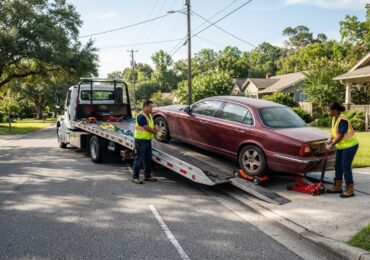
The core of this operation relies on the car carrier trailer, a piece of equipment engineered specifically for the auto transport industry. These trailers come in various configurations, ranging from multi-car open racks to fully enclosed units that shield vehicles from the elements. Utilizing these professional tools is almost always safer than driving the vehicle yourself. Long-distance trips put unnecessary wear on tires, engines, and transmissions. When you account for the cost of fuel, lodging, and the time lost behind the wheel, hiring expert car shippers becomes a cost-effective decision. Most modern providers now prioritize Door 2 Door Transportation, which means the carrier picks up and drops off the vehicle at the most convenient locations possible for the customer.
The Difference Between Local and Nationwide Transport
Interstate vehicle transportation requires a different level of logistical planning compared to local towing services. Local transport usually deals with short distances and immediate, reactive needs. Nationwide transportation services, however, rely on route density and planned corridors to maintain efficiency. Carriers often travel along major highways to ensure they can pick up and deliver multiple vehicles in a single trip. This methodical approach makes scheduling more reliable for cross-country moves, as the companies operate within established networks that maximize their time on the road and minimize delays.
Who Needs Professional Auto Transport Services?
Comparing Transport Methods: Open vs. Enclosed Carriers
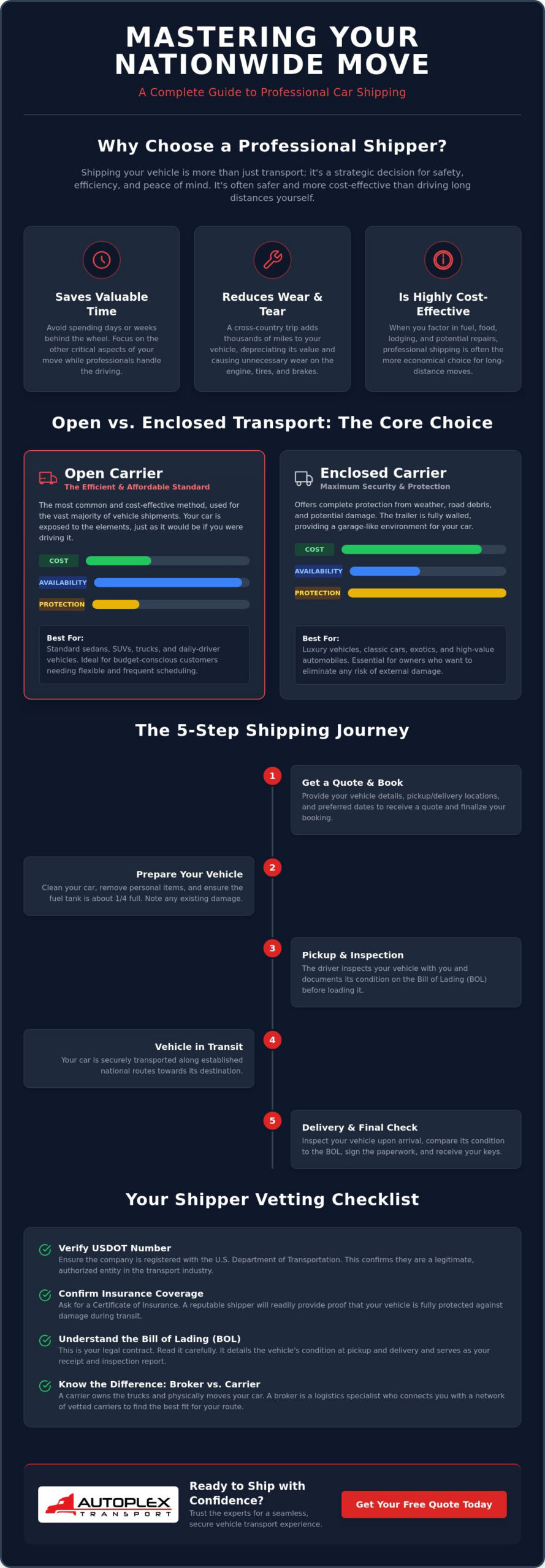
Professional car shippers typically offer two primary methods for moving a vehicle across state lines. Each option balances different logistical priorities, such as total cost, speed of availability, and the level of physical protection provided during transit. Understanding these differences is the first step in ensuring your vehicle arrives in the same condition it left. While both methods adhere to strict safety standards, the physical environment of the trailer significantly impacts how your vehicle interacts with the road and the elements.
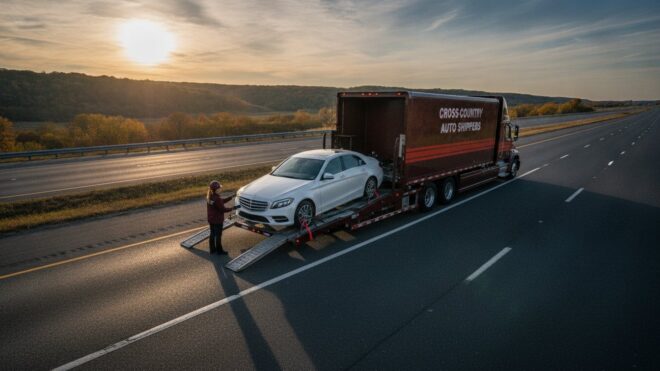
Open carrier car transportation is the most common method seen on American highways today. It’s the industry standard for a reason: it’s efficient, widely available, and cost-effective. These trailers can typically carry seven to ten vehicles at once, which allows carriers to distribute the operational costs across multiple customers. If you are moving a standard daily driver, this method provides a reliable service that fits most budgets. Because there are more open trailers on the road than any other type, car shippers can often provide more flexible scheduling and faster pickup windows for this service level.
The Benefits of Open Carrier Transport
One of the most practical advantages of an open trailer is the ease of visibility. Drivers can perform thorough inspections at every rest stop, ensuring that all tie-downs remain secure and the load hasn’t shifted. This constant oversight provides an extra layer of security that is sometimes overlooked. For most sedans, SUVs, and trucks, open transport car shipping offers the best balance of safety and affordability. It’s a straightforward solution that handles the vast majority of nationwide moves without issue. If you want a deeper look at how this method works and what to expect throughout the process, our ultimate guide to open auto transport covers modern safety protocols, carrier regulations, and cost-saving strategies in full detail.
When to Choose Enclosed Shipping
For vehicles that require a higher level of environmental protection, enclosed transport services are the preferred solution. These trailers are fully walled, shielding the cargo from rain, snow, road salt, and flying debris. While this service typically costs 30% to 60% more than open transport, it’s a necessary investment for classic cars, exotics, or high-end luxury models. Many electric vehicle owners also prefer enclosed car transport due to the specialized handling and protection required for sensitive electronic components and high-value batteries. If you’re shipping a vehicle with a custom paint job or low ground clearance, the peace of mind offered by an enclosed trailer is usually worth the additional expense. You can review our specific service options to see which level of protection aligns with your vehicle’s requirements.
Deciding between these two options depends on your vehicle’s value and your personal comfort level. If your car is a daily driver and you don’t mind a bit of road dust upon arrival, open transport is usually the right path. However, for those with high-value assets, the enclosed option provides a “white-glove” experience that minimizes any risk of environmental wear during the journey. Each method is designed to get your car to its destination safely; the choice simply depends on the specific needs of the asset being moved.
Calculating the Cost: What Influences Car Shipping Rates?
Understanding the financial aspect of vehicle logistics requires looking beyond a single bottom-line number. Reliable car shippers determine their rates based on several dynamic variables that reflect the actual cost of moving several tons of machinery across the country. Distance is the most obvious factor, but route density plays an equally important role. Transporting a vehicle between major metropolitan hubs located along primary highway corridors is generally more efficient for carriers. When a route stays on high-traffic lanes, drivers can fill their trailers quickly, which helps keep individual rates more stable than routes requiring travel into remote or rural areas.
Vehicle specifications also significantly impact the final quote. Larger vehicles, such as full-size SUVs and heavy pickup trucks, occupy more physical space on a trailer and add substantial weight. This extra weight increases fuel consumption for the carrier and may even displace a spot that could otherwise fit a smaller sedan. Because trailers have strict weight limits and spatial dimensions, shipping a larger asset typically involves a surcharge to account for these logistical constraints. Planning your move with a bit of flexibility can often lead to better rates. Car shippers frequently offer scheduling discounts for customers who can provide a wider window for pickup and delivery, as this allows the company to optimize its routes more effectively.
Seasonal demand creates predictable fluctuations in the market. Industry data for 2026 indicates that shipping prices can be 15% to 30% higher during the peak season from June to September. This period sees a surge in residential moves and corporate relocations, which tightens carrier availability. Similarly, the “snowbird” season in late autumn and early spring creates high demand for north-to-south routes, often leading to temporary price adjustments as trailers fill up weeks in advance.
Hidden Factors in Auto Transport Quotes
Several technical details can influence your total cost. Fuel price volatility continues to be a major factor in 2026, often resulting in carrier surcharges that reflect the current market rate at the time of transport. Additionally, if a vehicle is “inoperable,” meaning it cannot be driven onto the trailer under its own power, it requires a carrier equipped with a winch. This specialized equipment and the extra labor involved in loading a non-running vehicle will add to the service fee. For those on a tight timeline, expedited shipping is available, though it carries a premium for the priority scheduling required.
How to Compare Quotes Accurately
It’s vital to avoid the “low-ball” quote trap. Some providers may offer an unrealistically low price just to secure a booking, only to raise the rate later when they can’t find a carrier willing to accept the job at that price. A transparent breakdown is always better than a flat number. Ensure your quote includes all necessary components, such as insurance coverage and Door 2 Door Transportation. By choosing a partner that provides a clear explanation of every fee, you protect yourself from unexpected costs and ensure your vehicle’s journey is managed by professionals who value honesty as much as safety. For a deeper understanding of how modern car shipping logistics has evolved in 2026, including the latest regulatory changes and how to distinguish brokers from carriers, our comprehensive industry guide offers essential context for any customer planning a nationwide move.
Safety, Insurance, and Preparing Your Vehicle
Trust is the foundation of any logistical agreement. When you hire car shippers, you’re relying on their professional insurance and safety protocols to protect one of your most valuable assets. Most reputable brokers today require carriers to maintain at least $1,000,000 in liability coverage, which significantly exceeds the federal minimum of $750,000. The most critical document in this process is the Bill of Lading (BOL). This isn’t just a receipt; it’s a binding legal record of your vehicle’s condition at the moment of pickup and the final point of delivery.
Preparation starts with the mechanical basics. You should keep your fuel tank at approximately one-quarter full. This provides enough fuel for the driver to load and unload the vehicle but keeps the total weight low, helping the carrier stay within legal weight limits for their trailer. Ensure your tire pressure is correct and that your battery is fully charged. If your vehicle has an active alarm system, it’s vital to disable it or provide the driver with clear instructions on how to turn it off. Unexpected alarms during transit can drain your battery or create distractions for the driver during long hauls.
Many customers ask about packing personal belongings inside the car. While many carriers allow a small amount of items, typically under 100 pounds, these must be kept securely in the trunk. It’s important to remember that the carrier’s insurance does not cover these personal items. For the highest level of safety, you should remove all loose exterior accessories like bike racks, custom antennas, or fog light covers that could be loosened by the constant vibration of interstate travel.
The Inspection Process: Pickup and Delivery
A thorough joint inspection is your best defense against potential disputes. You and the driver will walk around the vehicle together to document any existing chips, scratches, or dents on the BOL. As of January 10, 2026, federal regulations now require a driver’s medical status to be verified directly through their Motor Vehicle Record, ensuring the professional handling your car is fully compliant with modern safety standards. When the car arrives at its destination, perform the same detailed inspection before signing the final papers. If you notice any new damage, note it on the BOL immediately to facilitate an insurance claim.
Securing Your Vehicle for Long-Distance Travel
Professional car shippers utilize a four-point securement method as the industry standard for every vehicle. This involves using specialized heavy-duty straps to secure each wheel or the chassis to the trailer frame, which prevents the car from shifting during sudden stops or turns. If you’re shipping a convertible, ensure the top is securely fastened and free of any tears that could catch the wind. A clean exterior is also helpful; it allows both you and the driver to see the true condition of the paint and body during the initial inspection. You can get started with our secure transport services to ensure your vehicle is handled with this level of expert care from start to finish.
Choosing the Best Car Shipper for Your Nationwide Move
Selecting the right car shippers is the final and most important step in your vehicle’s journey. To make an informed choice, you must first understand the distinction between auto transport brokers and direct carriers. A broker acts as a logistical coordinator, utilizing a vast network of thousands of vetted carriers to find the best route and equipment for your specific needs. A carrier is the company that physically owns the trucks and performs the transportation. Both play vital roles in the industry, but your primary goal should be to find a partner that offers complete transparency about which role they are playing in your move.
Legitimacy in this field is easily verifiable if you know where to look. Every professional transport company must be registered with the Federal Motor Carrier Safety Administration (FMCSA). You should always ask for a company’s USDOT and MC (Motor Carrier) numbers. Verifying these credentials on the official government portal ensures the company is authorized to operate and maintains the required insurance levels. Beyond legal compliance, look closely at how a company handles communication. In 2026, real-time tracking and proactive updates are no longer optional features; they are essential tools that provide peace of mind while your vehicle is in transit across state lines.
When you evaluate customer reviews, try to read beyond the simple star rating. Look for detailed accounts of how the company handled unexpected challenges, such as weather delays or mechanical issues. A company that communicates honestly during a difficult situation is often more reliable than one with a perfect record that lacks detailed feedback. Focus on comments regarding the driver’s professionalism and the accuracy of the final price compared to the initial quote.
Questions to Ask Every Transport Company
Before you sign a contract, you should ask several targeted questions to gauge a company’s expertise. Does the company have specific experience with your vehicle type, especially if you are moving an electric vehicle or a classic car? You should also confirm their policy on pricing. Ask whether the quote is a guaranteed price or a non-binding estimate that could fluctuate based on fuel costs. Finally, ask what their specific protocol is for updates. Will you receive a text message when the driver is a few hours away, or will you need to call a central office for information?
Why AutoPlex Transport Leads in Reliability
AutoPlex Transport Company has built its reputation on a methodical, safety-first approach to vehicle handling. We understand that we aren’t just moving cars; we are managing valuable assets that our customers rely on daily. Our commitment to providing an expert-led experience means that every step of the process is handled with professional care and steady confidence. With a proven track record in nationwide transportation services, we prioritize building long-term trust through transparent pricing and reliable scheduling. We position ourselves as your stable partner in a complex logistical field, ensuring that your interstate vehicle transportation is as stress-free as possible.
Secure Your Vehicle’s Journey with Confidence
Mastering the complexities of auto transport ensures your vehicle remains protected throughout its transition. You now understand how to choose between open and enclosed methods and how to vet a company’s legal credentials using USDOT and MC numbers. By focusing on logistical transparency rather than just the lowest price, you can navigate the 2026 transport market with total clarity. Reliable car shippers should provide more than just a service; they should offer peace of mind through every mile of the journey.
At AutoPlex Transport Company, we specialize in professional door-to-door service and expert methodical logistics. Our network of fully insured nationwide carriers is dedicated to maintaining the highest safety standards in the industry. Get a Professional Auto Transport Quote from AutoPlex Transport to begin your stress-free move. Your vehicle represents a significant investment, and we’re here to ensure it arrives at its destination safely and on schedule. We look forward to being your trusted partner on the road ahead.
Frequently Asked Questions
How much does it cost to ship a car across the country?
Shipping costs depend on the total distance, the size of your vehicle, and the type of trailer you select. Larger vehicles like SUVs or trucks typically incur higher rates because they occupy more space and add weight to the carrier. While prices fluctuate based on seasonal demand and fuel surcharges, professional car shippers usually offer more stable rates along major highway corridors where route density is highest.
Is open carrier auto transport safe for my everyday vehicle?
Open carrier transport is a highly safe and reliable method used for the vast majority of vehicle shipments in the United States. Drivers use a standardized four-point securement process to lock each wheel or the chassis firmly to the trailer frame. While your vehicle is exposed to the elements, this is the same environment it encounters during daily driving, making it a practical choice for most sedans and SUVs.
How long does it take for car shippers to deliver a vehicle?
Delivery timelines vary based on the distance of the move and the specific route logistics. A cross-country trip generally takes between seven and fourteen days, while shorter interstate moves may be completed in under a week. Factors such as mandatory driver rest periods, weather conditions along the route, and the number of scheduled stops for other vehicles on the trailer will influence the final delivery window.
Can I put personal belongings in my car when shipping it?
Most carriers allow you to place up to 100 pounds of personal items in the trunk of the vehicle. However, you shouldn’t place any items in the passenger cabin as they can block the driver’s visibility during loading or shift and cause internal damage. It’s also important to remember that the carrier’s cargo insurance policy does not cover any personal belongings left inside the car.
Do I need to be present for the vehicle pickup and delivery?
You or an authorized representative over the age of 18 must be present at both the pickup and delivery locations. This person needs to walk around the vehicle with the driver to document its condition and sign the necessary paperwork. If you can’t be there personally, you can designate a trusted friend or family member to act as your agent during the inspection process.
What is a Bill of Lading and why is it important in car shipping?
The Bill of Lading is a legal contract and a condition report that serves as the most important document in the shipping process. It records any existing scratches or dents at pickup and confirms the vehicle’s condition upon arrival. If you ever need to file an insurance claim, this document is the primary evidence used to prove that damage occurred while the vehicle was in the carrier’s possession.
Are car shipping quotes guaranteed or can they change?
Quotes are generally reliable estimates, but they can change if the details of the shipment are modified. For example, if a vehicle is found to be inoperable at the time of pickup or if you’ve added significant weight with personal items, the carrier may apply additional fees. Choosing car shippers who provide a transparent breakdown of their pricing helps you avoid unexpected costs during the move.
What happens if my vehicle is damaged during transport?
If you discover new damage when your car arrives, you must note it specifically on the Bill of Lading before signing for the delivery. Take clear, dated photographs of the damage immediately to support your claim. Once the damage is documented on the BOL, you can contact the transport company to begin the insurance claim process through the carrier’s liability or cargo coverage.