Did you know that in 2026, the number of vehicle shipments costing more than the initial quote jumped by 46%? This statistic highlights a growing frustration for many vehicle owners who simply want a straightforward car delivery service without hidden fees or unexpected delays. It’s understandable to feel a sense of unease when handing over the keys to one of your most valuable assets. You’re likely worried about potential transit damage, confusing pricing tiers, or whether your car will actually arrive on schedule.
We believe that transporting your vehicle should be a partnership rooted in asset protection rather than just a cold logistical transaction. This guide will show you how to manage the complexities of nationwide vehicle shipping with expert insights on safety protocols and cost structures. We’ll break down the differences between open and enclosed transport methods, explain current federal insurance requirements, and provide a clear roadmap for selecting a carrier that prioritizes professional communication and safe door-to-door delivery. By understanding these industry standards, you can ensure your vehicle is handled by a provider that meets all modern compliance requirements and values your peace of mind.
Key Takeaways
- Identify the 2026 standards for professional carriers, including the necessity of real-time GPS tracking and comprehensive insurance verification.
- Determine whether an open or enclosed carrier best suits your vehicle type and budget requirements for interstate transit.
- Understand the specific factors that influence a car delivery service quote to ensure transparent pricing without hidden fees.
- Prepare your vehicle for a seamless pickup by following a methodical checklist and mastering the Bill of Lading process.
- Gain peace of mind by leveraging the security and convenience of professional door-to-door nationwide transportation.
What Defines a Professional Car Delivery Service in 2026?
A professional car delivery service in 2026 is defined by a sophisticated blend of logistical precision and advanced technology. It’s no longer enough to simply move a vehicle from point A to point B. Today’s standards demand real-time GPS tracking and comprehensive insurance protocols that protect your investment every mile of the way. When you hire a professional, you’re securing a partner dedicated to maintaining your vehicle’s condition and market value. This level of service ensures that your asset is treated with the care it deserves throughout the entire transit process.
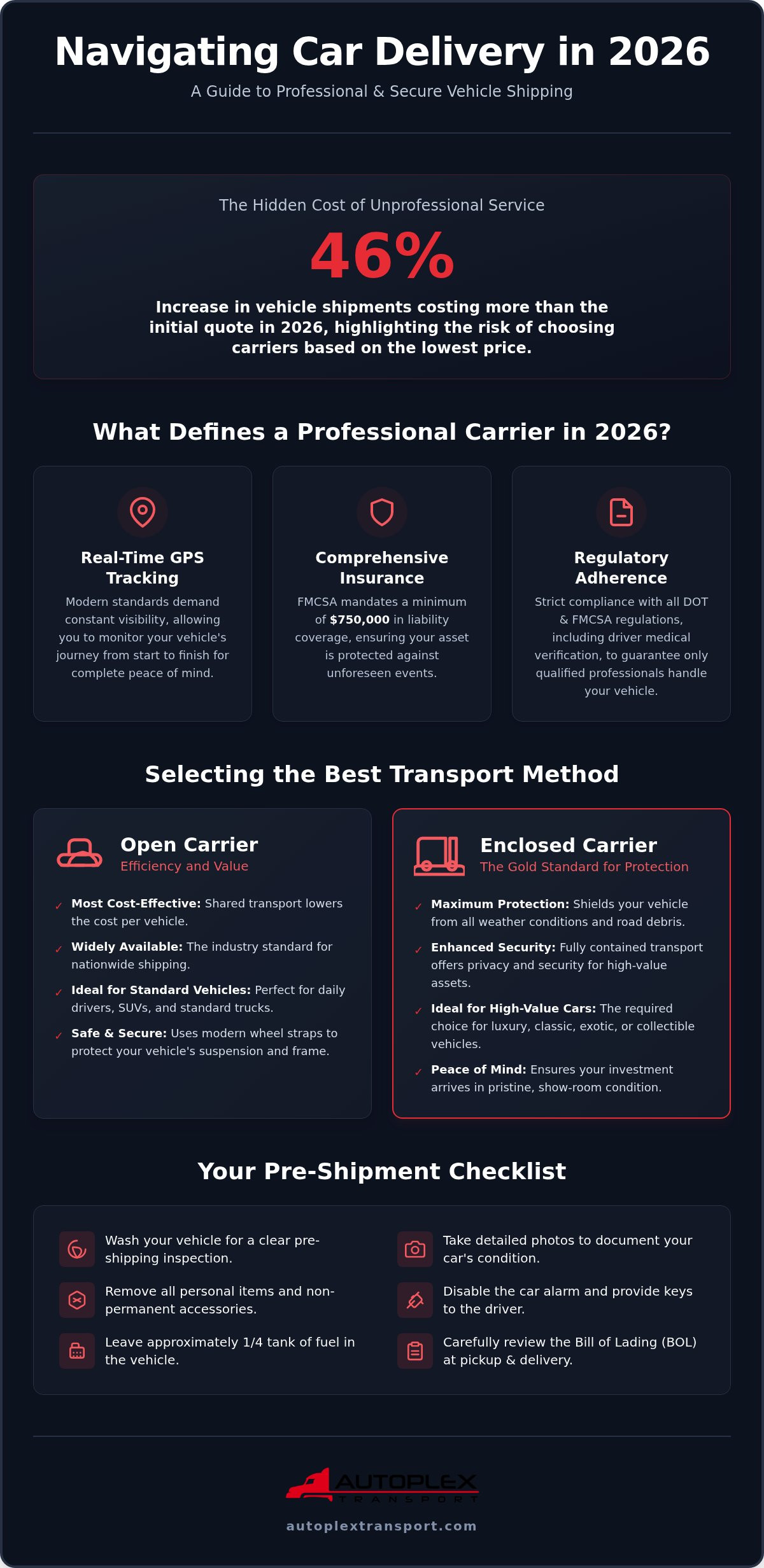
Choosing a carrier based solely on the lowest price often leads to significant risks. In 2026, the industry has seen a 46% increase in shipments that ended up costing more than the initial car delivery service quote. Cheap providers frequently cut corners on safety equipment or lack the necessary insurance coverage to handle high-value assets. A professional service prioritizes transparency and reliability over “bottom-dollar” pricing that rarely stays low. They understand that a vehicle is a major investment, and they provide the security measures needed to protect it.
The Logistics Behind Nationwide Vehicle Shipping
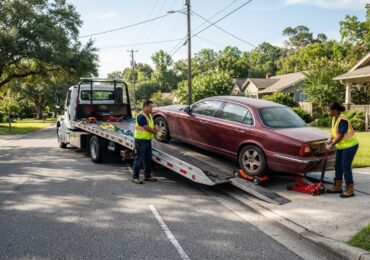
Coordinating interstate vehicle transportation requires meticulous planning and route optimization to ensure timely delivery across thousands of miles. Modern logistics rely on specialized equipment, ranging from multi-car open trailers to Roll-on/roll-off (RoRo) transport methods for specific port-to-port needs. These systems allow carriers to navigate complex traffic patterns and weather conditions while keeping your vehicle secure. This level of coordination ensures that your car doesn’t just arrive; it arrives according to a predictable and managed schedule. Professional logistics teams manage these variables so you don’t have to worry about the details.
Regulatory Standards for National Carriers
Safety isn’t just a promise; it’s a legal requirement. As of January 10, 2026, all CDL drivers must have their medical status verified directly through their Motor Vehicle Record. Professional companies strictly adhere to these Department of Transportation (DOT) regulations to ensure only qualified personnel handle your shipment. Additionally, the FMCSA mandates that interstate carriers maintain a minimum of $750,000 in liability coverage. These standards provide a baseline of protection that every legitimate carrier must meet.
Vetting drivers and equipment is a continuous process for top-tier providers. They look beyond basic licenses to ensure every truck in the fleet meets modern safety standards. This rigorous approach to compliance, combined with high-limit cargo insurance, provides the layer of security necessary for long-distance transport. You can rest easy knowing the carrier has the financial and legal standing to protect your vehicle throughout its journey across the country.
Selecting the Best Transport Method for Your Needs
Choosing between open and enclosed shipping is the most critical decision you’ll make when arranging a car delivery service. It isn’t just about the bottom line; it’s about the specific requirements of your vehicle and the environmental factors it will face during interstate transit. While one method offers unmatched efficiency for standard vehicles, the other provides a sanctuary for high-value assets that require extra care.
Open Carrier Car Transportation: Efficiency and Value
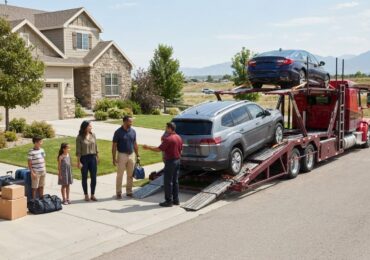
Open carrier transport is the industry standard for a reason. It’s the most cost-effective and widely available option for daily drivers, SUVs, and standard trucks. These trailers typically carry seven to ten vehicles at once, which allows for lower per-vehicle rates due to shared logistical costs. To ensure safety, professional carriers use specialized wheel straps rather than frame-hooks to secure vehicles. This prevents shifting during sudden stops or turns without putting undue stress on the car’s suspension system.
While your vehicle is exposed to the elements, professional drivers are trained to position cars strategically to minimize impact from road debris. Before you commit to a carrier, it’s wise to review the FMCSA Moving Checklist to verify that your chosen provider is properly registered and compliant with national safety standards. For a deeper look at this method, read The Comprehensive Guide to Open Transport Car Shipping in 2026.
Enclosed Transport: The Gold Standard for Protection
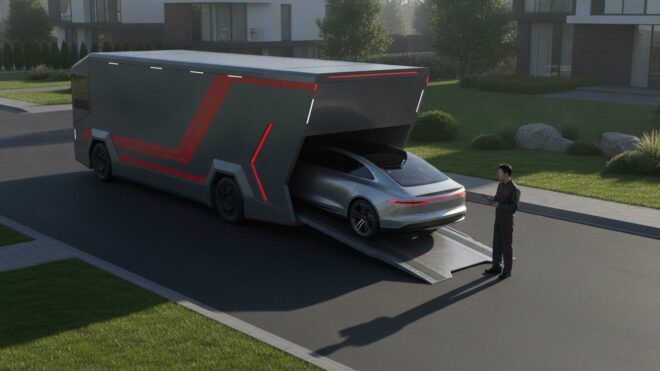
For luxury, classic, or exotic vehicles, enclosed transport is the superior choice. This method shields your car from dust, rain, and road grime, ensuring it arrives in the exact same condition it was picked up. In 2026, premium carriers utilize hard-sided trailers that offer maximum security against environmental hazards and prying eyes. This is particularly important for cross-country routes where weather conditions can change drastically between states.
One of the biggest advantages of this service is the use of specialized hydraulic lift-gates. Unlike traditional ramps, lift-gates keep the vehicle perfectly level during the loading and unloading process. This is essential for exotic cars with low ground clearance to prevent undercarriage damage. If you’re moving a high-value asset, our Enclosed Car Transport: The Definitive Buying Guide for 2026 provides the technical insights you need to make an informed decision.
Selecting the right method ensures your vehicle receives the level of care it deserves during its journey. If you aren’t sure which option fits your specific timeline or budget, you can compare transport solutions with a specialist who understands the nuances of national vehicle logistics.
Decoding Car Shipping Quotes: Cost vs. Value
Whether you are relocating or have recently purchased a vehicle from a dealership like MyCar, understanding the math behind a car delivery service quote helps you avoid the common pitfalls of the transport industry. While a low-ball estimate might look attractive on a screen, it often hides the reality of modern logistics. A transparent quote accounts for the physical dimensions of your vehicle, its operational status, and the current market conditions that dictate carrier availability. It’s a reflection of the resources required to move your asset safely across the country.
Distance is the most obvious variable, but route accessibility is just as important. Delivering to a remote rural area takes more time and fuel than a drop-off near a major interstate. Professional door-to-door transportation simplifies this by handling the last mile logistics for you. It’s also vital to distinguish between a firm carrier quote and a broker’s estimate. A direct relationship with a carrier ensures that the price you see is the price you pay, avoiding the hidden commissions that often inflate third-party marketplace bookings.
Identifying High-Quality Service Providers
A high-quality quote should be comprehensive. It needs to include high-limit cargo insurance and access to professional support throughout the journey. In a year where 46% of customers saw their final costs rise above the initial quote, a firm price commitment is a sign of a seasoned industry veteran. Professional companies don’t use high-pressure tactics. Instead, they provide a methodical breakdown of costs that reflects a commitment to asset protection. When you choose a reliable partner, you’re paying for the peace of mind that comes from knowing your vehicle is in safe, experienced hands.
Preparing for a Seamless Delivery Experience
Preparation is the foundation of a successful car delivery service experience. While the carrier handles the physical transport, your role in documenting the vehicle’s state ensures a transparent transition of responsibility. This process begins well before the truck arrives at your door. It’s about creating a verifiable record that protects your interests from the initial pickup to the final drop-off. Professional logistics in 2026 rely heavily on this mutual accountability to maintain high safety standards.
The Bill of Lading (BOL) is the most critical document in this journey. It serves as both a formal contract and a detailed condition report. When the driver arrives, you’ll perform a joint inspection to note any existing chips, dents, or scratches. Don’t rush this step. Digital coordination now allows many carriers to log these details via mobile apps with time-stamped photos. This digital trail provides a clear baseline for insurance purposes and ensures that both parties agree on the vehicle’s condition before it leaves your sight.
The Pre-Transport Inspection Checklist
To ensure an accurate inspection, you must start with a clean vehicle. Dirt and grime can easily hide minor paint imperfections that need to be documented on the BOL. You should also remove all personal items from the interior. While many carriers allow up to 100 lbs of items in the trunk, Department of Transportation (DOT) regulations prohibit shipping household goods on an open trailer. It’s important to remember that any personal items left inside are not covered by the carrier’s insurance policy. For a complete breakdown of these steps, consult How to Prepare a Car for Transport: The 2026 Essential Checklist.
Navigating the Delivery and Final Inspection
When your vehicle reaches its destination, the delivery process mirrors the pickup. Modern 2026 logistics often include real-time GPS tracking so you can manage your schedule and be present for the arrival. Once the car is unloaded, perform a second thorough walk-around. Compare the vehicle’s current state to the notes and photos taken during the initial pickup. If you notice any new issues, you must document them on the BOL before signing off. This final signature confirms that the car delivery service was completed to your satisfaction.
Managing your expectations regarding delivery windows is also vital. While technology has improved route predictability, factors like weather or traffic can still cause minor shifts in the timeline. A professional carrier will maintain steady communication to keep you informed of any changes. If you’re ready to begin the process with a partner who values transparency, you can schedule your professional car delivery today to ensure a secure move.
Why AutoPlex Transport Leads in National Vehicle Delivery
AutoPlex Transport Company stands out by prioritizing asset protection over simple transit. Our approach is grounded in years of experience managing complex interstate routes. We understand that a car delivery service isn’t just about moving metal; it’s about safeguarding your lifestyle and financial investments. By positioning ourselves as a knowledgeable authority, we provide a sense of security that distant corporations or unvetted marketplaces simply can’t match. Our team treats every vehicle as a high-value asset, applying the same methodical care to a standard sedan as we do to a custom exotic car. If your relocation involves flying into a major hub like Newark to receive your vehicle, you can learn more about professional chauffeured airport transfers to make your arrival seamless.
We take a methodical approach to vehicle handling and security that begins the moment you contact us. Our door-to-door transportation removes the logistical burden from your shoulders. Instead of forcing you to coordinate drop-offs at crowded terminals, we handle the pickup and delivery at your specified locations. This direct service minimizes the number of times a vehicle is moved or reloaded, which naturally lowers the risk of transit-related issues. AutoPlex Transport Company has built a proven track record of safe national deliveries by vetting every carrier in our network against rigorous federal safety standards.
Proactive communication is the hallmark of our professional service. You won’t have to guess where your vehicle is or when it will arrive. We provide clear, informative updates throughout the journey, ensuring you’re always in the loop. This commitment to transparency helps build the trust necessary for a successful long-distance move. Our drivers are trained in the latest vehicle technologies, ensuring that modern safety features and electric vehicle systems are handled with the specialized care they require. This steady and confident approach is why AutoPlex Transport Company is considered a reliable partner in the industry.
Request Your Personalized Nationwide Quote
Getting an accurate estimate is the first step toward a successful move. Our transparent quoting process ensures you understand every variable involved in your specific route and vehicle type. We don’t believe in high-pressure sales tactics or low-balling just to win a contract. Instead, we provide firm price commitments that reflect the true cost of a professional car delivery service. Whether you need open carrier car transportation for a family SUV or enclosed transport services for a classic car, our team offers a detailed breakdown of the logistics.
The next steps are simple and designed to be as informative as possible. Once you provide your vehicle details and route, we’ll generate a personalized quote that accounts for current market conditions and fuel costs. From there, you can schedule your 2026 vehicle transportation with confidence, knowing you’re partnered with a national leader in safety and reliability. We’re here to guide you through the entire process, from the initial inquiry to the final sign-off at your new destination.
Securing Your Vehicle’s Future on the Road
Modern interstate logistics requires a blend of technical precision and reliable communication. By prioritizing professional standards like real-time tracking and high-limit insurance, you turn a complex move into a well-managed process. You now understand how to choose between transport methods and why a firm, transparent quote is the only way to avoid the hidden costs that often plague the industry. Selecting a car delivery service should provide you with peace of mind rather than uncertainty. It’s about ensuring your vehicle arrives in the same condition it left your driveway.
AutoPlex Transport Company is ready to be your reliable partner in asset protection. We provide nationwide door-to-door service and fully insured interstate transport through our network of professional open and enclosed carriers. Our methodical approach ensures that every detail, from the initial inspection to the final sign-off, is handled with expert care. Request a Professional Car Delivery Quote from AutoPlex Transport today to see how we simplify your next move. We look forward to helping you reach your destination with confidence and security.
Frequently Asked Questions
How much does a car delivery service cost in 2026?
The total cost depends on several variables, including the distance of the route, the vehicle’s size, and your chosen transport method. Industry data from 2026 shows that fuel price fluctuations and seasonal demand significantly impact national rates. Larger vehicles like SUVs often require more resources due to their weight and dimensions. To ensure you receive a transparent car delivery service rate, it’s best to request a firm quote from a professional carrier rather than relying on marketplace estimates.
Is my vehicle insured while it is being transported?
Yes, professional interstate carriers are legally required to maintain high-limit cargo insurance. The Federal Motor Carrier Safety Administration mandates a minimum of $750,000 in liability coverage for these operators. This protection covers your vehicle against transit-related incidents from the moment of pickup until the final delivery. It’s vital to review your Bill of Lading carefully, as this document serves as the official record for any potential insurance claims during the journey.
How long does it take to ship a car across the country?
Cross-country shipments typically take between seven and ten days to complete. The exact timeline is influenced by the total mileage, route accessibility, and current weather conditions across different states. Drivers must also adhere to federal hours-of-service regulations, which prioritize safety over speed. Professional providers offer realistic delivery windows and maintain steady communication, ensuring you stay informed about your vehicle’s progress as it moves through the national transport network.
What is the difference between open and enclosed car transport?
The primary difference is the level of protection from environmental elements. Open transport uses multi-car trailers and is the efficient industry standard for most daily drivers and standard SUVs. Enclosed transport utilizes hard-sided trailers to shield high-value, classic, or low-clearance vehicles from road debris and rain. While open transport is more cost-effective, enclosed service offers maximum security and specialized handling for luxury assets that require extra care during long-distance transit.
Do I need to be present for the pickup and delivery?
It’s highly recommended that you or a designated representative be present for both the pickup and delivery phases. This presence allows for a joint inspection with the driver to document the vehicle’s condition on the Bill of Lading. This document is the foundation of your contract and insurance coverage. If you can’t be there personally, you should appoint a trusted adult who understands the inspection process and can legally sign the official paperwork on your behalf.
Can I ship personal items inside my vehicle?
Department of Transportation regulations generally prohibit the transport of household goods inside a vehicle on an open trailer. While many carriers allow up to 100 lbs of personal items in the trunk, these objects are not covered by the carrier’s insurance policy. It’s best to remove all valuables and loose items before the carrier arrives. Keeping the interior empty helps ensure the trailer stays within strict federal weight limits for safe interstate transportation.
What happens if my car is damaged during transport?
You must document any new damage on the Bill of Lading immediately upon delivery. If you notice discrepancies during the final walk-around, take clear photos and ensure the driver signs off on your observations. This documentation is the first step in filing a claim through the carrier’s insurance provider. Professional companies guide you through this process to ensure a fair resolution, emphasizing the importance of the initial pickup report as a verifiable baseline.
How do I track my vehicle while it is in transit?
Most professional services in 2026 provide real-time GPS tracking or regular status updates through a digital portal. You can often monitor your vehicle’s location or communicate directly with a dedicated logistics coordinator to get the latest information. This transparency helps you manage your schedule and prepare for the delivery day. Steady communication ensures you’re never in the dark about your asset’s location, providing the peace of mind that defines a quality experience.