Most vehicle owners assume that shielding a car behind thick metal walls is the only way to ensure a safe interstate journey, but the reality of modern national logistics tells a different story. You’re likely feeling some anxiety about road debris or unpredictable weather when considering open carrier car transport for your vehicle’s next move. It’s natural to worry about how your investment will handle a long trip across state lines. We understand that the fear of hidden fees or confusion over broker authority can make the process feel overwhelming.
This guide helps you master the logistics of professional shipping and shows you exactly how to secure a reliable, cost-effective interstate transport plan for 2026. You’ll discover how the industry has evolved, including the shift to the USDOT number as the sole identifier for motor carriers. We’ll explore the transparency you should expect regarding insurance and liability, ensuring your car arrives damage-free at a competitive price. By the end of this article, you’ll have a clear roadmap for navigating the complexities of national shipping with total confidence and ease.
Key Takeaways
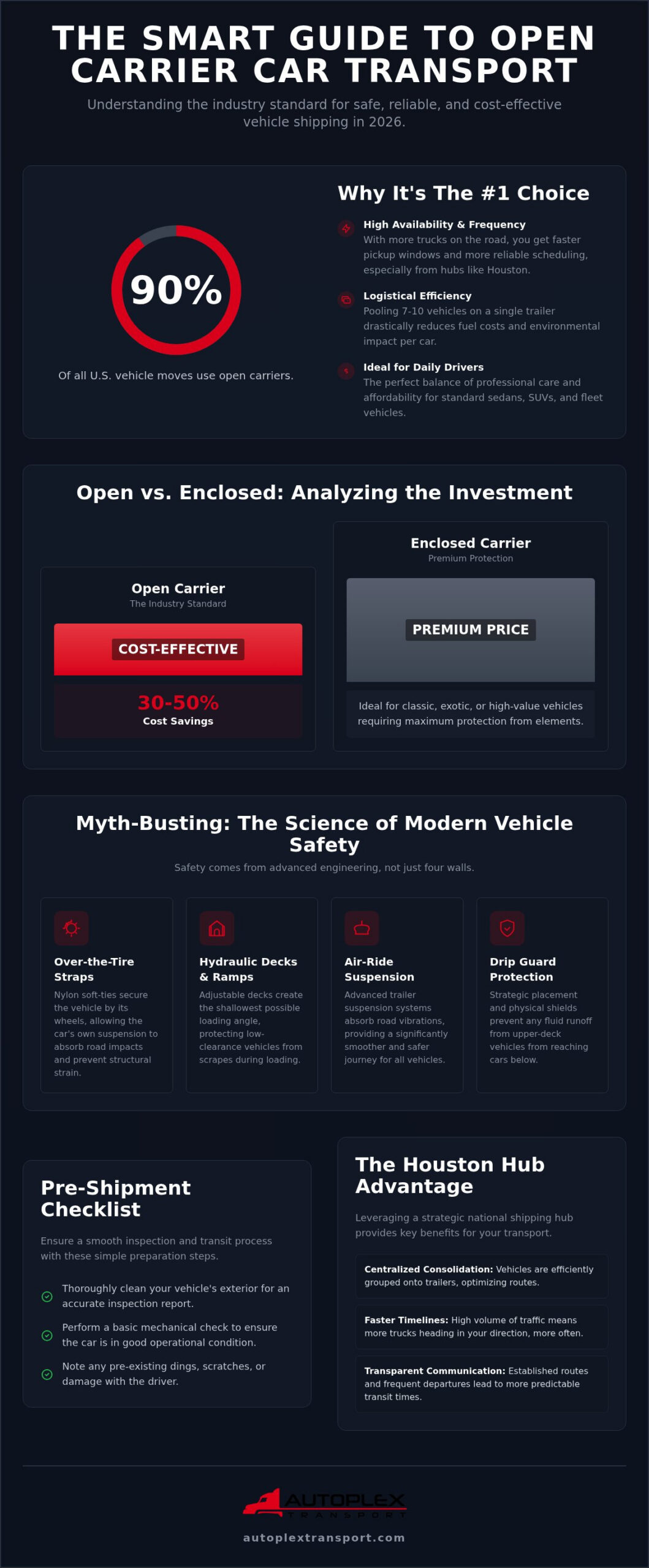
- Understand why open-air trailers are the logistical standard for 90% of US vehicle moves and how they offer a reliable solution for interstate travel.
- Learn about the safety engineering of modern transport, such as over-the-tire straps and hydraulic decks that protect your car’s structural integrity.
- Discover how to achieve 30-50% cost savings by selecting open carrier car transport Houston while maintaining high standards of professional care.
- Master the essential vehicle preparation steps, from exterior cleaning to mechanical checks, ensuring a smooth inspection and transit process.
- Explore how to leverage Houston’s strategic position as a national shipping hub to secure more efficient timelines and transparent communication.
What is Open Carrier Car Transport and Why is it the Industry Standard?
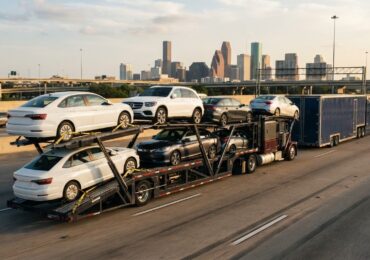
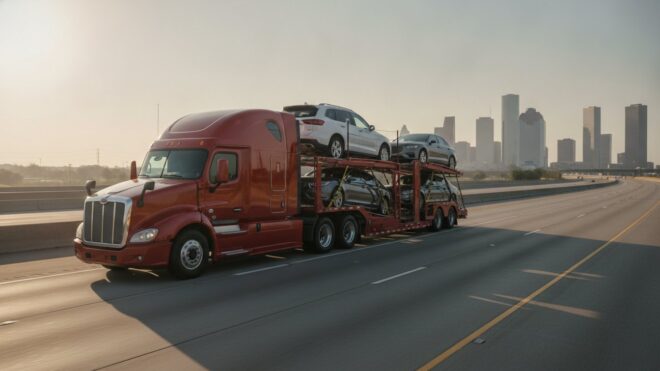
Open carrier transport is a multi-vehicle shipping method that utilizes specialized open-air trailers to move automobiles across the country. It’s the primary engine of the automotive logistics world, responsible for moving approximately 90% of all vehicles in the United States. When you see a large truck on the interstate carrying a fleet of new cars to a dealership, you’re looking at the industry standard in action. Many residents looking for open carrier car transport Houston choose this method because it’s the most practical way to balance professional handling with affordable rates. It’s the most accessible and frequent interstate shipping method available to consumers today.
The Logistics of Multi-Car Trailers
The efficiency of this service stems from the design of the equipment. These vehicles typically utilize a car carrier trailer, which features a skeletal tube steel design to maximize space and manage weight distribution across a double-deck structure. By “pooling” 7 to 10 cars on a single trailer, carriers can significantly reduce the fuel cost and carbon footprint per vehicle. This logistical pooling is what makes the service so cost-effective compared to single-car hauling.
Most national providers operate on a hub and spoke model. Houston serves as a massive central hub where vehicles are consolidated before being dispatched along major interstate corridors. Because so many trailers move through these routes daily, the frequency of service is much higher than other specialized methods. This high volume leads to faster pickup and delivery windows, as there’s almost always a trailer ready to move in your desired direction. It’s a methodical system designed for reliability and predictable transit times.
Who Benefits Most from Open Carrier Shipping?
This method is the ideal choice for “daily drivers,” including standard sedans, SUVs, and fleet vehicles. If your car is driven regularly on public roads, it’s already exposed to the elements; open transport simply continues that exposure while the vehicle is in transit. It’s the go-to solution for interstate moves where the budget is a primary factor. You get the same professional driver and the same level of logistical planning as premium services, but at a fraction of the cost.
For those managing a relocation or a corporate fleet transfer, the transparency of open carrier car transport Houston provides peace of mind. Drivers can perform visual inspections more easily on an open trailer, ensuring any changes in the vehicle’s condition are noted immediately. For a deeper dive into how these systems operate, you can consult The Comprehensive Guide to Open Transport Car Shipping in 2026. This service remains the backbone of national transport because it works consistently for the vast majority of vehicles on the road.
Safety Engineering in Modern Open Car Carrier Trucks
Many owners seeking open carrier car transport Houston are surprised to learn that the safety of the journey depends more on specialized hardware than on trailer walls. Modern vehicle shipping relies on highly engineered equipment designed to mitigate the risks of the open road. While the trailer is open to the air, the technology used to secure your vehicle is anything but basic. One of the most critical advancements is the use of specialized “over-the-tire” straps. Unlike older methods that hooked into the vehicle’s frame, these nylon soft-ties secure the car by its wheels. This approach allows the vehicle’s own suspension to work naturally during transit, preventing the structural strain that occurs when a car is cinched down too tightly.
Hydraulics play a massive role in damage prevention. Modern trailers feature adjustable hydraulic decks and non-slip ramps that allow drivers to create the shallowest possible loading angle. This is particularly important for standard sedans with lower ground clearance. Drivers also employ specific “drip guard” positioning strategies and physical shields that catch any fluid runoff from the upper deck, protecting cars on the lower levels. To further protect the load, modern carriers utilize air-ride suspension systems that significantly minimize road vibration throughout the journey.
Securing the Load: Straps vs. Chains
Professional carriers have almost entirely transitioned from heavy steel chains to nylon 4-point tie-down systems. Chains were once the industry standard, but they often caused frame damage or snapped under extreme tension. Nylon straps are superior because they provide a “soft” grip that doesn’t mar the wheels or stress the chassis. During a long-haul journey, a methodical driver will perform periodic inspections at every stop to ensure these straps remain at the correct tension. If you’re planning a move, choosing a provider that prioritizes these hardware standards for nationwide vehicle shipping ensures your asset is handled with modern care.
Loading and Unloading Safety Protocols
The human element is just as vital as the hardware. Loading a multi-car trailer is a disciplined process that requires a trained “spotter” to guide the driver, ensuring every inch of clearance is accounted for. These protocols are strictly monitored by the Federal Motor Carrier Safety Administration, which sets the safety benchmarks for all interstate commerce. Many professional haulers refine their skills at institutions like Lone Star Truck Driving Academy to ensure they meet the high technical standards required for commercial logistics. Before any vehicle is moved, a detailed Bill of Lading (BOL) is completed. This document serves as a high-resolution snapshot of the vehicle’s condition, providing total transparency for both the owner and the carrier. When you book open carrier car transport Houston, these standardized protocols are your primary defense against transit mishaps.
Open vs. Enclosed Transport: Analyzing the Investment
Choosing between transport methods often comes down to a balance of economics and risk management. For most owners, open carrier car transport Houston represents the most logical investment because it offers a significant 30-50% cost saving compared to enclosed alternatives. While enclosed shipping provides a “bubble” of protection against the elements, open transport is the standard for a reason. Modern factory paint is designed to withstand the same road conditions your car faces every day. If you’re comfortable driving your vehicle on the highway, it’s statistically safe on an open trailer. The primary difference is the “exposure risk” to dust and weather, which standard clear coats handle without issue.
To give your vehicle an extra layer of defense against road grime or to restore its shine once it arrives in the Houston area, you can discover D3 Auto Care LLC for professional automotive protection and detailing services.
Another practical advantage is availability. Because open-air trailers are the industry standard, they’re much easier to book on short notice. If you have a tight timeline for an interstate move, an open carrier is almost always the faster route to securing a pickup date. This frequency of service means you aren’t waiting weeks for a specialized trailer to become available in your area. It’s a pragmatic choice for those who value both their time and their budget.
When the Extra Cost of Enclosed is Justified
There are specific scenarios where the premium for an enclosed trailer makes sense. High-value assets, such as vintage classics or exotic supercars, often require a higher level of protection from road debris and extreme weather. Specialized finishes like matte paint or vinyl wraps are particularly sensitive to small impacts that wouldn’t affect standard clear coats. If you’re moving a vehicle that fits this description, you should consult our Enclosed Car Transport: The Definitive Buying Guide for 2026 to understand the specific benefits of hard-sided trailers. For these vehicles, the extra cost is a form of insurance for a delicate asset.
Calculating the “Protection ROI” for Your Vehicle
To make an informed choice, you should evaluate the “Return on Investment” regarding protection. Start by looking at your car’s current resale value. If the cost difference between open and enclosed transport represents a tiny fraction of the car’s value, the upgrade might be worth the peace of mind. However, for a standard daily driver, that extra expense rarely translates into a higher resale value later. The money saved by choosing open carrier car transport Houston can often be better spent on other moving expenses.
It’s also helpful to look at official guidance on shipping your vehicle to understand how professional carriers manage liability. Most reputable providers carry substantial insurance that covers the vehicle regardless of the trailer type. While the psychological comfort of an enclosed trailer is real, the statistical risk of damage on an open carrier remains remarkably low. For the vast majority of drivers, the efficiency of open transport provides the best value without compromising on professional safety standards.
How to Prepare Your Vehicle for Open Carrier Interstate Transport
Before your vehicle begins its journey with open carrier car transport Houston, a few methodical steps ensure a smooth transition. A thorough exterior wash is the first priority. This isn’t just about aesthetics. A clean car allows for a precise inspection, revealing any existing road-wear or minor scratches that might otherwise be hidden by dust. This clarity protects you and the driver by establishing an undeniable baseline for the vehicle’s condition before it’s loaded onto the trailer.
Next, address the mechanical health of the vehicle. Ensure tires are properly inflated and the battery is fully charged, as the car must be driven onto the trailer decks. Check for any fluid leaks; a leaking vehicle can drip onto those positioned below it on a double-deck trailer. You should also follow the “quarter-tank” fuel rule. Carrying more fuel than necessary adds significant weight to the carrier, which is strictly regulated by federal weight limits. Finally, remove or retract external accessories like bike racks or tall antennas that could snag on the trailer structure during loading.
Documentation: The Bill of Lading and Photography
High-resolution photography is your best insurance policy. Take clear photos of every panel from multiple angles, including the roof and lower bumpers. These images serve as a digital record of the vehicle’s state at the moment of pickup. When the driver arrives, you’ll work together to complete the Bill of Lading (BOL). This document is the official contract of condition. Review the driver’s notes carefully and ensure every existing mark is documented before you sign. For a more detailed guide, you can refer to How to Prepare a Car for Transport: The 2026 Essential Checklist.
Personal Items and Toll Tags
Owners often overlook the interior of the car, but it’s just as important. Federal law prohibits the shipment of household goods inside a transported vehicle. Carriers are not licensed to move personal belongings, and these items are not covered by the carrier’s insurance. Additionally, you must remove or deactivate toll tags like EZ-Pass. These tags can be triggered by overhead scanners while the truck is moving down the highway, leading to unexpected “phantom” charges on your account. Finally, ensure any alarm systems are disabled to prevent the battery from draining if the alarm is triggered by the natural vibrations of the interstate journey. If you’re ready to schedule your move, you can request a nationwide vehicle shipping quote to get started with a professional team.
National Logistics: Leveraging Open Carrier Car Transport from Houston Hubs
Houston serves as one of the most critical logistical nerve centers in the United States. Its proximity to major ports and its position at the intersection of primary interstate corridors make it a strategic starting point for nationwide vehicle moves. When you arrange for open carrier car transport Houston, you’re plugging into a high-volume network that facilitates efficient transit to virtually any corner of the lower 48 states. AutoPlex Transport Company manages these nationwide routes through advanced logistical planning, ensuring that every vehicle is placed on a trailer that follows the most direct and safest path possible. This methodical approach reduces unnecessary mileage and minimizes the time your vehicle spends in transit.
We prioritize a “Reliable Partner” approach to communication throughout the entire process. Long-distance hauls can be stressful for owners, so we maintain a steady flow of information from the moment of dispatch. You don’t have to wonder where your asset is while it crosses state lines. By focusing on transparency and regular updates, we build a foundation of trust that lasts from the initial pickup in Texas to the final delivery at your new destination. This commitment to clear dialogue ensures that you feel supported throughout the interstate journey.
The Logistics of Door-to-Door National Delivery
Door-to-door transportation is the standard for modern convenience, but it requires careful coordination between the driver and the owner. A large 10-car carrier is a massive piece of equipment, often measuring nearly 80 feet in length. Navigating narrow residential streets, low-hanging tree branches, or tight cul-de-sacs isn’t always feasible or safe for these trucks. In cases where a residential zone is restricted, our drivers coordinate “meeting points” with you. These are typically large, open areas like local shopping centers or wide parking lots that allow for safe loading and unloading. Real-time tracking also plays a vital role in modern shipping, providing a clear window into the driver’s progress and helping you plan your schedule around the delivery window.
Why AutoPlex Transport Company Leads in National Open Carrier Solutions
Our leadership in the industry is built on a methodical, step-by-step process that removes the guesswork from national shipping. We don’t just move cars; we manage a complex network of carriers and routes with an expert hand. Whether you’re shipping a standard SUV to the East Coast or a fleet of vehicles to the Pacific Northwest, our team understands the specific regional challenges of all 48 states. This deep expertise allows us to offer predictable timelines and secure handling for every client. If you’re ready to experience a more professional way to move your vehicle, get a custom open carrier car transport quote today and see how our national network can work for you.
Securing Your Vehicle’s Future with National Logistics
Moving your vehicle across the country doesn’t have to be a source of stress when you understand the mechanics of the industry. We’ve explored how modern safety engineering and methodical preparation transform a complex logistical challenge into a predictable, secure process. By choosing open carrier car transport Houston, you’re opting for a solution that balances significant cost savings with the reliability of a nationwide network. Whether you’re relocating a daily driver or managing a corporate fleet, the focus remains on damage-free delivery and transparent, trust-based communication throughout the journey.
Our team at AutoPlex Transport Company specializes in expert logistical planning for all vehicle types, ensuring your assets are handled with the care they deserve. We take pride in our nationwide door-to-door interstate service and our commitment to being a steady, informative partner from pickup to delivery. When you’re ready to take the next step in your relocation, we’re here to provide the professional clarity and expertise you need for a successful move.
Get a Professional Open Carrier Shipping Quote from AutoPlex Transport
Discover how our methodical approach ensures your vehicle arrives safely at its new home. We look forward to supporting your next move with the highest standards of professional care and reliability.
Frequently Asked Questions
Is open carrier car transport safe for my daily driver?
Open carrier transport is exceptionally safe for daily drivers because these vehicles are already engineered to withstand standard road and weather conditions. Since approximately 90% of all vehicles in the US move via this method, the safety protocols are highly refined and standardized across the industry. Your car is secured by its tires using specialized straps, allowing the suspension to absorb road vibrations naturally without stressing the frame or chassis.
How much does open carrier car transport cost on average?
The cost of vehicle shipping depends on several logistical factors, including the total distance, the size of your vehicle, and current fuel prices. While specific rates fluctuate based on seasonal demand, choosing an open carrier is consistently the most economical option available. This method allows for significant savings because the carrier can distribute operating costs across multiple vehicles on a single trailer, making it a practical choice for budget-conscious owners.
Will my car get dirty during open transport shipping?
Your vehicle will likely accumulate some road dust or experience rain during its journey, much like it would during a standard road trip. Because the trailer is open to the air, it doesn’t provide a sealed environment against the weather or environmental dust. However, this exposure is purely topical. Most owners find that a simple car wash upon delivery restores the vehicle to its original condition without any lasting impact on the paint.
How long does it take to ship a car interstate using an open carrier?
Transit times are primarily determined by the total distance of the route and the number of stops the driver must make. For a standard open carrier car transport Houston route, a shorter regional move might take two to three days, while a cross-country journey typically spans seven to ten days. Drivers are bound by federal hours-of-service regulations, which ensures they remain rested and safe throughout the interstate trip.
What insurance coverage is provided for open transport?
All legitimate interstate motor carriers are required by federal law to maintain cargo insurance that protects your vehicle against carrier negligence during transit. Most professional carriers provide substantial liability coverage, often ranging between $750,000 and $1,000,000 per load. It’s always a methodical practice to request a copy of the carrier’s insurance certificate before your vehicle is loaded to verify their current standing and coverage limits.
Can I ship a car that doesn’t run (inoperable) on an open carrier?
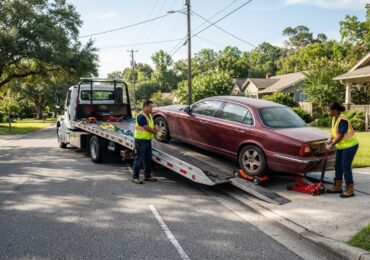
You can ship an inoperable vehicle on an open carrier, provided the car still rolls, steers, and brakes. This process requires a specialized winch to safely pull the vehicle onto the trailer decks, which not every truck carries. It’s essential to disclose the vehicle’s condition during the booking process so that we can assign a carrier equipped with the necessary hardware to manage the loading and unloading process safely.
How far in advance should I book my open carrier car transport?
Booking your open carrier car transport Houston at least two to three weeks in advance is the best way to secure your preferred dates and the most competitive rates. While last-minute shipments are often possible due to the high frequency of open-air trailers, early planning provides the logistics team with more flexibility. This lead time ensures we can match your vehicle with a carrier that perfectly aligns with your specific timeline and route.
What happens if my car is damaged during open transport transit?
If you notice any new damage upon delivery, you must document it immediately on the Bill of Lading before the driver leaves. This document serves as the official record for any insurance claims. Take high-resolution photos of the affected area and contact the transport company right away to initiate the claims process. Having a clear set of pickup photos, as discussed in our preparation guide, makes this process straightforward and transparent for everyone involved.