Would you trust a stranger to drive your most valuable asset across four state lines without a clear contract? Most people view vehicle transport services as a simple commodity, yet the reality in 2026 is a complex logistical discipline where the lowest bid often leads to the highest level of risk. You’ve likely felt the anxiety of handing over your keys, wondering if your car will arrive with new scratches or if the final invoice will include hidden surcharges you never agreed to. It’s a common concern, especially when the line between a reliable carrier and an aggressive broker feels blurred.
We understand that you want more than just a delivery; you want peace of mind and professional accountability. This guide is designed to help you master the intricacies of nationwide shipping by providing an expert breakdown of carrier types, logistics protocols, and industry standards. You’ll learn how to distinguish between open and enclosed transport, identify transparent pricing structures, and establish clear communication with your logistics partner. By the end of this article, you’ll have the tools to ensure a safe, damage-free delivery that stays on schedule and within your budget.
Key Takeaways
- Learn to distinguish between direct carriers and brokers to ensure you’re working with a provider that offers transparent pricing and clear accountability.
- Evaluate the specific benefits of open and enclosed transport to select the right level of protection for your vehicle’s value and your personal budget.
- Master the logistics of interstate shipping by understanding how professional vehicle transport services manage complex state-to-state regulations and route planning.
- Prepare for the convenience of door-to-door delivery by assessing residential street accessibility and coordinating safe pickup and drop-off points.
- Prioritize safety and established industry standards to protect your investment from the hidden risks associated with unvetted carriers and low-bid marketplaces.
What are Vehicle Transport Services and How Do They Work?
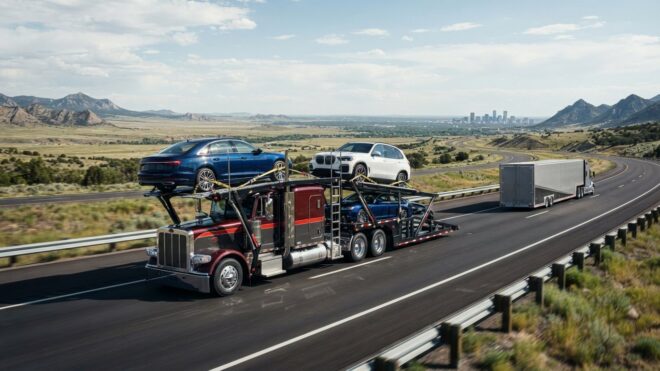
At its core, vehicle transport services represent a specialized branch of the logistics industry dedicated to the safe movement of motorized assets across long distances. Rather than driving a car through multiple states, which incurs significant wear, tear, and depreciation, owners utilize professional transport to relocate vehicles via specialized trailers. This process isn’t a simple commodity transaction; it’s a methodical operation that requires precise coordination between dispatchers, drivers, and customers to ensure every vehicle arrives in its original condition.
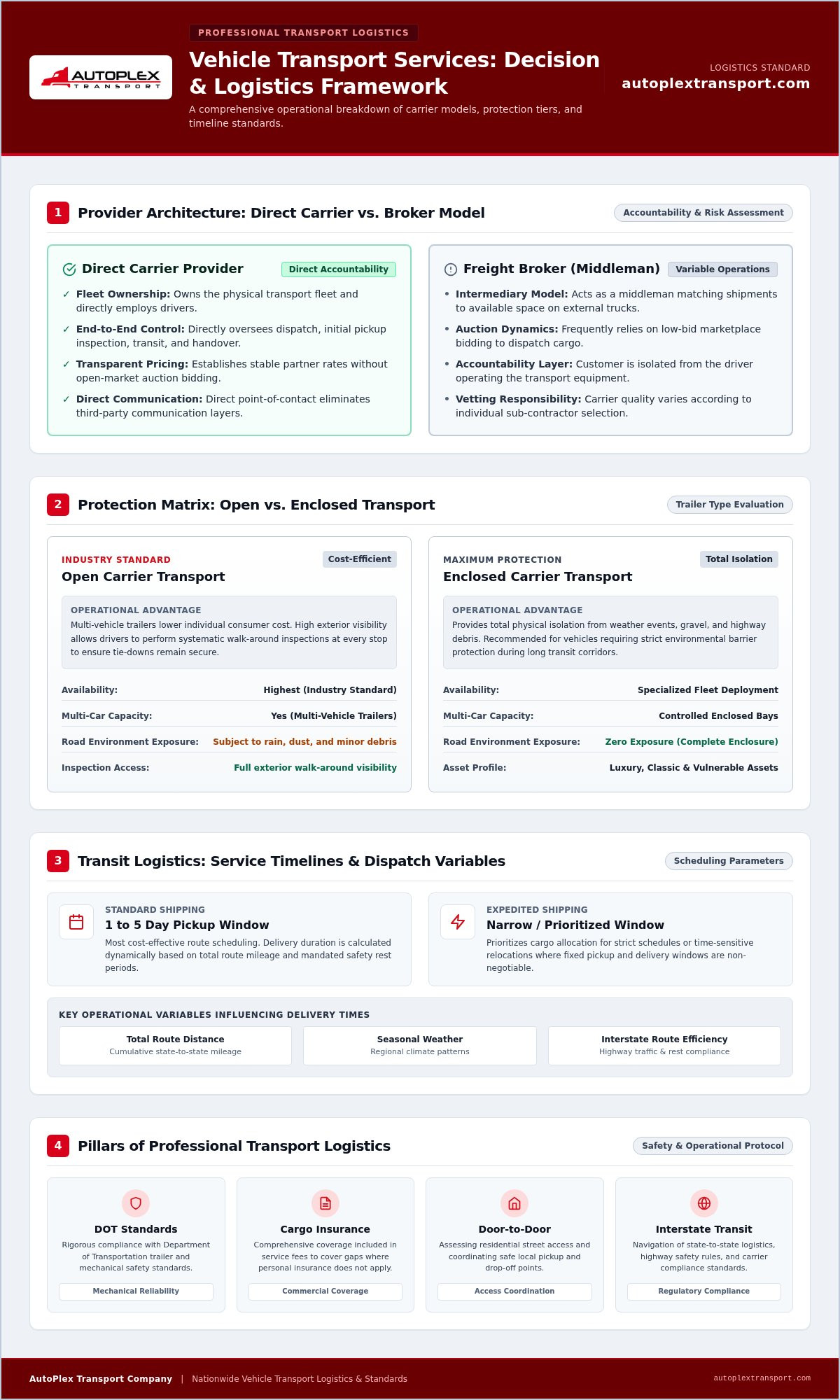
Understanding the difference between a carrier and a broker is essential for a smooth experience. A carrier is the company that owns the fleet and employs the drivers who physically move your car. A broker, conversely, acts as a middleman who matches shipments with available space on various trucks. While both play roles in the industry, working with a professional provider that manages the logistics directly offers a higher level of accountability and clearer communication. This direct approach avoids the “auction” feel of some marketplaces, replacing it with a stable, reliable partnership. For those needing expert assistance in Western Australia, you can explore Towing and Transport Services to see how regional professionals like Allout Towing maintain these high standards of accountability.
The Role of a Professional Transport Provider
A legitimate transport provider does more than just drive a truck. They manage the entire lifecycle of the shipment, from the initial inspection at pickup to the final handover at your destination. This includes ensuring all equipment, such as open and enclosed car carrier trailers, meets rigorous Department of Transportation (DOT) safety standards. Beyond mechanical reliability, professional providers include comprehensive insurance coverage within their service fees. This protection is a critical safety net that personal auto insurance often doesn’t extend to during commercial transit, providing you with essential peace of mind.
Standard vs. Expedited Shipping Timelines
Logistics is a discipline of variables. Timing is often influenced by factors like total distance, seasonal weather patterns, and specific route efficiency. Most vehicle transport services operate on a “pickup window” rather than an exact minute-by-minute appointment. This flexibility allows drivers to manage interstate traffic and mandatory rest periods safely while maintaining a consistent flow of freight.
- Standard Shipping: This usually involves a 1 to 5 day pickup window with delivery based on the total mileage of the route.
- Expedited Shipping: This service prioritizes your vehicle for a narrower pickup window, which is ideal for time-sensitive relocations or strict moving schedules.
Choosing the right timeline depends on your personal flexibility and how quickly you need your vehicle at its new home. While standard shipping is the most cost-effective choice for most, expedited services offer a solution when dates aren’t negotiable.
Open vs. Enclosed Transport: Selecting the Right Protection
Choosing the right trailer type is the most significant decision you’ll make when booking vehicle transport services. It’s a balance between your financial plan and the specific vulnerability of your car. While every vehicle receives professional handling, the physical environment during transit varies greatly between open and enclosed methods. You must evaluate whether your priority is cost efficiency or total isolation from the road environment.
Why Open Carriers are the Most Popular Choice
Open Carrier Car Transportation remains the industry standard because it’s efficient and widely available. These trailers carry multiple vehicles at once, which significantly lowers the cost for the individual consumer. One operational advantage often overlooked is visibility. Drivers can easily perform walk-around inspections at every stop to ensure tie-downs remain secure. For more detailed insights, you can explore The Comprehensive Guide to Open Transport Car Shipping in 2026.
However, open transport does expose your vehicle to the elements. Rain, dust, and minor road debris are part of the journey. Before making a final choice, it’s wise to review the FMCSA consumer advisory on automobile transporters to understand the regulatory differences and your rights as a shipper. This official guidance helps you distinguish between legitimate carriers and unvetted entities.
The Benefits of Enclosed Shipping for High-Value Assets
If you’re moving a classic, exotic, or high-end luxury vehicle, Enclosed Transport Services offer a necessary layer of security. These trailers are fully walled, shielding your asset from road salt, hail, and prying eyes. Many enclosed carriers also utilize hydraulic lift gates. This equipment is vital for low-clearance vehicles that might scrape on the ramps of a standard trailer. To learn about the technical specifications of these premium options, see our Enclosed Car Transport: The Definitive Buying Guide for 2026.
Deciding between these options requires looking at your vehicle’s market value versus the shipping cost. For a daily driver, the savings of an open carrier are usually the most practical route. For an investment-grade car, the premium for an enclosed trailer is a small price for total protection. If you’re still weighing your options, our team can help you determine the best Nationwide Transportation Services for your specific needs. We focus on matching the right equipment to your vehicle’s specific requirements to ensure a seamless transit experience.
The Logistics of Interstate Vehicle Transportation
Moving a vehicle across state lines involves more than just a long drive. It requires a deep understanding of Interstate Vehicle Transportation regulations and precision route planning. Professional logistics teams analyze major highway corridors to maximize efficiency while ensuring drivers adhere to federal rest requirements and state weight station protocols. This methodical approach ensures that your car doesn’t just move; it moves safely within the legal framework of every jurisdiction it crosses.
One of the most critical documents in this process is the Bill of Lading (BOL). This serves as both your receipt and a legal contract between you and the carrier. As noted in this Forbes guide to shipping a car, documenting the vehicle’s condition at both pickup and delivery is essential for protecting your interests. Modern vehicle transport services often use digital BOLs that allow for high-resolution photos, providing an indisputable record of the car’s state before it enters the logistics chain.
Cross-Country Shipping Challenges and Solutions
Managing a cross-country move means preparing for diverse climates and challenging terrains. Whether it’s navigating the steep grades of the Rocky Mountains or adjusting for sudden weather shifts in the Midwest, a professional provider stays ahead of the environment. They monitor real-time traffic data to handle unexpected route diversions, ensuring that a single highway closure doesn’t derail the entire delivery timeline. This proactive management is what separates a veteran transporter from a casual marketplace listing.
Understanding Insurance and Liability Limits
Reliable vehicle transport services include carrier insurance, but you should understand exactly what that covers. Most standard policies protect against transit damage caused by carrier negligence or equipment failure during loading and unloading. However, it typically excludes “acts of God” like hail or gravel kicked up from the road on open trailers. This is why the pre-transport inspection report is so vital. It establishes a baseline so that any new discrepancy can be addressed immediately. Always verify the liability limits of your carrier to ensure they align with the current market value of your vehicle.
Preparing for Door 2 Door Transportation: A Step-by-Step Guide
Door 2 Door Transportation represents the highest level of convenience in the industry, eliminating the need for you to travel to a distant shipping terminal. While some vehicle transport services rely on centralized hubs that require you to drop off and pick up your car, residential service brings the carrier directly to your driveway or a nearby safe location. This personalized approach saves time and reduces the logistical burden on the vehicle owner, but it requires specific preparation to ensure the process remains efficient and safe.
How to Prepare Your Vehicle for Loading
A successful transit begins with a clean car. Washing the exterior allows both you and the driver to perform a precise damage inspection, identifying even minor existing blemishes before the car is loaded onto the trailer. You should also remove all personal belongings from the interior. These items aren’t typically covered by carrier insurance and can shift during transit, potentially causing interior damage. For a comprehensive list of tasks, including how to secure loose exterior parts and check fluid levels, refer to our How to Prepare a Car for Transport: The 2026 Essential Checklist.
Navigating Narrow Streets and HOA Restrictions
You should remember that a standard multi-car carrier can be up to 75 feet long. These massive vehicles often struggle with tight residential corners, low-hanging tree branches, or strict HOA weight restrictions. If your street isn’t accessible, your driver will coordinate a “meet-point” at a nearby large parking lot or wide thoroughfare. Maintaining open lines of communication is vital. Providing accurate contact information for both ends of the move ensures the driver can update you on their arrival time and any local obstacles they encounter.
During the handover, you or a designated representative must be present to sign the Bill of Lading. This document acts as the official record of the vehicle’s condition. When the car arrives at its destination, perform a final walk-around before the driver leaves. Check the roof, bumpers, and undercarriage to confirm the vehicle matches the initial inspection report. If you’re ready to schedule your next move, explore our Nationwide Transportation Services to see how we prioritize your vehicle’s safety at every turn.
Why Professional Auto Transport is Your Best Move
Selecting a provider for vehicle transport services often comes down to a choice between a commodity auction and a professional logistics partnership. While marketplace platforms promise significant discounts through unvetted bidding, these “cheap” options frequently hide substantial risks. A professional provider operates with a commitment to safety and reliability that a low-bid marketplace simply cannot guarantee. When you prioritize professional standards, you aren’t just paying for a truck; you’re investing in a managed process that protects your asset from start to finish.
Professional providers ensure consistent safety standards across all Interstate Vehicle Transportation routes. This includes rigorous driver vetting and equipment maintenance that exceeds minimum federal requirements. By choosing a dedicated specialist like AutoPlex Transport Company, you gain access to expert customer support capable of managing the complexities of a national move, ensuring you’re never left wondering about your vehicle’s status. This level of accountability is essential for maintaining peace of mind during a long-distance relocation.
Comparing Car Shipping Quotes Accurately
When you evaluate shipping estimates, it’s essential to look beyond the final dollar amount. A transparent quote should be all-inclusive, covering insurance, fuel surcharges, and door-to-door service fees. A common red flag in the industry is the “low-ball” estimate. These initial quotes are often used to hook customers before the company adds hidden fees or informs you that a driver can’t be found at that price. Professional vehicle transport services provide firm, realistic pricing that reflects the actual cost of safe, timely transit.
The Peace of Mind Factor in Vehicle Logistics
Trust is the most valuable currency in the transportation industry. Handing over the keys to a valuable vehicle requires confidence that the carrier views your car as more than just freight. The long-term savings of professional handling become clear when you consider the cost of potential repairs or the stress of a delayed delivery. A professional provider acts as a reliable partner, offering a steady hand throughout the entire logistics process.
Getting started with a professional national transport quote from AutoPlex Transport Company is the first step toward a stress-free relocation. By focusing on transparent pricing and proven safety records, you ensure your vehicle receives the care it deserves. Whether you require Open Carrier Car Transportation or the specialized protection of Enclosed Transport Services, choosing AutoPlex Transport Company is the best move for any long-distance transit.
Securing Your Vehicle’s Journey Across the Country
You’ve now mastered the essential components of national shipping, from selecting the right carrier type to understanding the critical role of documentation. Successfully utilizing vehicle transport services in 2026 requires a focus on professional accountability rather than just searching for the lowest bid. Whether you require the broad availability of an open carrier or the specialized protection of an enclosed trailer, your vehicle’s safety depends on the logistics expertise behind the move.
AutoPlex prioritizes this safety by utilizing fully insured national carriers and providing the seamless convenience of door-to-door service. As specialists in both open and enclosed shipping, we act as your reliable partner throughout the entire interstate process. You don’t have to leave your valuable asset to chance in an unvetted marketplace.
Get a Professional Vehicle Transport Quote from AutoPlex today to secure your car’s place on a professional carrier. We’re ready to help you reach your final destination with complete confidence.
Frequently Asked Questions
How much do vehicle transport services cost in 2026?
Vehicle transport fees are determined by several logistical variables, including total mileage, the specific size of your vehicle, and your choice of carrier type. Open carriers offer the most economical solution for standard cars, while enclosed trailers provide a premium environment for high-value assets. It’s important to seek all-inclusive quotes that cover fuel surcharges and insurance to avoid hidden costs. Professional providers ensure these fees reflect the actual cost of safe, nationwide delivery.
Is my car insured during interstate vehicle transportation?
Your vehicle is protected by comprehensive insurance throughout the duration of interstate vehicle transportation. Professional carriers include this coverage within their standard service fees to protect against damage caused by equipment failure or driver negligence during loading, transit, and unloading. You should always verify the specific liability limits of your carrier before the journey begins. This insurance provides an essential layer of security that personal auto policies often don’t extend to during commercial transport.
What is the difference between open and enclosed auto transport?
The primary difference lies in the level of physical protection provided during the journey. Open carriers utilize skeletal trailers that are exposed to the road environment, making them a cost-effective choice for daily drivers. Enclosed transport services use fully walled trailers to shield vehicles from rain, snow, and road debris. This premium option is highly recommended for classic, luxury, or exotic cars that require total isolation from external elements to maintain their pristine condition.
How long does it take to ship a car across the country?
Shipping a vehicle across the country typically takes between one and two weeks, depending on the total distance and the specific highway corridors used. Factors such as seasonal weather patterns, mandatory driver rest periods, and route efficiency all influence the final timeline. Most professional providers offer a pickup window of one to five days rather than a fixed appointment. This flexibility allows logistics teams to manage the complexities of long-haul transport while ensuring your vehicle arrives safely.
Can I put personal items in my car during transport?
You should avoid placing personal items inside your vehicle during transit. Most carrier insurance policies specifically exclude household goods and personal belongings, meaning these items aren’t protected if they’re lost or damaged. Additionally, loose items can shift during the motion of the truck, potentially causing damage to your car’s interior. To ensure a smooth process and comply with federal weight regulations, it’s best to keep the vehicle empty of everything except standard factory equipment.
What happens if my car is damaged during the shipping process?
If you discover damage upon delivery, you must document it immediately on the Bill of Lading (BOL) before the driver leaves. This document serves as the official record of the vehicle’s condition at both ends of the move. Once the discrepancy is noted, you can initiate a claim through the carrier’s insurance provider. Professional vehicle transport services maintain clear protocols for these situations, ensuring that legitimate claims are handled with the necessary accountability and care.
Do I need to be present for the pickup and delivery?
Yes, you or a designated representative over the age of 18 must be present for both pickup and delivery. This presence is necessary to perform the initial and final inspections alongside the driver. You’ll need to sign the Bill of Lading, which confirms the vehicle’s condition and authorizes the transport. If you can’t be there personally, ensure your representative understands the importance of the inspection process to protect your interests throughout the logistics chain.
How do I get an accurate car shipping quote?
To receive an accurate quote, you should provide specific details about your vehicle’s make, model, and current operational status. You’ll also need to share the exact pickup and delivery locations to calculate the total mileage. Professional vehicle transport services focus on transparent pricing, ensuring that the initial estimate includes all necessary logistics and insurance costs. Avoid marketplace bids that seem unusually low, as these often lead to hidden surcharges or unreliable service standards later on.