
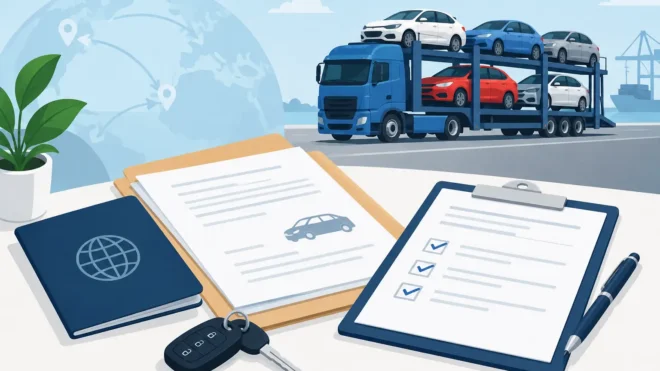
A carrier is ready to pick up your vehicle, but the driver cannot verify who is releasing it or whether the shipment details are correct. That is the kind of avoidable issue that can slow down an otherwise simple move. Knowing what documents for car shipping are needed before your pickup window helps keep your schedule intact and gives everyone confidence that the right vehicle is headed to the right destination.
For most domestic vehicle shipments, the paperwork is straightforward. You typically do not need to hand over your vehicle title, but you do need to be prepared to verify your identity and your authority to ship the vehicle. Requirements can vary based on the carrier, vehicle ownership status, pickup location, and whether another person will meet the driver.
What Documents for Car Shipping Are Usually Required?
The most common requirement is a valid government-issued photo ID. A driver’s license is usually the easiest option. The name on your ID should match the name on the shipping order whenever possible. If a spouse, family member, dealership representative, or relocation contact is handling pickup or delivery, provide that person’s name and phone number in advance.
You should also have a copy of your current vehicle registration available. Registration helps confirm the vehicle identification number, make, model, and ownership or authorized use. A clear digital copy is often sufficient, although it is wise to ask your transport coordinator whether the carrier wants it sent before pickup or simply available if requested.
Proof of insurance may also be helpful to keep on hand. Auto transport carriers carry cargo coverage for the vehicles they move, but your personal auto policy can provide an added layer of clarity if a claim question arises. Your own policy may or may not cover a vehicle while it is being transported, so check with your insurance provider before the shipment if that coverage matters to you.
For a standard car, truck, or SUV shipment within the United States, those documents are often enough. Still, certain ownership situations call for additional paperwork.
When You May Need Additional Authorization
A vehicle title is generally not required for domestic auto transport. The driver is transporting the vehicle, not transferring ownership. In fact, sending an original title with the vehicle is usually unnecessary unless it is specifically needed for a separate sale, registration, or dealership transaction.
If the vehicle has a loan or lease, the lender or leasing company may have its own rules. Some lenders allow transport without written permission, while others require notice or an authorization letter, especially when the vehicle is being moved to a different state for an extended period. Review your loan or lease agreement and contact the lender early if you are unsure.
A recently purchased vehicle can require a little more coordination. If the registration is not yet in your name, keep the bill of sale, temporary registration, dealer paperwork, or other proof that you are authorized to arrange transport. This is particularly useful when a dealership is releasing the vehicle to the carrier on your behalf.
Military moves, corporate relocations, estate vehicles, and dealer shipments can also have different requirements. A power of attorney, company authorization, auction release form, or estate representative documentation may be needed in those cases. Your transport advisor can identify the right paperwork before a truck is dispatched, which is much easier than sorting it out while the driver is at the pickup location.
Shipping a Vehicle for Someone Else
You can arrange shipping for a family member, customer, employee, or friend, but communication matters. The person releasing the vehicle should know the carrier name, estimated pickup window, vehicle details, and destination contact. They should also have access to the keys and understand that they will review the vehicle’s condition with the driver.
If the registered owner will not be present, let the transport company know who is authorized to sign at pickup and delivery. In some situations, the carrier may request written authorization from the owner. This is especially common with higher-value vehicles, dealership inventory, and vehicles stored at secure facilities.
The Bill of Lading Is the Document That Protects You
The most important document you will sign during the shipping process is the bill of lading. This is the carrier’s pickup and delivery record, and it documents the vehicle’s condition before loading and after unloading.
At pickup, the driver will inspect the exterior and note visible scratches, dents, chips, cracked glass, or other existing damage. Take your own date-stamped photos and short videos as well. Photograph all sides of the vehicle, wheels, roof, windshield, and interior if applicable. Make sure the vehicle identification number and odometer are documented when practical.
Read the condition report before you sign it. If you see damage that was not listed, ask the driver to add it. Do not assume a quick verbal conversation is enough. Written notes and clear photos are what help resolve a concern later.
At delivery, inspect the vehicle again before signing the final bill of lading. Look at it in good light if possible and compare it with your pickup photos. If you notice new damage, write it on the delivery paperwork before signing and take additional photos immediately. The carrier’s claims process will rely on that delivery documentation.
Documents Are Only One Part of Pickup Preparation
Having the right paperwork is helpful, but a few practical details can prevent delays just as effectively. The vehicle should be operable unless you arranged inoperable vehicle transport. Keep about one-quarter tank of fuel in the tank – enough for loading and unloading, but not so much that unnecessary weight is added.
Remove personal belongings, toll tags, parking passes, and loose aftermarket accessories. Many carriers have restrictions on personal items inside vehicles, and items left behind are not typically covered by cargo insurance. If you have approved belongings for transport, confirm the permitted weight and placement with your coordinator first.
Provide a working key or key fob and make sure the battery is charged. Let the driver know about alarm systems, immobilizers, low ground clearance, special starting instructions, or any mechanical issue that could affect loading. A few clear notes ahead of time help the pickup go smoothly and protect your vehicle from improper handling.
Open or Enclosed Transport: Does the Paperwork Change?
The core documents are generally the same whether you select open carrier or enclosed transport. You will still need identification, vehicle information, any applicable authorization, and the bill of lading inspection.
The difference is usually in the level of coordination. Enclosed shipping is often chosen for classic, luxury, exotic, and collector vehicles, where condition documentation is especially valuable. Owners may also provide special loading instructions, confirm the vehicle’s value for coverage purposes, or arrange a pickup location that can accommodate an enclosed trailer.
Open transport is the practical choice for many daily drivers, relocations, and standard dealership shipments. It remains a safe and widely used option, but your paperwork and inspection process should receive the same attention as it would with an enclosed carrier.
A Simple Checklist Before the Driver Arrives
Before pickup, confirm that you have a valid photo ID, current registration or vehicle details, and any lender, lease, dealership, or owner authorization that applies to your situation. Keep your insurance information available, arrange for an authorized adult to meet the driver if you cannot be there, and have the keys ready.
Then make time for the pickup inspection. Photos, an accurate bill of lading, and a clear understanding of the delivery contact are the small details that make a long-distance shipment feel organized rather than uncertain.
AutoPlex Transport helps customers confirm documentation and pickup requirements before a carrier is assigned, whether the vehicle is headed across one state or across the country. A quick conversation before booking can clarify what applies to your specific vehicle and route. Gather your documents early, keep them accessible, and you can hand off your vehicle knowing the shipment is prepared for a safe, worry-free start.
