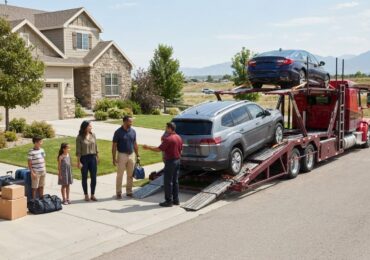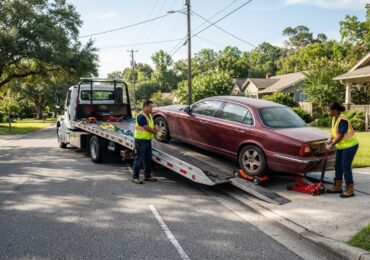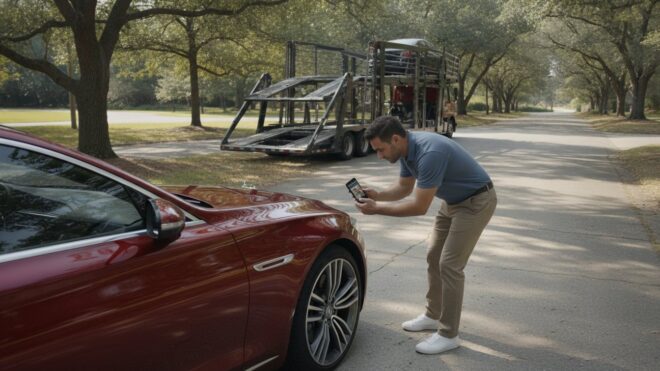
Imagine standing in your driveway as the transport trailer pulls away, only to notice a fresh dent on your hood that wasn’t there when the journey began. It’s a stressful moment that often leads to immediate confusion regarding who is responsible for the repairs. You’ve likely spent years maintaining your vehicle’s condition; seeing new damage can feel like a significant setback to your investment. We understand that the logistics of interstate transport can feel overwhelming, especially when something goes wrong.
If you’re currently wondering what to do if car is damaged during shipping, you aren’t alone in your concerns about repair costs or filing deadlines. This 2026 step-by-step guide is designed to be your reliable partner through the recovery process. We’ll provide the exact protocol for documenting and reporting damage to ensure your claim is handled correctly. You’ll learn how to use the Bill of Lading as your primary legal shield and follow a clear checklist to restore your vehicle to its pre-shipped condition.
Key Takeaways
- Always conduct your final vehicle inspection in well-lit conditions and refuse to sign the delivery receipt until you’ve noted every new detail on the Bill of Lading.
- Knowing exactly what to do if car is damaged during shipping involves contacting your transport broker immediately and submitting a formal written claim within 48 hours.
- The Bill of Lading is your most important legal document, acting as both a receipt of goods and the official record of the vehicle’s condition upon arrival.
- Confirm that your interstate carrier maintains adequate cargo insurance, keeping in mind that these policies typically cover market value rather than replacement costs.
- Utilize door-to-door transport services to ensure you have the time and space necessary for a thorough residential inspection away from the chaos of a terminal.
Immediate Actions: The Delivery Day Inspection Protocol
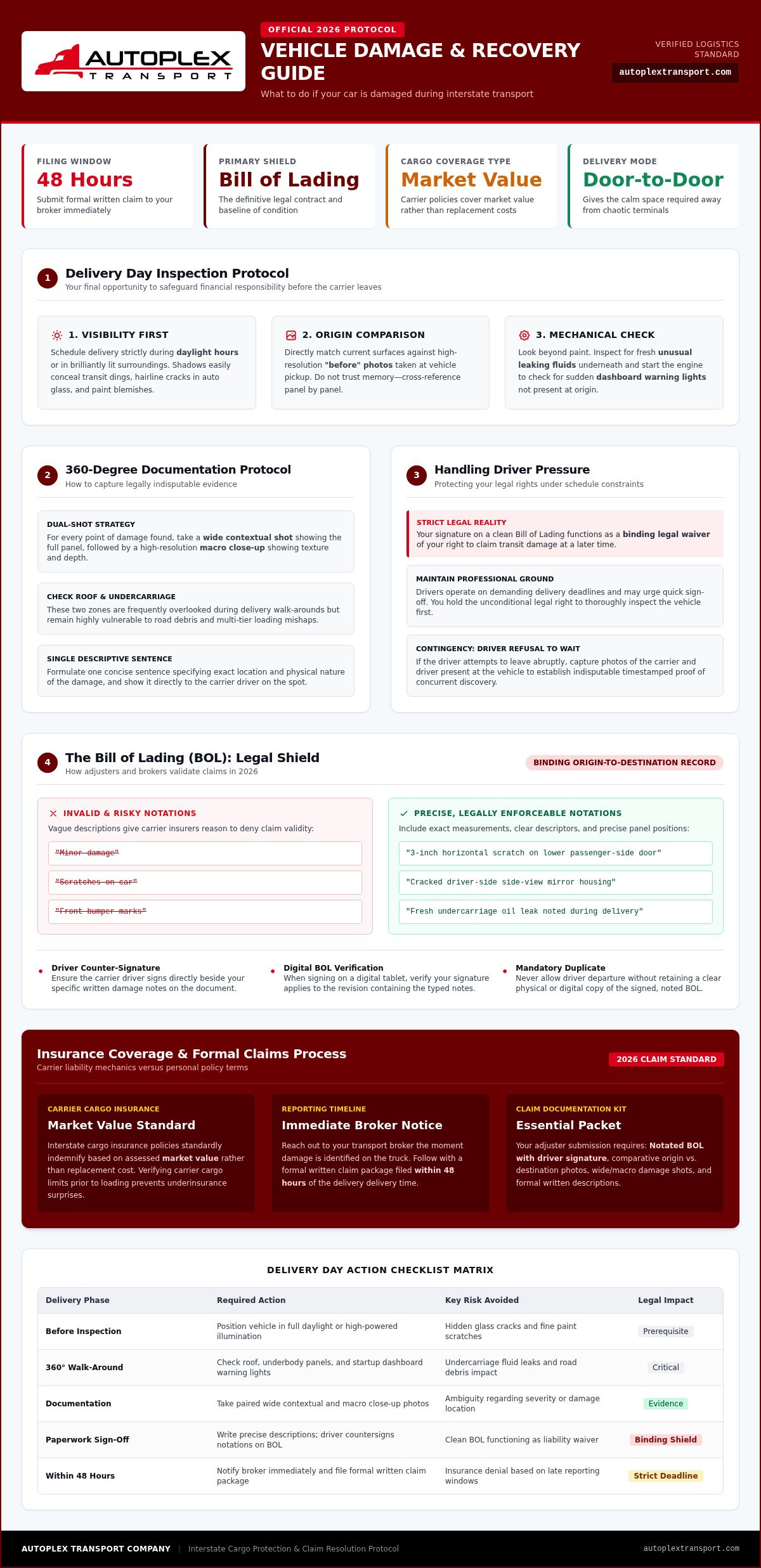
The moment your vehicle arrives marks the most critical phase of the transport process. While you might be eager to get behind the wheel, the delivery inspection is your final opportunity to protect your financial interests. If you’re unsure what to do if car is damaged during shipping, your first priority is visibility. Always schedule delivery during daylight hours or ensure you’re in a brilliantly lit area. Shadows can easily hide fresh scratches, door dings, or hairline cracks in the glass that occurred during transit.
Compare the current state of the vehicle against the high-resolution “before” photos you took at the pickup location. Look beyond the paint. Identify any new mechanical issues, such as unusual fluids leaking or dashboard warning lights, that weren’t present when the car was loaded. You shouldn’t sign the delivery receipt until you’ve completed a comprehensive 360-degree walk-around. This methodical approach ensures that every discrepancy is noted before the carrier leaves your property.
The 360-Degree Documentation Protocol
Standard photos often miss the most expensive damage. To properly document your claim, take high-resolution images from every possible angle, including the roof and the undercarriage. These areas are frequently overlooked during standard inspections but are susceptible to road debris and loading mishaps. For every dent or scratch you find, capture a wide shot for context and a close-up for detail. It’s helpful to write a single, clear sentence describing the exact location and nature of the damage. Show this description to the driver immediately to ensure there’s no ambiguity about what you’ve found.
Handling Driver Pressure During Inspection
Drivers are often on tight schedules and may attempt to rush you through the sign-off process. You must maintain a professional but firm stance. It’s your legal right to inspect the vehicle thoroughly before finalizing the delivery. Be aware that your signature on a clean Bill of Lading serves as a legal waiver of your right to claim damage later. If the driver insists on leaving or refuses to wait, document their presence in your photos to prove the inspection was concurrent with the delivery time. This evidence is vital when determining what to do if car is damaged during shipping if the carrier attempts to dispute the timeline of the damage discovery.
The Legal Core: Understanding the Bill of Lading (BOL)
The Bill of Lading (BOL) is far more than a simple receipt; it’s the legally binding contract between you and the carrier. This document serves as the definitive record of vehicle condition, capturing the car’s state at both the point of origin and the final destination. If you’re currently navigating what to do if car is damaged during shipping, you must recognize that the BOL is your primary legal shield. Any damage that isn’t explicitly noted on this document at the time of delivery is legally considered to have occurred after the shipping process was finalized. By signing a “clean” BOL without notations, you’re essentially waiving your right to hold the carrier liable for repairs.
Think of the BOL as the baseline for your insurance claim. In 2026, insurance adjusters and transport brokers rely almost exclusively on this document to determine the validity of a claim. If a dent appears on your fender but isn’t listed on the delivery report, the carrier’s insurance provider will likely deny the claim, citing that the damage could have happened while the car was in your possession. This legal reality is why the delivery inspection must be recorded with absolute precision on the paperwork.
How to Properly Note Damage on the BOL
Precision is your best ally when documenting discrepancies on the Bill of Lading. You should avoid using vague qualifiers like “minor damage” or “scratches.” Instead, be as specific as possible by using descriptive terms and measurements. For example, write “3-inch horizontal scratch on the lower passenger-side door” or “cracked driver-side side-view mirror housing.” Once you’ve entered these notes, you must ensure the driver signs the document directly next to your notations to acknowledge the findings. Never let a driver leave without obtaining a physical or digital copy of the signed, noted BOL for your records.
Digital vs. Paper Bill of Lading
Many carriers now utilize digital tablets to record vehicle conditions. While these systems are efficient, you must be vigilant about what you’re signing. Always verify that your digital signature is applied to the specific version of the document that includes your damage notes. It’s common for digital forms to have “hidden” checkboxes or pre-filled sections that might indicate the vehicle was received in “good condition” by default. To ensure your initial pickup documentation was handled with the same level of care, you can review our guide on how to prepare a car for transport. Maintaining consistency between the pickup and delivery BOLs is vital for a successful claim. If you’re looking for a partner that prioritizes this level of detail, our nationwide transportation services emphasize a methodical approach to every contract.
Navigating the Claims Process with Carriers and Brokers
Once the carrier departs and you’ve secured your noted Bill of Lading, the administrative phase of your recovery begins. Timing is the most critical factor in a successful resolution. If you find yourself wondering what to do if car is damaged during shipping, the answer starts with immediate communication. You should contact your transport broker as soon as the driver leaves your property. While the driver might acknowledge the damage verbally, the formal process requires a paper trail that starts with your broker’s office.
Industry standards in 2026 dictate that you must submit a formal written claim within 24 to 48 hours of delivery. Waiting longer than two days can give insurance adjusters a reason to question when the damage actually occurred. During this window, you should obtain two or three independent repair estimates from reputable, licensed body shops. For those based in Britain, seeking a quote for mobile car scratch repair UK is an efficient way to document minor cosmetic issues for your claim. Having multiple quotes prevents the carrier’s insurance provider from claiming that a single estimate is inflated or inaccurate. Throughout this entire process, maintain a detailed communication log. Record the dates, times, and names of every person you speak with regarding the claim, as this documentation is invaluable if the case becomes a long-term dispute.
A complete claim package leaves no room for doubt. Your submission should include the signed Bill of Lading, high-resolution pickup and delivery photos, and your repair estimates. We recommend sending these documents via trackable digital platforms or certified mail to ensure you have proof of receipt. Once submitted, proactively request a formal claim number and the name of a dedicated contact person from the carrier’s insurance company. This ensures your file doesn’t get lost in a general inbox and gives you a direct line for follow-up inquiries.
The Role of the Transport Broker
It’s important to understand the distinction between the carrier and the broker during a dispute. Brokers like AutoPlex act as your professional intermediary and advocate. While the broker isn’t the party providing the insurance payout, they possess the industry leverage to ensure the carrier remains responsive. We utilize our established relationships with carriers to facilitate clear communication and prevent your claim from being ignored. Knowing what to do if car is damaged during shipping includes leveraging your broker’s expertise to navigate the complexities of carrier liability and insurance protocols.
Insurance Coverage: Carrier Liability vs. Personal Auto Policies
Understanding the financial safety net behind your vehicle’s journey is essential for any shipper. Legally, all interstate carriers are required to maintain a minimum level of cargo insurance to protect the assets they transport. This coverage serves as the primary source of compensation if an incident occurs. However, it’s vital to recognize that carrier insurance typically covers the market value of the vehicle rather than its replacement cost. If you’re currently researching what to do if car is damaged during shipping, your first step should be reviewing the carrier’s insurance certificate, which your broker can provide. Before committing to a specific method, you can consult The Comprehensive Guide to Open Transport Car Shipping to better understand the standard risks involved in nationwide transit.
To ensure your vehicle is handled by fully insured, vetted professionals, you can explore our Nationwide Transportation Services for a secure shipping experience. We prioritize transparency by verifying every carrier’s insurance status before they ever touch your vehicle.
Carrier Liability Limits and Deductibles
Most professional carrier policies are structured with a $0 deductible for the customer. This means that if damage is documented correctly on the Bill of Lading, you shouldn’t have to pay out of pocket to initiate the repair process. You should always confirm the total policy limit before shipping. A standard open carrier usually maintains around $100,000 in coverage, while enclosed trailers often carry $250,000 or more to accommodate luxury or classic models. For those transporting high-value assets, reading our Enclosed Car Transport: The Definitive Buying Guide will help you determine if standard limits are sufficient for your specific vehicle.
When to Involve Your Personal Insurance
Your personal auto insurance policy should generally be viewed as a secondary layer of protection. Many owners wonder if they should call their own agent immediately when considering what to do if car is damaged during shipping. We recommend involving your personal insurer only as a last resort if the carrier’s claim is formally denied. Filing a claim through your own policy can lead to increased premiums and may require you to pay your own deductible. Additionally, be aware of “Act of God” exclusions. Most carrier policies do not cover damage caused by natural disasters like hail, floods, or earthquakes while the vehicle is in transit. In these rare scenarios, your personal comprehensive coverage would be the necessary pathway for restoration.
How AutoPlex Minimizes Risk and Supports Your Claim
Choosing a transport partner involves more than just finding a competitive rate; it requires selecting a team that prioritizes the safety of your asset from the initial quote to the final delivery. At AutoPlex, we’ve developed a logistical framework designed to eliminate the common pain points of nationwide transport. While we provide comprehensive guidance on what to do if car is damaged during shipping, our internal processes are engineered to ensure you rarely have to use that information. By focusing on preventative measures and transparent communication, we act as a stable hand in a complex industry.
Our door-to-door service is a key component of this protective strategy. Unlike terminal-to-terminal shipping, which often involves crowded lots and multiple hand-offs, our approach allows for a controlled, residential environment. This setting provides the time and space necessary for the methodical 360-degree inspection we’ve discussed. We ensure you understand every section of the Bill of Lading before the truck arrives, empowering you to document the vehicle’s condition with professional precision. Transparency is our standard, not an optional feature.
Rigorous Carrier Vetting
Safety begins long before your car is loaded onto a trailer. We maintain a strict carrier vetting process that excludes any operator who doesn’t meet our high safety and insurance standards. Every partner in our network must maintain active, high-limit cargo insurance that protects against the full market value of the vehicles they carry. We don’t just check their paperwork once; we continuously monitor safety records and past claim histories to ensure consistent quality. This proactive approach significantly reduces the likelihood of damage occurring during transit, giving you peace of mind throughout the journey.
Dedicated Claims Support
If an incident does occur, you won’t have to navigate the insurance hurdles alone. We understand that the stress of discovering damage is compounded by the confusion of filing paperwork. Our team provides a dedicated point of contact to assist you in gathering the necessary documentation and photos required for a successful claim. We act as your advocate, leveraging our industry relationships to ensure the carrier’s insurance provider remains responsive and transparent. If you’re ready for a transport experience that prioritizes your safety, you can get a free nationwide car shipping quote from AutoPlex Transport today. Knowing what to do if car is damaged during shipping is your first line of defense, but having a reliable partner like AutoPlex is your ultimate guarantee of a professional resolution.
Securing Your Vehicle’s Future with Professional Transport
Protecting your vehicle investment requires a methodical approach and a clear understanding of the Bill of Lading’s legal weight. By prioritizing a thorough daylight inspection and documenting every discrepancy with precision, you ensure the recovery process remains manageable. Knowing exactly what to do if car is damaged during shipping provides you with the legal and financial confidence needed to resolve potential disputes without unnecessary stress.
While the claims process can seem daunting, choosing a transport partner that emphasizes safety from the very first quote makes all the difference. Our nationwide door-to-door service is built on a foundation of vetted and fully insured carriers, supported by expert logistics professionals who advocate for your interests. You don’t have to manage these logistical complexities alone when you have a reliable partner by your side.
Get a Professional Nationwide Shipping Quote today and experience a transport process designed specifically for your peace of mind. Your vehicle deserves the highest standard of care available in 2026, and we’re here to ensure it arrives exactly as you expect.
Frequently Asked Questions
How long do I have to report damage after my car is delivered?
You should report damage immediately at the time of delivery by noting it on the Bill of Lading. While the formal written claim is typically required within 24 to 48 hours, the legal record of the damage must be established before the driver departs. Waiting longer than this standard window significantly weakens your case, as insurance adjusters may argue the damage occurred after the vehicle was in your possession.
Can I still file a claim if I signed the Bill of Lading without noting damage?
Filing a successful claim after signing a clean Bill of Lading is exceptionally difficult because your signature acts as a legal waiver. Most insurance providers will deny claims for cosmetic damage discovered after the fact. If you find mechanical damage that wasn’t visible during the walk-around, you must contact your broker immediately. However, the best way to know what to do if car is damaged during shipping is to ensure every detail is noted before signing.
Does car shipping insurance cover personal items left inside the vehicle?
Carrier cargo insurance does not cover personal items left inside the vehicle. These policies are strictly designed to protect the vehicle itself during interstate transport. If items are lost, stolen, or cause damage to the car’s interior, the carrier is not held liable. We recommend removing all personal belongings and aftermarket accessories before pickup to ensure they are protected under your own homeowners or renters insurance policies instead.
What happens if the car transport driver refuses to sign the damage notations?
If a driver refuses to acknowledge your damage notations, you should clearly write “Driver refused to sign” next to your comments on the Bill of Lading. Take photos of the document, the damage, and the transport truck together as evidence. Contact your transport broker immediately while the driver is still present. This immediate escalation creates a timestamped record that helps your advocate resolve the dispute with the carrier’s management later.
Will my personal car insurance cover damage during interstate transport?
Your personal auto insurance may provide coverage, but it’s typically considered secondary to the carrier’s cargo policy. Most personal policies require you to pay a deductible and could lead to increased premiums if you file a claim. You should check with your agent to see if your specific policy covers vehicles in transit. Generally, you should only involve your personal insurer if the carrier’s insurance denies a valid claim or for “Act of God” events.
What is the difference between a broker and a carrier when it comes to damage claims?
The carrier is the company that physically owns the truck and provides the primary cargo insurance for your vehicle. The broker, such as AutoPlex, acts as your professional intermediary and logistics manager. When you’re determining what to do if car is damaged during shipping, the broker serves as your advocate. We help facilitate communication, verify the carrier’s insurance limits, and guide you through the documentation process to ensure a fair resolution.
Should I wash my car before the pickup inspection?
Yes, washing your vehicle before the pickup inspection is highly recommended. A layer of dust or road salt can easily mask pre-existing scratches or small dents, leading to disputes later. A clean car allows both you and the driver to create an accurate condition report on the Bill of Lading. This clarity is essential for protecting your investment, as it establishes an undeniable baseline for the vehicle’s state before it enters transit.
What are “Acts of God” and are they covered by the transport company?
“Acts of God” refer to unpredictable natural events like hail, floods, or earthquakes that are outside of human control. Most standard carrier cargo insurance policies specifically exclude these events from their coverage. If your vehicle is damaged by a storm during nationwide transport, the carrier is usually not held liable for the repairs. In these specific cases, you would typically need to file a claim through your own personal comprehensive auto insurance policy.