You finally found the perfect vehicle on a national auction site, but there’s a catch: it’s located three time zones away. The excitement of winning the bid often fades into the logistical stress of shipping a car bought online without seeing the vehicle in person. You’re likely wondering how to coordinate with a seller you don’t know while ensuring your new investment arrives at your driveway without a single new scratch. It’s natural to feel uneasy about handing over the keys to a vehicle you just purchased, especially when you aren’t there to oversee the loading process yourself.
We believe that national vehicle transport should be a transparent process that prioritizes your peace of mind. This 2026 guide provides the exact framework you need to coordinate professional logistics, manage essential documentation, and choose the right protection level for your delivery. We’ll walk through the specific steps of the door-to-door process, compare carrier options, and explain how to conduct a professional-grade inspection upon arrival. By the end of this article, you’ll have a clear roadmap to turn a complex cross-country purchase into a seamless delivery at your home.
Key Takeaways
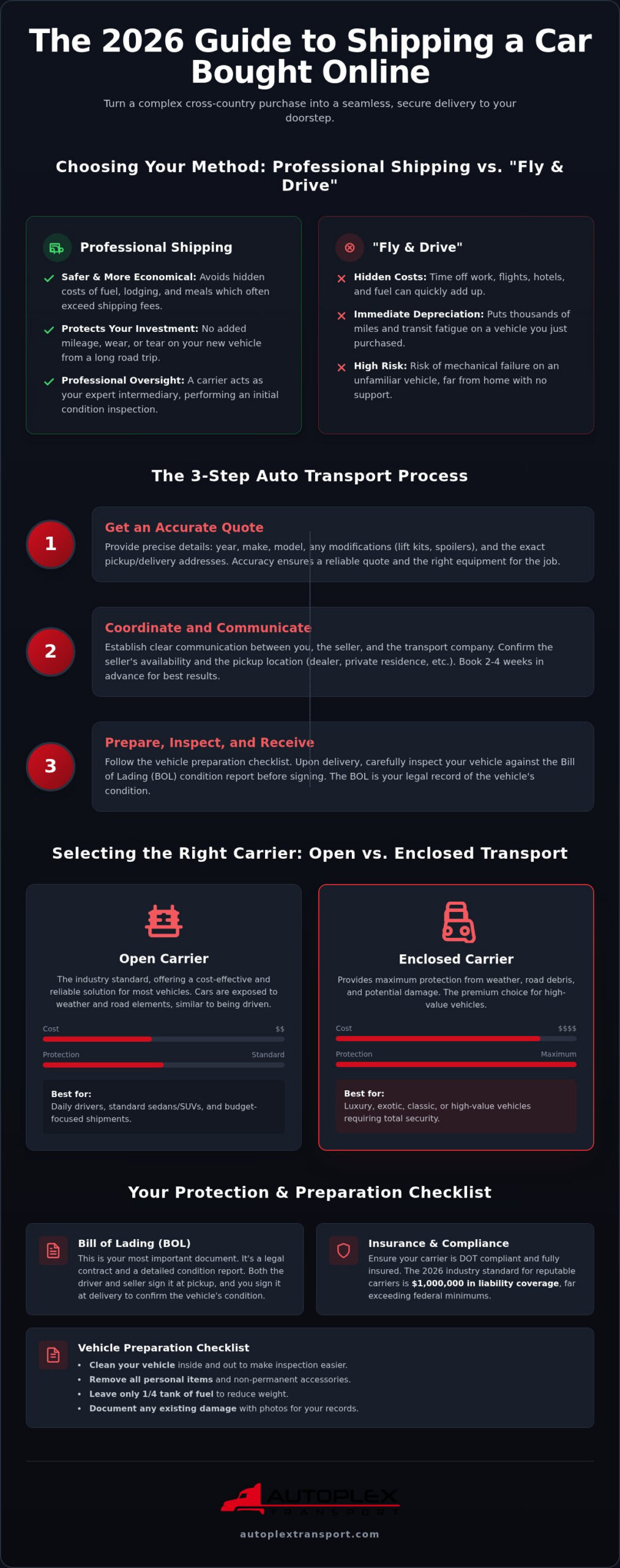
- Understand why professional shipping logistics provide a safer and more economical alternative to “fly and drive” methods when purchasing vehicles from distant sellers.
- Master the coordination process for shipping a car bought online by establishing clear communication channels between yourself, the seller, and your transport partner.
- Determine whether open carrier or enclosed transport is the right choice for your specific vehicle based on value, exposure risks, and 2026 industry standards.
- Learn how to use the Bill of Lading as a vital legal record to protect your investment during every stage of the interstate delivery process.
- Follow a methodical preparation checklist that ensures your vehicle is secure and ready for professional residential delivery.
Understanding the Logistics of Shipping a Car Bought Online
The automotive marketplace has undergone a significant transformation, with digital transactions becoming the standard for both enthusiasts and everyday commuters by 2026. This shift means that shipping a car bought online is no longer a niche service for collectors but a routine necessity for anyone seeking the best vehicle value across the country. When you purchase a vehicle from a distant state, you aren’t just buying a car; you’re entering a logistical partnership. Professional shipping provides a layer of security and oversight that a solo road trip simply cannot match, especially when you haven’t had the opportunity to inspect the vehicle in person.
A professional carrier serves as your expert eyes on the ground, acting as the essential intermediary between you and a remote seller. They perform the initial inspection that validates the vehicle’s condition before it ever leaves the seller’s possession. To protect your investment, it’s vital to understand a few industry terms. DOT compliance ensures the carrier is legally registered with the Federal Motor Carrier Safety Administration. Insurance limits are equally critical; while federal minimums exist, the 2026 industry standard for reputable carriers is closer to $1,000,000 in liability coverage. Understanding how auto transport brokers work can also help you see how logistics are coordinated behind the scenes to ensure your vehicle moves on a reliable schedule.
Why Online Car Buying Requires Professional Shipping
Many buyers initially consider a “fly and drive” approach to save money, but the hidden costs of fuel, lodging, and meals often exceed the price of professional transport. More importantly, driving an unfamiliar vehicle for 1,000 miles or more puts immediate wear and tear on your new asset. It also exposes you to the risk of mechanical failure in a location where you have no support. Professional carriers mitigate these risks by using specialized equipment designed for long-haul safety. This ensures your vehicle arrives with the exact mileage shown in the online listing, protected from road debris and transit fatigue.
The Difference Between Dealer and Private Seller Shipments
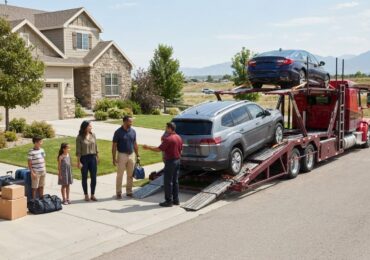
The logistics of shipping a car bought online vary depending on who is holding the keys. Licensed dealers, such as Auto Sale Newport, typically have standardized paperwork processes and dedicated loading zones that easily accommodate large transport rigs. They are familiar with the requirements of professional logistics companies. Private sellers, however, often require more hands-on coordination. Residential pickups might involve navigating narrow streets or arranging a meeting at a nearby commercial lot. We bridge this gap by facilitating clear communication, ensuring that whether your car is at a large franchise or a private driveway, the pickup is handled methodically and safely.
<h2 id=
The moment you finalize an online purchase, the focus shifts from digital confirmation to physical coordination. Successfully shipping a car bought online requires a structured approach that begins with the details found in the sales listing. You’ll need the exact pickup address, the vehicle’s operability status, and a clear understanding of the seller’s availability. This information forms the foundation of a smooth transit plan, allowing us to align our nationwide routes with your specific delivery needs.
Communication is the most critical element in this three-way partnership between you, the seller, and AutoPlex Transport. We act as your logistical lead, but the seller must be prepared for the carrier’s arrival. Setting realistic expectations for timelines is also essential; while we aim for efficiency, national delivery windows are influenced by distance and seasonal demand. A standard guide to shipping a car often suggests booking two to four weeks in advance to secure your preferred window. This lead time ensures we can assign the right equipment for your specific route.
Getting an Accurate Shipping Quote
An accurate quote relies on precision. Providing the correct year, make, and model is just the beginning. In 2026, specialized vehicle modifications like lift kits or low-profile spoilers significantly impact how a car is loaded and secured. These factors, along with the total distance and current fuel indexes, determine the logistical requirements. If you’re unsure about how your vehicle’s specs might affect the process, our team can help you identify the most efficient nationwide transportation services for your specific needs.
Coordinating Pickup with the Seller
When you aren’t there in person, the carrier acts as your proxy. Their initial inspection report is a vital document that records the vehicle’s condition at the point of origin. You must establish a reliable contact person at the pickup location who can hand over the keys and sign the initial Bill of Lading. This person should be prepared to confirm that the vehicle matches the description provided in the online listing. Once the vehicle is loaded, you’ll receive a confirmation, marking the official start of the transit phase. This documentation flow ensures that everyone is on the same page before the truck leaves the driveway.
Selecting the Right Service: Open vs. Enclosed Carriers
Once you have coordinated the pickup details with the seller, the next critical decision involves choosing the specific method of transit. For most customers, open transport car shipping serves as the primary industry standard. This method involves a multi-car trailer, similar to those used to deliver new vehicles to local dealerships. While the vehicle is exposed to the elements and road dust, it remains securely fastened and constantly monitored throughout the journey. It is a reliable, cost-effective solution that balances professional logistics with accessible pricing for the majority of national deliveries.
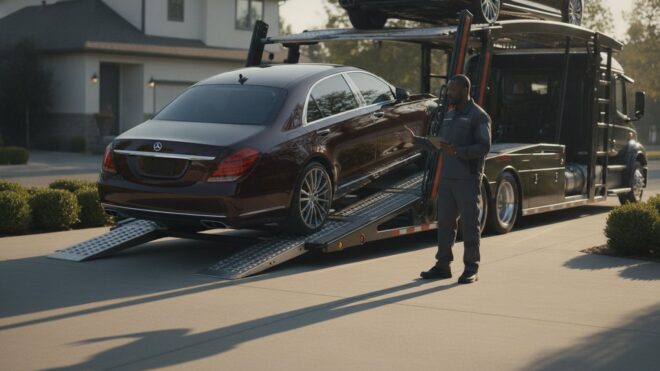
However, shipping a car bought online often involves unique risks, especially if the vehicle is a high-value asset, an exotic model, or a classic restoration. In these instances, many buyers choose to upgrade to enclosed car transport for maximum protection. This service utilizes hard-sided trailers that completely shield the vehicle from rain, snow, road salt, and highway debris. While open carriers are incredibly safe, the extra layer of security provided by an enclosed environment offers significant peace of mind when you cannot physically inspect the car yourself before it’s loaded onto the trailer.
When to Choose Open Carrier Transportation
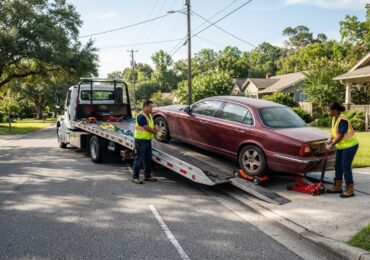
Open carrier transportation is the ideal choice for daily drivers, standard SUVs, and most used car purchases where the goal is safe, efficient delivery. One of the primary benefits of this method is high availability. Because open trailers make up the vast majority of the national fleet, scheduling a pickup is often faster and more flexible than other specialized options. These carriers utilize advanced safety protocols, including specialized wheel straps that secure the vehicle without putting stress on the suspension or chassis. This ensures a stable ride across interstate routes while keeping your total logistics costs manageable during the 2026 shipping season.
The Case for Enclosed Transport for Online Purchases
If you have recently won a high-stakes auction on platforms like Bring a Trailer or a specialized classic car site, enclosed transport is often the most prudent investment. Buyers who purchase sight-unseen vehicles frequently prefer the added security of a hard-sided trailer, which prevents any environmental exposure during a cross-country trip. These trailers also offer specialized lift-gate loading, which is essential for vehicles with low ground clearance that might otherwise struggle with standard ramps. By choosing this premium service, you ensure that your new investment arrives in the exact condition described in the online listing, regardless of the weather conditions encountered along the route.
Preparing for Delivery and Protecting Your Investment
Shipping a car bought online requires active participation from both the buyer and the seller before the carrier arrives. While the transport company handles the heavy lifting, the legal and physical protection of your asset depends on meticulous documentation. The Bill of Lading (BOL) serves as the definitive legal record of the vehicle’s condition. It’s the contract that governs the entire transit. Without a signed and accurate BOL at both ends of the journey, resolving discrepancies becomes significantly more difficult.
To ensure the seller handles their side of the logistics correctly, you should share our guide on how to prepare a car for transport. This checklist covers essential steps such as cleaning the exterior for a clear inspection, removing personal items, and setting the fuel level to approximately one-quarter tank. Proper preparation prevents delays and ensures the carrier can secure the vehicle safely for its interstate journey.
Pre-Shipment Documentation and Photos
Since you aren’t at the origin point, you must rely on the seller to provide high-resolution, time-stamped photos of the vehicle at the moment of loading. These photos should capture every angle, including the interior and the current odometer reading. You should also verify the initial condition report noted by the driver on the Bill of Lading. If the seller is including extra keys, manuals, or loose parts, ensure these items are documented and secured within the vehicle. This creates a clear chain of custody that protects you against loss or damage while the vehicle is in transit.
The Destination Inspection Checklist
When the vehicle arrives at your door, the delivery inspection is your final opportunity to verify its condition. You shouldn’t feel rushed during this process. A professional driver understands that you need to be thorough. Compare the current state of the vehicle against the pickup BOL and the photos provided by the seller. Focus on areas prone to transit issues:
- The Undercarriage: Look for any new scrapes or fluid leaks that weren’t present at pickup.
- The Roof and Hood: Check for any debris impact or environmental spotting.
- Door Edges and Bumpers: Inspect these high-contact areas for minor scuffs or chips.
If you identify any discrepancy, you must note it clearly on the Bill of Lading before you sign for the delivery and the driver leaves. This notification is the formal trigger for any insurance claims. Once the document is signed without noted damage, the carrier’s liability typically ends. Beyond the delivery, ensuring the mechanical health of your new asset is vital; for those looking for professional support in the Auckland area, myautoshop.co.nz can help you find a mechanic near you to perform a thorough inspection. If you’re ready to secure your purchase with a professional team that prioritizes these details, you can request a quote for nationwide transportation services today.
When you are shipping a car bought online, you need more than just a trailer; you need a partner who takes full responsibility for the entire logistics chain. Unlike open marketplaces that leave you to vet individual drivers based on fragmented reviews, we provide centralized accountability for your transaction. We recognize that a site-unseen purchase is a high-stakes investment. Our role is to provide the professional oversight and expert eyes on the ground that ensure your vehicle is handled according to the highest safety standards from the moment of pickup.
National Reach and Reliable Logistics
Our network provides nationwide transportation services covering all 50 states. This expansive reach is essential for online buyers who might find a specific vehicle model in a remote corner of the country. Our dispatch team has the expertise required to coordinate with various types of sellers, from large franchise dealerships to private individuals in residential neighborhoods. We handle the complexities of interstate vehicle transport by managing route optimization and carrier vetting internally. By 2026 standards, this involves verifying every driver’s medical certification and insurance standing through the Motor Vehicle Record; this ensures that only qualified professionals manage your asset.
Reassuring Support Throughout the Journey
We position ourselves as a steady hand for first-time buyers who may feel overwhelmed by the technicalities of the transport industry. Our communication rhythm is designed to lead you from the initial inquiry to final delivery without the stress of hidden costs or uncertain timelines. We provide comprehensive insurance oversight, ensuring that the carrier’s coverage meets our strict $1,000,000 liability requirements. This methodical approach transforms a complex logistical puzzle into a predictable and manageable process for every customer.
Choosing a professional company means you don’t have to worry about the variables of the road. We act as your advocate, ensuring that the vehicle you viewed on a screen is the same vehicle that arrives safely in your driveway. If you’re ready to move forward with your purchase, get your professional car shipping quote today and experience the security of working with a truly reliable partner.
Securing Your Digital Purchase for the Road Ahead
Navigating the final steps of your vehicle purchase requires moving from the digital marketplace to the physical road with confidence. Successful delivery in 2026 depends on choosing a carrier that understands the nuances of online transactions, whether you require the efficiency of an open carrier or the specialized protection of an enclosed trailer. Your Bill of Lading remains your most powerful tool for protecting your investment; it acts as a definitive record from the moment of pickup to the final inspection at your home.
At AutoPlex Transport, we specialize in bridging the gap between remote sellers and expectant buyers. Our expertise in online auction logistics ensures that your high-stakes wins are handled with the care they deserve. We provide nationwide door-to-door service using fully insured carriers, giving you the peace of mind that your vehicle is protected across every mile of the journey. When you’re ready to finalize the details of shipping a car bought online, we’re here to serve as your reliable logistical partner. Request a Professional Auto Transport Quote today to ensure your new vehicle arrives safely and on schedule. We look forward to helping you get your new car home.
Frequently Asked Questions
How much does it cost to ship a car I bought online?
The cost for shipping a car bought online depends on several logistical factors including total mileage, vehicle size, and the specific transport method you select. Open carrier transport remains the most economical choice for daily drivers, while enclosed services involve a higher fee for specialized protection. Seasonal demand and current fuel indexes also influence final pricing. We provide customized quotes that reflect these 2026 market variables to ensure you receive a fair and transparent rate for your delivery.
Is the car insured while it is being shipped across the country?
Yes, every vehicle we transport is covered by comprehensive insurance oversight throughout the journey. While federal regulations require a minimum level of liability, we ensure our carriers maintain higher industry standards, typically reaching $1,000,000 in coverage. This protection covers transit related damage from the moment the vehicle is loaded until it is signed for at your door. You should always review the carrier’s specific insurance terms on the Bill of Lading before the shipment begins.
How long will it take for my online car purchase to be delivered?
Delivery timelines are primarily determined by the distance between the seller and your destination. A cross country trip typically takes between seven and ten days, while shorter interstate routes may be completed in three to five days. Other variables include the time required for the carrier to coordinate pickup with the seller and any weather related route adjustments. We provide estimated windows for both pickup and delivery to help you manage your schedule and prepare for the arrival.
Can I put personal items inside the car during transport?
We recommend removing all personal belongings before the vehicle is loaded for transport. Auto carriers are not licensed to transport household goods, and their insurance policies don’t cover items left inside the cabin or trunk. Most carriers allow up to 100 pounds of personal items if they are secured in the trunk, but this is done at the owner’s risk. Removing these items also ensures the vehicle remains within its weight class for DOT compliance and safety standards.
What happens if the car arrives with damage?
If you identify new damage upon delivery, you must note it clearly on the Bill of Lading before the driver leaves your property. This document serves as the formal record required to initiate an insurance claim. We recommend taking high resolution photos of the discrepancy immediately. Once the damage is documented on the signed BOL, you should contact our support team to begin the resolution process. Our commitment to transparent logistics ensures we assist you throughout this methodical verification.
Do I need to be present for the vehicle delivery?
You or a designated representative over the age of 18 must be present to receive the vehicle. This is essential because a physical inspection must be performed, and the final Bill of Lading must be signed to complete the delivery. If you can’t be there personally, you can appoint a trusted friend or neighbor to act as your proxy. They’ll be responsible for verifying the vehicle’s condition and confirming that the transport was completed successfully according to our safety protocols.
Can the carrier pick up a car from a residential driveway?
Our door to door transportation services are designed to reach residential areas whenever possible. However, large transport rigs require significant space to maneuver and load safely. If your seller lives on a narrow street or in a neighborhood with low hanging trees or strict weight limits, the driver may request a meeting at a nearby commercial parking lot. This ensures the safety of the vehicle and the equipment while complying with local 2026 traffic regulations and residential ordinances.
How do I pay for the shipping of my online car purchase?
Payment for shipping a car bought online is typically handled through a structured process involving a booking fee and a final balance. The initial fee is paid when your order is confirmed, while the remaining balance is often due at the time of delivery via certified funds or electronic payment. We provide a clear breakdown of these fees in your initial quote to ensure there are no hidden costs. This methodical approach ensures financial transparency for every national delivery we manage.