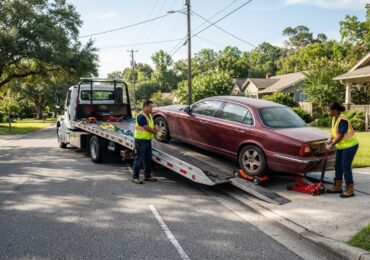
Most vehicle owners view a pre-shipment wash as a simple cosmetic choice, but in the current logistics environment, a clean car is actually your strongest legal defense. Learning how to prepare a car for transport involves much more than just tidying up the interior. It’s about creating a verifiable digital and physical record of your asset’s condition before it ever touches a trailer. We understand the anxiety that comes with watching your vehicle pull away, especially when you’re worried about hidden transit damage or insurance coverage gaps.
You deserve the peace of mind that comes with knowing your investment is protected by more than just a handshake. By following this comprehensive 2026 checklist, you’ll ensure your vehicle is safe, documented, and fully ready for a seamless transport experience. We’ll guide you through essential steps like managing the 100-pound personal item limit and utilizing the electronic Bill of Lading (eBOL) to guarantee a smooth pickup and a damage-free delivery.
Key Takeaways
- Understand why a thorough exterior clean is a vital legal step for creating an accurate condition report on your Bill of Lading.
- Learn the mechanical requirements for transit, including the specific fuel level needed to maintain safety and meet weight compliance standards.
- Discover how to prepare a car for transport by removing personal belongings to comply with federal regulations and prevent internal damage.
- Identify the critical differences between your personal auto insurance and the carrier’s cargo coverage to ensure you have a complete legal safety net.
- Prepare for a seamless final handover by organizing spare keys and selecting a pickup location that is accessible for large multi-car carriers.
The Visual Inspection: Cleaning and Documenting Condition
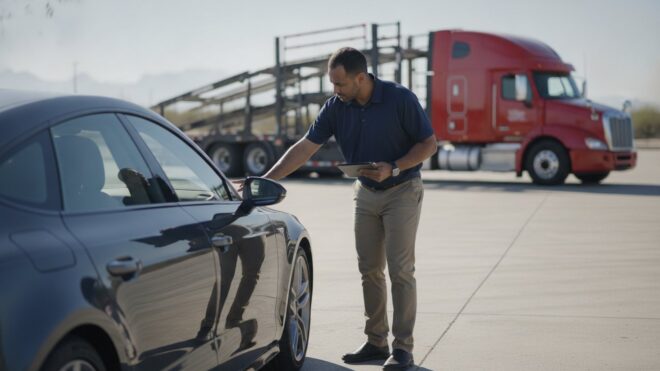
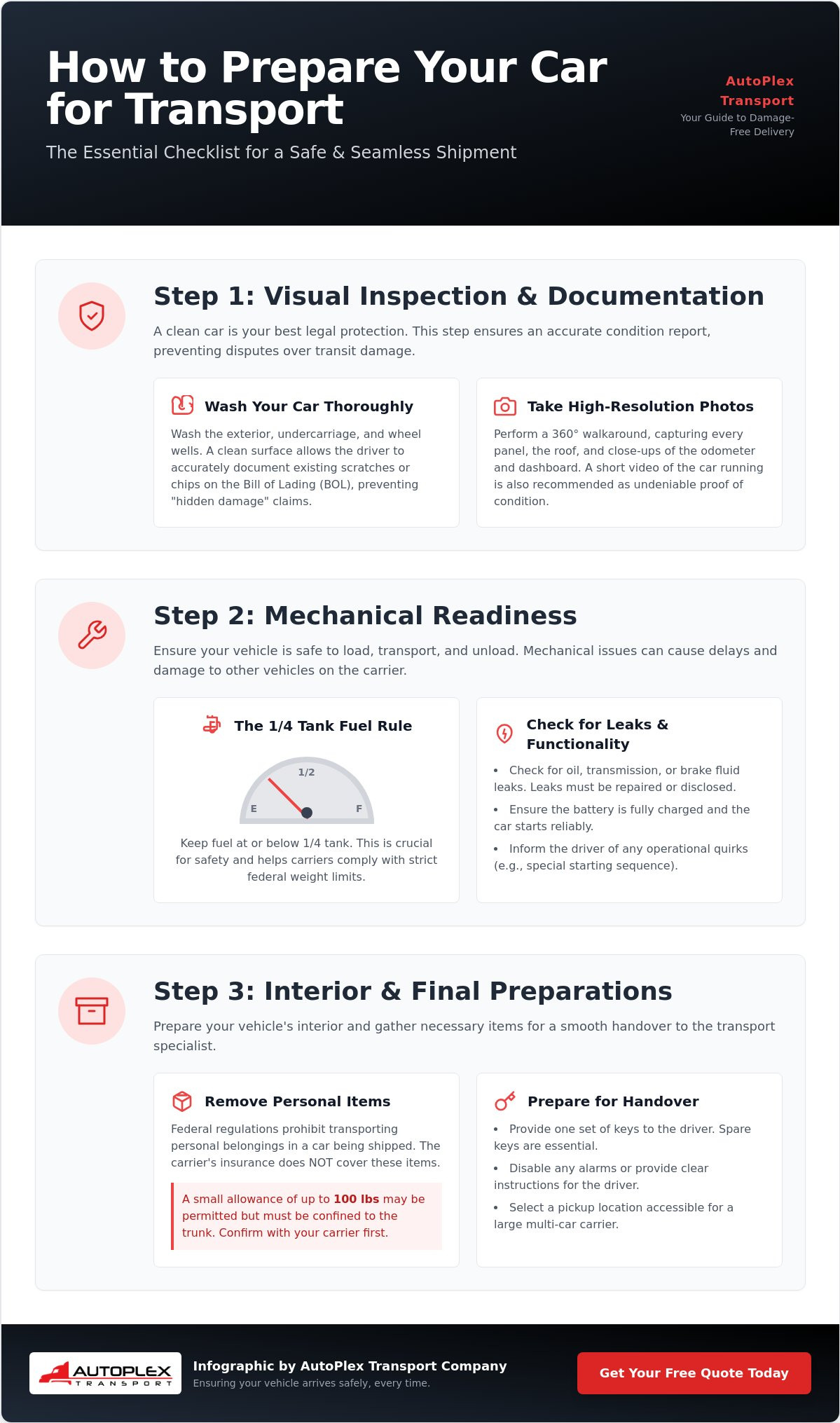
A clean vehicle is the foundation of a successful shipping experience. When you research how to prepare a car for transport, you’ll find that cleanliness isn’t just about aesthetics; it’s a critical legal safeguard. The Bill of Lading (BOL) serves as the official record of your car’s condition at the moment of pickup. If your vehicle is covered in road grime or dust, the transport driver cannot accurately document existing chips or scratches. This often leads to a “subject to hidden damage” note on the BOL, which can complicate insurance claims if new damage occurs during transit.
A pristine exterior allows for a transparent and efficient inspection process. It ensures that both you and the driver are in total agreement regarding the vehicle’s state before it’s loaded onto any of the various types of car carriers. By removing the layer of dirt, you make it impossible for new transit-related blemishes to hide behind old debris. This clarity is your best defense against disputes later on.
Exterior Detailing for Transport
Focus your cleaning efforts on more than just the hood and doors. It’s vital to wash the undercarriage and wheel wells, especially if you’re moving your car during winter months or across coastal regions where road salt and sea spray are common. These corrosive elements can cause significant issues if left to sit during a long haul. Additionally, take the time to remove bugs and bird droppings. These substances are acidic and can bake into your paint under the sun, leading to permanent etching while the car is in transit. Finally, ensure all glass surfaces are streak-free. Clear windows allow the driver to perform a quick, unobstructed visual check of the interior and dashboard during the loading process.
Comprehensive Photographic Evidence
Timing is everything when it comes to documentation. We recommend following the “Golden Hour” rule: take your photos during the hour after sunrise or before sunset. This soft, natural light provides the best clarity without the harsh glares or deep shadows that can obscure small dents. Perform a slow, 360-degree walkaround, capturing high-resolution images of every panel. Don’t forget to include the roof, as this area is frequently overlooked but can be vulnerable on open carriers.
Your documentation must also include the interior. Take close-up shots of the odometer to verify mileage and the dashboard to show that no warning lights are active. We also suggest recording a brief video walkthrough. A video provides undeniable proof of the engine’s sound and functionality, offering a level of detail that still photos simply cannot match. This methodical approach to how to prepare a car for transport creates a robust digital trail that protects your investment from pickup to delivery.
Mechanical Readiness: Fluids, Battery, and Operational Checks
While the exterior condition of your vehicle serves as your legal record, its mechanical health ensures the physical safety of the transport process. Understanding how to prepare a car for transport involves verifying that your vehicle is in a safe state for loading and unloading. A car that is mechanically sound prevents delays and protects other vehicles on the carrier. If your car has known issues, such as a weak battery or a specific starting sequence, communicating these details to your driver is essential for a smooth experience.
Leaking fluids represent one of the most common hazards in automotive logistics. On an open carrier, a vehicle dripping oil, transmission fluid, or brake fluid can cause significant damage to the paint and finishes of the cars loaded on the decks below. We recommend placing a clean piece of cardboard under your engine for 24 hours before pickup to identify any active leaks. If a leak is detected, it must be repaired or clearly disclosed so the driver can attempt to position the vehicle on the bottom row to minimize risks to other cargo.
The Fuel and Fluid Strategy
The “1/4 tank rule” is a standard industry requirement for several reasons. First, it provides enough fuel for the driver to load and unload the vehicle without the risk of stalling on the ramps. Second, it significantly reduces the total weight of the shipment. In 2026, the logistics of car transport are increasingly impacted by the weight of electric vehicles (EVs). Because EVs are considerably heavier than traditional gasoline cars, federal weight limits often mean a trailer that once carried nine vehicles can now only carry seven or eight. Keeping your fuel levels low helps carriers manage these strict weight distributions. Additionally, you must verify that your car is “operable”; it must start, steer, and brake under its own power. If it doesn’t, you must book specialized services equipped with winches or forklifts.
For businesses managing a variety of vehicles, these logistics become even more complex; you can explore Fleet Management with Alliance Fleet Solutions to see how professional leasing and operational support can streamline your commercial transport needs.
Tires, Battery, and Brakes
Your vehicle’s tires and brakes are the primary points of contact for securing it to the trailer. Tires must be properly inflated to the manufacturer’s recommended PSI to ensure the tie-down straps remain tight throughout the journey. A soft tire can lose pressure during transit, causing the straps to loosen and the vehicle to shift. Even more critical is the emergency brake. This component must be fully functional, as it is the primary safeguard used by carriers to hold the car in place on the ramps.
Finally, ensure your battery is fully charged and that you have disabled all security systems. Car alarms that trigger due to the vibrations of the transport truck will quickly drain a battery, leaving the driver unable to start the car at the delivery point. If you are unsure about the specific mechanical requirements for your vehicle type, our specialists at AutoPlex Transport can provide a detailed consultation to ensure your car is ready for the road.
The ‘Empty Car’ Rule: Removing Personal Items and Loose Parts
Adhering to the “empty car” rule is one of the most misunderstood aspects of learning how to prepare a car for transport. While it’s tempting to use your vehicle as a shipping container for personal belongings, federal regulations strictly limit what can remain inside. Auto transporters are licensed to move vehicles, not household goods; for those relocating, professional services like mudanzasajuar.com can assist with the safe transport of household items. If a carrier is caught transporting personal items during a roadside inspection, they face significant fines or delays that affect your delivery timeline. Understanding these limitations is a key part of how to prepare a car for transport effectively, as the carrier’s cargo insurance specifically excludes personal property.
Physical safety is also a major concern during the journey. Items left in the cabin can shift during transit, potentially shattering windows or tearing upholstery from the inside. Even small objects like loose change or charging cables can become projectiles if the carrier encounters rough terrain or sudden stops. To ensure a smooth experience, remove all non-permanent items from the passenger area. This includes toll tags and GPS devices. Failure to remove these often results in “phantom charges” as your vehicle passes through automated toll booths while secured to the transport truck.
Interior Clearing Checklist
Start by emptying the glove box and center console of all sensitive documents, such as your registration and insurance papers. You should also remove all loose change, aftermarket electronics, and detachable stereo faceplates. While some carriers allow up to 100 pounds of personal items to be stored in the trunk, this is generally discouraged and must be cleared with your transport specialist in advance. These items must remain below the window line to ensure the driver has a clear view for loading and unloading. Remember, any items left in the car aren’t covered by the carrier’s standard cargo insurance policy, which typically provides between $100,000 and $150,000 of coverage for open carriers.
Exterior Accessory Removal
Exterior modifications require special attention to prevent damage and ensure proper clearance on the trailer. You should retract or remove power antennas and take down any non-factory spoilers or bike racks that could catch the wind or strike the trailer frame. Folding in side-view mirrors is a simple yet effective way to maximize clearance on the narrow ramps used by professional carriers. If you have a convertible, ensure the top is fully secured and locked. Custom car covers should also be removed, as they can flap in the wind at highway speeds and cause abrasive damage to your paint during long-distance hauls; for those shipping additional high-value components or industrial equipment, Packaging For Industry (PFI) offers specialized custom solutions to ensure every part of your shipment is protected.
Documentation and Insurance: The Legal Safety Net
Establishing a solid legal safety net is the final administrative step in learning how to prepare a car for transport. While your vehicle is in the hands of a carrier, the Bill of Lading (BOL) and the carrier’s insurance policy act as your primary shields. You’ll need to gather several documents before the driver arrives, including your vehicle registration, proof of personal insurance, and a valid photo ID. While the carrier provides cargo insurance, it’s vital to remember that this covers the vehicle itself, not any personal items left inside. This distinction is why clearing the cabin is so important for your financial protection.
The difference between total loss and damage coverage is a nuance every owner should understand. Total loss typically applies if the entire trailer is involved in a catastrophic event, while cargo insurance handles specific damage like a cracked windshield or a body scratch. Federal law mandates a minimum liability of $750,000 for transporters, but most reputable brokers require carriers to maintain at least $1,000,000 in liability coverage. Open carriers usually carry between $100,000 and $150,000 in cargo insurance, which is sufficient for most standard vehicles. If you’re shipping a high-value asset, checking these limits is a non-negotiable part of how to prepare a car for transport. For a deeper understanding of how broker and carrier regulations have evolved in 2026, our auto shipping America reference guide covers the latest USDOT compliance standards and financial requirements in detail.
Navigating the Bill of Lading
The Bill of Lading is both your receipt and your contract. When the driver arrives for pickup, you’ll perform a joint inspection. You must ensure that every pre-existing chip, dent, or scratch is noted in writing on this document before you sign it. If a driver uses a “subject to hidden damage” clause because the car is dirty, it can jeopardize future claims. At AutoPlex Transport, we utilize electronic Bills of Lading (eBOLs). This digital transition, which has grown from 1% industry adoption in 2021 to over 10% by mid-2025, provides an instant, time-stamped record of your car’s condition that cannot be altered later.
Insurance Verification Steps
Always request the carrier’s Certificate of Insurance (COI) before the pickup date. This document confirms their policy is active and lists their specific coverage limits. Be sure to check for exclusions; many policies do not cover “Acts of God,” such as hail or storm damage, while the car is on an open trailer. If your vehicle requires protection from the elements, you should consider Enclosed Car Transport for maximum protection. Enclosed carriers often provide higher cargo insurance limits, ranging from $250,000 to $1,000,000. If you have concerns about the specific insurance requirements for your upcoming shipment, you can contact our logistics team for a transparent coverage review.
Final Handover: Working with Your Transport Specialist
The moment of pickup is where your careful planning and the carrier’s expertise finally converge. Ensuring you know how to prepare a car for transport culminates in a brief but vital exchange with your driver at the curb. You’ll need to provide a complete set of keys, which must include the ignition, the trunk, and any locking gas caps or wheel nuts. We strongly recommend keeping your primary set and handing over a spare to the driver. This simple step eliminates the stress of potentially losing your only set of keys during the transition between locations.
Clear communication is the heartbeat of a successful vehicle delivery. Once your carrier is assigned, you’ll receive the driver’s contact information directly. It’s helpful to establish a preferred communication method, whether that’s a direct phone call or a text message, to receive real-time updates on their estimated arrival time. This proactive approach ensures you’re ready when the truck pulls into the designated area, which prevents unnecessary delays and keeps the driver’s tight schedule on track. Before the car is loaded, perform one last walk-through to ensure the windows are up and the alarm is fully deactivated.
Pickup Logistics and Accessibility
Professional car carriers are massive pieces of equipment that require specialized space. An 80-foot trailer needs significant room to maneuver, turn, and safely extend its loading ramps. If you live on a narrow residential street, a cul-de-sac, or in an area with low-hanging trees, the carrier may not be able to reach your front door safely. In these instances, it’s best to identify a nearby shopping center or a wide, well-lit road where the loading process can occur without obstruction. You should also provide the driver with a secondary contact person at both the origin and the destination. Having a backup contact ensures that someone is always available to sign the Bill of Lading if your own schedule shifts unexpectedly.
Why Professional Preparation Matters
A well-prepared vehicle significantly speeds up the Open Transport loading process. When you’ve mastered how to prepare a car for transport, you reduce the likelihood of insurance claims and eliminate the friction of last-minute adjustments. By following this guide, you’ve moved from a state of uncertainty to a position of total confidence. You’ve protected your asset, documented its condition with high-resolution imagery, and prepared your logistics for a smooth transition. This methodical preparation is the best way to ensure your vehicle arrives in the same condition it left.
Ready to ship? Get a guaranteed quote from AutoPlex Transport today and experience the difference that professional expertise makes for your vehicle’s journey.
Secure Your Peace of Mind for the Road Ahead
Thorough preparation is the most effective way to ensure your vehicle’s safety and your own peace of mind. By documenting your car’s condition through high-resolution imagery and adhering to the 1/4 tank fuel rule, you’ve established a solid foundation for a successful shipment. Understanding how to prepare a car for transport empowers you to act as a proactive partner in the logistics process, reducing the risk of transit disputes and ensuring a smooth final handover. You’ve successfully navigated the complexities of federal regulations regarding personal items and verified the necessary insurance safeguards.
Now that your vehicle is ready, it’s time to partner with a team that values your asset as much as you do. AutoPlex Transport provides Nationwide Door-to-Door Logistics supported by Fully Licensed and Insured Carriers and A+ Rated Customer Service. We’re here to manage the heavy lifting so you can focus on your next destination. Get a Free Nationwide Car Shipping Quote today and let us handle the details. Your vehicle is in experienced hands, and we’re ready to deliver the reliable service you deserve.
Frequently Asked Questions
Can I leave my personal items in the trunk during transport?
Most carriers allow up to 100 pounds of personal belongings in the trunk, but these items are not covered by the transporter’s cargo insurance. Federal law prohibits auto carriers from acting as household movers, so the cabin must remain empty. If you choose to leave items in the trunk, they must stay below the window line to ensure the driver has full visibility during the loading process.
How much gas should I leave in the tank for shipping?
You should maintain approximately one-quarter tank of fuel when considering how to prepare a car for transport. This specific level provides enough gas for the driver to maneuver the vehicle on and off the trailer while keeping the total weight of the shipment manageable. Excessive fuel adds unnecessary weight to the carrier, which can complicate federal weight compliance for the driver.
Do I need to be present for the pickup and delivery?
You or a designated representative over the age of 18 must be present at both the pickup and delivery locations to sign the Bill of Lading. This presence is required because you must participate in the joint condition inspection with the driver. If you can’t be there personally, ensure your representative understands how to carefully document the vehicle’s state before the car is loaded.
What happens if my car is damaged during the transport process?
If you discover damage upon delivery, you must note it clearly on the Bill of Lading before the driver leaves the site. Take immediate, high-resolution photos of the new damage and compare them to your pickup documentation to provide clear evidence. Once the damage is recorded on the BOL, you should contact our team to initiate the claims process with the carrier’s insurance provider.
Should I wash my car before the driver arrives?
Yes, washing your vehicle is a critical step in how to prepare a car for transport because it allows for an accurate condition report. Dirt and grime can easily hide small scratches or dents during the initial inspection at pickup. A clean exterior ensures that the Bill of Lading reflects the true state of your car, which is your primary protection if you need to file a claim.
Is my car insurance active while the vehicle is on the trailer?
Your personal auto insurance typically remains active, but the carrier’s cargo insurance serves as the primary coverage for any transit-related damage. We recommend contacting your private insurance agent to see if your policy offers any supplemental protection for long-distance transport. Most professional carriers maintain at least $100,000 in cargo coverage for open trailers to protect your asset during the journey.
Can I ship a car that doesn’t run or has a dead battery?
You can ship an inoperable vehicle, but you must disclose this condition during the booking process so we can assign a carrier with the right equipment. Non-running cars require a winch or a forklift for safe loading and unloading, which isn’t available on every trailer. Shipping an inoperable vehicle usually involves additional fees because of the specialized labor and equipment required for the job.
What paperwork do I need to give the driver at pickup?
You only need to provide the driver with a set of keys and sign the Bill of Lading once the initial inspection is complete. While you should have your vehicle registration and a photo ID ready for verification, the driver doesn’t typically take these documents with them. It’s vital that you receive a signed copy of the BOL, as this is your official receipt for the vehicle.