
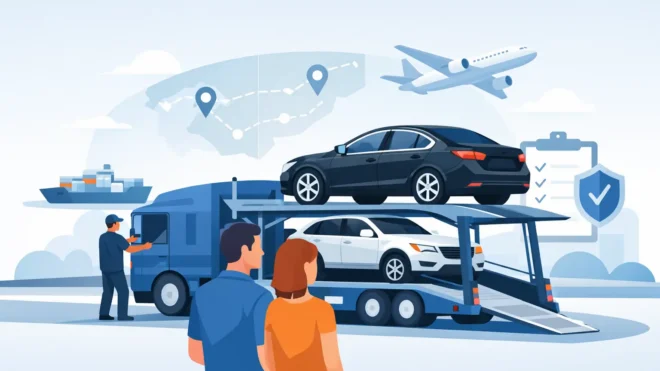
A leased vehicle may not be yours to sell, modify, or keep beyond the contract term, but you can usually move it wherever life takes you. Knowing how to transport a leased car starts with protecting two things at once: the vehicle itself and your obligations under the lease. Whether you are relocating for work, heading south for the season, or moving before your lease ends, professional auto transport can save you from adding unnecessary mileage, road wear, and cross-country driving stress.
Can You Ship a Leased Car?
In most cases, yes. Lease agreements generally allow you to transport the vehicle within the United States, and shipping it on a carrier does not change your lease status. Still, the agreement is the final word. Review it before booking, especially if the vehicle is being moved to another state for an extended period.
Look for language about permitted use, required insurance coverage, registration, and address changes. Some leasing companies want to know where the car will be primarily garaged, particularly when a move affects registration, taxes, or insurance requirements. That is an administrative step, not usually a barrier to shipping, but it is better handled before pickup day.
If you have questions about a specific clause, call the leasing company directly. Ask whether there are restrictions on interstate transport and whether you need to report the new garaging address. Keep a record of the conversation for your files.
Choose the Right Transport Service
The best way to transport a leased car depends on your route, budget, timing, and the level of protection you want. For most standard sedans, SUVs, and trucks, open carrier transport is the practical choice. Your vehicle is secured on a multi-car trailer, the same type commonly used to deliver new vehicles to dealerships. It is dependable and typically more economical than enclosed service.
Enclosed transport is worth considering for a high-value lease, a luxury vehicle, a classic car, or a vehicle that needs extra protection from weather and road debris. It costs more, but it adds a layer of coverage that can provide welcome peace of mind when condition matters closely at lease return.
Door-to-door service is usually the simplest option. The carrier picks up and delivers as close to your chosen addresses as safely and legally possible. On narrow residential streets, low-hanging trees, or areas with truck restrictions, you may meet the driver at a nearby wide road, shopping center, or other accessible location. A good transport coordinator will explain this before dispatch so there are no last-minute surprises.
Expedited transport can help when a job start date, move-out deadline, or flight schedule leaves little room for delay. Availability and pricing vary by route, so request it early if timing is tight.
Confirm Insurance Before Pickup
Your personal auto insurance generally remains active while the car is being shipped, but do not assume every policy handles transit the same way. Contact your insurer and ask whether your comprehensive coverage applies while the vehicle is on an auto carrier. If you are moving to a new state, ask when the policy and registration need to be updated.
A professional carrier should also carry cargo insurance. Request confirmation of the carrier’s coverage and understand the claims process before the vehicle is loaded. Cargo coverage is intended for damage caused during transport, while your own policy may address other types of loss depending on its terms.
Keep in mind that insurance does not replace careful documentation. The clearer the vehicle’s condition is at pickup, the easier it is to resolve a legitimate issue later.
Prepare the Car for Shipping
Leased cars need the same basic shipping preparation as owned vehicles, with a little more attention to condition and lease-related paperwork. Wash the exterior so existing scratches, dents, chips, and wheel marks are easy to see. Take dated photos and video from every angle, including the roof, bumpers, windshield, wheels, interior, odometer, and any existing damage.
Remove personal items, toll tags, loose accessories, and valuables from the vehicle. Auto carriers are not personal moving trucks, and household belongings can shift, create safety issues, or fall outside cargo coverage. Leave only the items required for the vehicle to operate, such as a spare tire and standard factory equipment.
The fuel tank should be around one-quarter full. That gives the driver enough fuel to load and unload the car without adding unnecessary weight. Check tire pressure, battery charge, and fluid levels. If the car has mechanical concerns, a low ground clearance, an alarm system, or special starting instructions, tell the transport company before scheduling.
Do not leave the original lease contract, registration, insurance card, or sensitive financial documents in the glove box. Carry those with you or store secure digital copies instead.
Document the Vehicle at Pickup
At pickup, the driver will inspect the leased vehicle and record its condition on a bill of lading. This document matters. Review it carefully before signing, and make sure pre-existing marks are noted accurately. If you see something missing or described incorrectly, ask for it to be added.
Take another set of photos while the car is at the pickup location. Capture the odometer reading and the vehicle as it is loaded, if possible. This creates a clear before-transport record and also helps you track mileage. One advantage of shipping a leased car is that it avoids thousands of miles that could bring you closer to your lease mileage limit.
Make sure the driver has a working phone number for you or a trusted pickup contact. If someone else will release or receive the vehicle, let the transport coordinator know in advance. That person should be authorized to inspect the car and sign the paperwork.
What to Expect During Transit and Delivery
Auto shipping schedules are based on route conditions, carrier capacity, traffic, weather, and legal driving-hour limits. Pickup and delivery windows are more realistic than exact appointment times, especially on long interstate routes. A reliable transport provider should keep you informed and give you reasonable notice as delivery approaches.
When the vehicle arrives, inspect it before signing the final delivery paperwork. Compare its condition with your pickup photos and the original bill of lading. Check the body panels, glass, wheels, roof, and interior. Confirm the odometer reading is consistent with loading, unloading, and any necessary carrier movement.
If you notice new damage, document it immediately with photos and write it on the delivery bill of lading before signing. Notify the transport company as soon as possible and follow its claims instructions. Do not wait until days later, when it can be harder to establish what happened during transit.
Avoid Common Lease Shipping Mistakes
The biggest mistake is treating a leased car as though it needs no special attention because it is not being sold. In reality, excess wear, unreported damage, and mileage can affect what you owe when the lease ends. Shipping is often a smart way to preserve mileage and reduce road exposure, but only when the vehicle is prepared and documented properly.
Another common issue is booking based on price alone. An unusually low quote may not reflect the actual market conditions needed to secure a carrier on your route. Ask what service is included, whether the quote is based on open or enclosed transport, how pickup timing works, and who will be available to answer questions. Clear coordination is part of a worry-free shipment.
Finally, do not wait until the last week of a move to arrange transport. Earlier planning gives you more carrier options and makes it easier to choose a pickup window that fits your schedule. It also gives you time to check lease requirements, update insurance details, and prepare the vehicle without rushing.
Get Support for Your Leased Vehicle Move
Transporting a leased car should make your move easier, not create another layer of paperwork and uncertainty. AutoPlex Transport helps customers arrange safe, nationwide vehicle shipping based on the car, route, schedule, and protection level they need. From standard open carrier service to enclosed and expedited options, the goal is straightforward: move your vehicle with care while you focus on the rest of your relocation.
Before you book, have your pickup and delivery locations, vehicle year, make, model, preferred timing, and any special requirements ready. A quick conversation with a transport advisor can help you select the service that makes the most sense for your lease and your plans. With the right preparation and a dependable carrier, your leased car can arrive ready for the next chapter without adding a long road trip to your to-do list.
