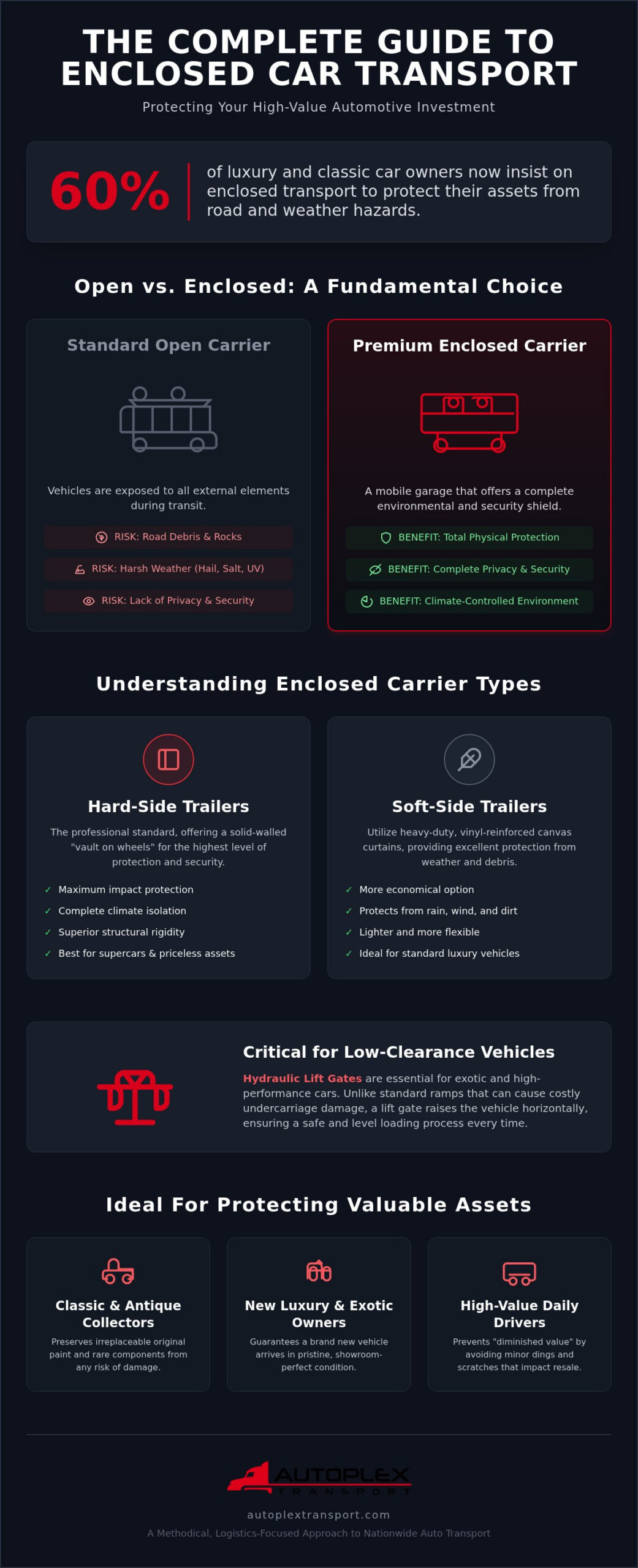
Did you know that approximately 60% of owners shipping luxury or classic vehicles now insist on enclosed transport to protect their assets? It’s a significant figure that reflects a growing understanding of vehicle preservation as a financial strategy. You’ve likely spent years maintaining your car’s pristine finish, so the thought of it facing road debris or unpredictable weather on a standard trailer is naturally stressful. If you’re searching for reliable enclosed car transport Houston, you probably have valid concerns about low-clearance ramps or whether your insurance coverage is truly sufficient for a high-value investment.
We understand that shipping a vehicle isn’t just about moving it from one location to another; it’s about safeguarding a significant asset. This guide explains how specialized enclosed shipping provides a complete barrier against external elements and ensures your vehicle arrives in the exact condition it left. We’ll break down the differences between hard-side and soft-side carriers, clarify federal insurance requirements, and show you how white-glove handling preserves your car’s long-term market value. By the end of this article, you’ll have the clarity needed to make an informed, confident decision for your vehicle’s next journey.
Key Takeaways
- Understand why enclosed shipping acts as a vital financial strategy by protecting your vehicle’s finish from road debris and harsh weather conditions.
- Compare the structural benefits of hard-side trailers against the flexibility of soft-side carriers to determine the best fit for your specific transport needs.
- Discover how choosing enclosed car transport Houston prevents “diminished value” by avoiding the minor imperfections that can significantly impact a car’s resale price.
- Follow a professional checklist for preparing your vehicle, ensuring accurate condition reports and high-resolution documentation are completed before transit begins.
- Gain peace of mind by learning how a methodical, logistics-focused approach ensures the safe, nationwide delivery of exotic and high-value assets.
What is Enclosed Car Transport and Why Does it Matter?
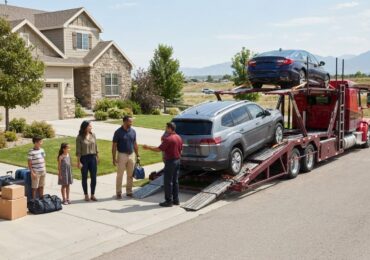
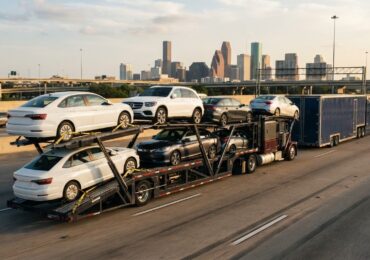
Enclosed car transport is a premium logistics service where vehicles are shipped within a fully shielded, four-walled trailer. Unlike a standard car carrier trailer that leaves its cargo exposed to the elements, these specialized units act as a mobile garage. This method is the gold standard for owners who view their vehicle as a significant asset rather than just a tool for transportation. When you’re arranging enclosed car transport Houston, you’re investing in a service that prioritizes the vehicle’s physical integrity above all else. By sealing the car inside a protective shell, we eliminate the common risks of road salt, hail, and flying highway debris that frequently cause minor but expensive damage on open trailers.
The difference in security and privacy is also substantial. Enclosed carriers are typically unbranded and fully walled, which keeps your vehicle out of sight during the journey. This anonymity is a deliberate safety feature. It prevents unwanted attention during overnight stops and ensures that the specific contents of the trailer remain private. It’s a methodical approach to transit that recognizes the value of the cargo, providing a level of care that goes far beyond simple delivery.
The Environmental Shield: Beyond Just a Roof
The solid walls of an enclosed trailer offer more than just a barrier against rain. They provide critical protection against intense UV exposure, which can lead to paint oxidation during cross-country hauls. For vehicles moving through coastal regions or northern states during winter, these walls block corrosive salt and moisture from reaching the undercarriage. We also recognize that vintage vehicles often have sensitive leather or wood interiors. These materials can crack or warp when exposed to extreme temperature swings, making the stable, sheltered environment of an enclosed unit essential for preserving a car’s cabin.
Who Should Choose Enclosed Shipping?
While any owner can opt for this service, it’s often the primary choice for specific high-stakes scenarios. Collectors of antique or classic cars frequently use this method because original paint and rare components are nearly impossible to replace if damaged. Similarly, buyers of new luxury or exotic vehicles use enclosed transit to ensure their purchase arrives in showroom condition. Even for high-value daily drivers, the peace of mind provided by white-glove handling is worth the investment. Choosing enclosed car transport Houston ensures that whether you’re moving a restored masterpiece or a modern performance car, the vehicle remains in a controlled, secure environment from the moment it’s loaded until it reaches its destination.
Hard-Side vs. Soft-Side: Understanding Enclosed Carrier Types
Selecting the right equipment is the most critical step in ensuring your vehicle’s safety during transit. While the term “enclosed” suggests a uniform level of protection, the industry actually utilizes two distinct trailer designs. Soft-side carriers use heavy-duty, vinyl-reinforced canvas curtains to shield the cargo. These units are often more economical and provide excellent protection from rain and wind. However, they lack the rigid structural barrier of their hard-side counterparts. If you are prioritizing the highest level of security for enclosed car transport Houston, a hard-side trailer is the professional standard. These solid-walled containers offer a literal vault on wheels, protecting against shifting external loads and providing a completely climate-stable environment.
Hard-side trailers also tend to offer more internal clearance. This extra space is vital for larger luxury SUVs or vehicles with wide wheelbases. Because the walls are rigid, there is no risk of the “curtain slap” that can occasionally occur with soft-side trailers in high-wind conditions. When you’re reviewing a Consumer Advisory About Automobile Transporters, you’ll find that understanding these equipment nuances is key to selecting a reputable service provider. Choosing between these options depends on your specific vehicle’s value and the level of environmental isolation you require for the journey.
The Importance of Hydraulic Lift Gates
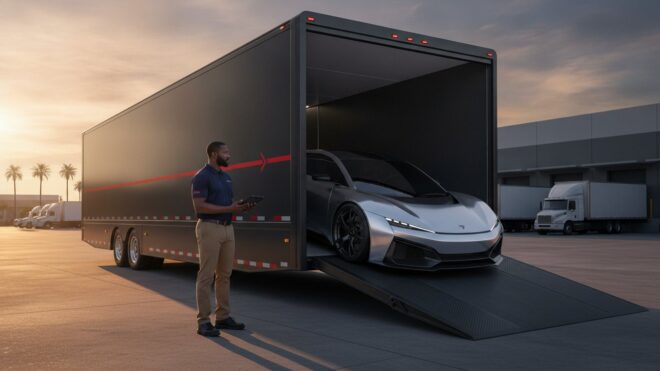
Standard ramps are a liability for modern exotic vehicles. When a car sits only a few inches off the pavement, the steep angle of a traditional loading ramp often results in significant undercarriage damage or “bottoming out.” We solve this by utilizing hydraulic lift gates. These platforms stay perfectly level with the ground as they rise, allowing the vehicle to be driven or pushed onto the trailer without any incline. This methodical loading process ensures that the front splitters and low-hanging exhaust systems of performance cars remain untouched and pristine.
Internal Securing Systems: Soft Tie-Downs
The method used to secure a vehicle inside the trailer is just as important as the trailer itself. While some budget carriers still use metal chains that can stress the suspension or scratch the frame, professional transport utilizes nylon soft tie-downs. These high-strength straps loop through the wheels or over the tires, securing the car to the floor without metal-on-metal contact. This multi-point stabilization system prevents the car from shifting during sudden stops while protecting the delicate finish of your rims. If you’re looking for a partner who understands these technical details, you can explore our Enclosed Transport Services to see how we prioritize your vehicle’s structural integrity.
Analyzing the ROI: Enclosed Transport vs. Open Carriers
Deciding between shipping methods involves more than just comparing two line items on a quote. It requires a thorough analysis of the potential risks associated with open transit versus the long-term value of your vehicle. For many owners, a single rock chip on a high-end finish isn’t just a minor nuisance; it’s a financial setback. Repairing specialized multi-stage paint or matte finishes often requires a full panel respray to ensure a perfect match. The cost of such paint correction can easily exceed the price difference between open and enclosed services. When you select enclosed car transport Houston, you’re effectively paying to avoid the “diminished value” that occurs when a vehicle is no longer in its original, factory-pristine state.
The industry standard premium for enclosed shipping typically ranges from 30% to 50% above open carrier rates. This investment is justified when the vehicle’s market value or the rarity of its components makes any transit-related wear unacceptable. High-end collectors and savvy investors view this surcharge as a proactive financial strategy. It ensures that the car’s provenance remains untarnished by the physical realities of thousands of miles on the open road. By choosing a fully shielded environment, you’re ensuring that the vehicle’s condition at delivery is identical to its condition at pickup.
Preserving Originality and Provenance
For “survivor” class classic cars, originality is the most valuable asset. Any modern repair, no matter how skillful, can detract from the vehicle’s historical significance and market appeal. Enclosed shipping preserves this provenance by keeping the car in a static, protected environment. Maintaining a “showroom condition” for new luxury deliveries is equally vital for those who want their new purchase to feel truly new. Interestingly, providing documentation that a vehicle was moved via professional enclosed car transport Houston can actually serve as a selling point, signaling to future buyers that the owner prioritized the car’s condition at every stage of ownership.
Insurance and Liability Deep Dive
Understanding the logistical safety net is essential for total peace of mind. While open carriers meet federal minimums, enclosed transporters frequently carry much higher cargo insurance limits to match the value of their exotic cargo. You should always verify the specific coverage limits of a carrier before booking, as your personal auto policy may have restrictive exclusions for vehicles in transit. Cargo insurance is a specialized policy held by the transporter that covers the physical loss or damage of the vehicles being hauled during the shipping process. Ensuring this coverage is robust is a hallmark of a professional and reliable partnership.
How to Prepare Your Vehicle for National Enclosed Shipping
Preparing your vehicle for nationwide transit is a methodical process that begins well before the trailer arrives at your door. While the trailer provides a protective shell, your role is to ensure the administrative and physical groundwork is laid for a successful journey. When you arrange enclosed car transport Houston, starting with a thorough cleaning is essential. A clean exterior allows for a meticulous inspection, ensuring that every existing detail is noted. Once the car is spotless, take high-resolution, dated photographs from every angle. Focus specifically on the wheels, lower panels, and interior. This documentation serves as your definitive record of the vehicle’s state before it enters the carrier’s care.
Mechanical readiness is equally important for a smooth loading process. Ensure the car is in good running order and check for any fluid leaks, as even a small drip can compromise the environment inside a multi-car trailer. Maintain tire pressure at recommended levels and ensure the battery is fully charged. We typically recommend keeping the fuel tank at approximately one-quarter full. This provides enough fuel for loading and unloading maneuvers while minimizing unnecessary weight and adhering to safety protocols. Finally, remove all personal items and loose accessories, such as toll tags or aftermarket spoilers, as these are not covered by carrier insurance.
The Bill of Lading (BOL) Process
The Bill of Lading is your primary legal protection during the shipping process. It functions as both a receipt and a contract, detailing the exact condition of the vehicle at the point of exchange. During pickup, walk around the car with the driver and ensure every pre-existing mark is recorded clearly on the BOL. Don’t rush this step. When the vehicle reaches its destination, perform a second inspection under good lighting before signing the final document. If you notice any discrepancies, document them immediately on the BOL before the driver departs.
Vetting Your Transport Partner
Trusting someone with a high-value asset requires thorough due diligence. You can verify a carrier’s legitimacy by checking their Motor Carrier (MC) and DOT numbers through the Federal Motor Carrier Safety Administration (FMCSA) website. This portal allows you to confirm their safety rating and insurance status directly. Be wary of contracts with hidden “fuel surcharges” or “booking fees” that weren’t included in the initial quote. It’s also helpful to ask about the specific driver’s experience with exotic or low-clearance vehicles. If you’re ready to work with a partner who values this level of detail, you can request a quote for our Nationwide Transportation Services.
Trusting AutoPlex for Your Professional Auto Transport Needs
Choosing a partner for vehicle logistics is a decision rooted in trust and a shared commitment to safety. At AutoPlex, we’ve developed a methodical approach that prioritizes your peace of mind above all else. We understand that when you’re looking for enclosed car transport Houston, you’re looking for more than just a trailer; you’re looking for a professional team that respects the engineering and financial value of your vehicle. Our process is designed to be detail-oriented, ensuring that every logistical hurdle is cleared before the first mile is driven. We rely on a proven track record of handling exotics and high-value assets with the steady hand of a seasoned industry veteran.
Transparency is the cornerstone of our service model. From the moment you receive your initial quote to the final signature on the delivery document, we maintain clear lines of communication. We don’t believe in high-pressure sales tactics. Instead, we act as a knowledgeable authority, guiding you through the complexities of nationwide transit. Our national network consists only of vetted enclosed carriers who meet our rigorous standards for equipment quality and driver experience. This selective approach ensures that your vehicle is always in the hands of a professional who understands the specific nuances of white-glove handling.
Nationwide Reach with a Personalized Touch
Managing interstate routes requires an intricate understanding of national logistics and timing. We leverage our experience to coordinate safe, timely deliveries across the country while maintaining a personalized touch for every client. We don’t treat your car as just another unit in a manifest. We treat it as a significant investment that requires a “reliable partner” philosophy. To better understand the landscape of the industry this year, you can explore our resource on Enclosed Car Transport: The Definitive Buying Guide for 2026. This guide provides deeper insights into the evolving standards of professional vehicle shipping.
Get Your Personalized Shipping Strategy
Every vehicle has unique requirements, which is why we offer customized shipping strategies tailored to your specific needs. Our experts are available to help you evaluate the differences between hard-side and soft-side options based on your vehicle’s clearance and your desired level of protection. We take the guesswork out of the process by providing clear, honest recommendations that align with your goals. When you’re ready to secure your vehicle’s journey with a team that values precision and safety, we invite you to Request your professional auto transport quote from AutoPlex today. Let us show you how a methodical, expert-led process can provide the ultimate protection for your automotive investment.
Securing Your Automotive Legacy
Protecting a high-value vehicle requires more than just a covered trailer; it demands a methodical approach to logistics that prioritizes the car’s long-term market value. By selecting enclosed car transport Houston, you aren’t just moving a car. You’re investing in a deliberate strategy to prevent diminished value caused by road debris and environmental wear. Whether you choose the robust protection of a hard-side carrier or the versatility of a soft-side unit, the goal remains the same: the total preservation of your asset’s condition from pickup to delivery.
AutoPlex Transport Company brings extensive nationwide interstate shipping expertise to every haul. We focus on dedicated high-value vehicle logistics, ensuring your car is handled with the white-glove care it deserves. Our comprehensive insurance and rigorous carrier vetting process provide the security you need for a completely stress-free experience. When you’re ready to move your investment with total confidence, Get a Professional Enclosed Shipping Quote from AutoPlex Transport. We look forward to serving as your reliable partner on the road ahead.
Frequently Asked Questions
Is enclosed car transport worth the extra cost for a daily driver?
The decision depends on your vehicle’s paint quality and your desire to maintain its aesthetic finish. While usually reserved for exotics, many owners of high-end daily drivers choose this service to avoid the common chips and scratches associated with highway transit. This investment helps maintain the car’s resale value by keeping it in showroom condition. Choosing enclosed car transport Houston ensures your daily driver avoids the physical wear that occurs on open trailers.
What is the difference between a hard-side and a soft-side enclosed carrier?
Hard-side carriers feature solid, rigid walls that provide a complete barrier against all environmental factors and shifting external loads. Soft-side carriers use heavy-duty, reinforced canvas curtains to shield the cargo. While both offer protection from road debris, hard-side units offer superior security and a more stable environment for sensitive vehicles. We typically recommend hard-side trailers for the highest level of isolation from the elements.
How much insurance coverage do enclosed carriers typically provide?
Enclosed carriers typically carry higher cargo insurance limits than open trailers, often ranging from $250,000 to $1,000,000 or more. This specialized coverage is designed to protect the high-value assets they transport. You should always verify the specific policy limits with your provider before booking to ensure they align with your vehicle’s current market valuation. This provides the necessary financial security for your investment during nationwide transit.
Can I ship personal items inside my car during enclosed transport?
You shouldn’t ship personal items inside your vehicle because they aren’t covered by the carrier’s insurance policy. Most transporters are strictly licensed to haul vehicles, not household goods or personal property. Removing all loose items prevents potential damage to your car’s interior and ensures the carrier stays within federal weight regulations. Keeping the car empty also allows for a more thorough and accurate condition inspection at pickup.
How long does nationwide enclosed car shipping usually take?
Nationwide transit typically takes between 7 to 10 days, depending on the specific route and total distance. Factors like weather conditions and federal driver hours-of-service regulations also influence the delivery timeline. When you book enclosed car transport Houston, our team provides a precise window based on current logistics and seasonal demand. We prioritize a safe, methodical pace to ensure your vehicle arrives in the same condition it left.
What happens if my vehicle is damaged during enclosed transit?
If you notice damage upon delivery, you must document it immediately on the Bill of Lading before the driver leaves the site. Take clear, high-resolution photographs of the new damage and compare them to your pickup documentation. This record is the most important legal document for filing a successful claim against the carrier’s cargo insurance. Our team supports you through this methodical process to ensure a fair and timely resolution.
Do I need to be present for the pickup and delivery of my vehicle?
Yes, either you or a designated representative must be present to conduct the joint inspection and sign the Bill of Lading. This document functions as a legal requirement for verifying the vehicle’s condition at both ends of the journey. Having someone present ensures that any concerns are addressed and documented in real-time. It’s a critical step in our transparent process that protects both the owner and the transport company.
Are all enclosed carriers equipped with hydraulic lift gates?
Not all enclosed trailers have hydraulic lift gates, though they’re the preferred method for loading low-clearance exotic cars. Some carriers may use extended ramps instead, which can be risky for certain performance vehicles. If your car has a low front splitter or sensitive undercarriage, it’s vital to confirm that your specific trailer is equipped with a lift gate. We prioritize matching your vehicle with the correct equipment to ensure safe loading.