If you think of a vehicle trailer as just a metal box on wheels, you’re overlooking the sophisticated engineering that keeps a high-value investment safe during a long-distance haul. For many owners, the fear of a stray rock chip or a sudden hail storm is enough to keep a prized vehicle in the garage. It’s natural to feel anxious about how a low-clearance sports car will navigate a steep loading ramp without sustaining undercarriage damage. This is why professional enclosed car carrier transport has evolved into a specialized mobile environment that prioritizes technical precision over simple transit.
We recognize that your vehicle is a significant asset that requires a stable and experienced hand. This guide provides a detailed look at the equipment and safety protocols that define the industry in 2026. You’ll gain a technical understanding of how hydraulic liftgates and soft-tie securement systems function to protect delicate finishes and low-profile frames. We also explain the latest regulatory shifts, such as the transition to the USDOT-only identification system, to help you evaluate transport providers with absolute clarity. This information is designed to replace uncertainty with the confidence that your vehicle is being managed by a knowledgeable authority.
Key Takeaways
- Learn how fully shielded logistics solutions protect your vehicle from environmental hazards like road salt, debris, and precipitation.
- Understand the role of hydraulic lift gates and low-angle ramps in safely loading exotic vehicles with minimal ground clearance.
- Evaluate the security advantages of using professional enclosed car carrier transport as a “rolling vault” for high-value assets.
- Identify the specific value thresholds and seasonal factors that make enclosed shipping a necessary investment for your vehicle.
- Discover the rigorous driver expertise and methodical planning required to execute successful interstate vehicle transportation.
What is Enclosed Car Carrier Transport?
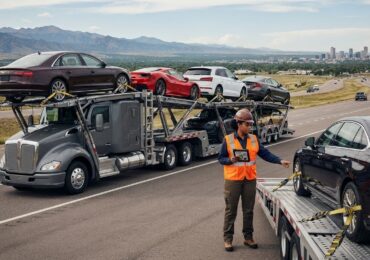
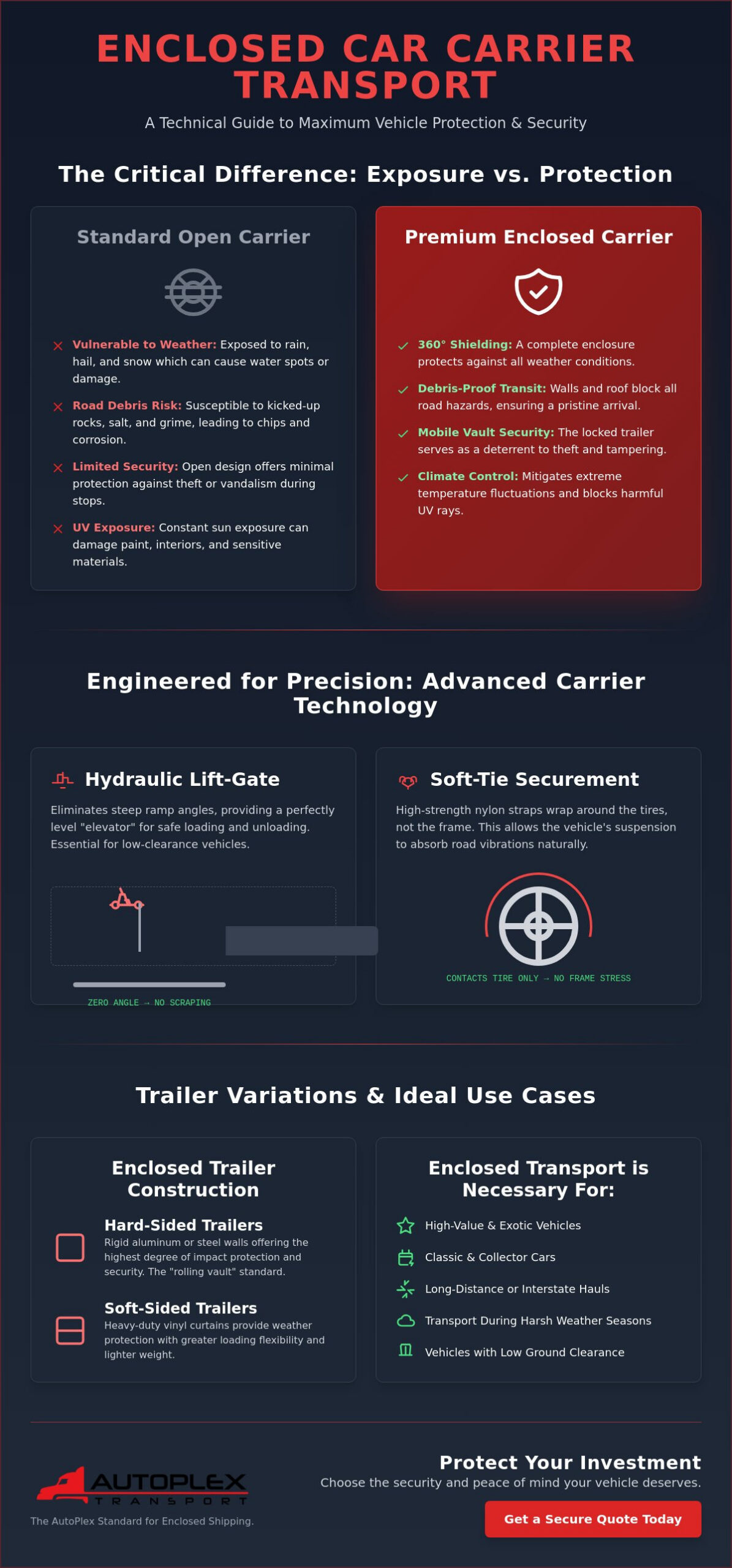
At its core, enclosed car carrier transport is a premium logistics solution designed to provide a 360-degree shield for vehicles during transit. Unlike open-air carriers, which leave cars vulnerable to the elements, this method utilizes trailers with a roof and four walls. This structural design serves one primary purpose: eliminating exposure to road salt, kicked-up debris, and unpredictable precipitation. While a standard car carrier trailer is built with an open steel rack, professional enclosed car carrier transport units are engineered as secure, mobile enclosures.
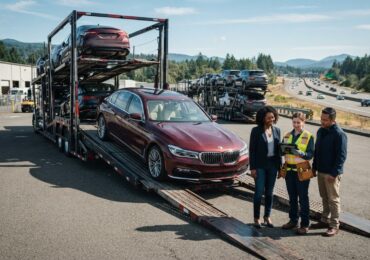
Capacity within this sector varies based on the level of service required. You might encounter single-car trailers, often reserved for VIP deliveries or extremely high-value hauls. More commonly, the industry utilizes multi-car stackers. These sophisticated trailers can carry between two and seven vehicles across two internal decks. Even in a multi-car configuration, every vehicle remains fully protected from external hazards, offering a level of security that open transport simply cannot match. It’s a methodical approach that prioritizes the integrity of the asset over simple volume.
Hard-Sided vs. Soft-Sided Enclosed Trailers
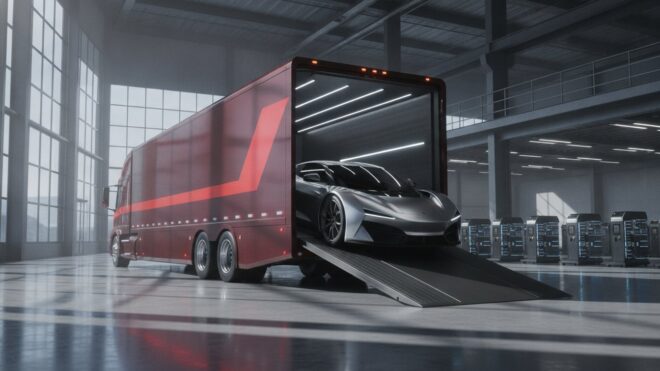
The level of protection you receive often depends on the trailer’s wall construction. Hard-sided trailers feature rigid aluminum or steel walls. They offer the highest degree of impact protection and serve as a “rolling vault” against theft or vandalism. Conversely, soft-sided trailers use heavy-duty, reinforced vinyl curtains. These are often preferred for their loading flexibility in tight urban spaces and their lighter weight, which can improve fuel efficiency for the carrier. While both types shield against rain and road grime, hard-sided units are the preferred choice for maximum security and impact resistance.
The Role of Climate and Environmental Control
Environmental protection extends beyond just blocking rain. Enclosed trailers provide a critical barrier against UV rays, which can cause significant damage to the sensitive paint and leather interiors of vintage or luxury vehicles. They also maintain a relatively dust-free environment. This prevents fine particulates from building up on the vehicle surface during long, cross-country hauls. For vehicles with sensitive electronics or specialized fluids, the enclosed space helps mitigate extreme temperature fluctuations. This ensures the car arrives in the same condition it left your driveway, regardless of the weather conditions outside.
Advanced Equipment: How Enclosed Carriers Operate
The specialized nature of enclosed car carrier transport relies on more than just four walls. It’s the technical hardware inside the trailer that ensures a vehicle remains pristine throughout its journey. While open carriers utilize steep metal ramps and heavy chains, professional enclosed units employ a suite of advanced tools designed specifically for high-value and low-clearance assets. This equipment is engineered to eliminate the physical stresses of loading and the risks of transit-related movement. It’s this commitment to technical excellence that differentiates a standard haul from a premium logistics service.
Hydraulic Lift-Gate Technology
For owners of exotic or classic cars, ground clearance is often the primary concern. Standard ramps create an apex at the trailer entrance that can easily scrape a front lip or damage an undercarriage. Hydraulic lift gates solve this by acting as a horizontal elevator. The vehicle is driven onto a platform that remains perfectly level as it’s raised to the height of the trailer deck. This mechanism is essential for modern electric vehicles (EVs), which often feature heavy battery packs and low-profile frames. Industry data from a recent Car Carrier Market report indicates that nearly 46% of manufacturers have specifically improved their equipment to handle the unique weight and height requirements of these modern vehicles.
Securement Methods: Protecting the Finish
Once inside, the method used to hold the car in place is just as critical as the trailer itself. Professional carriers avoid the metal-on-metal contact of traditional chains, which can mar the chassis or damage the paint. Instead, they utilize “soft-tie” securement. This involves high-strength nylon straps that wrap around the tires rather than the frame. This allows the car’s own suspension to absorb road vibrations naturally without putting undue stress on the vehicle’s structure. These straps anchor into E-track systems, which are built-in floor rails that provide hundreds of potential anchor points for maximum stability. Using non-abrasive materials is a non-negotiable standard for protecting a vehicle’s factory finish.
The interior of these trailers is also equipped with high-intensity LED lighting and climate monitoring tools. This ensures that the driver has full visibility during the methodical loading process and can detect any environmental shifts within the enclosure. Multi-deck configurations allow for adjustable flooring, which means vehicles can be stacked without any risk of contact or fluid leaks from above. If you’re planning a move, choosing enclosed transport services ensures your vehicle is supported by this level of professional-grade hardware. These technical advantages provide peace of mind that the most delicate components of your car are shielded from every angle.
Risk Mitigation and Security Standards
Security in the vehicle logistics industry involves more than just a locked door. When you choose enclosed car carrier transport, you’re investing in a comprehensive risk mitigation strategy that covers physical, operational, and financial safeguards. Hard-sided trailers serve as a “rolling vault,” providing a physical barrier against theft while simultaneously concealing the identity of the high-value assets inside. This anonymity is a critical first line of defense against targeted criminal activity during nationwide transit. Professional enclosed car carrier transport providers also utilize real-time GPS tracking, allowing owners to monitor their vehicle’s progress across state lines with precision.
Technical expertise is the backbone of these security standards. Operating an enclosed carrier requires specialized training that goes far beyond standard commercial driving requirements. As of 2026, regulatory bodies have tightened standards for driver qualifications significantly. For instance, commercial drivers must now have their medical status verified directly through the Motor Vehicle Record, and English proficiency is strictly enforced to ensure clear communication during complex loading procedures. These professionals aren’t just drivers; they’re specialists trained in the mechanics of low-clearance vehicles and advanced securement technology.
Verification of Cargo Insurance
It’s a common misconception that a personal auto policy provides adequate coverage during professional transport. Reputable enclosed carriers provide high-limit cargo insurance, typically ranging from $500,000 to $1,000,000. Before booking, you should always request a Certificate of Insurance (COI) to verify that the policy is active and the limits are sufficient for your vehicle’s current market value. This coverage is designed to protect against total loss and minor transit-related damage, providing a layer of financial security that open-air transport often cannot match.
Operational Security and Privacy
Privacy is often a top priority for collectors, celebrities, or manufacturers transporting prototypes. Using “blind” trailers, which are units without branding or windows, ensures that the contents remain confidential. Operational protocols also include strict overnight stop procedures. Drivers utilize secure, well-lit facilities and maintain constant communication through advanced telematics systems. Every journey begins and ends with a rigorous Bill of Lading (BOL) inspection. This document serves as a detailed snapshot of the vehicle’s condition, ensuring absolute transparency and accountability from the moment of pickup to the final delivery.
Choosing Between Open and Enclosed Transport
Deciding between open and enclosed shipping often comes down to a simple calculation of risk versus value. While open-air carriers account for approximately 68% of the vehicle logistics market, they leave cars exposed to the environment. For many, the 30% to 60% price premium for enclosed car carrier transport is a justifiable expense when compared to the cost of specialized paint repair or interior restoration. It’s a matter of protecting an investment from the unpredictable variables of the open road. If the potential for a single rock chip or weather-related blemish outweighs the shipping savings, the choice becomes clear.
Seasonality plays a significant role in this decision-making process. During the “Snowbird” season, which typically runs from October through April, road conditions in northern states become hazardous due to heavy salt and chemical de-icers. These substances are highly corrosive to undercarriages and sensitive finishes. Choosing enclosed car carrier transport during these months isn’t just about luxury; it’s a methodical step to prevent long-term structural damage. Additionally, the condition of your vehicle dictates the equipment needed. A brand-new exotic requires the lift-gate technology we discussed previously, while a non-running classic may require specialized winching capabilities within a shielded environment. For a complete breakdown of how enclosed car transport services provide an ultimate shield against the elements across any distance, our 2026 guide covers every detail you need to make an informed decision.
When Enclosed is Mandatory
There are specific technical scenarios where an enclosed trailer is the only viable option. We consider it mandatory for any vehicle with a ground clearance of less than 4 inches. Standard open ramps are simply too steep to accommodate these low-profile frames without causing significant undercarriage scraping. Similarly, classic cars featuring original nitrocellulose paint require protection from UV rays and temperature fluctuations to prevent cracking or “checking.” Finally, manufacturers transporting prototype or pre-production models rely on the total visual privacy of hard-sided trailers to maintain corporate confidentiality during interstate transit.
Comparing the Logistics
You should expect different logistical timelines when booking a premium haul. Because enclosed trailers represent only 32% of the available market, they’re often in higher demand and may require longer lead times to schedule. While booking with a flexible two-week window can sometimes result in an 8% to 10% discount, immediate pickups usually carry a significant premium. It’s also worth noting that these large rigs may face challenges navigating tight residential streets. In such cases, a professional driver will coordinate a safe, nearby meeting point to ensure a secure handoff. For those seeking a more budget-friendly alternative for a standard daily driver, you can explore our The Comprehensive Guide to Open Transport Car Shipping in 2026.
If you’re ready to secure your vehicle with the highest level of protection available, we invite you to explore our specialized Enclosed Transport Services for a customized shipping plan. We’re here to help you navigate these choices with transparency and expert guidance.
The AutoPlex Standard for Enclosed Shipping
At AutoPlex, we view every high-value vehicle as a unique logistical project rather than just another load. Choosing enclosed car carrier transport with our team means you’re accessing a system built on technical precision and deep industry experience. We manage the complexities of interstate vehicle transportation by coordinating every detail, from the specific trailer requirements to the most efficient nationwide routes. Our goal is to provide a seamless experience that reflects our commitment to being a stable and experienced hand in a complex field. You’ll receive transparent updates at every stage, ensuring you’re never left in a state of uncertainty during the journey.
Professional Logistics and Support
Managing nationwide routing requires more than just a map. It involves a rigorous vetting process for every carrier in our network to ensure they meet our high safety standards. We verify that every driver possesses the specialized training and the advanced equipment, such as hydraulic lift gates, mentioned earlier in this guide. This “reliable partner” approach is essential when handling high-stakes assets like exotic supercars or delicate antiques. We treat your car with the same care you do, providing a level of protection that only a dedicated specialist can offer. For a broader look at the industry’s landscape, you can consult our parent guide: Enclosed Car Transport: The Definitive Buying Guide for 2026.
Getting Started with Your Shipment
Transparency is the foundation of our communication. When you request a quote, we provide a clear breakdown of the logistics involved without high-pressure sales tactics. Preparing your vehicle for pickup is a straightforward process when you follow our methodical checklist. First, clean the exterior to allow for a thorough Bill of Lading inspection. Second, ensure the fuel level is around one-quarter tank to optimize trailer weight. Third, remove personal items, keeping in mind the industry standard 100-pound limit for the trunk. Finally, disable alarm systems and fold in side mirrors to ensure the safest loading experience possible.
Our team understands that you’re trusting us with a significant asset. We take that responsibility seriously by maintaining a network of vetted, professional carriers who specialize in the enclosed car carrier transport sector. Once you’re ready to proceed, you can request your professional enclosed transport quote here to begin your customized shipping plan. We’re dedicated to guiding you from the initial inquiry to the final delivery with the expertise and authority your vehicle deserves.
Securing Your Vehicle’s Future on the Road
Understanding the technical nuances of vehicle logistics ensures that your investment remains protected during every mile of its journey. We’ve explored how hydraulic lift gates and soft-tie securement eliminate the physical stresses of loading, while high-limit insurance and real-time tracking provide the necessary financial peace of mind. Choosing enclosed car carrier transport is a methodical decision based on your vehicle’s specific clearance requirements and the current seasonal environmental risks. It’s about moving from a state of inquiry to a state of total confidence in your transport choice.
Our team at AutoPlex is ready to serve as your reliable partner for all your nationwide door-to-door service needs. We maintain industry-leading insurance standards and work exclusively with vetted professional carriers to ensure a seamless delivery. When you’re ready to take the next step, we invite you to Get a Professional Enclosed Transport Quote and experience a higher standard of vehicle care. We look forward to managing your valuable assets with the precision and expertise they deserve.
Frequently Asked Questions
Is enclosed car carrier transport worth the extra cost?
The decision to invest in enclosed car carrier transport is often a matter of asset protection and risk management. For owners of luxury or classic vehicles, the extra cost is justified by the total elimination of road debris and weather exposure. It’s a small price to pay when you consider the high cost of specialized paint repairs. This service provides a level of security that standard trailers simply can’t match.
What is the difference between hard-sided and soft-sided enclosed trailers?
Hard-sided trailers feature rigid metal walls that offer the highest level of impact and theft protection. These units act as a secure, rolling vault for your vehicle. Soft-sided trailers use specialized, heavy-duty vinyl curtains that provide flexibility for loading in tight urban environments. While both types shield your car from rain and road grime, hard-sided trailers are the gold standard for maximum security and environmental control during transit.
How do you load a low-clearance car onto an enclosed trailer?
We load low-clearance vehicles using hydraulic lift gates, which act as a horizontal elevator to keep the car perfectly level. This technology prevents the undercarriage scrapes that often happen with traditional steep ramps. For cars with slightly more clearance, we use specialized low-angle ramp extensions. These tools ensure a safe transition into the trailer without risking damage to front splitters or delicate exhaust systems. It’s a methodical, damage-free process.
Can I ship personal items inside my car during enclosed transport?
You can typically include up to 100 pounds of personal belongings in the trunk, provided they stay below the window line. These items aren’t covered by the carrier’s insurance, so we recommend removing valuables. If you need to ship more, a surcharge of $75 to $100 per additional 100 pounds may be applied with carrier approval. This allows the driver to maintain safe weight limits for the trailer while ensuring your items stay secure.
How much insurance coverage does an enclosed carrier typically provide?
Reputable enclosed carriers typically provide high-limit cargo insurance ranging from $500,000 to $1,000,000. This is a significant increase over the coverage found in the open transport market. It’s designed to protect the full market value of high-end exotic and classic vehicles. We always recommend requesting a Certificate of Insurance before your pickup date. This ensures the policy is active and the limits are sufficient to cover your specific vehicle’s current valuation.
What happens if my car is damaged during enclosed shipping?
If you discover damage, you must note it on the Bill of Lading during the final inspection at delivery. This document is the primary evidence for any insurance claim, so being thorough is critical. We also recommend taking clear photographs of the vehicle before and after transit. Our team supports you through the claims process to ensure a professional resolution. Clear documentation is the most effective way to protect your investment during the shipping process.
How long does nationwide enclosed car transport usually take?
Nationwide delivery typically takes between 7 and 10 days depending on the specific route and distance. Because enclosed car carrier transport involves a smaller pool of specialized equipment, scheduling can take slightly longer than open transport. We recommend booking with a flexible two-week window to ensure the best availability. This methodical approach allows us to secure a carrier that meets our high standards for safety and equipment while providing you with regular updates.
Are enclosed carriers more secure against theft than open trailers?
Enclosed carriers provide a superior level of security because they completely hide your vehicle from public view. Hard-sided trailers function as a “rolling vault,” protecting high-value assets from opportunistic theft and vandalism. This total concealment is especially important for celebrity owners or manufacturers transporting sensitive prototypes. When a car isn’t visible on an open rack, it doesn’t attract unwanted attention. This privacy is a core benefit of the enclosed shipping model for any high-value asset.