
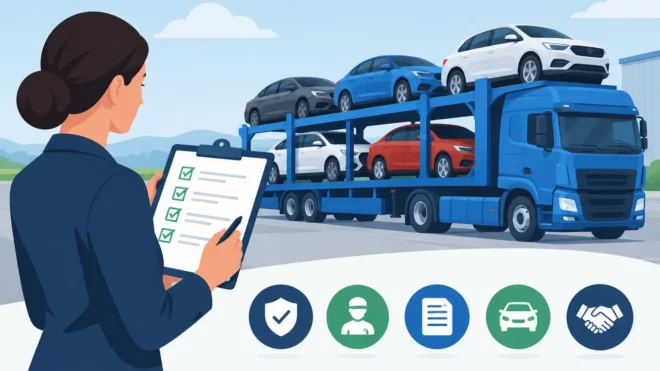
A low quote can look appealing until pickup day arrives with vague updates, a different truck than expected, or no clear answer about coverage. The best carrier vetting questions help you look beyond price and choose a transport partner that can move your vehicle safely, professionally, and on a schedule that works for you.
Whether you are relocating, buying a vehicle online, sending a car to a seasonal home, or shipping a collector vehicle, asking a few direct questions early can prevent costly surprises later. A dependable provider should welcome those questions and give clear, consistent answers.
Why carrier vetting matters before you book
Auto transport involves several moving parts: your booking contact, the dispatcher, the truck driver, the pickup location, and the delivery plan. Some companies work as carriers with their own trucks, while others are brokers that arrange transport with an authorized carrier. Neither model is automatically better. What matters is knowing who is responsible for each step and having a realistic plan for your shipment.
Carrier vetting is especially valuable when a quote is far below the others you receive. A lower number may reflect a flexible timeline or an open-carrier route with plenty of capacity. It can also mean the shipment is difficult to dispatch at that price, creating delays or a later request for more money. Clear answers help you understand the difference.
12 best carrier vetting questions to ask
1. Are you the carrier moving my vehicle, or a broker arranging the shipment?
Start here because it sets expectations for communication. If you are working with a broker, ask who will select the carrier and when you will receive the assigned carrier’s name, DOT number, and contact information. A professional broker remains your point of support while coordinating with the carrier, rather than disappearing once the vehicle is assigned.
If the company is the carrier, ask whether it will use its own equipment for your specific route. The answer should be straightforward, not evasive.
2. What are your DOT and motor carrier authority numbers?
Licensed interstate carriers must have operating authority and a U.S. Department of Transportation number. Ask for these details, then verify that the company name and status match what you were told. This simple step helps confirm you are dealing with an authorized business instead of an unverified operator.
Authority is a baseline, not the whole decision. A carrier can be authorized and still be a poor fit if its communication, equipment, or scheduling practices leave you uncertain.
3. What insurance coverage applies while my vehicle is in transit?
Do not settle for a general statement that the carrier is “fully insured.” Ask what type of cargo coverage applies, the coverage limit, the deductible if any, and whether there are exclusions that could affect your vehicle. For example, some policies may not cover personal items left inside the car, pre-existing damage, loose accessories, or certain modifications.
This question matters even more for luxury, classic, exotic, or heavily modified vehicles. If the vehicle’s value is high, ask whether the coverage limit is sufficient for its declared value and whether enclosed transport is recommended.
4. Can you provide proof of insurance before pickup?
A reputable company should be able to provide current insurance information when requested. Review the details carefully and make sure the policy is tied to the carrier that will physically transport your vehicle, not simply the company that gave you the quote.
If paperwork is unclear, ask for an explanation before authorizing pickup. It is much easier to resolve a coverage question before your car is loaded than after an incident.
5. Is my quoted price guaranteed, and what could cause it to change?
This is one of the most practical questions you can ask. Request a written breakdown of what the quote includes and the circumstances that could change the final price. Valid factors can include an inoperable vehicle, oversized tires, major modifications, an inaccessible pickup location, a requested change in dates, or a route change.
Be cautious if the answer is simply that the price may change “depending on dispatch” without specifics. You deserve to know whether the quoted rate is realistic enough to secure a qualified carrier within your requested timeframe.
6. What pickup and delivery window should I expect?
Vehicle shipping operates on routes, traffic conditions, weather, inspection stops, and legal driving-hour limits. That means most shipments have pickup and delivery windows rather than a minute-by-minute appointment. Ask for the estimated pickup range, transit time, and how much advance notice you will receive.
If you need a vehicle moved quickly, explain your deadline upfront. Expedited transport may be available, but it generally costs more because it limits routing flexibility. The right choice depends on whether speed or budget is your priority.
7. Will my vehicle be transported on an open or enclosed carrier?
Open transport is the standard option for most cars, trucks, and SUVs. It is cost-effective and widely available, but the vehicle will be exposed to normal road and weather conditions during transit. Enclosed transport provides added protection from the elements and is often preferred for classic, premium, exotic, or low-clearance vehicles.
Ask which option is included in your quote. Do not assume enclosed transport is included just because the vehicle is valuable, or that open transport is unsuitable for an everyday vehicle. The best service level is based on your vehicle, budget, and comfort level.
8. Is your equipment suitable for my vehicle’s size and condition?
Tell the carrier about anything that affects loading: a lifted truck, lowered suspension, wide tires, roof rack, non-running condition, limited ground clearance, or a vehicle that does not roll, brake, or steer normally. Then ask how it will be loaded and whether special equipment is required.
Accurate information protects you from day-of-pickup complications. It also allows the transport team to assign equipment that can handle the vehicle safely instead of trying to solve a preventable problem at the curb.
9. Where will pickup and delivery take place?
Door-to-door service usually means the carrier will get as close to your address as safely and legally possible. Large auto transport trucks may not be able to enter narrow residential streets, gated communities, low-clearance areas, or streets with tight turns.
Ask whether your locations are truck-accessible and what alternatives are available if they are not. A nearby shopping center, wide street, or other safe meeting point can make pickup and delivery easier for everyone.
10. How will I receive updates during transport?
You should know who to contact before the vehicle is loaded. Ask whether updates come from a dedicated advisor, dispatch team, or driver, and find out how often you can expect communication. A reliable company will set reasonable expectations rather than promise constant tracking it cannot provide.
Also ask what happens if weather, traffic, or a mechanical issue affects the schedule. Delays can occur in long-distance transport, but timely, honest communication makes a major difference.
11. How do you document my vehicle’s condition at pickup and delivery?
The bill of lading is the key condition report for your shipment. Before loading, the driver should inspect the vehicle and record visible pre-existing marks, dents, scratches, and other damage. You or your authorized representative should review that report, take clear photos, and keep a copy.
At delivery, inspect the vehicle again before signing the final paperwork. If you see new damage, note it on the bill of lading immediately and ask about the claims process. Do not rely on a verbal conversation alone.
12. What is your cancellation, delay, and claims process?
Plans change. Ask about deposits, cancellation timing, refund terms, and what happens if your pickup date must move. You should also ask how a claim is reported, what documents are needed, and who will assist you if an issue occurs.
A company cannot promise that no delay will ever happen, particularly during severe weather or busy seasonal periods. It can promise a defined process, responsive support, and a clear explanation of your options.
What a confident booking conversation sounds like
The right transport provider does not pressure you to skip the details. It explains the route, service type, timing, payment terms, and vehicle preparation requirements in plain language. It also asks useful questions about your vehicle and schedule because those details are necessary to arrange safe transport.
Before pickup, remove personal belongings, check the vehicle for leaks, leave about a quarter tank of fuel, disable alarms if needed, and photograph the exterior from several angles. Keep your keys and required contact information ready. These simple steps support a smoother handoff.
When you are ready to move a vehicle across state lines, choose the company that gives you clarity before it has your keys. AutoPlex Transport can help you compare the right shipping options for your route, vehicle, and timeline so you can book with confidence and focus on what comes next.
