
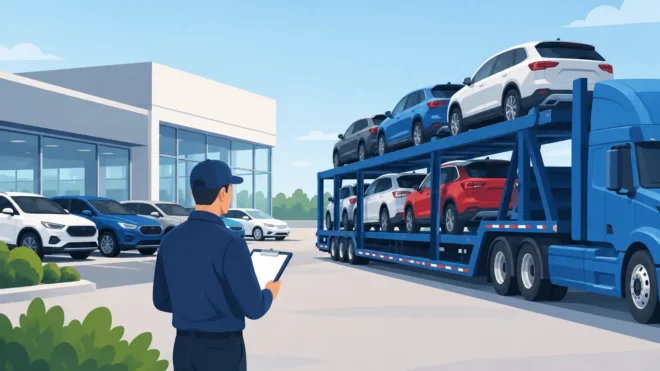
A missed vehicle arrival can mean more than an empty space on the lot. It can delay a retail sale, disrupt a trade-in plan, or leave a customer waiting on a vehicle they already expect to drive home. This dealership inventory shipping guide explains how to move vehicles with better timing, clearer coordination, and the right level of protection for every unit.
For dealerships, shipping is not a one-time convenience. It is part of inventory management. Whether you are moving auction purchases, dealer trades, lease returns, specialty vehicles, or multiple units between locations, a dependable transport plan helps keep your operation moving without adding unnecessary miles, wear, or scheduling pressure to your staff.
Start With the Right Shipping Plan
The best shipping option depends on what is moving, where it is going, and how quickly it needs to arrive. A standard sedan moving from an auction to your dealership has different needs than a low-clearance performance vehicle or a high-value classic headed to a buyer across the country.
Open carrier transport is the practical choice for most dealership inventory. It is widely available, cost-effective, and suitable for everyday cars, trucks, and SUVs. Vehicles travel on the same type of multi-car carrier commonly seen on highways, allowing dealers to move inventory efficiently across state lines or within a regional market.
Enclosed transport provides additional protection from road debris, weather, and public exposure. It is often the better fit for luxury models, collector vehicles, rare inventory, or units with a high resale value where condition is especially important. Enclosed service typically costs more and may require additional scheduling flexibility, but the added protection can be worthwhile for the right vehicle.
Expedited shipping is useful when a sold vehicle, incoming trade, or in-demand unit cannot wait for a standard pickup window. It is not necessary for every load, and it generally carries a higher price. Use it when a faster timeline protects a sale or prevents a larger operational delay.
Build a Dealership Inventory Shipping Schedule
A carrier cannot create certainty from incomplete details. The more accurate your information is at booking, the smoother the pickup and delivery process will be.
Begin by confirming the vehicle identification number, year, make, model, trim, color, running condition, and any modifications. Be clear about whether the vehicle starts, steers, brakes, and rolls. Inoperable vehicles can still be transported, but the carrier may need special loading equipment. Sharing this upfront prevents avoidable delays and helps ensure the quote reflects the actual job.
Pickup and delivery locations matter just as much as the route. A dealership lot with wide access, normal business hours, and a designated contact is usually straightforward. An auction, storage yard, repair facility, or crowded urban location may require more coordination. If a full-size carrier cannot safely enter the property, arrange a nearby meeting point before pickup day.
For recurring shipments, it helps to create a simple internal process. Assign one contact who can authorize release, provide keys and documents, answer driver calls, and verify condition at delivery. That person does not need to manage every transport detail, but they should be easy to reach when timing changes.
Prepare Every Vehicle Before Pickup
Preparation protects your inventory and keeps the driver on schedule. A clean, consistent handoff process also makes it easier to identify pre-existing damage and document the vehicle’s condition.
Before pickup, make sure each vehicle is ready in these four areas:
- Remove personal items, dealership materials, loose accessories, and aftermarket equipment that could shift during transit.
- Keep the fuel level at roughly one-quarter tank. This provides enough fuel for loading and unloading without adding unnecessary weight.
- Photograph the exterior, wheels, glass, interior, and odometer. Include close-up images of any existing scratches, dents, or damage.
- Secure or retract antennas, fold mirrors when appropriate, and notify the carrier of low ground clearance, oversized tires, roof racks, or other special features.
The driver will complete a vehicle inspection report, often called a bill of lading, at pickup. Review it carefully before the vehicle is loaded. This is the baseline condition record for the shipment. When the vehicle arrives, inspect it again before signing the delivery paperwork. If you notice a concern, note it on the report and take supporting photos while the driver is present.
Balance Cost, Speed, and Vehicle Protection
Dealership shipping decisions usually come down to three competing priorities: cost, speed, and protection. You can prioritize all three in certain situations, but doing so may increase the transport rate or narrow carrier availability.
If you are moving several standard units on a flexible timeline, open transport is often the most efficient solution. If you need a specific vehicle delivered for a confirmed buyer appointment, faster service may be the better business decision. If the vehicle is a premium model that will lose value from even minor cosmetic damage, enclosed transport can offer valuable peace of mind.
Seasonality also affects planning. Demand can rise during snowbird season, major vehicle auctions, summer relocation periods, and around holidays. Severe weather may influence routes and delivery windows as well. Booking as early as possible gives you more carrier options and makes it easier to coordinate incoming inventory with your sales and reconditioning teams.
The lowest quote is not always the best transportation value. A realistic quote should account for the vehicle type, route, operational condition, timing, and requested service level. Be cautious with pricing that appears unusually low but does not come with clear pickup expectations or responsive communication.
Keep Communication Centralized
Inventory shipping works best when the carrier, dealership, auction, and receiving location all have the same information. Conflicting instructions, unavailable contacts, and missing gate access details are common reasons pickups get delayed.
Provide the transporter with direct phone numbers for both pickup and delivery contacts. Share business hours, lot instructions, release requirements, and any appointment rules in advance. If a vehicle is sold while it is in transit or its destination changes, notify the transport coordinator immediately. A small change can affect routing, paperwork, and the driver’s schedule.
It is also smart to set realistic expectations with your sales team and customers. Estimated delivery dates are useful planning tools, but road conditions, traffic, loading schedules, and federal driver hours-of-service rules can affect timing. Clear communication is more valuable than an overly precise promise that cannot account for real-world conditions.
When Multi-Vehicle Shipping Makes Sense
Moving multiple vehicles at once can simplify logistics, especially for dealer trades, auction purchases, branch transfers, or wholesale inventory. Grouped transport may reduce administrative work and can be more efficient than arranging separate moves for each vehicle.
Still, consolidating shipments is not always the right answer. Waiting to fill a group of vehicles may delay a fast-selling unit that should be on your lot sooner. Consider the profit opportunity and customer demand for each vehicle. A popular truck or SUV may justify its own faster shipment, while slower-moving units can travel on a more flexible schedule.
AutoPlex Transport can help dealerships match the transport method to the vehicle, route, and delivery deadline. A direct conversation with a transport advisor can clarify whether open, enclosed, expedited, or multi-vehicle service makes the most sense for the shipment at hand.
A Practical Dealership Inventory Shipping Guide for Delivery Day
Delivery is the final control point in your dealership inventory shipping guide. Have a trained employee available to receive the vehicle, inspect it, and confirm the VIN matches the paperwork. Check the vehicle in adequate lighting when possible, compare its condition with the pickup report, and confirm that keys and included items are accounted for.
Do not rush the inspection simply because the driver is on a schedule. Most deliveries are straightforward, but taking a few careful minutes protects your dealership if a question arises. If there is an issue, document it accurately on the bill of lading before the driver leaves and contact your transport provider promptly for next steps.
A well-planned shipment does more than move a vehicle from one address to another. It helps your team keep promising inventory flowing, protects vehicle condition, and gives buyers greater confidence that the vehicle they want will be ready when they are. When the next unit needs to move, provide the details early, choose the service that fits the vehicle, and let a reliable transport partner handle the road ahead.
