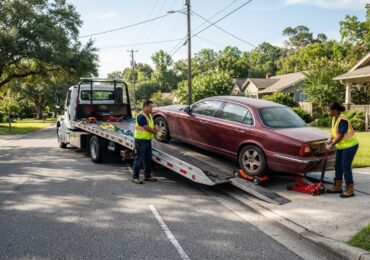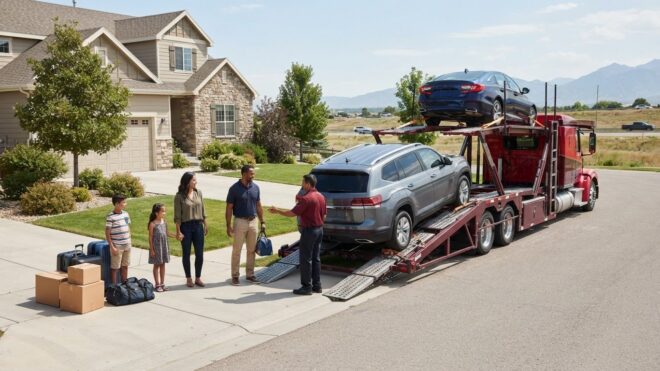
The easiest way to coordinate a family move may be to plan the car shipment separately, rather than treating it as one more item on the household moving checklist. Family car relocation services can help arrange vehicle transport while you focus on travel plans, moving dates, and everyone’s needs. The key is to coordinate pickup and delivery with your schedule without assuming the car and household move are handled by one service.
It’s reasonable to wonder whether open or enclosed transport is the better fit, how door-to-door service works, and what happens if plans change. The right choice depends on your vehicle, route, timing, and pickup and delivery access. Sharing those details upfront makes it easier to compare options and understand what a quote covers.
This guide explains how to compare open carrier and enclosed transport, what to coordinate before booking, and how to prepare your vehicle for shipment. You’ll also find practical questions to ask when requesting a quote, so you can plan the vehicle move alongside the rest of your family’s relocation.
Key Takeaways
- Understand what vehicle transport covers and which parts of a family move need separate arrangements.
- Choose family car relocation services by weighing your vehicle’s condition and value alongside your route, dates, and pickup access.
- Compare transport type, pickup arrangement, timing, and quote details before deciding which option fits your move.
- Prepare your car by documenting its condition and following the transport provider’s instructions for readiness and access.
- Gather your vehicle, route, timing, and service preferences before requesting a quote, then confirm the transport arrangements.
Family Car Relocation Services: What Does the Service Include?
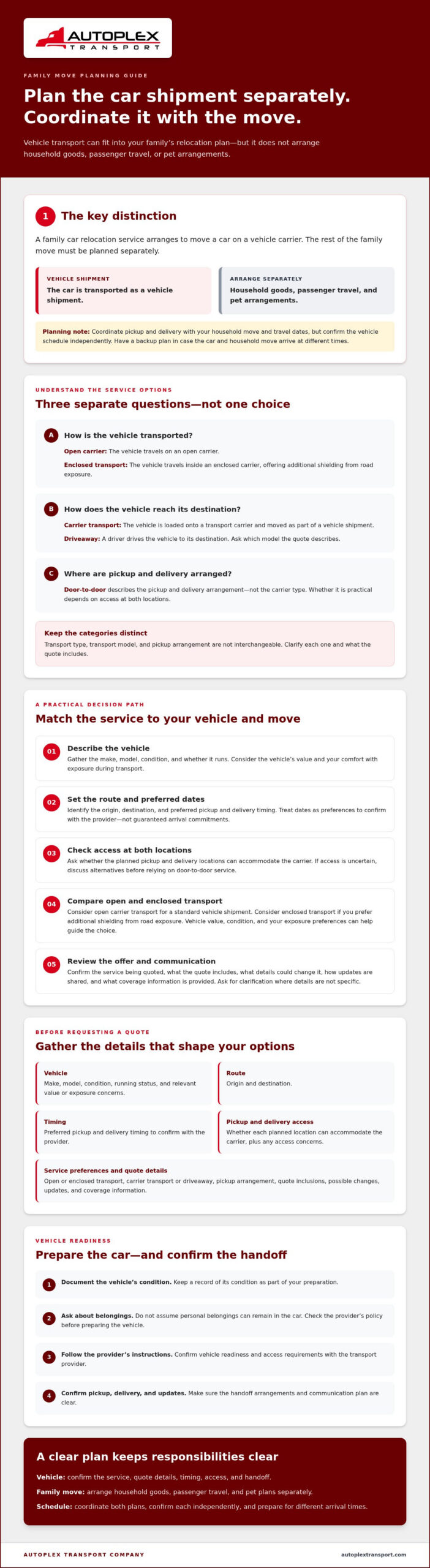
Carrier-based family vehicle relocation means arranging to transport a family’s car on a vehicle carrier during a household move, while passengers, pets, and household belongings are planned separately. The vehicle shipment can be coordinated with the wider move, but it isn’t a household moving service.
Family car relocation services can involve different transport choices. With open carrier transport, the vehicle travels on an open carrier; enclosed transport moves it inside an enclosed carrier. Door-to-door transportation describes the pickup and delivery arrangement, not a carrier type. Whether it is practical depends on access at both locations. These options are not interchangeable, so clarify which services are included in a quote and how pickup and delivery are arranged.
Carrier shipping or driveaway: which service are you comparing?
With carrier transport, the vehicle is loaded onto a transport carrier and moved as part of a vehicle shipment. A driveaway service is different: a driver drives the vehicle to its destination. When comparing providers, ask which model a quote describes rather than assuming “vehicle relocation” means the same thing everywhere. For background on brokers who arrange transport, see What is an auto transport broker?
What families should plan separately from the car shipment
The vehicle shipment doesn’t arrange the rest of your family’s move. Plan these separately:
- Household goods: Coordinate packing and transport through your household moving plans.
- Passenger travel: Decide how family members will reach the destination without relying on the transported car.
- Pet arrangements: Make a separate travel plan for pets; vehicle transport doesn’t move passengers or animals.
Don’t assume personal belongings can remain in the car. Ask the provider about its belongings policy before preparing the vehicle, then follow the instructions you receive. Keeping household goods, passengers, and pets out of the vehicle-shipping plan clarifies what the service covers and what you need to organize independently.
Coordinate the vehicle’s pickup and delivery with your household move and travel dates, but don’t treat one schedule as a substitute for the other. Confirm the transport timing and handoff arrangements with the provider. Then make a backup plan in case the car and household move reach the destination at different times. Separating responsibilities makes the overall move easier to manage.
How to Match Family Car Relocation Services to Your Move
Start with the shipment details that shape your options, rather than choosing a carrier type in isolation. Use this sequence to narrow down family car relocation services that fit your vehicle and moving plans:
- Describe the vehicle. Gather its make, model, condition, and whether it runs. Consider its value and any concerns that affect how much exposure you’re comfortable with during transport.
- Set the route and dates. Identify the origin, destination, and preferred pickup and delivery timing. Treat dates as preferences to confirm with the provider, not guaranteed arrival commitments.
- Check pickup and delivery access. Ask whether the planned locations can accommodate the carrier. If access is uncertain, discuss alternatives with the provider before relying on door-to-door service.
- Compare transport types. Consider open carrier transport for a standard vehicle shipment. Evaluate enclosed transport if you prefer additional shielding from road exposure. The vehicle’s value, condition, and your exposure preferences can help guide the decision.
- Review the offer and communication. Confirm which service is being quoted, what the quote includes, what details could change it, how updates are shared, and what coverage information is provided. Ask the provider to clarify anything that isn’t specific.
For a closer look at open carriers, see The Comprehensive Guide to Open Transport Car Shipping in 2026. If you’re weighing added shielding, Enclosed Car Transport: The Definitive Buying Guide for 2026 offers a deeper comparison. The transport descriptions alone don’t settle the decision; match the option to your vehicle and your comfort with exposure.
Choose open or enclosed transport for your family vehicle
Open carrier transport moves the vehicle on an open carrier, while enclosed transport places it inside an enclosed carrier. Enclosed transport may suit families who prefer more shielding from road exposure, especially when a vehicle’s value or condition matters to them. Compare the services available and ask how each option applies to your shipment. For military families seeking preparation guidance, PCSmyPOV shares steps for preparing a car for shipping.
Check route, timing, vehicle details, and pickup access
Be specific about where the vehicle starts and ends, when you’d prefer it picked up, and whether it’s operable. Confirm that the proposed pickup and delivery locations are workable for the carrier. Access and timing depend on the circumstances, so ask what can be arranged for your route before making plans around a particular date.
Once you’ve gathered these details, you can review AutoPlex transport options and request a quote based on your actual vehicle, route, and timing.
What to Compare Before Booking Family Car Relocation Services
A clear comparison looks beyond the headline offer to what each provider is proposing for your shipment. Use the same vehicle, route, preferred dates, and transport type when requesting quotes, then check the service terms side by side.
Quotes are comparable only when the shipment details and service terms align.
| What to compare | What to confirm |
|---|---|
| Transport type | Is the quote for open carrier or enclosed transport? |
| Pickup arrangement | What pickup and delivery arrangement is offered, and does access at both locations work for the carrier? |
| Route | Do the origin and destination match your plans? |
| Timing | Are the preferred dates and any stated timing expectations clear? |
| Quote scope | Which services are included, and what shipment details could change the quoted amount? |
| Support | How are status updates shared, and who explains schedule changes or questions? |
Compare the service and quote details, not just the headline offer
Check that each quote reflects the same vehicle, route, dates, and transport method. Ask whether the quoted amount includes the services you expect, and whether vehicle condition, access limitations, or a change in shipment details could affect it. Confirm possible additional charges, cancellation terms, and payment timing directly with the provider. These details vary, so don’t assume one company’s terms apply to another.
Ask how vehicle condition and shipment updates are handled
Before booking, ask what condition documentation is completed at pickup and delivery, and how you can review or retain it. Find out how the provider shares shipment updates and communicates schedule changes, especially if delivery needs to coordinate with family travel. Request clear information about insurance scope, limits, and claims procedures, and verify the specifics in the provider’s documents rather than relying on a general description. The FMCSA carrier regulations page is a government reference for transportation regulations, but confirm the coverage and terms applicable to your shipment directly with the provider.
A written explanation of the service, quote terms, condition records, and communication process gives your family a more dependable basis for choosing between options. If an answer is unclear, ask for clarification before committing.
How to Prepare Your Family Car for Relocation
Preparing ahead gives you a clear record of the vehicle’s condition and helps avoid last-minute questions at pickup. Use this checklist, then follow the assigned provider’s specific instructions. Preparation steps can vary, so don’t assume requirements for one shipment apply to another.
Prepare and document the vehicle before pickup
- Record its condition. Photograph the exterior and interior from several angles, including existing marks or damage. Keep the images with your move documents so you can refer to them at delivery.
- Remove personal belongings. Take out household items and valuables unless the provider has explicitly confirmed its belongings policy and requirements. Don’t treat the car as extra moving space without checking first.
- Confirm readiness and access. Make sure the vehicle can be reached for handoff, and tell the provider in advance about mechanical issues or if it’s inoperable. Ask for instructions about keys, fuel level, alarms, and any access needed to move the car. Follow those instructions rather than relying on a general checklist.
For more detailed preparation guidance, consult How to Prepare a Car for Transport: The 2026 Essential Checklist. If you’re using family car relocation services, ask the provider which preparation steps apply to your specific vehicle and shipment.
Coordinate pickup and delivery around the household move
Choose a pickup contact and a backup family contact who can be present or reached if plans shift. Confirm each person’s responsibilities and make sure they know how to contact the provider. Don’t build your travel schedule around an assumed arrival time; ask what timing information is available and how changes will be communicated.
- Keep travel essentials with the family. Pack documents, medications, chargers, children’s necessities, and other items you’ll need during the move with your household, not in the shipped vehicle.
- Plan for both handoffs. Arrange who can meet the vehicle at pickup and delivery, and confirm access details with the provider ahead of time.
- Review the vehicle at delivery. Compare its condition with your photos and any condition record completed at pickup. Document concerns promptly and ask the provider how to report them.
A little coordination can make vehicle handoffs easier to manage alongside family travel and household moving plans. Once you’ve gathered the vehicle details and confirmed your preparation questions, request a vehicle transport quote based on your shipment needs.
Book Family Car Relocation Services With a Clear Plan
A focused quote request gives the provider the details needed to consider your shipment and helps you assess whether the proposed service fits your family’s move. Before contacting a provider, gather the vehicle information, route, preferred dates, condition, and transport preference. This helps you discuss family car relocation services without leaving key planning questions until later.
What information to have ready for a transport quote
Prepare accurate details about the vehicle and both handoff locations. Share whether the car runs, note any condition or handling considerations, and give your preferred timeframe. If you prefer open or enclosed transport, say so, but ask whether another option may suit the vehicle or route.
- Vehicle: Make, model, condition, and operability.
- Route: Pickup and delivery locations, plus any access considerations.
- Timing: Preferred pickup dates and how they fit with family travel and the household move.
- Service preference: Open carrier, enclosed transport, or door-to-door service, with access confirmed for the locations.
AutoPlex offers nationwide, interstate, open carrier, enclosed, and door-to-door transportation options to discuss for a vehicle move. Each describes a different part of the shipment, so be specific about the service you’re asking about and confirm the proposed arrangement for your route.
Request a vehicle-specific transport quote using your route, preferred dates, vehicle condition, and service preference.
Set realistic expectations before confirming transport
After receiving a quote, review it in writing and check that it reflects the vehicle, route, timing, and service discussed. Ask what is included, which details could change the quoted amount, and what transport arrangements are proposed. Don’t treat a preferred date as confirmed until the provider has clarified the timing and you understand the terms.
Before proceeding, ask who will coordinate updates and whom to contact if your family’s plans or shipment details change. Confirm the agreed service and handoff arrangements with the provider. This creates a clear sequence: provide accurate details, review the written quote, resolve questions, and proceed once you understand the transport terms. Keep those arrangements alongside your household moving and travel plans, while treating the vehicle shipment as a separate part of the move.
Plan Your Family’s Vehicle Move With Confidence
A smoother car move starts with treating vehicle transport as a separate part of the household relocation. Match the service to your vehicle, route, timing, and pickup access, then compare quotes only when the shipment details and terms align. Preparing the car and confirming who will coordinate each handoff can help connect the vehicle plan to family travel without confusing the two schedules.
Family car relocation services can include different transport choices, and the right fit depends on your needs. AutoPlex provides nationwide vehicle transportation across the United States, with open carrier, enclosed, door-to-door, and interstate options to discuss for your shipment. Share your vehicle details, route, preferred dates, and service preference so the quote can reflect your plans.
Ready to discuss the next step? Request a vehicle transport quote for your family’s move. With clear details and a confirmed plan, you can move forward with greater confidence and keep your family’s relocation organized.
Frequently Asked Questions
What are family car relocation services?
Family car relocation services arrange transport for a family’s vehicle as part of a household move. The car is shipped separately from household goods, passenger travel, and pet arrangements. AutoPlex Transport Company offers nationwide vehicle transportation, including open carrier, enclosed, door-to-door, and interstate options. The right option depends on the vehicle, route, timing, and pickup and delivery circumstances, so share those details when requesting a quote.
Is carrier shipping or driveaway better for relocating a family car?
Carrier shipping moves a vehicle on a transport carrier, while driveaway means a driver drives the vehicle to its destination. The better fit depends on your preferences and the services available from the provider you’re considering. AutoPlex offers carrier transport options, including open carrier and enclosed transport. If you’re comparing different transport models, confirm what each service includes and how the vehicle will be moved before deciding.
Can I ship more than one family car during a move?
Ask a provider whether it can arrange transport for more than one vehicle as part of your move. Share the make, model, condition, operability, route, and preferred dates for each car, since vehicles may have different requirements. Ask whether the quote covers all vehicles and whether transport arrangements will be coordinated together or separately. Confirm the details in writing before making plans around pickup or delivery.
How much does it cost to relocate a family car?
The cost depends on shipment details, including distance, vehicle type, and transport method, such as open or enclosed carrier. Vehicle condition and pickup or delivery circumstances may also affect planning, so provide accurate information when requesting a quote. A reliable price requires those specifics. Compare quotes using the same vehicle, route, timing, and service, and confirm what each quote includes.
What happens if my family is not available at pickup or delivery?
Contact the provider before booking if no family member can attend a handoff. Ask whether an authorized representative may be present, what that person needs to do, and how to arrange access to the vehicle. Confirm the process for both pickup and delivery rather than assuming someone else can accept the car. Make sure the agreed contact details and arrangements are clear before coordinating family travel.
Should I remove personal belongings before shipping a family car?
Yes, remove personal belongings unless the provider explicitly confirms its policy and requirements for items left in the vehicle. Don’t assume household goods, valuables, or family travel essentials can be shipped inside the car. Ask about the belongings policy before pickup, then pack anything you’ll need during the move with your household. This keeps the vehicle shipment separate from plans for transporting passengers, pets, and household items.
How do I prepare a family car for transport?
Start by photographing the vehicle’s interior and exterior, noting existing damage or marks. Remove personal items, make sure the car is accessible, and tell the provider about any mechanical or operability issues. Follow the provider’s specific instructions for keys, fuel, alarms, and vehicle access. Ask how the vehicle’s condition will be documented at handoff, and keep your photos available to compare with the condition record at delivery.
Ready to arrange transport for your family’s vehicle? Request a vehicle-specific quote from AutoPlex with your route, preferred dates, vehicle details, and transport preference.