
The “average cost” you see on a search engine is almost certainly not the price you’ll actually pay. It’s frustrating to plan a move only to be met with hidden surcharges or bait-and-switch pricing that makes your budget feel like a moving target. You’re likely searching for the average cost to ship a car because you want a predictable price point and the peace of mind that your vehicle will arrive safely. We understand that the distinction between brokers and carriers can be confusing, and the fear of transit damage is a valid concern for any vehicle owner in the current market.
In this guide, you’ll discover the real-world variables that determine vehicle shipping rates and learn how to secure a reliable, professional quote for your next move. We’ll provide a methodical look at how logistics experts calculate fees based on equipment type, route density, and protection requirements. You’ll also learn how to verify carrier insurance and what to expect during a standard door-to-door delivery timeline. By the end of this article, you’ll have the knowledge needed to partner with a reputable transporter and avoid the common pitfalls of the industry.
Key Takeaways
- Understand why the average cost to ship a car is a baseline rather than a fixed price, influenced heavily by your specific vehicle’s dimensions and weight.
- Evaluate the financial and protective differences between open carrier car transportation and premium enclosed transport services to choose the right fit for your asset.
- Learn how logistics experts calculate rates based on route density, distinguishing between cost-effective major metro paths and higher-priced rural deliveries.
- Identify how seasonal shifts, such as the “Snowbird” effect, and 2026 market trends can impact carrier availability and your final shipping timeline.
- Discover the essential documentation and details required to secure a transparent, professional quote while avoiding the pitfalls of instant price generators.
Defining the Average Cost to Ship a Car in 2026
Understanding the average cost to ship a car in 2026 requires looking beyond a single dollar amount. While industry data suggests a standard range for nationwide moves, these figures often fluctuate based on equipment availability and regional demand. A professional logistics provider doesn’t just guess a number; they calculate a base rate using specific variables like vehicle weight, total distance, and the chosen transport method. It’s essential to recognize that an “average” price for a compact sedan won’t reflect the logistics required for a full-sized SUV or a classic vehicle requiring specialized care.
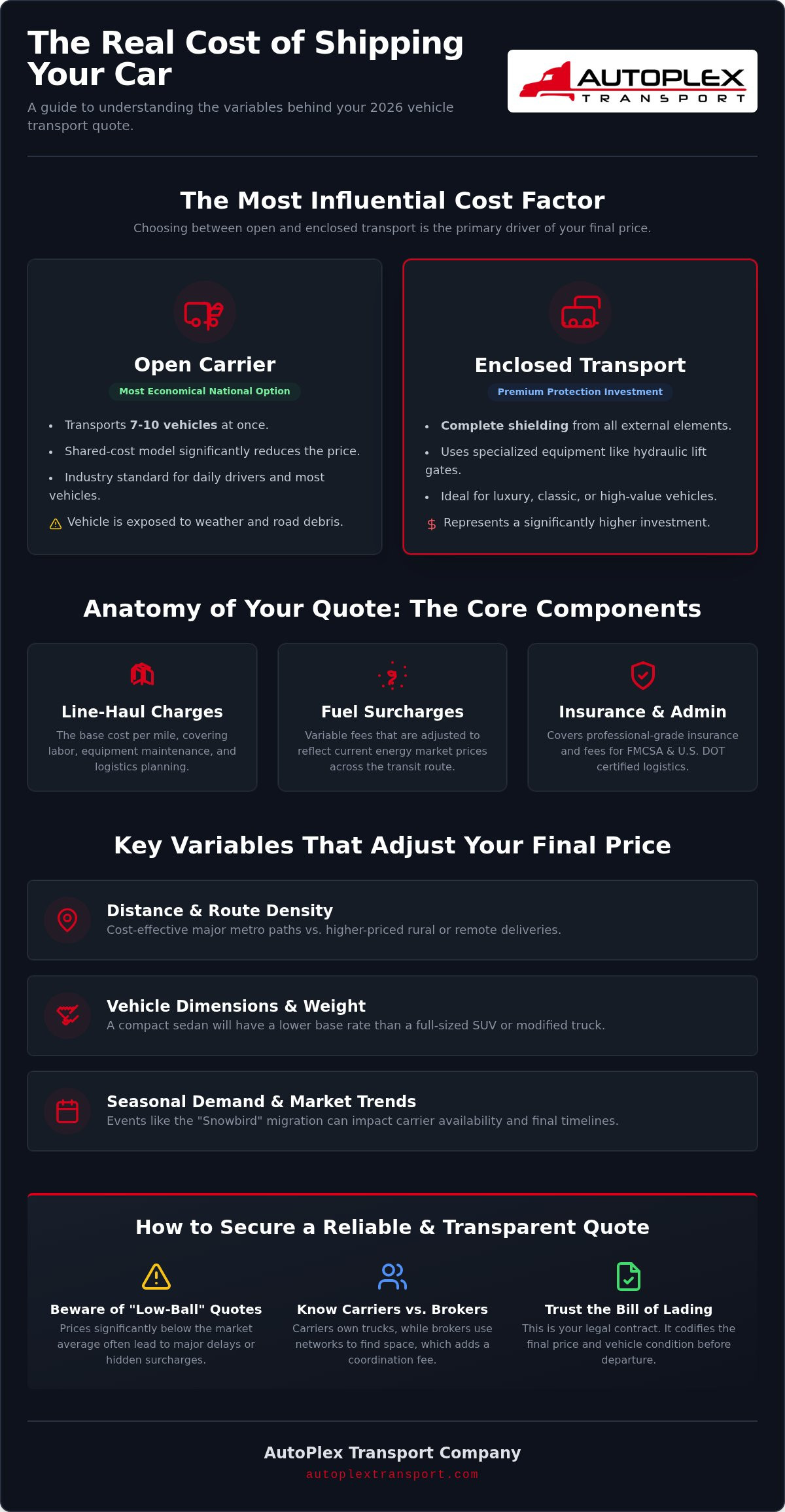
The Bill of Lading serves as the definitive document in this process. It isn’t just a receipt; it’s a legal contract that details the vehicle’s condition and the final agreed-upon price. Before the carrier departs, this document ensures both parties are aligned on the total cost, protecting you from unexpected fees at the destination. By codifying the terms of the shipment, it provides a layer of security for your valuable asset and ensures the average cost to ship a car remains a predictable figure rather than a fluctuating estimate.
The Core Components of Your Shipping Fee
Three primary factors drive the majority of your estimate. These components ensure the carrier can operate safely and efficiently while maintaining high service standards:
- Line-haul charges: This is the fundamental cost of moving the transport truck per mile. It covers labor, equipment maintenance, and the logistical planning required for interstate vehicle transportation.
- Fuel surcharges: In 2026, interstate rates remain sensitive to energy market shifts. Surcharges are adjusted to reflect current fuel prices, ensuring that the carrier can maintain their schedule without compromising safety.
- Insurance and administrative fees: These costs support FMCSA and U.S. DOT certified logistics. They cover the professional-grade insurance required to protect your vehicle during nationwide transportation services.
Why Quotes Vary Between Companies
You’ll often notice price discrepancies when comparing quotes from different providers. This variation usually stems from the difference between carrier-direct pricing and brokerage fees. While carriers own the trucks, brokers utilize networks to find available space, which adds a coordination fee to the total. Modern dispatching technology also influences these rates by monitoring real-time market demand to provide current pricing. Be cautious of “low-ball” quotes that seem significantly below the market average. These often lead to delays or hidden surcharges, as reputable carriers won’t accept a load that doesn’t cover their basic operating costs. Choosing a partner that prioritizes transparency over the lowest possible number ensures a more reliable experience.
Primary Cost Drivers: Open vs. Enclosed Carriers
Deciding between open and enclosed carriers is the most influential factor when calculating the average cost to ship a car. While both methods adhere to strict safety protocols, they cater to different protection requirements and financial considerations. Open carrier car transportation serves as the industry standard for daily drivers, offering a balance of reliability and affordability for the majority of nationwide moves. The choice ultimately hinges on your vehicle’s value and your personal tolerance for environmental exposure during transit.
Open Carrier: The Most Economical National Option
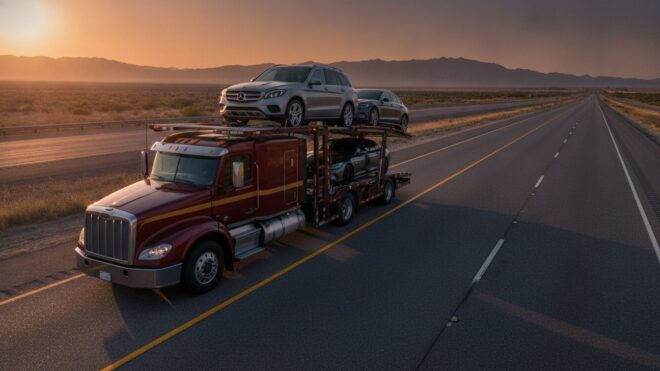
The primary reason open transport remains the most economical national option is the use of multi-car trailers. These trailers can typically hold seven to ten vehicles at once, which allows the carrier to distribute the high costs of fuel and labor across several clients. This shared-cost model significantly reduces the individual price point for interstate vehicle transportation. While your car is exposed to road debris and weather conditions, the risk of damage remains statistically low. For those prioritizing budget without sacrificing professional oversight, exploring open transport car shipping in 2026 provides a clear path to a successful move.
Enclosed Transport: Investing in Maximum Protection
Enclosed transport services represent a higher investment because they utilize specialized equipment designed for maximum security. These trailers feature solid walls or heavy-duty curtains that shield vehicles from every external element, including dust, rain, and gravel. Carriers often use hydraulic lift gates to keep vehicles level during loading, which is a critical feature for low-clearance sports cars. This service is essential for high-value assets, luxury models, or classic cars where even a minor paint chip could lead to a significant loss in value. If you’re moving a vehicle that requires this level of climate-controlled or physical protection, our enclosed car transport buying guide can help you evaluate the necessary specifications.
Determining the best ROI for your vehicle depends on its replacement value and your specific protection needs. A standard sedan usually doesn’t justify the added expense of an enclosed trailer, as the cost of potential minor detailing is often lower than the transport premium. Conversely, the peace of mind offered by enclosed shipping for a rare collectible is invaluable. You can easily compare these options by requesting a detailed quote for nationwide transportation services to see which logistics plan aligns with your priorities.
The Impact of Distance, Route, and Vehicle Type
Distance is often the first variable people consider when calculating the average cost to ship a car, but the relationship isn’t strictly linear. While a longer journey naturally costs more in total, the price-per-mile typically decreases as the distance increases. This occurs because the fixed logistical costs, such as the time spent loading and securing the vehicle, are spread across more miles. A cross-country move might offer a lower rate per mile than a short interstate trip of 300 miles, making long-distance transport more cost-effective on a per-unit basis.
The choice between terminal shipping and Door 2 Door Transportation also significantly impacts both your experience and final pricing. While some budget providers suggest terminal shipping, it often introduces hidden storage fees and the logistical headache of traveling to a remote lot. Professional nationwide transportation services generally prioritize door-to-door delivery because it offers a predictable timeline and minimizes the number of times your vehicle is handled. This direct approach ensures a higher level of safety and convenience for the owner.
Route Density and Interstate Logistics
Popular interstate corridors, such as the I-95 on the East Coast or the I-10 across the South, benefit from high route density. Carriers can fill their trailers quickly on these high-traffic paths, which leads to more competitive pricing for customers. Conversely, rural deliveries often involve “deadhead” miles. This term refers to the distance a carrier must drive with an empty trailer to reach a remote pickup or delivery point. Because the carrier isn’t earning revenue during those miles, the additional fuel and time costs are reflected in the final quote.
Vehicle Specifications and Trailer Space
A vehicle’s Gross Vehicle Weight Rating (GVWR) and its physical dimensions are critical to the quoting process. Larger vehicles like full-sized SUVs or heavy-duty trucks occupy more vertical or horizontal space on a trailer, which increases the average cost to ship a car. This is particularly relevant for electric vehicles (EVs) in 2026. Due to heavy battery packs, EVs often weigh significantly more than their internal combustion counterparts, requiring carriers to manage their total load weight more carefully to stay within legal DOT limits.
Modifications also play a significant role in logistical planning. If you’ve added a lift kit, oversized tires, or a permanent roof rack, your vehicle may require specialized space or even a different type of trailer. Similarly, inoperable vehicles that can’t move under their own power require a winch for loading and unloading. This specialized equipment and the extra labor involved add a specific handling fee to your estimate. Providing accurate specifications during the initial inquiry ensures your price remains stable and your move stays on schedule.
Seasonal Fluctuations and 2026 Market Factors
Timing plays a critical role in determining the average cost to ship a car, as the industry follows predictable seasonal cycles. The “Snowbird” effect remains a dominant force in 2026, where seasonal migration from northern states to warmer southern climates creates a massive spike in regional demand. During these windows, carrier space on south-bound routes becomes a premium commodity, leading to higher rates. Conversely, north-bound routes during the same period often see a price dip as carriers look to fill empty trailers for their return journeys.
Weather-related delays also influence carrier availability and safety protocols. Winter storms in the Midwest or the Rockies can shut down major interstate corridors for days, creating a logistical backlog. When capacity tightens like this, the market rate naturally rises to reflect the increased difficulty of the route. If you have an urgent interstate move, expedited shipping is an option, though it requires a significant premium to prioritize your vehicle over others on a pre-planned route.
Timing Your Shipment for Better Rates
Peak summer months typically see the highest volume of vehicle moves, which often results in higher costs across the board. If your schedule allows, aiming for the late-year pricing dip in October or November can lead to more favorable estimates. Flexibility in your pickup and delivery windows is perhaps the most effective way to save hundreds of dollars. By giving a carrier a five-day window instead of a specific date, you allow them to optimize their route more efficiently. Before you book, ensure you’ve followed our 2026 essential checklist to avoid any on-site delays that could incur extra fees.
2026 Economic Trends in Auto Shipping
The current economic landscape in 2026 presents unique challenges for logistics companies. Diesel prices remain a volatile component of carrier overhead, directly impacting the fuel surcharges added to your base rate. Additionally, a tightened labor market for vetted, FMCSA-compliant drivers has increased operational costs for nationwide transportation services. The market rate is essentially a real-time reflection of current demand against the available supply of safe, qualified carriers. To navigate these fluctuations and secure a predictable price, we recommend requesting a quote for Interstate Vehicle Transportation well in advance of your move date.
How to Secure a Reliable Auto Transport Quote
Securing a quote is about more than just finding the lowest number; it’s about establishing a roadmap for a successful, damage-free move. To get a precise estimate rather than a vague average cost to ship a car, you must provide comprehensive details about your vehicle. This includes the exact year, make, and model, along with any modifications like roof racks or lowered suspensions that might affect trailer clearance. Providing accurate ZIP codes for both the origin and destination allows logistics experts to account for local accessibility and route density from the start.
Transparency in communication is the hallmark of a top-tier carrier. Be wary of “instant” online price generators that don’t ask for specific vehicle details or operational status. These tools often provide low-ball estimates designed to capture your contact information, only to reveal hidden surcharges later. A professional company will prioritize a methodical consultation to ensure the quote reflects real-market conditions. Most importantly, always verify a provider’s credentials through the Federal Motor Carrier Safety Administration (FMCSA) and ensure they hold active U.S. DOT certifications. This step confirms you’re partnering with a legitimate entity that adheres to federal safety and insurance regulations.
Comparing Quotes: Beyond the Bottom Line
When you evaluate multiple estimates, look closely at what is actually included in the price. A reliable quote should be inclusive, covering the following elements to prevent “sticker shock” at delivery:
- Inclusive pricing: Ensure the quote covers all fuel surcharges, tolls, and administrative fees.
- Insurance limits: Verify the carrier’s cargo insurance limits and ask about your deductible responsibilities in the unlikely event of transit damage.
- Carrier vetting: Choose professional auto transport services that have a proven history of managing Nationwide Transportation Services with high safety ratings.
Finalizing Your Interstate Shipping Order
Once you’ve selected a partner, the move enters the booking and dispatching phase. During this time, a senior transport coordinator will oversee the logistics, matching your vehicle with a carrier that fits your specific timeline and equipment needs. This coordinator serves as your primary point of contact, providing updates as the truck is assigned and the pickup is scheduled. This methodical approach ensures that Door 2 Door Transportation remains a seamless experience rather than a source of stress. To get started with a transparent estimate based on current market data, Request a professional quote from AutoPlex Transport today.
Planning Your Successful Vehicle Move
Handling the logistics of interstate transport doesn’t have to be a source of uncertainty. By understanding that the average cost to ship a car is influenced by specific factors like equipment type, route density, and seasonal demand, you can make informed decisions that protect both your asset and your budget. Whether you prioritize the cost efficiency of open carrier transportation or the maximum protection of enclosed transport services, choosing FMCSA and U.S. DOT certified providers ensures your vehicle is in safe hands. Clear communication and a methodical approach to logistics will lead to a more predictable and secure delivery experience.
We’re committed to being your reliable partner, providing the transparency and professional oversight required for a seamless nationwide move. Get Your Reliable Vehicle Shipping Quote from AutoPlex Transport today and experience the peace of mind that comes with professional nationwide door-to-door service. We look forward to helping you move forward with confidence and care.
Frequently Asked Questions
What is the average cost to ship a car cross-country in 2026?
The average cost to ship a car cross-country is determined by current market demand and specific logistics requirements. Factors like total mileage, fuel surcharges, and chosen equipment type create a unique price point for every move. While industry averages provide a baseline, your final quote reflects real-time equipment availability on your specific route. It’s best to consult with a logistics expert who can provide a transparent breakdown of these variables before you book.
Is open carrier transport safe for my daily driver?
Open carrier car transportation is the most common and safest method for daily drivers. It’s the same system used by manufacturers to deliver new vehicles to dealerships across the country. While your car is exposed to weather and road debris, the statistical risk of transit damage remains exceptionally low. All professional carriers must maintain FMCSA compliance and carry cargo insurance, providing a secure environment for your vehicle during nationwide transportation services.
How much more does enclosed car shipping cost compared to open?
Enclosed transport services typically require a higher investment than open carriers due to the specialized equipment involved. These trailers feature hard-sided protection and hydraulic lift gates that ensure a level loading process for low-clearance vehicles. Because enclosed trailers have a smaller carrying capacity, the operational costs are shared among fewer vehicles. This premium service is ideal for high-value assets where shielding the car from all external elements is the top priority.
Does the size of my vehicle affect the shipping price?
Vehicle dimensions and the Gross Vehicle Weight Rating (GVWR) directly influence your shipping quote. Larger vehicles like full-sized SUVs or heavy-duty trucks occupy more vertical and horizontal space on a trailer, which limits the total number of cars a carrier can transport. Additionally, heavier vehicles impact the truck’s fuel efficiency and must be carefully balanced to meet U.S. DOT weight regulations. Providing accurate specifications ensures your quote remains stable throughout the process.
Are there hidden fees in car shipping quotes?
Reputable logistics companies prioritize transparent pricing, but “low-ball” quotes from some providers often hide surcharges that inflate the average cost to ship a car. These hidden fees might include unexpected fuel adjustments, residential delivery surcharges, or insurance processing costs. To avoid these pitfalls, ensure your quote is inclusive and documented on the Bill of Lading. A professional quote should account for all administrative and logistical expenses upfront, allowing you to plan your budget with confidence.
How long does interstate vehicle transportation usually take?
The timeline for interstate vehicle transportation depends on the total distance and route density. For a cross-country move of roughly 2,500 miles, you can generally expect a delivery window of seven to ten days once the vehicle is dispatched. Shorter regional moves might take only three to five days. Factors like weather patterns and mandatory driver rest periods mandated by the DOT also play a role in the final delivery schedule for your vehicle.
Is my car insured while it is on the transport truck?
Your vehicle is covered by cargo insurance while it is in the care of a professional carrier. FMCSA regulations require all interstate transporters to maintain minimum insurance levels to protect against transit damage. It’s standard practice to perform a thorough inspection during pickup and delivery, documenting the vehicle’s condition on the Bill of Lading. You should always ask your transport coordinator for a copy of the carrier’s insurance certificate to verify the specific coverage limits.
Can I ship personal items inside my car to save money?
Shipping personal items inside your vehicle is generally discouraged because carriers aren’t licensed to transport household goods. Most transporters allow a small amount of weight, typically under 100 pounds, to be stored in the trunk or below the window line. However, these items aren’t covered by the carrier’s cargo insurance. Items left inside can also shift during transit, potentially causing damage to your car’s interior or exceeding the trailer’s legal weight limits.