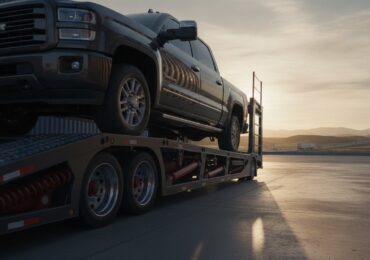
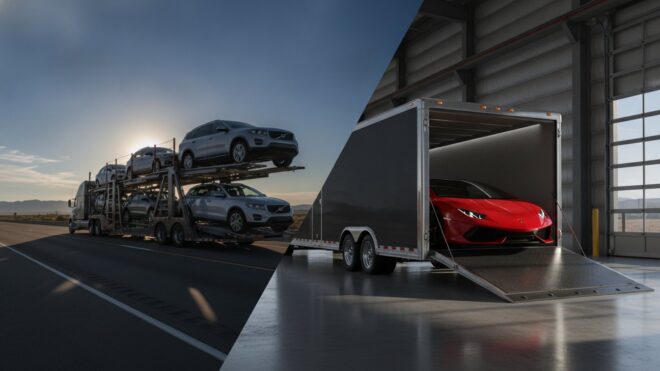
Choosing the cheapest shipping option for a high-value vehicle isn’t just a budget decision; it’s often a direct gamble with your car’s future resale value. You probably already know that moving a vehicle across the country involves certain risks, from unpredictable weather patterns to the physical debris found on national highways. It’s natural to feel a sense of anxiety about potential rock chips or how a low-clearance sports car will handle the steep angle of a loading ramp. We understand that your vehicle is more than just a machine; it’s a significant asset that requires a stable and experienced hand to manage.
This 2026 guide clarifies the open vs enclosed car transport debate by focusing on the actual return on investment for your specific vehicle. You’ll discover the critical differences between these shipping methods so you can choose the one that best preserves your car’s condition and equity. We’ll provide a methodical look at the logistical realities of national transport, including the truth about insurance coverage limits and the specialized equipment used to protect exotic models. By the end of this article, you’ll have the confidence to make a decision that ensures your vehicle arrives at its destination in showroom condition.
Key Takeaways
- Understand the fundamental differences in open vs enclosed car transport to determine which method aligns with your vehicle’s specific protection needs and your overall budget.
- Learn why open carrier transport remains the national industry standard for efficiency, accounting for the vast majority of vehicle moves while adhering to rigorous 2026 DOT safety standards.
- Identify the “Equity Protection Gap” to calculate if the premium for enclosed shipping is a necessary investment for preserving the resale value of high-end or classic vehicles.
- Discover how specialized equipment in enclosed trailers, such as hydraulic lift gates, provides essential safety for low-clearance vehicles and delicate paint finishes.
- Gain clarity on how to navigate the national shipping process with transparent, all-inclusive quotes that prioritize both safety and logistical reliability.
The Fundamental Choice: Open vs. Enclosed Car Transport Explained
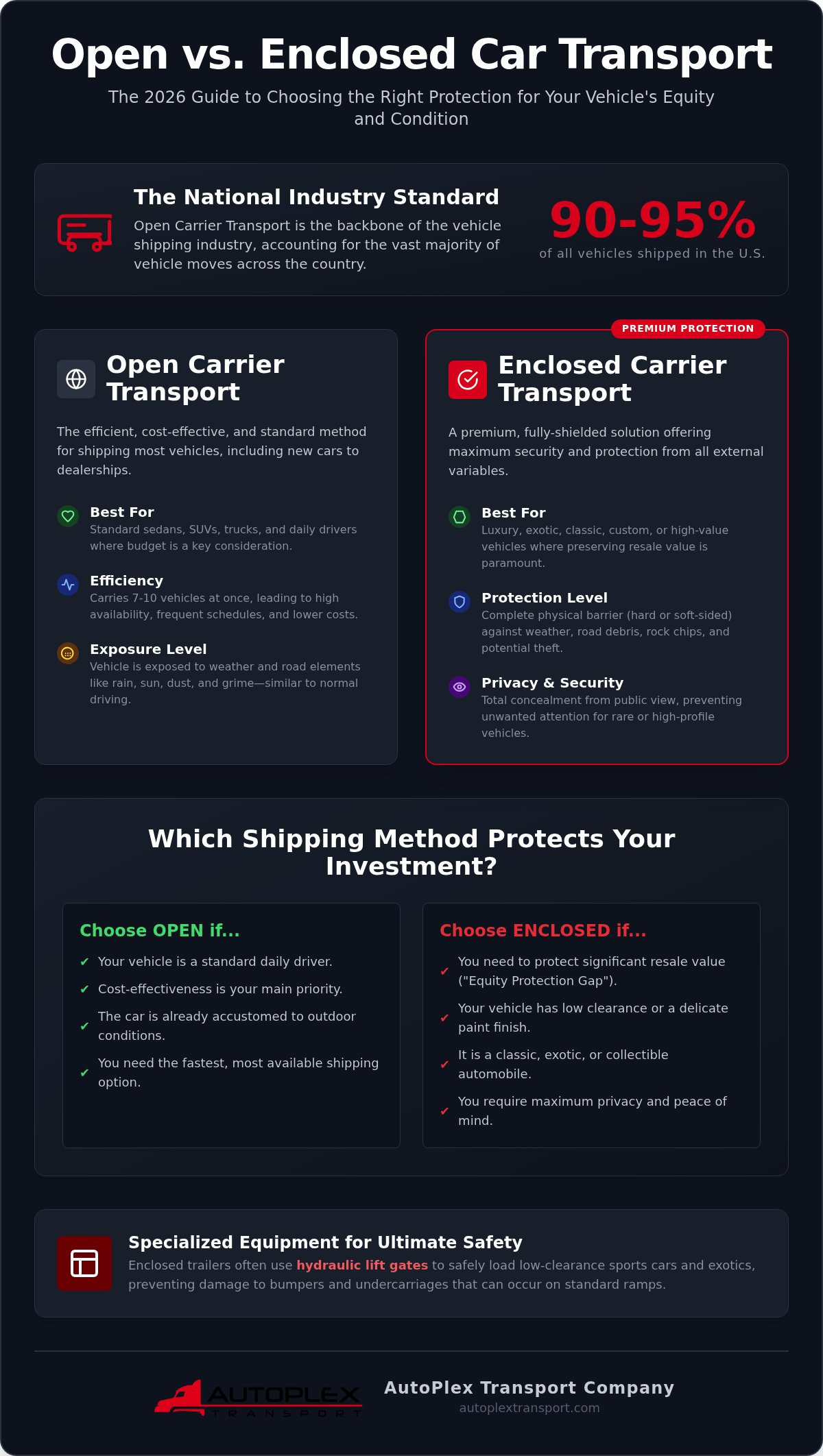
The decision regarding open vs enclosed car transport often feels like a choice between budget and safety, but the reality is more nuanced. Open carrier transport serves as the backbone of the national vehicle movement industry, moving approximately 90% to 95% of all vehicles in the United States. It’s the standard method used by manufacturers to deliver new cars to dealerships. On the other hand, enclosed car transport offers a premium, climate-shielded logistics solution designed to protect the vehicle from every external variable.
Many owners worry that choosing an open carrier is inherently “risky,” but this is a common misconception. Modern carriers follow strict safety protocols, and the risk of damage is statistically very low. Instead of viewing it as a gamble, owners should see the choice as a strategic calculation of their vehicle’s equity and their own tolerance for environmental exposure. In 2026, protecting your vehicle’s value requires understanding which logistics method aligns with your car’s specific vulnerabilities and your long-term resale goals.
How Open Carriers Work for Daily Drivers
Multi-car open trailers are the workhorses of the interstate highways. These trailers typically carry seven to ten vehicles at once, making them the most efficient option for high-volume national routes. By consolidating multiple shipments on a single trailer, carriers can offer competitive rates while maintaining consistent schedules across the country.
In 2026, “road wear” on an open carrier typically refers to minor environmental exposure rather than structural damage. Your car will be exposed to certain elements during transit:
- Natural precipitation like rain or snow
- Sunlight and UV exposure
- Road dust and grime from the highway
- Occasional small debris kicked up by other vehicles
For a daily driver that already spends time in a driveway or parking lot, this level of exposure is identical to what the car experiences during a normal week of commuting. It’s a practical choice for standard sedans, SUVs, and trucks where the cost of a premium shield doesn’t necessarily translate into a higher resale value.
The Enclosed Shield for High-Value Assets
Enclosed trailers provide a physical barrier against the outside world. These units come in two primary configurations: hard-sided and soft-sided. Hard-sided trailers use solid metal or fiberglass walls to offer maximum protection from debris and weather. Soft-sided trailers use heavy-duty vinyl curtains; they provide excellent protection from the elements while allowing more flexibility during the loading process for cars with unique dimensions.
Beyond the physical shield, enclosed transport offers a psychological benefit. Total concealment means your vehicle is hidden from public view, which is a significant advantage for high-profile owners or those transporting rare collectibles. This privacy ensures that the vehicle doesn’t attract unwanted attention at truck stops or during rest periods. It’s a comprehensive approach to security that treats the car as a high-value asset rather than just a piece of cargo. When you’re moving a vehicle with a sensitive paint finish or a custom interior, the peace of mind provided by a fully enclosed environment is often worth the additional logistical effort.
Evaluating Open Carrier Transport: Efficiency and Industry Standards
When weighing the choice of open vs enclosed car transport, it’s important to recognize that open carrier transport dominates the market for a simple reason: it works. Approximately 90% to 95% of all vehicles moved across the United States travel on these multi-car trailers. This method isn’t just about saving money; it’s a highly optimized system built for speed and reliability. By utilizing trailers that hold up to ten vehicles, the industry maximizes logistical efficiency. This high capacity also offers a distinct environmental benefit, as moving more cars per trip significantly reduces the carbon footprint per vehicle compared to smaller, specialized loads.
Modern open transport in 2026 adheres to rigorous DOT safety standards that have been updated to ensure maximum structural integrity and operator accountability. Professional carriers use advanced tie-down methods, typically utilizing heavy-duty nylon wheel straps rather than chains attached to the frame. This approach is vital because it prevents unnecessary structural stress and protects the vehicle’s suspension system during long-distance hauls across varying road conditions.
Cost-Effectiveness and Scheduling Flexibility
Because open carriers are so prevalent, they offer significantly more scheduling flexibility than their enclosed counterparts. You’ll often find much faster pickup windows because there’s almost always a trailer moving along major national corridors. The lower price point isn’t a sign of lower quality but a direct result of trailer capacity. Sharing the space with other vehicles allows the carrier to distribute the operational costs across the entire load. If you’re looking for a deep dive into the specifics of this method, our open transport car shipping guide provides a detailed breakdown of what you can expect during the process.
Standard Safety Protocols for Open Carriers
Safety in the open transport sector has evolved alongside vehicle technology. Many modern trailers are now equipped with stone-guard technologies to shield front-facing vehicles from road debris. Drivers also utilize top-deck placement strategies when possible; this keeps the car away from potential fluid leaks from vehicles above and further reduces the risk of road-level debris hitting the bodywork.
Documentation remains a cornerstone of the open vs enclosed car transport decision. The Bill of Lading serves as a critical legal record, detailing the vehicle’s exact condition at the point of national pickup and again at delivery. Most open carriers maintain cargo insurance ranging from $100,000 to $250,000 per shipment, providing a solid baseline of security for standard daily drivers. If you’re ready to see how these standards apply to your specific move, you can easily request a transparent national quote from our experienced team.
The Mechanics of Enclosed Shipping: Beyond Just Four Walls
Enclosed transport is often simplified as just a “box on wheels,” but the technical sophistication of these trailers is what truly justifies the investment for high-value assets. When comparing open vs enclosed car transport, the mechanical differences in loading and environment management are profound. In the 2026 national market, “white glove” handling isn’t just a marketing term; it refers to a set of specific logistical protocols designed to eliminate even the smallest risks, such as fluid leaks from upper-tier vehicles. Professional enclosed carriers use specialized drip pans and floor-mounted securement systems that ensure a pristine environment for every car on board. This level of detail is essential for preserving the integrity of vintage paint and delicate leather interiors that could be compromised by environmental contaminants or road grime.
Specialized Loading: Hydraulic Lift-Gates vs. Ramps
One of the most critical technical advantages of choosing enclosed car transport is the method of ingress. While open carriers rely on long ramps that create steep approach angles, premium enclosed trailers utilize hydraulic lift-gates. These gates keep the vehicle perfectly horizontal throughout the entire loading process. This is mandatory for exotic cars, supercars, and custom builds with extremely low ground clearance. By eliminating the steep incline of traditional ramps, we prevent undercarriage scrapes and bumper damage that can occur when the physics of a ramp angle meet a low-slung chassis. It’s a methodical approach that prioritizes the structural safety of the vehicle over loading speed.
Debris Shielding and Climate Control
Hard-sided enclosed trailers act as a fortress against the external environment. Beyond simple privacy, these structures provide a complete seal against road salt, hail, and high-velocity highway debris. This shielding is particularly beneficial for non-running project cars or vehicles with sensitive electrical systems that shouldn’t be exposed to moisture. Because the interior environment remains stable, the risk of “weather checking” on older paint finishes is virtually eliminated. This is why enclosed shipping has become the definitive standard for classic car transport. Whether you’re moving a museum-grade collectible or a modern performance machine, the mechanics of the trailer work in unison to maintain the vehicle in exactly the same condition it was in when it left your driveway.
Decision Framework: Which Shipping Method Protects Your Investment?
Deciding on open vs enclosed car transport requires a shift from viewing shipping as a simple expense to viewing it as a strategic investment in your vehicle’s equity. Industry data indicates that enclosed transport typically carries a 30% to 60% premium over open carrier rates. We call this the “Equity Protection Gap.” For many owners, this premium is a calculated insurance policy against the environmental variables of a 2,000+ mile cross-country journey. Long-distance hauls significantly increase the exposure window; every extra day on the road is another day your vehicle’s finish faces highway debris and UV exposure. Seasonality also plays a major role. If you are shipping during the peak moving season from May to September, you’re not just facing higher market demand; you’re also moving through the “hail belt” during the most volatile weather months of the year.
The ROI of Protection: Preserving Resale Value
The return on investment for enclosed shipping often manifests the moment you attempt to sell or trade in your vehicle. A single significant rock chip on a hood or a scratched door from road debris can impact a high-end vehicle’s resale value by $1,000 or more. For lease returns, “showroom condition” is often a contractual requirement to avoid heavy wear-and-tear penalties. By opting for a climate-shielded environment, you’re effectively pre-paying for the car’s future value. Many of our clients find that enclosed shipping pays for itself simply by avoiding the intensive paint correction and detailing costs often required after a long-distance open-air trip.
Assessing Your Vehicle’s Exposure Risk
To determine if the extra protection is necessary for your specific situation, we recommend a methodical 3-point checklist. If your vehicle meets any of these criteria, the specialized handling of an enclosed carrier is the logical choice:
- Asset Value: Is the vehicle valued over $50,000? Most industry experts suggest that vehicles crossing this threshold deserve the higher cargo insurance limits (often $250,000 to $1,000,000+) provided by enclosed carriers.
- Physical Vulnerability: Does the car have less than five inches of ground clearance or a sensitive matte or custom paint finish?
- Operational Status: Is this a non-running classic or a delicate vintage model with an exposed interior?
In 2026, even some “daily luxury” drivers, such as high-trim electric SUVs, are better suited for enclosed transport due to their complex sensor arrays and expensive glass roofs. Before your carrier arrives, make sure you follow our guide on how to prepare a car for transport to ensure a smooth transition. If you’re ready to secure your vehicle’s value with a reliable partner, you can get a transparent national transport quote today.
Navigating Your National Shipping Journey with AutoPlex Transport
AutoPlex Transport acts as your reliable partner, managing the complex variables of interstate logistics so you don’t have to. Whether you’ve ultimately decided on open vs enclosed car transport, our role is to ensure the transition is methodical and secure. We bridge the gap between the high-volume efficiency of open carriers and the specialized protection of enclosed units by vetting every driver and route in our national network. This steady approach eliminates the guesswork and anxiety often associated with long-distance vehicle moves.
Once you book your national transport, the process follows a logical and transparent progression. We assign a carrier that matches your vehicle’s specific requirements and provide you with a clear pickup window. At the point of origin, a professional driver performs a thorough inspection, documenting the vehicle’s condition on the Bill of Lading. This document serves as your protection and our baseline for quality control throughout the journey. You’ll receive regular updates as your vehicle moves across the country, giving you peace of mind that your asset is in experienced hands.
Tailored Logistics for Every Vehicle Class
Every vehicle class requires a different logistical touch. A standard SUV moving on an open carrier needs reliable tie-downs and consistent route monitoring, while a low-clearance exotic requires a hydraulic lift-gate and a climate-shielded environment. Our auto transport services are designed to provide this exact level of customization. We don’t believe in a one-size-fits-all approach. Instead, we coordinate customized routing and carrier selection based on your car’s specific needs, ensuring detailed documentation is maintained at every state line.
Getting Your Transparent Nationwide Quote
Transparency is the foundation of trust in the shipping industry. To receive an accurate transport estimate, you simply need to have your vehicle’s year, make, and model ready, along with your preferred transport dates and pickup/delivery zip codes. We prioritize clear, all-inclusive pricing that accounts for current market demand and fuel surcharges. Our team avoids high-pressure sales tactics, focusing instead on providing the informative resources you need to make a decision that protects your vehicle’s long-term value. Request your custom national car shipping quote from AutoPlex Transport today.
Securing Your Vehicle’s Future on the National Highway
Protecting your car’s value during an interstate move requires a clear understanding of the open vs enclosed car transport landscape. We’ve explored how open carriers provide unmatched efficiency for high-volume routes, while enclosed shipping offers a climate-shielded environment for those who prioritize maximum equity protection. The right choice depends on your vehicle’s specific vulnerabilities, such as ground clearance and paint sensitivity, as well as the seasonal risks of a cross-country journey. By evaluating these factors methodically, you can ensure your car arrives in exactly the same condition it left your driveway.
As an A+ Rated National Logistics Provider, AutoPlex Transport is committed to being your reliable partner throughout this process. We provide comprehensive insurance on every shipment and utilize specialized equipment for low-clearance vehicles to guarantee a safe transit. Our team is ready to help you navigate these logistical choices with transparency and expertise. Get a Professional National Transport Quote from AutoPlex today and move forward with the confidence that your asset is in experienced hands. We look forward to supporting your next national journey.
Frequently Asked Questions
Is enclosed car transport really worth the extra cost?
Enclosed car transport is worth the investment if you’re moving a vehicle valued over $50,000 or one with a sensitive paint finish. While open carriers are safe, enclosed trailers provide a complete shield against road debris and weather. For collectors or owners of low-clearance exotics, the cost of a single repair for a rock chip often exceeds the shipping premium. It’s a strategic choice to preserve your car’s long-term resale equity.
How much more does enclosed shipping cost compared to open transport?
You can generally expect to pay a premium of 30% to 60% for enclosed shipping compared to an open carrier. This price difference covers specialized equipment, such as hydraulic lift-gates, and the lower capacity of the trailers. Because enclosed trailers carry fewer vehicles, the operational costs are shared among a smaller group of customers. This reflects the higher level of individual attention and the enhanced security provided throughout the national transport process.
Can any car be shipped on an open carrier?
Most vehicles can travel on an open carrier, provided they are in good mechanical condition and have standard ground clearance. However, we don’t recommend this method for cars with less than five inches of clearance or those with custom matte paint. The steep angle of open trailer ramps can damage low-slung bumpers. If your vehicle has unique modifications or extremely high value, an enclosed environment is the safer professional standard for national transit.
What happens if my car is damaged during open transport?
Carrier cargo insurance typically covers repairs if damage occurs, provided the vehicle’s condition was documented at the time of pickup. You must inspect your vehicle thoroughly upon delivery and note any new discrepancies on the Bill of Lading immediately. This document is your primary legal protection. Most open carriers maintain coverage between $100,000 and $250,000, which is sufficient for the majority of daily drivers moved across the country by professional logistics providers.
Are enclosed trailers faster than open car carriers?
Enclosed trailers aren’t inherently faster and can sometimes take longer to schedule due to lower market availability. Since open carriers account for approximately 90% to 95% of all national vehicle shipments, they often offer more frequent pickup windows. When deciding between open vs enclosed car transport, you should prioritize the safety level required for your vehicle’s value rather than assuming one method will arrive significantly sooner than the other. Scheduling flexibility usually favors the open carrier option.
Does enclosed transport include better insurance coverage?
Enclosed carriers generally provide significantly higher insurance limits, often ranging from $250,000 to $1,000,000 or more per shipment. This higher ceiling is designed to protect exotic, classic, and high-value luxury assets that exceed the standard coverage of open trailers. When you book an enclosed service, you’re not just paying for the physical walls. You’re also securing a much larger financial safety net that aligns with the total market value of your vehicle.
How do I know if my car has ‘low ground clearance’ for shipping?
A vehicle is typically considered to have low ground clearance if it has less than five inches of space between the chassis and the road. You should measure from the lowest point of the front bumper or the side skirts. If your car falls below this threshold, it requires a trailer with a hydraulic lift-gate to avoid undercarriage damage. This technical requirement is a major factor in the open vs enclosed car transport decision for performance car owners.
Is door-to-door service available for both open and enclosed transport?
Door-to-door service is available as a standard delivery method for both open and enclosed transport options. Carriers get as close to your specific pickup and delivery locations as legally possible. If your street is too narrow for a large multi-car trailer, the driver will coordinate a meeting at a nearby parking lot. This service ensures a seamless experience regardless of the specific trailer type you choose for your interstate move.