
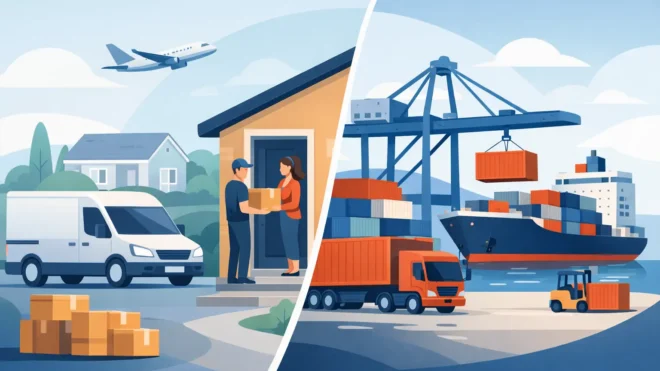
A cross-country move, an online vehicle purchase, or a seasonal relocation can put you in the same position: your vehicle needs to travel hundreds or thousands of miles, but driving it yourself is not practical. When comparing door to door vs terminal shipping, the right choice usually comes down to how much flexibility, convenience, and coordination you need at each end of the route.
Door-to-door service is the option most customers choose because it keeps the process simple. Terminal shipping can work in specific situations, especially when a truck cannot safely access your neighborhood or your schedule requires a different pickup arrangement. The key is knowing what each service actually involves before you book.
What Door-to-Door Auto Shipping Means
Door-to-door auto shipping means the carrier picks up and delivers your vehicle as close as safely and legally possible to the addresses you provide. You coordinate a pickup window, meet the driver for the vehicle inspection and loading, then meet the driver again at delivery for the final inspection.
“Door-to-door” does not always mean a large transport truck will pull directly into your driveway. Car carriers can be 75 feet or longer, and many residential streets have tight turns, low branches, parked cars, weight restrictions, or limited room to load safely. In those cases, the driver will arrange a nearby meeting point, such as a wide shopping center lot, a gas station, or an accessible street close to your home.
That adjustment is normal. It still gives you the convenience of local pickup and delivery without requiring you to drive your vehicle to a separate shipping facility.
Why customers prefer door-to-door service
The biggest advantage is time. You do not need to arrange transportation to a terminal, take time away from moving plans to drop off the vehicle, or return later to retrieve it. For families, relocating professionals, snowbirds, and online buyers, that can remove a major logistical burden.
Door-to-door shipping also makes inspections easier. At pickup, you and the driver review the vehicle’s condition and document existing marks on the bill of lading. At delivery, you inspect it again before signing. Being present at both ends helps you feel informed and gives you a clear record of the vehicle’s condition.
It is also often the more practical choice when shipping a vehicle from a home, apartment, office, dealership, or storage location. A professional transport coordinator can confirm access conditions ahead of time and help establish a safe meeting location if needed.
How Terminal Shipping Works
Terminal shipping requires you to drop off your vehicle at a designated terminal, carrier yard, or storage location. After the vehicle is assigned to a truck, it is loaded and transported to a terminal near the destination. You then pick it up during the facility’s operating hours.
This service may sound straightforward, but availability varies widely. Not every carrier has terminals in every city, and some locations are not public-facing facilities with regular customer access. A terminal can also be a secured yard with limited hours, specific release procedures, and storage rules.
Terminal shipping may be a reasonable fit if you live in a remote area, have a restricted street that cannot accommodate a carrier, or will not be available at your home during the pickup or delivery window. It can also help when you prefer to leave the vehicle in a controlled location before your own travel date.
However, terminal shipping adds another handoff to your plan. You must arrange your own transportation to and from the terminal, confirm acceptable drop-off and pickup hours, and understand what happens if the vehicle arrives before you are ready to collect it.
Storage fees and timing deserve attention
The most common surprise with terminal shipping is storage. Some terminals include a limited free storage period, while others may begin charging daily fees after a short window. If your flight is delayed, your move-in date changes, or you cannot reach the facility during business hours, those charges can add up.
Timing can be less predictable as well. A vehicle may wait at the origin terminal until a carrier has space for its route. At the destination, it may arrive before your planned pickup date. Ask how long storage is included, whether the terminal accepts personal belongings in the vehicle, and who to contact if your schedule changes.
Door to Door vs Terminal Shipping: The Main Differences
The decision is not simply about price. It is about where you want the responsibility to sit.
With door-to-door service, the carrier handles more of the physical coordination. You meet near your preferred locations, and the driver works with you to choose a safe loading and unloading point. It is generally the easier choice if your time is limited or you are unfamiliar with either city.
With terminal service, you take on more of the local logistics. You need to get the vehicle to the facility, complete the required check-in process, and retrieve it after delivery. That can be manageable when you have a flexible schedule and reliable transportation, but it is less convenient during a busy relocation.
Cost can vary by route, carrier availability, season, vehicle size, and terminal policies. Do not assume terminal shipping will always be cheaper. In some markets, door-to-door shipping is widely available and priced competitively because carriers already operate on those routes. In other cases, a terminal arrangement may reduce the difficulty of serving a hard-to-access address. A quote should reflect the actual route and service requirements rather than a general rule.
When Door-to-Door Shipping Is the Better Choice
Door-to-door shipping is usually best when convenience matters most. It is a strong fit for a household move, a college student shipping a car, a family sending a vehicle to a new state, or a buyer who cannot travel to collect an online purchase.
It also makes sense for higher-value vehicles. Owners of classic, luxury, exotic, or collector vehicles often want direct coordination at pickup and delivery, particularly when using enclosed transport. Fewer off-site handoffs can provide greater peace of mind, though the appropriate carrier type and insurance details still matter.
Choose door-to-door service when you want a straightforward experience, can meet the driver or appoint an authorized adult, and have a nearby location suitable for a large truck. If your address is difficult for a carrier to reach, a nearby meeting point provides nearly the same convenience without compromising safety.
When Terminal Shipping May Make Sense
Terminal shipping can be useful when your neighborhood has strict access limitations or when you cannot be present within the carrier’s delivery window. It may also help if you are traveling before the vehicle is ready to ship and need a place to leave it temporarily.
Before selecting this option, confirm the terminal’s exact address, hours, security procedures, storage terms, and contact information. Ask whether the vehicle will remain at that location until pickup or could be transferred to another nearby yard. These details help prevent avoidable delays and unexpected fees.
Terminal service is most effective when you have a dependable plan for both ends of the shipment. If getting to the terminal requires multiple rides, coordinating friends or family, or taking time off work, door-to-door service may offer better overall value even if the initial quote is similar.
Questions to Ask Before You Book
A reliable auto transport provider should make the choice clear before your vehicle is assigned. Ask whether the pickup and delivery addresses are accessible for a carrier, what the estimated pickup window looks like, and whether you need to be present in person. If a terminal is involved, ask about storage limits and fees in writing.
You should also confirm the type of carrier recommended for your vehicle. Open transport is a dependable, cost-effective option for most standard vehicles. Enclosed transport offers added protection from weather and road exposure for vehicles that need a higher level of care. The pickup method and carrier type can be tailored to your route, vehicle, and schedule.
At AutoPlex Transport, a dedicated advisor can help assess your addresses and explain the practical options before you commit. A few minutes of planning can prevent a difficult pickup day later.
The best shipping arrangement is the one that fits your real schedule, not just the lowest advertised price. Give your transport team accurate addresses, share any access concerns early, and choose the option that lets you hand over the keys with confidence.
