
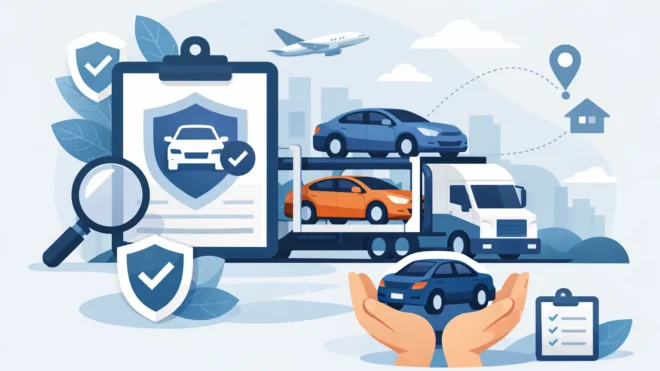
A cross-country move, an online vehicle purchase, or a seasonal relocation can put hundreds or thousands of miles between you and your car. This car shipping insurance guide explains what protects your vehicle during transport, what may not be covered, and how to avoid preventable problems before pickup.
The right auto transport company should make insurance questions easy to understand. You should know who is moving your vehicle, what coverage is in place, how damage is documented, and exactly what to do if something looks different at delivery. A little clarity before shipping can make the entire process feel far more worry-free.
What Car Shipping Insurance Usually Covers
Licensed auto carriers are generally required to carry cargo insurance for the vehicles they transport. This coverage is designed for damage that occurs while your vehicle is in the carrier’s care, custody, and control during shipment.
For example, carrier cargo insurance may apply if your vehicle is damaged by an incident involving the transport truck, loading equipment, or handling during transit. The policy limits and exclusions can vary by carrier, so do not assume that every type of loss, every vehicle, and every dollar of value is automatically covered.
A reputable transport coordinator can help you understand the carrier’s active insurance information before pickup. Ask for clear confirmation of the coverage available for your shipment, especially if you are transporting a collector car, luxury vehicle, modified truck, or another vehicle with a value that may exceed standard cargo limits.
What Carrier Coverage May Exclude
Car shipping insurance is not the same as a full-service auto insurance policy. It is typically focused on transport-related damage, not every issue that might happen while your vehicle is away from home.
Common exclusions or limitations can include pre-existing damage, mechanical failure, normal road debris, weather-related conditions, and personal belongings left inside the vehicle. A carrier is also unlikely to cover loose or poorly secured aftermarket accessories, such as detachable spoilers, removable roof racks, or items stored in an open truck bed.
Mechanical problems deserve special attention. If a vehicle will not start after delivery because of a pre-existing battery, engine, transmission, or electrical issue, that is different from visible physical damage caused during loading or transport. Be honest about the vehicle’s operating condition when booking. Inoperable vehicles can be shipped, but they require the right equipment and accurate planning.
Check Your Personal Auto Policy Before Shipping
Your own auto insurance may provide limited protection while the vehicle is being transported, but coverage depends on your policy and insurer. Some policies continue comprehensive coverage for certain risks, while others have restrictions when a commercial carrier has possession of the vehicle.
Before scheduling transport, call your insurer and ask whether your comprehensive or collision coverage applies during auto shipment. Ask about deductibles, rental reimbursement, claims coordination, and whether the policy has any exclusions related to commercial transport.
This is particularly useful for high-value vehicles. If your car’s market value is higher than the carrier’s cargo insurance limit, your personal policy may help close a gap, depending on its terms. Do not cancel or reduce your auto policy before confirming how coverage will work during transit.
The Inspection Report Is Your Best Protection
The most useful document in any car shipping insurance claim is the vehicle inspection report, often called the bill of lading. It records the vehicle’s visible condition when the carrier picks it up and when it is delivered.
At pickup, walk around the vehicle with the driver. Review every panel, wheel, bumper, mirror, and visible area of existing wear. Small scratches, paint chips, dents, cracked trim, and windshield damage should be noted before the vehicle is loaded. If something is already there, it should be on the report.
Take your own time-stamped photos and videos as well. Photograph the front, rear, both sides, roof, wheels, glass, interior, and odometer. Close-up photos of any existing damage are especially helpful. This documentation creates a clear before-and-after record if questions arise later.
At delivery, inspect the vehicle before signing the final paperwork whenever possible. Check it in good light, look at the areas noted at pickup, and compare its condition with your photos. If damage is present, write it clearly on the delivery inspection report before you sign. A clean signature with no damage noted can make a later claim more difficult.
How to File a Car Shipping Damage Claim
Damage claims are uncommon when you work with experienced professionals, but every customer should know the process. If you see possible new damage, stay calm and document it carefully.
First, take clear photos from several angles. Include both close-ups and wider photos that show where the damage appears on the vehicle. Then make sure the issue is written on the bill of lading before the driver leaves. Ask for a copy of the signed paperwork for your records.
Next, notify the transport company promptly and follow its claims instructions. You may be asked to provide the bill of lading, pickup and delivery photos, repair estimates, and vehicle ownership information. Keep all communications and documents in one place. Fast, complete documentation gives the claim process the best chance of moving forward without unnecessary delays.
Do not repair the damage before receiving claim guidance unless doing so is necessary to prevent further loss. The carrier or insurer may need to review the condition, photos, or an estimate before authorizing repairs.
Open vs. Enclosed Transport: Does It Change Coverage?
Both open and enclosed carriers should carry cargo insurance, but the transport method affects the type of exposure your vehicle has during the trip.
Open transport is the practical, cost-effective choice for most standard cars, trucks, and SUVs. Your vehicle travels on a multi-car carrier and is exposed to normal outdoor conditions, much like it would be while parked or driven on public roads. It remains a reliable option for everyday vehicles, especially when timing and budget matter.
Enclosed transport provides added physical protection from weather, road dust, and outside debris. It is often the preferred choice for classic cars, exotics, luxury vehicles, low-clearance models, and vehicles with fresh restoration work. Enclosed shipping costs more, but for some owners, the added protection and peace of mind are worth it.
The key point is that enclosed shipping does not replace a careful insurance review. Always confirm coverage details, policy limits, and inspection procedures regardless of the transport option you choose.
Steps to Take Before Your Vehicle Is Picked Up
A few simple preparations protect both your vehicle and your claim rights. Keep the fuel level at about one-quarter tank, remove personal items, secure or remove loose accessories, and make sure the vehicle is reasonably clean for inspection. Dirt can hide scratches and dents that need to be documented.
You should also disable toll tags, remove important documents and valuables, and provide the driver with accurate pickup and delivery contact information. If someone else will release or receive the vehicle, make sure that person understands the inspection process and has permission to sign the bill of lading.
For a smoother experience, ask direct questions before booking: What is the carrier’s cargo insurance limit? Is the policy current? What is the deductible, if any? How should damage be reported? A dependable advisor should answer clearly and help match your vehicle with the right level of transport protection.
Choose Clear Coverage and Careful Handling
Insurance matters, but careful planning and professional handling matter just as much. AutoPlex Transport helps customers coordinate dependable nationwide vehicle shipping with service options suited to everyday vehicles, specialty cars, urgent moves, and more protected enclosed transport needs.
Before your vehicle begins its trip, confirm the coverage, complete a detailed inspection, and keep your paperwork organized. Those few steps help you hand over the keys with confidence and receive your vehicle ready for the road ahead.
