Choosing an enclosed carrier for your vehicle isn’t just a luxury upgrade; it’s a strategic insurance policy against the rising costs of specialized automotive repairs in 2026. You likely feel a sense of anxiety when considering the risks of road debris or unpredictable weather during a long-distance move. It’s completely natural to worry about how fluctuating fuel surcharges and hidden fees might impact your final enclosed auto transport cost. You want to ensure your investment is protected without overpaying for services you don’t fully understand.
We’re here to help you navigate these logistical complexities with confidence and clarity. In this guide, you’ll discover exactly what drives shipping rates this year and how to build a realistic budget for the ultimate protection of your vehicle. We will break down the functional differences between hard-side and soft-side carriers, explain the impact of 2026 regulatory changes like the Motus digital verification system, and show you how to distinguish a transparent quote from a low-ball estimate. By the end of this analysis, you’ll have the expert knowledge needed to select a reliable partner for your transport needs.
Key Takeaways
- Understand why enclosed trailers carry fewer vehicles and how this capacity factor influences the total investment required for maximum protection.
- Identify the primary drivers of your enclosed auto transport cost, including the impact of vehicle dimensions and the specific 2026 fuel surcharge landscape.
- Learn to differentiate between hard-side and soft-side carrier options to choose the right level of shielding for your vehicle’s exterior.
- Master the art of budgeting for nationwide shipping by recognizing standard per-mile rates and learning to spot hidden fees in low-ball estimates.
- Gain confidence in selecting a carrier by understanding the logistical advantages of a professional, door-to-door service model for interstate transportation.
Understanding the Enclosed Auto Transport Cost Premium
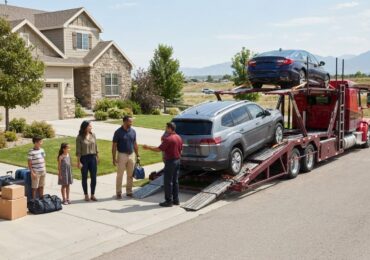
Enclosed auto transport is a premium logistical service designed to provide a completely shielded environment for vehicles during transit. Unlike standard shipping methods that leave a car exposed to the elements, this method utilizes fully covered trailers to ensure total protection. You’re essentially paying for a mobile garage that travels across the country. Whether you’re arranging interstate vehicle transportation for a vintage Porsche or a modern electric SUV, understanding the mathematical reality behind the pricing helps clarify why this premium exists. It doesn’t just protect against rain; it guards against every variable the road can throw at your car.
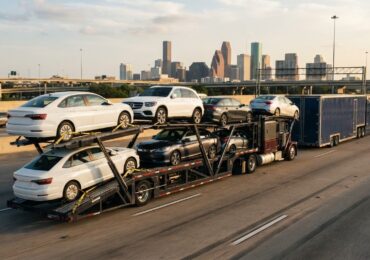
One of the most significant drivers of the enclosed auto transport cost is what industry experts call the Capacity Factor. Standard open or enclosed carriers differ greatly in their efficiency. While a typical open-air trailer can carry nine or ten vehicles at once, an enclosed trailer is usually limited to between two and six cars. Because the operational expenses of the truck, such as driver wages and maintenance, are divided among fewer vehicles, the price per car is naturally higher. Most owners find that the baseline price for this level of security sits between 30% and 50% above open transport rates. This investment focuses on asset preservation, ensuring your vehicle arrives in the exact condition it left.
Why Enclosed Shipping Costs More in 2026
Several specific factors contribute to the higher rates seen this year. These elements reflect the specialized nature of the equipment and the expertise required to operate it safely. Consider the following drivers of the price premium:
- Insurance Premiums: Carriers specializing in high-value cargo pay significantly more for coverage that often extends into the millions.
- Fuel Efficiency: The aerodynamic drag of a heavy, box-shaped trailer requires more fuel than a standard open rack.
- Driver Expertise: Operators must be trained in handling delicate loading procedures and using soft-tie straps that don’t damage a vehicle’s frame.
This specialized expertise is a key component of nationwide transportation services. It ensures your vehicle is handled by a professional who understands the unique requirements of luxury and classic models. These drivers are often the most experienced in the fleet, commanding higher wages for their specialized skills.
When is the Extra Cost Justified?
For many, the decision comes down to the necessity of protecting a high-value asset. If you own a vehicle with low ground clearance, such as a high-performance sports car, an enclosed carrier with a hydraulic liftgate is essential to prevent undercarriage damage during loading. It’s also the preferred choice for classic cars with original, sensitive paintwork that could be ruined by road salt or bird droppings. If your move coincides with peak winter months or hurricane seasons, the controlled environment of an enclosed trailer provides peace of mind that open transport simply cannot match. For these high-stakes moves, door 2 door transportation in an enclosed unit is the industry gold standard.
Key Factors Influencing Your 2026 Shipping Quote
Securing a precise quote for your vehicle involves more than just measuring the distance between two zip codes. Carriers look at a variety of logistical variables that ultimately determine your enclosed auto transport cost. While mileage is a primary component, the specific route also plays a role. Popular interstate corridors are often more affordable than remote, rural deliveries where a driver must deviate significantly from their main path. Regional moves may have a higher per-mile rate than long-distance interstate vehicle transportation, but the total investment is lower due to the reduced fuel and labor requirements.
Vehicle dimensions and weight have become increasingly critical in 2026. Heavier vehicles, especially electric vehicles (EVs) and full-sized SUVs, require more fuel and can limit the total number of cars a trailer can legally carry. Industry data suggests that shipping an SUV or van can add 15% to 25% to your base rate, while large pickup trucks may see a 40% increase. If you’re moving a heavy EV, the weight-based surcharge reflects the specialized equipment needed to handle the load safely. To get a better sense of how these variables apply to your specific move, you can request a personalized logistics analysis from a specialist who understands these nuances.
Timing is another essential factor that influences your final price. Demand peaks during the summer months and the winter “snowbird” season, which can drive prices up by 15% to 25%. If your relocation is time-sensitive, opting for expedited delivery will naturally command a premium. This ensures your vehicle is prioritized on a route, though it requires more complex scheduling from the carrier’s dispatch team.
Specialized Equipment and Handling
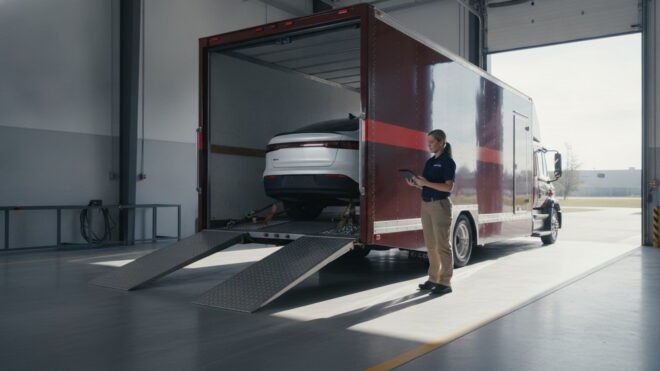
The type of equipment used during the loading process significantly impacts the final price. Standard ramps are often insufficient for exotic or sports cars with extremely low ground clearance. In these cases, a hydraulic liftgate is required to keep the vehicle level during loading. This specialized machinery prevents undercarriage damage but adds to the operational cost. Additionally, professional carriers use soft-tie downs, which are nylon straps that secure the vehicle by the tires rather than the frame. This method is essential for protecting high-end rims and sensitive suspension components from the stress of the journey.
Insurance and Liability Coverage
A legitimate carrier must provide comprehensive insurance that matches the value of your asset. While open carriers might only offer $100,000 in coverage, reputable enclosed transporters often maintain policies between $250,000 and $1 million. You should always verify a carrier’s safety record and insurance filings through the Federal Motor Carrier Safety Administration (FMCSA) before signing any agreement. If your vehicle’s value exceeds these standard limits, ask about gap coverage to ensure you are fully protected against any unforeseen incidents during transit.
Comparing Enclosed Carrier Types: Hard-Side vs. Soft-Side Pricing
When you begin researching your enclosed auto transport cost, you’ll quickly discover that the term “enclosed” actually describes two distinct tiers of service. The primary distinction lies in the material used to shield your vehicle from the external environment. A soft-side enclosed carrier utilizes heavy-duty canvas or vinyl curtains that are tightly fastened over a metal frame. While this provides a significant upgrade over open transport by blocking the majority of road debris and wind, it doesn’t offer a completely airtight seal. In contrast, hard-side trailers are constructed with solid metal or composite walls, creating a fully weather-proof environment that protects against everything from heavy rain to fine road dust.
The difference in construction leads to a noticeable variance in pricing. On average, you can expect a hard-side trailer to cost between 10% and 15% more than a soft-side option. This premium reflects the higher equipment costs and the increased fuel consumption associated with the heavier, less aerodynamic solid-wall trailers. Understanding the broader economic context provided by Auto transport industry statistics helps explain why these specialized equipment tiers command different market values based on the level of protection they provide. For many owners, the extra investment in a hard-side unit is a small price to pay for the peace of mind that comes with total environmental isolation.
The Pros and Cons of Soft-Side Trailers
Soft-side trailers are often the most practical choice for owners who want protection from rocks and debris but don’t necessarily require a climate-controlled or airtight space. Because there are more soft-side carriers on the road, you’ll often find that pickup times are faster and scheduling is more flexible. However, it’s important to recognize that these trailers can occasionally allow moisture or fine dust to enter during extreme weather events. If you’re moving a daily driver that simply needs to stay clean and safe, this is a cost-effective and reliable solution.
Hard-Side Trailers: The Gold Standard for Exotics
For high-value assets, hard-side trailers represent the pinnacle of nationwide transportation services. These units provide maximum protection against hail, road salt, and extreme temperature swings, making them the only choice for concours-level classics or modern exotics. Many high-end automotive auctions and collectors require hard-side transport as a condition of service. Beyond weather protection, the solid walls offer superior security; your vehicle is completely hidden from prying eyes and the trailer is significantly more difficult for unauthorized individuals to access during overnight stops.
Choosing between these two options depends on your vehicle’s specific needs and your personal comfort level. While soft-side trailers offer an excellent balance of value and safety, hard-side units provide a “white-glove” experience that ensures your car remains in showroom condition throughout its journey. We recommend evaluating the sensitivity of your vehicle’s paint and interior before deciding which trailer type fits your budget and protection requirements.
How to Accurately Budget for Nationwide Enclosed Shipping
Budgeting for a cross-country move requires a clear understanding of the current market rates. For nationwide routes, you should generally expect a rate between $1.00 and $2.00 per mile. Shorter trips often command a higher per-mile price because the fixed costs of loading and insurance are spread over fewer miles. When calculating your total enclosed auto transport cost, remember that these figures represent the base service. If you’re shipping a vehicle from coast to coast, the efficiency of long-haul routes helps keep the per-mile rate on the lower end of that spectrum.
Many online car shipping calculators offer instant results, but you must use them with caution. Some automated tools provide “teaser” rates designed to capture your contact information rather than provide an accurate reflection of 2026 market conditions. A low-ball quote from a broker who doesn’t actually own trucks can lead to significant delays if they can’t find a carrier willing to accept the job at that price. It’s always better to work with a provider that offers transparent, human-verified quotes. This ensures the price you see is the price you pay, avoiding the stress of last-minute increases once your car is already scheduled for pickup.
Hidden Costs to Watch For
The final price on your invoice often includes variables that aren’t immediately obvious. While terminal-to-terminal shipping might look cheaper on paper, the storage fees and the hassle of getting your car to and from a shipping hub often outweigh the savings. Door 2 Door Transportation is the industry standard for enclosed services because it minimizes handling and provides maximum convenience. Additionally, keep an eye on 2026 fuel surcharges, which currently fluctuate between 5% and 15% of the base rate. If your vehicle is inoperable, expect an additional fee of $100 to $300, as the driver will need specialized winches and extra labor to load a non-running car into an enclosed trailer.
Tips for Reducing Your Enclosed Shipping Bill
You can lower your expenses by planning your move during the off-season. Demand typically dips in late fall and early spring, making these ideal times to secure a more competitive rate. Providing a flexible pickup window of three to five days also allows dispatchers to optimize their routes, which can result in lower costs for you. Finally, ensure your vehicle is ready for the journey by following How to Prepare a Car for Transport: The 2026 Essential Checklist. A well-prepared car prevents delays that could lead to additional storage or re-delivery fees. If you’re ready to get an accurate estimate without the guesswork, contact our logistics team for a transparent quote today.
Securing Your Investment with AutoPlex Transport Services
Choosing a provider for high-value logistics shouldn’t feel like a gamble. At AutoPlex Transport Company, we function as your reliable partner, ensuring that your vehicle is treated with the same level of care you provide it. While the enclosed auto transport cost is an important variable in your move, the true value lies in the safety protocols and methodical handling we bring to every shipment. We focus on building trust through transparent communication and a proven track record of success in nationwide transportation services. Our approach is grounded in practicality, ensuring that every asset is managed by experienced hands capable of navigating the complexities of the 2026 transport landscape.
One of the most common anxieties in this industry involves hidden fees and fluctuating quotes. We’ve structured our quoting process to eliminate these surprises entirely. When we provide a figure for your enclosed auto transport cost, it reflects a comprehensive analysis of the route, vehicle dimensions, and current market conditions. We don’t believe in teaser rates or high-pressure tactics. Instead, we prioritize education, helping you understand each component of your quote so you can make an informed decision for your vehicle’s protection. This commitment to transparency is the foundation of our service model.
Nationwide Reach, Localized Care
Our team manages complex interstate vehicle transportation logistics with a level of precision that only comes from years of experience. We understand that every car has its own story, whether it’s a family heirloom or a brand-new exotic. By specializing in both open and enclosed transport services, we offer the versatility needed to handle diverse fleet requirements while maintaining specialized expertise for high-end assets. For a deeper look at how to select the right service level for your needs, consult Enclosed Car Transport: The Definitive Buying Guide for 2026. This localized care ensures that even on a cross-country route, your vehicle receives individual attention and professional oversight.
Get Your Personalized Quote Today
Requesting a detailed quote is a straightforward process designed to respect your time and provide immediate clarity. To provide the most accurate estimate, we’ll need basic information such as the vehicle’s VIN, any specific modifications like lowered suspension or oversized tires, and your preferred timeframe for the move. Our logistics experts review these details to ensure the assigned carrier has the exact equipment, such as hydraulic liftgates or soft-tie downs, required for your specific model. You can request an enclosed transport quote from AutoPlex today to receive a personalized analysis tailored to your relocation needs. We look forward to providing the peace of mind you deserve during your next vehicle move.
Protecting Your Automotive Legacy in 2026
Navigating the logistics of vehicle relocation requires balancing safety with a clear understanding of your budget. You now know that your enclosed auto transport cost is influenced by more than just mileage. It’s a direct reflection of the specialized equipment, capacity constraints, and expert handling required to move high-value assets securely across the country. Whether you choose the airtight security of a hard-side trailer or the cost-effective protection of a soft-side unit, prioritizing asset preservation ensures your vehicle arrives in showroom condition.
AutoPlex Transport Company stands ready to serve as your knowledgeable guide through this complex process. We offer expert handling for exotic and luxury vehicles through a comprehensive nationwide door-to-door service model. Every shipment is backed by our fully insured and vetted carrier network, providing the peace of mind you need when moving your most valuable assets. Don’t leave your vehicle’s safety to chance with unverified teaser rates. Take the next step toward a secure relocation and Get a Guaranteed Enclosed Auto Transport Quote from AutoPlex today. We look forward to helping you move forward with confidence.
Frequently Asked Questions
How much more does enclosed car shipping cost than open transport?
Enclosed car shipping typically costs between 30% and 60% more than standard open transport. This premium usually translates to an average additional investment of $500 to $625 per shipment. The higher price is a direct result of the specialized equipment used and the lower capacity of enclosed trailers, which carry fewer vehicles at once. This ensures your car is shielded from road debris and weather throughout the journey.
Is enclosed auto transport worth the extra cost for a daily driver?
Deciding if the higher enclosed auto transport cost is worth it for a daily driver depends on the vehicle’s value and your protection needs. Industry trends suggest that any vehicle valued over $75,000 should be shipped enclosed to mitigate the risk of damage. If your daily driver has a custom paint job or you’re moving through areas with extreme weather, the extra security provides significant peace of mind.
What is the average cost per mile for enclosed vehicle transport in 2026?
The average cost per mile for enclosed vehicle transport in 2026 is approximately $2.45. It’s important to note that this rate fluctuates based on the total distance of the route. Shorter trips under 500 miles often see higher per-mile rates, while long-distance moves usually benefit from a lower per-mile enclosed auto transport cost as fixed operational expenses are distributed over more ground.
Does the size of my vehicle affect the enclosed shipping quote?
Yes, the dimensions and weight of your vehicle play a major role in determining your final quote. Shipping an SUV or a van typically costs 15% to 25% more than a standard sedan, while large pickup trucks can see increases of up to 40%. Heavier vehicles, including many electric models, require more fuel and can limit the carrier’s total payload capacity, leading to these weight-based surcharges.
Are there specific months when enclosed transport is cheaper?
Enclosed transport is generally more affordable during the off-season months of late fall and early spring. During the peak summer season from May through September, as well as the winter snowbird migration, costs can increase by 15% to 25% due to high demand. Booking at least two weeks in advance during these busy periods helps you secure a more competitive rate and guaranteed placement.
How does insurance work for enclosed car transport services?
Licensed carriers are required by the Federal Motor Carrier Safety Administration (FMCSA) to maintain cargo insurance for every shipment. While open carriers often have policies between $100,000 and $250,000, professional enclosed transporters typically offer higher coverage limits ranging from $250,000 to over $1 million. You should always verify a carrier’s insurance status through their USDOT number before finalizing your booking to ensure your asset is fully protected.
Can I ship personal items inside my car to save on moving costs?
We strongly discourage shipping personal items inside your car during transport. These items aren’t covered by the carrier’s cargo insurance and can lead to violations of federal weight limits. Extra weight in the cabin can also result in damage to the vehicle’s interior or suspension during transit. It’s best to keep the vehicle empty to ensure a smooth, compliant, and safe shipping process for everyone involved.
What is the difference between hard-side and soft-side enclosed trailers?
The primary difference lies in the level of environmental protection and the materials used for the trailer walls. Soft-side trailers use heavy-duty canvas or vinyl curtains to block debris, while hard-side trailers feature solid metal or composite walls for a 100% weather-proof seal. Because they provide the highest level of security and protection from the elements, hard-side options typically cost 10% to 15% more than soft-side alternatives.