The lowest quote you receive for car transport Houston TX is often the most expensive mistake you can make. While a bargain price might seem attractive, it frequently masks hidden fees or a lack of proper carrier vetting that can lead to significant delays. We understand that handing over your keys to a stranger is a stressful experience. You’ve likely heard horror stories about brokers who disappear after taking a deposit or delivery timelines that shift without notice. It’s natural to feel anxious about the safety of your vehicle and the transparency of the final price.
This 2026 guide is designed to help you master the complexities of nationwide vehicle logistics so you can secure safe, reliable transport for any asset. We’ll provide the clarity you need to distinguish between broker and carrier roles while navigating new federal regulations, such as the mandatory shift to USDOT-only identification. By the end of this article, you’ll know exactly how to ensure a damage-free delivery with a fixed price and clear communication throughout the entire process.
Key Takeaways
- Understand how Houston serves as a vital hub in the national logistics network and why professional coordination is essential for secure interstate moves.
- Evaluate the differences between open and enclosed carriers to determine which level of protection best aligns with your vehicle’s value and safety requirements.
- Learn to navigate the complexities of car transport Houston TX by understanding how route optimization impacts both your delivery timeline and transit security.
- Master the preparation process for door-to-door transportation with a step-by-step checklist that ensures your vehicle is ready for a professional and efficient pickup.
- Discover how to identify a reliable logistics partner and why prioritizing transparency over the lowest bid prevents unexpected fees and stressful transit delays.
Navigating Car Transport in Houston TX and Across the United States
Professional car transport is much more than a simple delivery service. It’s a specialized branch of the logistics industry dedicated to the secure movement of vehicles via heavy-duty equipment and expert coordination. While many people confuse this service with local towing, the two are fundamentally different. A local tow truck is built for short-range recovery and roadside assistance, whereas car transport Houston TX involves large open or enclosed carriers designed to travel thousands of miles across state lines.
Houston acts as a vital pivot point in the national transportation network. Its proximity to the Port of Houston and its connection to major interstate arteries like I-10, I-45, and I-69 make it one of the busiest shipping hubs in the country. When you’re arranging for car transport Houston TX, it’s essential to work with a partner that understands these local traffic patterns and port operations. This local expertise, combined with a national reach, ensures that your vehicle moves efficiently from the Gulf Coast to any destination in the United States without unnecessary delays.
The Scope of Nationwide Vehicle Shipping
The process of moving a vehicle across the country relies on established transit corridors. Carriers don’t just wander the map; they follow high-volume shipping lanes that connect major metropolitan areas. This structure allows for two primary service models:
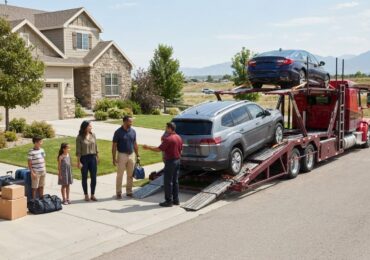
- Door-to-Door Service: The carrier picks up and delivers the vehicle as close to your specified addresses as legally and safely possible.
- Terminal-to-Terminal Service: You drop off and collect your vehicle at a designated storage facility or logistics hub.
Logistics hubs serve as the backbone of this system. These central locations allow carriers to consolidate shipments, ensuring that trailers are full and routes are optimized for speed and safety.
Why Professional Transport Trumps Driving Yourself
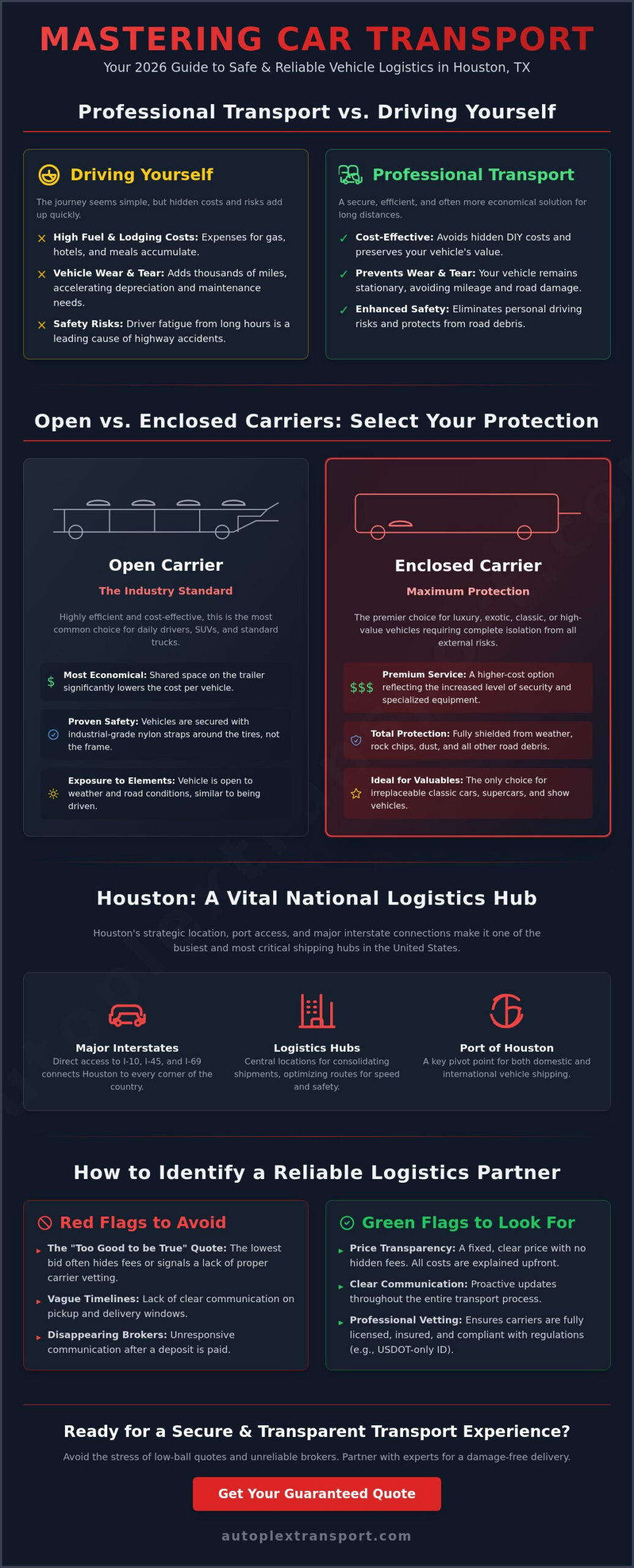
The decision to drive a vehicle a long distance yourself often comes with a variety of hidden costs. Beyond the price of fuel, you have to account for multiple nights in hotels, meals on the road, and the significant wear and tear on your engine. The depreciation alone from adding 1,500 miles to your odometer can often outweigh the cost of a professional service.
Safety remains a compelling reason to choose professional hauling. Long hours on the road lead to driver fatigue, which is a leading cause of highway accidents. By using a professional service, your vehicle remains stationary on a trailer, protected from road debris and the risks of a cross-country trek. Auto logistics is the management of vehicle movement through a complex carrier network.
Open vs. Enclosed Carriers: Selecting the Right Protection
Choosing between open and enclosed carriers is a pivotal step in securing car transport Houston TX. This decision isn’t merely a matter of price; it’s a strategic choice regarding the level of exposure your vehicle will face on the road. While both methods are fundamentally safe, they serve different logistical needs and offer varying degrees of protection from external factors. Understanding the engineering behind these trailers helps you decide which service aligns with your vehicle’s value and your personal expectations for its arrival condition.
Open Carrier Car Transportation: The Industry Standard
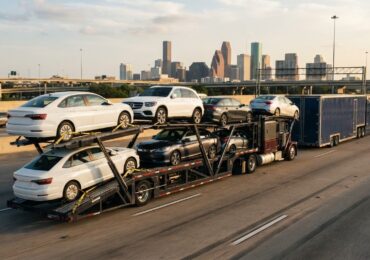
The multi-car trailers frequently seen on major highways represent the most common method for moving vehicles nationwide. This setup is highly efficient for daily drivers, as it allows a single carrier to transport multiple units simultaneously, significantly lowering the cost for each individual owner. Selecting open transport car shipping remains the most popular choice for standard sedans, SUVs, and trucks because of this shared-cost model.
Safety is maintained through rigorous securing methods that have evolved over decades. Modern carriers have largely moved away from heavy chains that can stress a vehicle’s frame. Instead, they utilize industrial-grade nylon straps that wrap securely around the tires. This technique ensures the vehicle stays firmly in place while allowing its own suspension system to work as intended, absorbing the bumps and jolts of long-distance travel. Although the car is open to the air, it’s positioned on the rack to minimize exposure to road debris and wind resistance.
Enclosed Transport Services: Maximum Protection
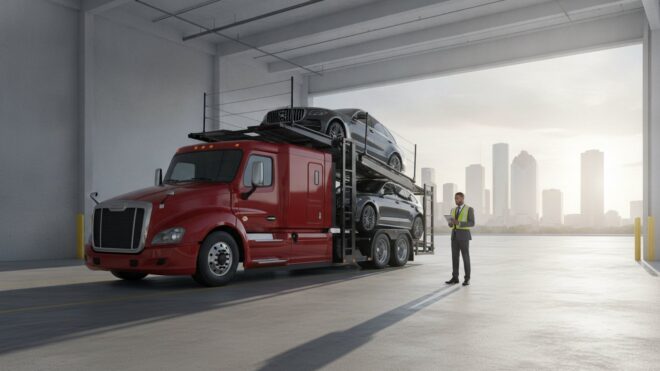
Certain vehicles require a higher tier of care that only a sealed environment can provide. Enclosed transport services offer a mobile sanctuary, shielding assets from wind, rain, sun, and road grime. This is the preferred method for exotic sports cars, vintage classics, and high-value luxury models that shouldn’t be exposed to the elements or the curious eyes of other drivers on the road.
One of the most significant technical advantages of enclosed shipping is the use of hydraulic lift gates. Unlike standard ramps, which can be too steep for vehicles with low ground clearance, a lift gate keeps the car perfectly level as it’s raised from the ground to the trailer bed. This prevents any risk of undercarriage damage or bumper scrapes during the loading process. Many enclosed trailers also feature soft-sided or hard-sided walls, providing an extra layer of security against theft and vandalism.
Before making your final selection for car transport Houston TX, we recommend reviewing the FMCSA’s Protect Your Move program to understand the regulatory standards every carrier must follow. Whether you require the efficiency of an open trailer or the specialized care of an enclosed unit, finding the right Nationwide Transportation Services ensures your vehicle arrives in the same condition it was picked up.
The Logistics of Interstate Vehicle Transportation
Interstate vehicle transportation is a synchronized effort that begins long before the carrier arrives at your driveway. Once you’ve secured car transport Houston TX, the logistical planning starts with route optimization. Carriers use sophisticated dispatch software to group vehicles going in the same direction, which reduces transit time and fuel consumption. This often involves “back-hauling,” where a driver picks up a load for the return trip to avoid moving an empty trailer. This efficiency is what allows nationwide logistics to remain sustainable and reliable for consumers.
The regulatory environment for these moves is also shifting to prioritize transparency and safety. As of October 1, 2026, the Federal Motor Carrier Safety Administration (FMCSA) has eliminated MC numbers, making the USDOT number the sole identifier for all carriers. This change simplifies the verification process for customers. Additionally, since June 25, 2026, stricter English proficiency standards for drivers have been enforced to ensure clear communication during inspections and emergencies. These updates reflect a broader commitment to professionalizing every aspect of the vehicle shipping journey.
Understanding Shipping Timelines and Routes
Several factors dictate how long it takes for your vehicle to travel from Houston to its destination. Distance is the most obvious variable, but Department of Transportation (DOT) hours-of-service regulations also play a critical role. Drivers are legally required to take rest breaks to prevent fatigue, which means a cross-country trip cannot be rushed without compromising safety. Seasonal demand also shifts carrier availability; for example, “snowbird season” often sees a surge in demand for routes moving between the North and the Sunbelt. The Bill of Lading is the primary legal document governing the transport contract.
Insurance and Liability: Protecting Your Asset
Understanding insurance is vital for peace of mind during transit. While your personal auto insurance might offer some coverage, it’s rarely designed for commercial transport scenarios. Professional carriers must maintain a federal liability minimum, though most reputable providers carry significantly more to protect high-value shipments. You should always ask for a copy of the carrier’s insurance certificate and verify their USDOT status before booking car transport Houston TX.
The protection process relies heavily on a thorough inspection at both ends of the journey. When the driver arrives for pickup, they’ll document any existing scratches or dents on the Bill of Lading. You must review this document carefully and sign it only when you agree with the assessment. Upon delivery, you’ll perform a second walk-around. If any new damage is found, it must be noted on the delivery receipt to facilitate a successful insurance claim. This methodical approach ensures that responsibility is clearly defined and your asset remains protected throughout the logistics chain.
Preparing for Pickup: A Checklist for Door 2 Door Transportation
Door 2 door transportation represents the highest level of convenience in the logistics industry. Instead of navigating to a crowded terminal, the carrier meets you at your residence or place of business to begin the shipping process. This service requires specific preparation to ensure the transition is seamless. In a busy metropolitan area, arranging car transport Houston TX involves considering local traffic patterns and physical obstacles that might impact how a large carrier approaches your property.
Exterior and Interior Preparation
Washing your vehicle before the driver arrives is a critical step that goes beyond aesthetics. A clean exterior allows both you and the driver to identify and document every existing scratch, chip, or dent on the Bill of Lading. Dust and road grime can easily mask minor imperfections, which often leads to avoidable disputes during the delivery inspection. Beyond the exterior, you must focus on the following internal requirements:
- Personal Items: Remove all household goods and personal belongings. Federal regulations prohibit auto carriers from transporting these items, and they’re not covered by transit insurance.
- Mechanical Status: Ensure the battery is fully charged and the tires are properly inflated. If the vehicle has fluid leaks, notify the carrier in advance so they can place it on the bottom rack to protect other cars.
- Fuel Levels: Keep the fuel tank at approximately one-quarter capacity. This provides enough fuel for loading and unloading while minimizing unnecessary weight on the trailer.
The Pickup Day Experience
On the day of pickup, you’ll meet the driver for a joint inspection. This is a methodical walkthrough where you’ll both agree on the vehicle’s current condition. If your car has specialized features like air suspension or an aftermarket alarm system, you should provide the driver with clear instructions or disable these features entirely. It’s helpful to have a spare set of keys ready, as the carrier will need one set for the duration of the trip.
You should also consider the physical size of the transport trailer. These rigs can be up to 80 feet long and require significant space to maneuver. If your street is narrow, has low-hanging trees, or is restricted by local zoning laws, the driver may ask to meet you at a nearby parking lot or a wider thoroughfare. This is a standard safety practice designed to protect your vehicle and the carrier’s equipment. If you’re ready to schedule your move, you can request a quote for Door 2 Door Transportation to see how our logistics team manages these details for you.
Selecting a Reliable Partner for Nationwide Auto Logistics
The decision to hire a provider for car transport Houston TX is the most significant step in your shipping journey. While earlier sections outlined the technical requirements and preparation steps, the final phase involves identifying a team that treats your asset with the necessary care. Selecting a company is about more than just finding an available trailer; it’s about choosing a partner that understands the high stakes of nationwide logistics and possesses the history to manage complex routes effectively.
How to Evaluate Car Shipping Quotes
A transparent quote should be clear and inclusive. When reviewing an estimate for car transport Houston TX, check that it covers fuel surcharges, insurance, and all carrier fees. We advise caution when encountering “low-ball” quotes from brokers. These often signal that a provider is struggling to find a professional carrier at that price point, which frequently leads to frustrating delays. Reliable pricing ensures that your vehicle is assigned to a high-quality carrier who meets all safety and insurance standards without the risk of bait-and-switch tactics.
The AutoPlex Transport Company Commitment to Safety
AutoPlex Transport Company has built a reputation as a knowledgeable authority in Nationwide Transportation Services. We don’t just move vehicles; we manage a comprehensive network designed to protect your investment throughout the entire process. Our expertise in Open Carrier Car Transportation and Enclosed Transport Services allows us to customize our approach for every client.
By offering Door 2 Door Transportation as a core service, we provide a level of convenience that matches our rigorous safety protocols. Our success in Interstate Vehicle Transportation is the result of a methodical approach to carrier vetting and clear communication. We encourage you to contact us for a formal quote to see how the experience of AutoPlex Transport Company can provide the peace of mind you deserve for your next shipment.
Secure Your Vehicle’s Future with Professional Logistics
Mastering the details of car transport Houston TX allows you to transition from a state of uncertainty to one of complete confidence. By understanding the technical differences between carrier types and the rigorous safety standards required for interstate travel, you are now equipped to make an informed decision for your asset. Whether you are moving a daily driver or a rare classic, the right preparation and a commitment to transparency ensure your vehicle’s journey is predictable and secure.
AutoPlex Transport Company provides the steady hand you need to navigate these logistical complexities. With our focus on Nationwide Door 2 Door Service, Specialized Enclosed & Open Carriers, and Expert Interstate Logistics Management, we prioritize your peace of mind above all else. Request Your Professional Car Transport Quote Today and let our experienced team handle the details of your next move. We look forward to being your reliable partner on the road ahead.
Frequently Asked Questions
How much does car transport in Houston TX typically cost?
The cost of vehicle shipping is determined by several variables, including the total distance, the size of your vehicle, and the type of carrier you select. Generally, open transport is the most economical choice for daily drivers, while enclosed trailers require a higher investment for added protection. Factors such as seasonal demand and current fuel surcharges also influence the final rate, so it’s best to request a customized quote for your specific route.
How long does it take to ship a car across the country?
Shipping a car across the United States typically takes between 7 and 10 days, though this timeline depends on the specific destination and weather conditions. Federal regulations limit the number of hours a driver can be on the road each day to ensure safety, which prevents the journey from being rushed. We recommend booking your car transport Houston TX at least two to three weeks in advance to secure your preferred pickup window and ensure a smooth delivery.
Is my car insured while it is on the transport truck?
Yes, every professional carrier is required by federal law to carry liability insurance that protects your vehicle during the transit process. Most reputable companies maintain coverage levels that exceed the federal minimum to provide comprehensive protection for valuable assets. You should always request a copy of the carrier’s insurance certificate for your records and perform a thorough inspection at both pickup and delivery to document the vehicle’s condition accurately.
Can I ship personal belongings inside my vehicle?
You shouldn’t ship personal belongings inside your vehicle because auto carriers aren’t licensed to transport household goods. Items left in the car aren’t covered by the carrier’s insurance and can add unnecessary weight to the shipment, which may lead to delays or fines at weigh stations. For the safety of your vehicle and to remain in compliance with Department of Transportation regulations, please ensure the interior is empty before the driver arrives.
What is the difference between an auto transport broker and a carrier?
A broker acts as a professional coordinator who manages the logistics and finds a vetted driver for your specific route, while a carrier is the company that owns the truck and physically moves your vehicle. Working with a knowledgeable logistics partner ensures that your carrier has been checked for insurance validity and safety compliance. This partnership provides a vital layer of oversight and professional communication throughout the entire interstate vehicle transportation process.
Do I need to be present for the pickup and delivery of my vehicle?
It’s highly recommended that you or a designated representative be present for both pickup and delivery to sign the Bill of Lading. This document is the primary legal contract that records the condition of your vehicle before and after it’s moved. Being there in person allows you to conduct a joint inspection with the driver, ensuring that any existing or new imperfections are accurately documented for insurance purposes.
What happens if my car is damaged during transport?
If you notice any new damage upon delivery, you must note it clearly on the Bill of Lading before the driver leaves the site. Take high-resolution photographs of the issues and contact your transport coordinator immediately to begin the formal claims process. Having a detailed inspection report from the pickup day is essential, as it provides the necessary evidence to show that the damage occurred while the vehicle was in the carrier’s care.
Can you ship a non-running vehicle?
Yes, non-running vehicles can be shipped, but they require specialized equipment like a winch or a forklift to load them onto the trailer. You must disclose the vehicle’s condition when booking your car transport Houston TX so the carrier can send a truck equipped for the job. Please be aware that shipping an inoperable car usually involves additional fees due to the extra labor and specialized tools required for safe handling.