
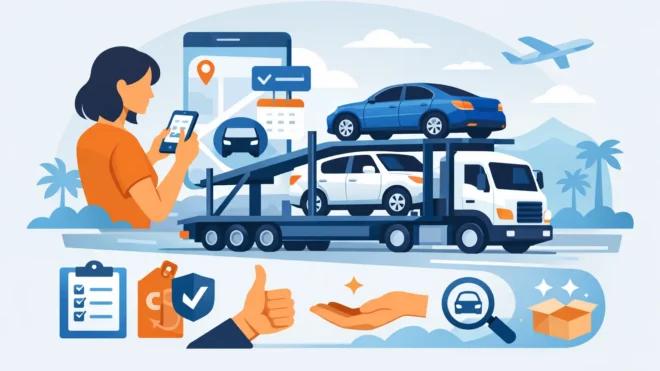
A cross-country drive can add thousands of miles, fuel costs, hotel stops, and wear to your vehicle. Learning how to book auto transport gives you a practical alternative: a professional carrier handles the route while you focus on your move, purchase, or schedule. The key is providing accurate details early and choosing a service level that fits your vehicle, timeline, and budget.
Start With the Details That Shape Your Quote
Auto transport quotes are route-specific, not one-size-fits-all. Before requesting pricing, gather your pickup and delivery ZIP codes, the vehicle year, make, model, and whether it runs and rolls. You should also know when the vehicle will be ready for pickup and whether you have a firm delivery deadline.
A compact sedan moving between major cities is generally easier to schedule than a lifted truck headed to a remote area. Larger vehicles take up more carrier space, while rural routes can require extra coordination. An inoperable vehicle can still be shipped, but it may need special loading equipment, which affects the quote.
Be clear about any modifications as well. Low ground clearance, oversized tires, roof racks, aftermarket spoilers, or a non-running condition should be disclosed before booking. Accurate information helps your transport advisor match your shipment with the right carrier and reduces the chance of delays or price changes later.
Choose Open or Enclosed Auto Transport
Most customers choose open carrier transport. These are the multi-level trucks commonly seen on highways carrying several vehicles at once. Open transport is dependable, widely available, and typically the more budget-friendly option for standard cars, trucks, and SUVs. Your vehicle is secured for transit, but it remains exposed to normal road and weather conditions.
Enclosed transport provides a covered trailer for added protection from weather, road debris, and outside exposure. It is often the right choice for classic cars, luxury vehicles, exotic models, or vehicles with a high sentimental or financial value. Because enclosed trailers have less capacity and more limited availability, this service usually costs more and may require additional scheduling flexibility.
Neither option is automatically better. The right decision depends on the vehicle, your comfort level, the route, and the protection you want. A dependable advisor should explain the difference plainly so you can choose without feeling pressured into a service you do not need.
Request a Clear, Accurate Quote
When you request a quote, look beyond the first number. Ask what information the price is based on, whether the service is door-to-door, and what pickup window is expected. A reliable booking conversation should cover the vehicle condition, route access, transport type, and timing before a final plan is set.
Door-to-door transport means the carrier will get as close as safely and legally possible to your pickup and delivery addresses. Large transport trucks cannot always enter narrow residential streets, gated neighborhoods, or areas with low trees and tight turns. In those situations, the driver may arrange a nearby meeting point such as a wide street, shopping center, or truck-friendly lot. This is normal and can make pickup safer and faster for everyone.
If your shipment is time-sensitive, say so immediately. Expedited transport may be available for customers who need faster pickup or delivery coordination. It can cost more than standard scheduling, but it may be worthwhile for a relocation deadline, a vehicle sale, or a planned event. Flexibility can lower stress and improve carrier availability, while a fixed deadline requires more planning.
How to Book Auto Transport Step by Step
Once you have selected your preferred service, the booking process should be simple. Confirm the transport details with your advisor, including the exact addresses, contact names, vehicle information, and earliest available pickup date. Read the booking terms and make sure you understand the payment arrangement, cancellation policy, and any requirements for an inoperable vehicle.
At this stage, provide the best phone number for pickup and delivery coordination. Carrier schedules can shift with traffic, weather, road closures, and other vehicle pickups. Direct communication helps the driver reach you with updates and makes it easier to handle a change of plans quickly.
If another person will release or receive the vehicle, identify them before the transport date. They should be able to inspect the vehicle, sign the required paperwork, and communicate with the driver. This is especially useful for online vehicle buyers, families coordinating a move, and customers shipping a car to or from a seasonal home.
AutoPlex Transport helps customers coordinate these details through direct quote support and advisor guidance, so the booking process stays clear from the first call through delivery.
Prepare Your Vehicle Before Pickup
Vehicle preparation protects both your car and your shipment schedule. Wash the exterior if possible so existing marks are easier to see during inspection. Take clear, date-stamped photos from several angles, including close-ups of any existing damage. Keep a copy of these photos until delivery is complete.
Remove personal belongings, loose accessories, and valuable items from the vehicle. Auto carriers are designed to transport vehicles, not household goods, and personal items can create weight, safety, and liability concerns. Remove toll tags as well, since they may register charges while the vehicle is in transit.
Keep the fuel tank at roughly one-quarter full. That is enough for loading and unloading without adding unnecessary weight. Check that the battery is charged, tires are properly inflated, and there are no significant fluid leaks. If the vehicle has an alarm, provide instructions for disabling it. For a non-running vehicle, explain whether it can be steered, braked, and rolled.
Know What Happens at Pickup and Delivery
At pickup, the driver typically performs a visual inspection with you or your designated contact. Existing cosmetic condition is recorded on a vehicle inspection report, often called a bill of lading. Review it carefully before signing. If you notice a scratch, dent, or other mark that is not noted, point it out and have it added.
The driver then loads and secures the vehicle for transport. Pickup times are usually communicated within an estimated window rather than a precise appointment hour because carriers operate on active routes. Staying reachable and having the vehicle ready when the driver calls can prevent avoidable delays.
At delivery, inspect the vehicle again before signing the final paperwork. Compare its condition with your pickup photos and the inspection report. Check the exterior in good lighting, then confirm that the vehicle starts and operates normally if it is drivable. If you have a concern, document it on the delivery paperwork before the driver leaves and contact your transport provider promptly for guidance.
Avoid the Most Common Booking Mistakes
The biggest mistake is choosing based on the lowest quote alone. An unusually low price may not reflect the actual carrier market for your route, vehicle, or requested date. A realistic quote and responsive coordination are often more valuable than a number that sounds good initially but leads to uncertainty later.
Another common issue is waiting until the vehicle is already needed at the destination. Booking early gives more room to coordinate a suitable carrier, particularly for enclosed transport, remote routes, or busy seasonal periods. You do not always need an exact pickup day, but giving a reliable availability window helps create a smoother plan.
Finally, do not leave special circumstances unmentioned. A vehicle that does not start, an apartment complex with limited truck access, or a strict delivery deadline can all be managed when disclosed upfront. Surprises are harder to solve once a carrier is assigned.
A successful shipment begins with a straightforward conversation: share the route, vehicle, timing, and protection needs, then ask the questions that help you feel confident. With the right information and professional support, booking auto transport can replace a long, exhausting drive with a safe, well-coordinated delivery.
