Did you know that the cost for consumers to ship a vehicle rose by 14.6% in the first half of 2026? If you’re feeling overwhelmed by this sudden shift in the market, you’re not alone. Most vehicle owners expect a car shipping quote Houston companies provide to be a simple, fixed number, but the reality involves a complex blend of carrier pay increases and new federal regulations like the FMCSA’s Motus platform transition. It’s perfectly natural to worry about whether a low price today leads to a damaged vehicle or a delayed delivery tomorrow.
We understand that your car is more than just a machine; it’s a significant asset that requires a steady, experienced hand. This guide promises to help you master the complexities of modern vehicle logistics so you can secure a transparent, reliable quote for any nationwide destination. You’ll learn how to navigate the latest industry changes, including the impact of the $75,000 broker financial responsibility rule and the specific logistical advantages of shipping from a major hub like Houston. We’ll provide a clear framework for selecting the right transport partner and ensuring a damage-free delivery experience for your interstate move.
Key Takeaways
- Learn why Houston’s position as a primary logistical hub leads to more competitive nationwide routing and pricing.
- Discover the cost-benefit differences between open carrier and enclosed transport to determine which method best protects your vehicle’s value.
- Understand how to secure a reliable car shipping quote Houston providers will honor by distinguishing between binding and non-binding agreements.
- Identify common hidden fees, such as residential access surcharges, to ensure your final price remains transparent and predictable.
- Follow a professional preparation workflow to ensure your vehicle meets the mechanical inspection standards required for safe interstate travel.
Understanding the Logistics Behind Your Car Shipping Quote in Houston
A vehicle shipping quote is more than a simple estimate; it’s a comprehensive logistical contract that outlines the coordination between a shipper and an auto transport broker or carrier. This agreement accounts for every variable from insurance coverage to specific route challenges. Houston serves as a primary logistical hub for nationwide routes because of its proximity to the Port of Houston and its intersection with major interstates like I-10 and I-45. This high volume of carrier traffic generally leads to competitive rates for residents, as carriers are often looking to fill spots on trailers passing through the region.
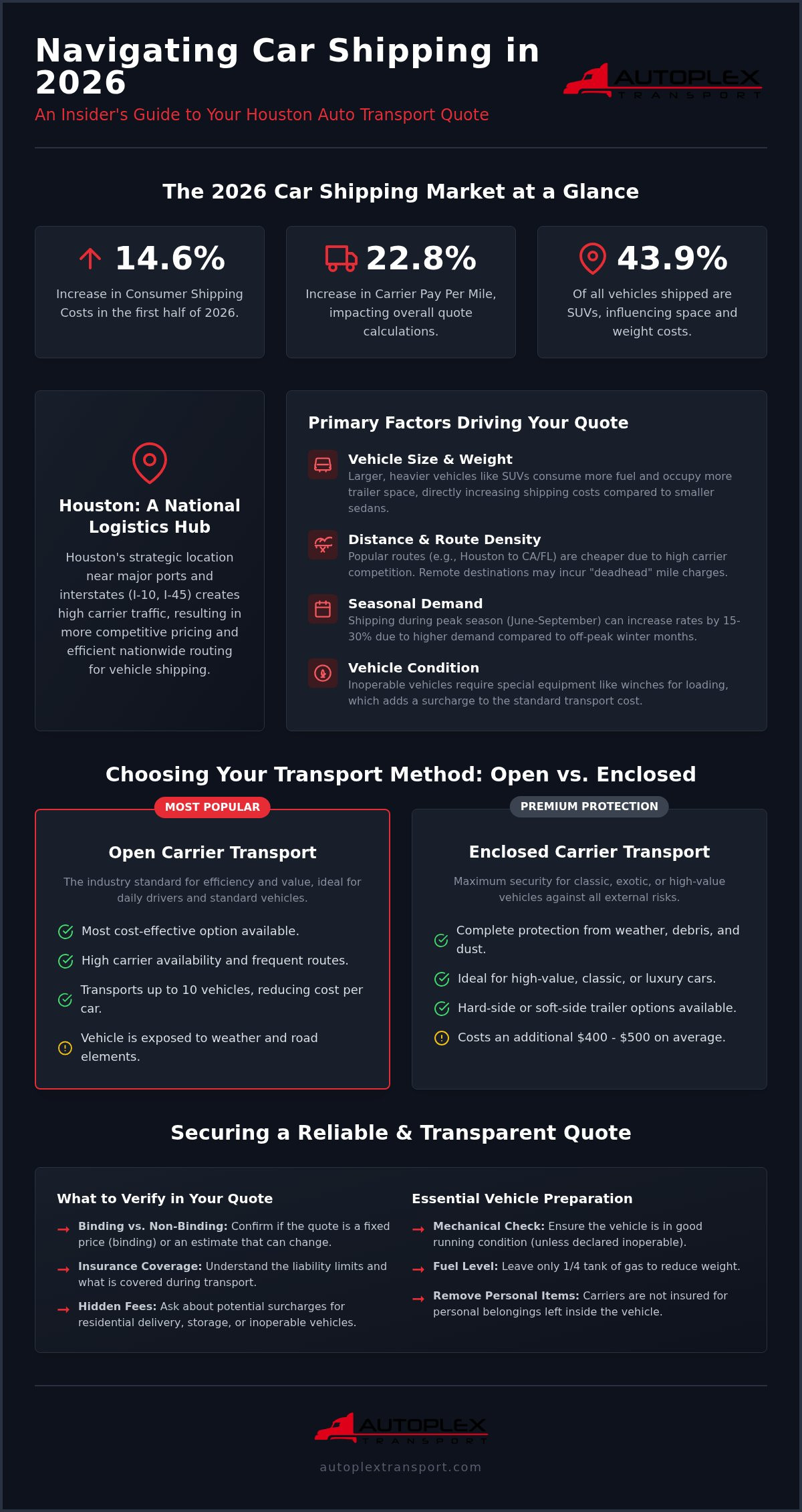
Physical factors like vehicle weight and dimensions play a massive role in fuel consumption and trailer space. In 2026, carrier pay per mile increased by 22.8% during the first half of the year. This shift makes the physical footprint of your car a critical part of your car shipping quote Houston calculation. Heavier vehicles require more fuel to transport, which is why SUVs, which make up 43.9% of all shipments in 2026, often cost more to move than smaller sedans. Seasonal demand also triggers interstate price fluctuations. Shipping during the peak season between June and September can see rates rise by 15% to 30% compared to the quieter winter months.
The Role of Distance and Route Density
Popular interstate corridors like the routes from Houston to California or Florida offer more competitive rates because of high route density. Carriers find it easier to fill their trailers on these paths, which lowers the cost per vehicle. If you’re shipping to a remote location, you might encounter “deadhead” miles. This term refers to the distance a carrier must drive with an empty trailer to reach your vehicle or their next pickup. Fuel price indices in 2026 have made these long-haul calculations even more precise, ensuring carriers remain profitable while providing nationwide transportation services.
Vehicle Specifications and Their Impact
Shipping a standard sedan typically costs less than moving a large SUV because sedans take up less physical space and weigh significantly less. For those moving inoperable vehicles, the logistics become more complex. These cars require specialized equipment like winches or forklifts for loading, which adds to the labor cost. Dimensional weight is a standard industry measurement that accounts for the total volume a vehicle occupies on a carrier’s trailer relative to its actual weight.
Evaluating Carrier Services: Open vs. Enclosed Transport
Deciding between open and enclosed transport is often the most critical choice you’ll make when reviewing a car shipping quote Houston. While both methods provide secure nationwide movement, they serve very different logistical needs. For most daily drivers, the goal is a balance of efficiency and safety. Professional auto transport services typically default to open carriers unless specified otherwise because of their high availability and lower cost. This choice directly impacts the final price, as the equipment used dictates the carrier’s capacity and fuel efficiency on the road.
The Open Carrier Standard
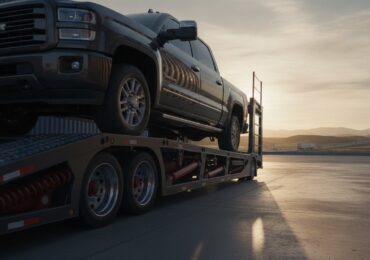
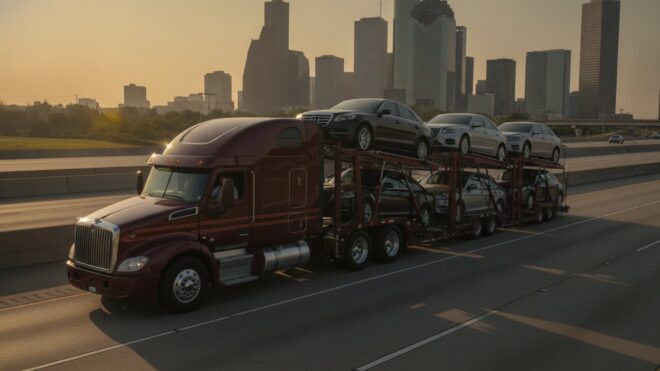
Most interstate moves utilize multi-car trailers, which can carry up to ten vehicles at once. This shared space significantly reduces the individual cost for consumers. When you look at open transport car shipping, you’re viewing the industry’s primary workhorse. A common misconception is that vehicles are highly vulnerable to road debris. In reality, modern trailers are designed with safety protocols that shield cars from the majority of environmental factors. Carriers use specialized four-point tie-down systems to ensure the car remains stationary throughout the journey. Since sedans make up 27.9% of shipped vehicles in 2026, this method remains the most popular choice for standard commutes and daily drivers.
Enclosed Shipping for High-Value Assets
For owners of classic, exotic, or high-end electric vehicles, enclosed car transport offers a superior level of protection. These trailers feature hard or soft sides that completely seal the vehicle from the outside world. Hard-side trailers provide a rigid shell that’s impervious to weather, while soft-side trailers use heavy-duty canvas. This service usually costs an additional $400 to $500 compared to open transport. Premium carriers often include hydraulic lift gates, which are essential for low-clearance cars that cannot drive up standard ramps. They also provide climate-control systems to protect sensitive electronics and custom paint finishes. With electric vehicles now making up 5.5% of the market, the demand for specialized handling is growing. If you’re unsure which level fits your vehicle, discussing your needs with a reliable transport partner can clarify the best path for your specific asset.
How to Analyze and Compare Auto Transport Quotes Accurately
When you receive a car shipping quote Houston providers offer, the bottom-line price is often the first thing you notice. However, professional auto transport requires a deeper analysis of the logistical contract behind that number. In the 2026 market, distinguishing between a binding and non-binding quote is essential for financial predictability. A non-binding quote is merely an estimate that can fluctuate based on carrier availability or fuel price shifts. In contrast, a binding quote locks in the price, provided the vehicle specifications and route details remain unchanged. Without this clarity, a low initial estimate can quickly escalate once the carrier is assigned.
Transparency is the foundation of a reliable partnership. Many companies hide costs in the fine print, such as fuel surcharges or residential access fees for narrow streets that a large multi-car carrier cannot navigate. You should also verify the credentials of any provider you consider. Every legitimate broker and carrier must have active Motor Carrier (MC) and United States Department of Transportation (DOT) numbers. As of January 16, 2026, the FMCSA requires brokers to maintain a $75,000 surety bond backed by liquid assets. This regulation ensures that the provider has the financial backing to protect both carriers and customers from payment disputes.
Identifying Transparent Pricing
It’s a common industry reality that the lowest quote often leads to the longest delays. If a broker sets the price too low, carriers won’t accept the load because it doesn’t cover their operating costs, which saw a 22.8% increase in the first half of 2026. A fully inclusive car shipping quote Houston residents can trust should clearly list door-to-door service, all tolls, and insurance coverage. Before signing, review the “Terms and Conditions” for red flags like non-refundable deposits or vague pickup windows that extend beyond seven days.
Insurance and Liability Coverage
Understanding the role of cargo insurance is vital for your peace of mind. Most reputable interstate carriers carry $1,000,000 in public liability insurance, which far exceeds the federal minimum of $750,000. You should differentiate between the carrier’s primary insurance and any secondary coverage your personal auto policy might provide. The Bill of Lading (BOL) is your most important document during this process. It serves as both a receipt and an inspection report; any pre-existing damage or new issues must be documented on the BOL to validate an insurance claim. You can verify a carrier’s safety record and authority through the new FMCSA Motus platform, which replaced legacy systems in 2026 to provide more accurate, real-time data for consumers.
Essential Preparation for Nationwide Interstate Transport
Once you’ve secured a car shipping quote Houston providers have verified, your focus must shift to the physical staging of your vehicle. Proper preparation is not just a recommendation; it’s a requirement to ensure the carrier can load your asset safely while remaining compliant with federal weight regulations. Following a structured how to prepare a car for transport workflow prevents last-minute delays and protects your insurance eligibility. This process begins with a thorough mechanical check to confirm the vehicle is in good working order for interstate travel.
Department of Transportation (DOT) regulations are strict regarding the contents of a vehicle during transit. Carriers are licensed to transport vehicles, not household goods. Leaving personal items inside the car can lead to fines for the driver at weigh stations or, in some cases, the carrier may refuse to load the vehicle. Removing all loose items also prevents interior damage caused by shifting belongings during long-haul movement. Ensuring your car is empty and mechanically sound helps maintain the integrity of the original logistics plan.
Mechanical and Physical Readiness
Weight management is a critical factor in modern logistics. You should keep your fuel level at approximately 1/4 tank. This amount is sufficient for the driver to load and unload the vehicle but light enough to keep the carrier’s total weight within legal limits. Before the driver arrives, wash your car thoroughly. A clean exterior allows for an accurate inspection during the Bill of Lading (BOL) process. You should take high-resolution photographs of all angles, including the roof and lower bumpers, to document the vehicle’s condition. Additionally, ensure that all aftermarket accessories like spoilers, bike racks, or loose antennas are removed or securely fastened to prevent wind damage.
The Door-to-Door Pickup Experience
While most customers prefer Door 2 Door Transportation, the logistics of residential access can be challenging for large multi-car carriers. These trucks can be up to 80 feet long and require significant space to maneuver. If your Houston neighborhood has low-hanging trees, tight cul-de-sacs, or strict weight limits for residential streets, the driver may suggest a terminal-to-terminal alternative or a nearby commercial parking lot for the exchange. You should coordinate closely with your driver as the pickup window approaches. Most professional drivers will provide a two to four-hour notice before arrival. Being present for the inspection ensures that any existing scratches or dents are noted correctly on the BOL, providing you with a clear record before the journey begins. If you are ready to start the process with a seasoned expert, you can request a detailed transport plan from our team today.
Professional Auto Transport: The AutoPlex Reliability Framework
Choosing a partner for nationwide vehicle movement requires more than just looking at the bottom line. It requires a relationship with a seasoned industry veteran that understands the intricate balance between cost, safety, and timing. AutoPlex Transport Company positions itself as a methodical expert in the field, prioritizing a “reliable partner” approach over high-pressure sales tactics. We believe that a car shipping quote Houston residents receive should be a transparent roadmap of the entire logistical journey, leaving no room for uncertainty or unexpected financial shifts.
Our commitment to safety is grounded in years of practical experience managing valuable assets across diverse interstate corridors. We don’t just move cars; we manage a comprehensive logistical framework designed to ensure a damage-free delivery experience. By providing detailed quote breakdowns, we empower you with the knowledge needed to make an informed decision about your vehicle’s transport. This level of transparency builds the trust necessary for a successful long-distance partnership, ensuring you feel secure from the initial inquiry to the final inspection at your destination.
Our Methodical Approach to Logistics
Managing complex state-to-state routes requires precision and a deep understanding of carrier capacity. We utilize a rigorous vetting process for every carrier within our network, verifying safety records, insurance validities, and compliance with the 2026 FMCSA standards. This ensures that your vehicle is always in the hands of a professional who meets our high standards for reliability. Our philosophy is built on being a helpful guide through the complexities of the industry. We take the time to explain how route density and seasonal shifts might affect your specific timeline, providing a steady and confident voice in a field that can often feel overwhelming to those unfamiliar with its inner workings.
Securing Your Reliable Nationwide Quote
Securing a professional car shipping quote Houston vehicle owners can rely on is the first step toward a stress-free relocation. When you work with an expert logistical planner, you gain the peace of mind that comes from knowing every detail, from door-to-door logistics to cargo insurance, has been handled with care. Our framework is designed to lead you from a state of inquiry to a state of total understanding, ensuring that your interstate vehicle transportation is handled with the highest level of professionalism. If you are ready to experience a methodical and protective approach to your next move, you can request a transparent quote from our team to begin your journey with confidence.
Moving Forward with Confidence and Transparency
Securing a car shipping quote Houston residents can trust requires a methodical approach to understanding modern logistics. You’ve learned how Houston’s hub status provides a competitive edge and why the 14.6% price increase in early 2026 makes accuracy more important than ever. Vetting carriers through the new FMCSA Motus platform is now a non-negotiable step for ensuring safety and financial protection during your move. Whether you choose the efficiency of an open carrier or the specialized protection of enclosed transport, success depends on transparent, binding pricing and thorough vehicle preparation.
AutoPlex Transport Company is here to serve as your seasoned industry veteran and reliable partner. We manage every detail of your journey with expert interstate logistics management and a commitment to utilizing only fully licensed and insured carriers. Our nationwide door-to-door service ensures your vehicle arrives safely at its destination without the stress of hidden fees, residential access surcharges, or logistical delays. Your vehicle is a significant asset that requires a steady hand; let’s ensure it gets the professional care it deserves.
Get Your Professional Car Shipping Quote Today
Frequently Asked Questions
How is a car shipping quote in Houston calculated?
A car shipping quote Houston calculation is based on several logistical variables. These include the total distance between origin and destination, the vehicle’s weight and dimensions, and the current market demand for that specific route. In 2026, carrier pay per mile has seen a 22.8% increase, which directly influences these totals. Additionally, the choice between open or enclosed carriers and the accessibility of pickup and delivery locations affect the final pricing breakdown provided to customers.
What is the difference between an open and enclosed car carrier?
The primary difference lies in the level of exposure and protection provided during transit. Open carriers are the industry standard, moving multiple vehicles on an exposed trailer; this is the most cost-effective option for daily drivers. Enclosed transport services utilize a fully sealed trailer to shield high-value assets from weather and road debris. While enclosed shipping typically costs an additional $400 to $500, it’s the preferred choice for exotic cars and high-end electric vehicles today.
How long does it take to ship a car cross-country in 2026?
Cross-country shipping typically takes between 7 and 10 days, depending on the specific route and weather conditions. Logistics are managed with precision to account for driver rest requirements and mandatory weigh station inspections. While shorter regional trips might take only 2 to 4 days, nationwide moves require more complex coordination. Factors such as route density and the transition to the FMCSA’s Motus platform for carrier verification can also influence the overall delivery timeline for interstate travel.
Are personal items allowed inside the vehicle during transport?
No, personal items are generally not allowed inside the vehicle during interstate transport due to Department of Transportation regulations. Carriers are licensed specifically for vehicle movement, and household goods can lead to significant fines at weigh stations. Excess weight from personal belongings can also compromise the carrier’s legal weight limits and safety protocols. It’s best to remove all loose items to prevent interior damage and ensure a smooth, compliant shipping process for everyone involved in the move.
Does my car insurance cover the vehicle while it is on a carrier?
Most personal car insurance policies provide limited coverage while a vehicle is being transported by a professional carrier. However, reputable interstate carriers are required by the FMCSA to carry a minimum of $750,000 in public liability insurance, though the industry standard is often $1,000,000. You should always verify the carrier’s cargo insurance policy and check with your own provider to understand how your primary coverage interacts with the carrier’s secondary liability during the nationwide journey.
What happens if my car is damaged during interstate transport?
If damage occurs, the Bill of Lading (BOL) serves as your primary evidence for a claim. You must perform a thorough inspection at delivery and document any new issues directly on the BOL before the driver leaves. Once the damage is noted, you can initiate a claim through the carrier’s cargo insurance. Working with a seasoned industry veteran ensures you have a reliable partner to guide you through the documentation and resolution process with minimal stress and total transparency.
Why do car shipping quotes vary so much between companies?
Variations in a car shipping quote Houston residents receive often stem from differences in service quality and logistical transparency. Some companies provide non-binding estimates that don’t include fuel surcharges or residential access fees, while others offer fully inclusive, binding quotes. Prices also fluctuate based on carrier availability and the broker’s ability to secure a spot on a high-density route. A lower quote may indicate a longer wait time as the broker struggles to find a carrier.
How far in advance should I book my vehicle transportation?
It’s recommended to book your vehicle transportation 3 to 4 weeks in advance to secure the best rates and preferred dates. Booking early allows for better logistical planning and gives your transport partner enough time to match your vehicle with the most reliable carrier. If you’re shipping during peak season between June and September, demand is significantly higher. Flexible dates can often help you avoid the 15% to 30% price spikes common during these busy summer months.