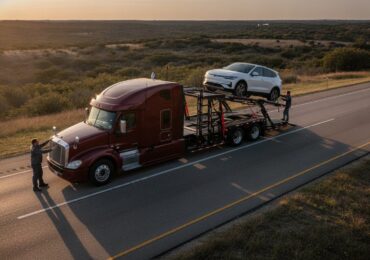
Choosing the lowest shipping quote for a high-value vehicle isn’t a saving; it’s a gamble with your car’s equity. You’ve likely spent significant time and resources maintaining a pristine finish or a rare engine, so the fear of road debris or sudden storms during a cross-country trip is completely valid. Understanding the enclosed auto transport cost is about more than just comparing numbers on a screen. It’s about recognizing the value of a specialized environment that shields your investment from the elements.
We understand that variations in quotes can be confusing, especially when hidden fees seem to lurk in the fine print. This guide provides a clear framework to help you decide between soft-side and hard-side transport options while ensuring you don’t overpay for your specific needs. We’ll explore the logistical factors that influence 2026 rates and explain how door-to-door service provides the security your vehicle deserves. By the end of this article, you’ll have the technical knowledge to choose a national provider with confidence and protect your vehicle’s long-term value.
Key Takeaways
- Learn why specialized trailers carry fewer vehicles to prioritize safety, a key factor that defines the enclosed auto transport cost.
- Identify the logistical drivers behind your quote, including how route density and vehicle dimensions impact trailer capacity.
- Analyze the return on investment for enclosed shipping by calculating how preventing a single rock chip preserves your car’s resale value.
- Distinguish between soft-side and hard-side transport options to find the right level of protection for your specific vehicle type.
- Master the process of verifying carrier insurance and vetting national providers to ensure your asset is fully protected during door-to-door delivery.
What Defines Enclosed Auto Transport & Why the Price Premium?
Enclosed auto transport is a specialized shipping method where vehicles are housed within a fully covered trailer. This setup provides a physical barrier against road debris, harsh weather, and prying eyes. Unlike open carriers that leave assets exposed to the elements, these trailers are sealed environments designed specifically for high-value cargo. It’s a premium service that treats your vehicle as a protected asset rather than just another piece of freight.
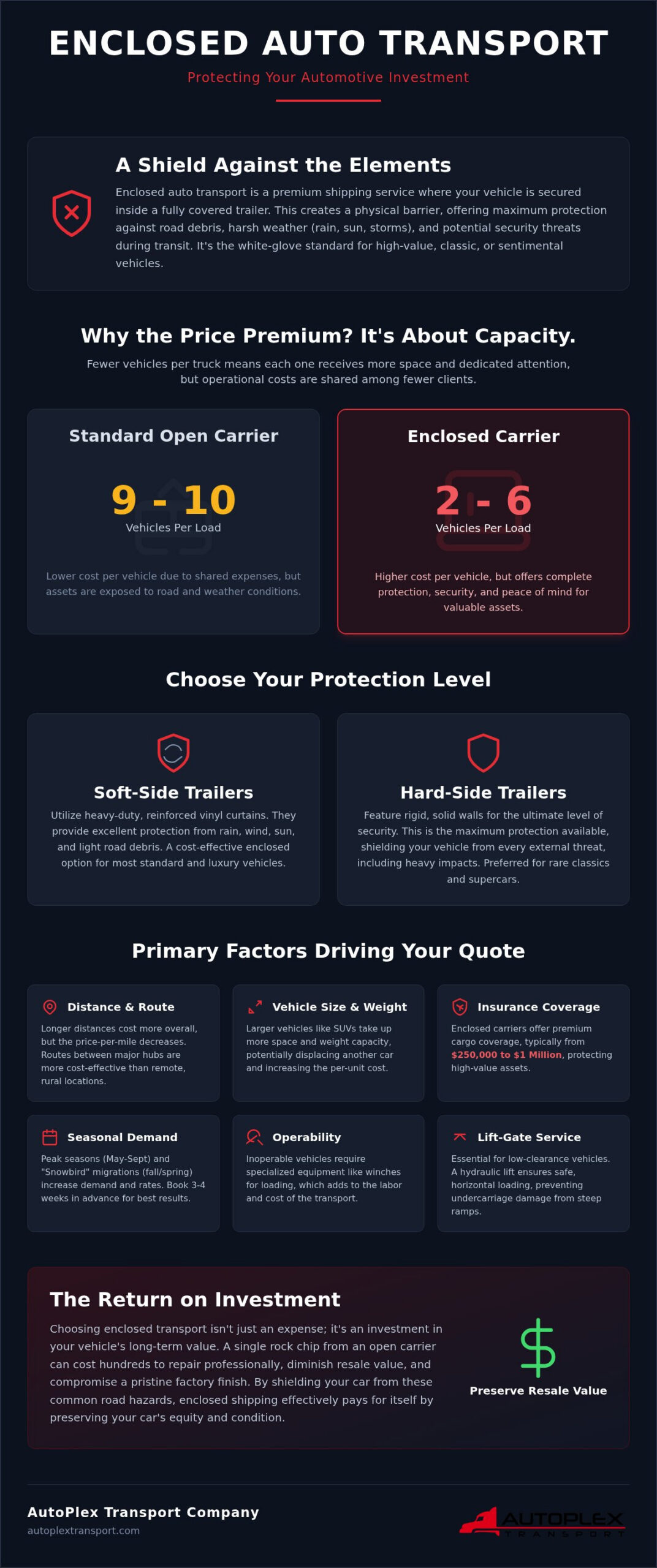
The logic behind the price premium is largely a matter of trailer capacity and equipment expenses. A standard open carrier can often transport nine or ten vehicles at once, spreading the operational costs across many units. In contrast, enclosed trailers typically carry only two to six vehicles. Because the carrier moves fewer cars per trip, the per-unit enclosed auto transport cost naturally increases to cover fuel, insurance, and specialized labor. In the 2026 market, specialized driver shortages have added another layer to these rates. Operating enclosed equipment requires advanced training and a higher level of liability coverage, making these drivers a rare and valued commodity in the logistics industry.
Hard-Side vs. Soft-Side Enclosed Trailers
Choosing between trailer types is the first step in managing your budget. Soft-side trailers use heavy-duty, reinforced vinyl curtains. These provide excellent protection against rain, wind, and sun, but they aren’t completely impenetrable to heavy road debris or extreme impacts. Hard-side trailers feature rigid, solid walls. This is the maximum level of protection available, shielding the vehicle from every external threat. Because hard-side trailers are heavier and more expensive to operate, they command the highest market rates. If you’re moving a rare classic or a high-end luxury vehicle, the solid-wall protection is often the preferred standard.
The Role of Lift-Gates in Premium Transport
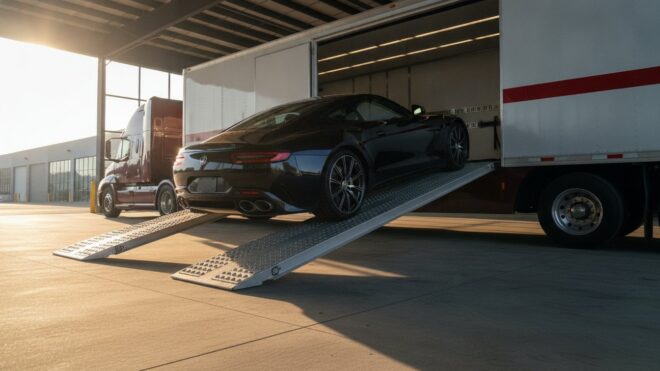
For low-clearance vehicles like exotic sports cars or vintage collectibles, traditional ramps pose a significant risk of undercarriage damage. This is where hydraulic lift-gates become essential. These platforms stay perfectly horizontal while raising the vehicle from the ground to the trailer deck. While this equipment ensures a safer loading process, its limited availability can sometimes extend your shipping timeline. Prioritizing lift-gate service is a hallmark of white-glove handling. It ensures that even the lowest-profile vehicles are loaded without the risk of scraping or structural stress, providing peace of mind for owners of sensitive assets.
Primary Factors Driving Your Enclosed Shipping Quote
Understanding why quotes vary starts with basic logistics. Distance is the most obvious factor, but it doesn’t scale linearly. While a 2,000-mile trip costs more in total than a 200-mile trip, the price per mile actually drops as the distance increases. This happens because the fixed labor of loading and unloading is spread across more miles. Route density also matters. If you’re shipping between major national hubs, carriers find it easier to fill their trailers, which helps stabilize your enclosed auto transport cost compared to rural, off-path locations.
Vehicle size and weight play a critical role in the final quote. A compact sports car takes up less physical space and adds less weight than a full-sized luxury SUV. Since enclosed trailers have strict volumetric and weight limits, an oversized vehicle might occupy the space of two smaller ones, effectively reducing the carrier’s capacity. Additionally, 2026 fuel surcharges reflect current energy market volatility, impacting long-haul logistics more than local moves. You’re also paying for significantly higher insurance limits. Enclosed carriers typically provide cargo coverage ranging from $250,000 to $1 million, ensuring high-value assets are protected far beyond the limits of a standard open carrier.
Seasonal Demand and Peak Shipping Windows
The “Snowbird” effect remains a powerful force in the industry. During late autumn and early spring, thousands of vehicles move between northern and southern states, tightening the supply of available enclosed trailers. Similarly, the peak moving season from May to September sees a surge in classic car transport for shows and auctions. This high demand often leads to longer wait times and higher rates. To avoid the highest price spikes, we recommend securing your reservation at least three to four weeks in advance to lock in a slot with a vetted carrier.
Operable vs. Inoperable Vehicle Handling
Shipping a car that doesn’t start requires more than just extra effort; it requires specialized equipment. Carriers must use winches to safely pull the vehicle into the trailer, a process that demands extreme precision in the tight confines of an enclosed space. This additional labor and equipment usage makes inoperable shipping more expensive. Safety protocols are much stricter for these moves, as the driver must ensure the vehicle is perfectly positioned and secured without the aid of its own power, preventing any movement that could damage the interior of the trailer or other cargo.
Open vs. Enclosed: Analyzing the Long-Term Value Protection
Deciding between open and enclosed transport often comes down to a simple calculation of risk versus reward. While open carriers are the standard for daily drivers, the enclosed auto transport cost represents a strategic move to preserve a vehicle’s equity. Consider the “diminished value” argument. For a collector car or a limited-edition exotic, a single rock chip on original factory paint can reduce the resale value by thousands of dollars. This financial loss far outweighs the upfront premium of a protected trailer.
Beyond physical debris, exposure to industrial fallout and road salt can cause subtle but permanent damage to clear coats and undercarriages. Enclosed shipping eliminates these variables entirely. Privacy is another factor. High-profile vehicles attract attention. Keeping your asset behind solid walls ensures it remains out of public view during overnight stops or rest periods, adding a layer of security that open carriers cannot provide. When you compare the price of a professional paint correction or detailing service to the cost of the upgrade, the protection often pays for itself.
When the Premium is Non-Negotiable
Certain vehicles require enclosed service by design. If your car has a ground clearance under 5 inches, the hydraulic lift-gates found on premium enclosed trailers are a necessity to prevent bumper scraping. Similarly, investment-grade classics with original lacquer or vehicles with custom convertible tops are too sensitive for open-air transit. In these scenarios, the premium isn’t a luxury; it’s a baseline requirement for safe delivery. Protecting these assets from the high-velocity wind and pressure of an open trailer is essential for maintaining their structural integrity.
The ROI of ‘White-Glove’ Delivery
The return on investment extends to the quality of the delivery experience itself. Understanding how to prepare a car for transport ensures that the initial condition report is accurate and detailed. Enclosed drivers often have specialized experience with high-end electronics and sensitive mechanical systems, providing a more nuanced handling process. Documented condition reports are typically more rigorous in this sector, providing a clear paper trail that protects your interests from pickup to drop-off. By eliminating the risk of environmental damage, the enclosed auto transport cost ensures your vehicle arrives in the exact condition it left, ready for the showroom or the open road.
How to Secure the Best Enclosed Auto Transport Rates
Securing a competitive rate requires a balance between timing and diligence. While it’s tempting to choose the lowest bidder, the enclosed auto transport cost shouldn’t be the only metric you use. In the specialized shipping industry, “low-ball” quotes are a common red flag. These prices are often too low to attract a reputable, vetted carrier, leaving your vehicle stranded on a dispatch board for weeks. A reliable quote reflects the actual market rate required to secure a driver with the high-value cargo insurance necessary for your asset. We recommend verifying that the carrier’s policy specifically covers the full replacement value of your car, as standard limits may fall short for exotics or rare classics.
Booking windows also play a vital role in your final price. The “sweet spot” for balancing availability and cost is typically two to four weeks before your desired pickup date. If you have flexibility with your schedule, you can often save hundreds. Carriers frequently look for single vehicles to fill the final spot on a pre-existing route. By allowing a wider window for pickup and delivery, you make your shipment more attractive to drivers already moving through your area, which can lead to more favorable pricing without sacrificing the quality of care.
Evaluating the ‘All-Inclusive’ Quote
A transparent quote should leave no room for surprises. When reviewing your options, check for hidden fees like fuel surcharges, tolls, or residential delivery premiums that some companies add after the initial agreement. This is why enclosed car transport specialist vetting is so critical. You should ask potential providers about the specific trailer type they intend to use. Whether it’s a multi-car stacker or a single-car trailer, the equipment should match the technical requirements of your vehicle, such as the need for a lift-gate or specialized tie-down points that won’t damage the frame.
Optimizing Your Pickup and Delivery Locations
Geography significantly influences logistics. Shipping between major metro hubs is generally more cost-effective because these routes have higher traffic and more frequent carrier rotations. If you live in a rural area or a location with restricted access, like narrow residential streets or low-hanging trees, the carrier may need to meet you at a nearby parking lot. This doesn’t just ensure safety; it prevents the surcharges associated with difficult maneuvering. While terminal-to-terminal shipping is rare for enclosed services, choosing a meeting point near a major interstate can sometimes reduce the total distance and labor required, helping you manage the overall budget for your move.
Ready to protect your investment with a service that prioritizes safety and transparency? You can request a transparent quote today to see how our vetted network handles your specific transport needs.
Why AutoPlex Transport Company is the Trusted Choice for Enclosed Shipping
AutoPlex Transport Company positions itself as more than a service provider; we act as a dedicated partner in the preservation of your vehicle’s value. Our nationwide reach ensures that whether you’re moving a single asset across state lines or managing a collection, you receive the same high standard of safety and reliability. We understand that the enclosed auto transport cost is an investment in your peace of mind. This is why we prioritize total transparency from the initial inquiry to the final delivery, ensuring you understand every factor of your quote without the fear of hidden fees.
We specialize in providing customized solutions, including professional classic car transport on national routes, utilizing only the most modern equipment. Every carrier in our network undergoes a rigorous vetting process that exceeds industry standards. We verify insurance limits, equipment maintenance records, and driver experience levels. This ensures your vehicle is handled by professionals who understand the technical nuances of high-value logistics, such as proper tie-down techniques and hydraulic lift-gate operation.
Advanced Tracking and Communication
One of the greatest stressors in long-distance shipping is the “black box” feeling that occurs once the vehicle is loaded. We eliminate this uncertainty through consistent status updates and direct access to our logistical experts. You won’t be left wondering about the location or safety of your asset. Our team provides regular check-ins during transit, ensuring you’re informed of any weather-related shifts or traffic delays. This proactive communication style reinforces our role as a stable and experienced hand in a complex industry, allowing you to focus on your move while we manage the logistics.
Get Your Transparent Enclosed Shipping Quote Today
Finalizing your 2026 transport plan is a straightforward process designed to respect your time. To receive an accurate enclosed auto transport cost, our request system requires a few specific details about your vehicle and route. Having the following information ready will ensure the most precise quote:
- The vehicle Identification Number (VIN) for accurate insurance logging.
- Details on any modifications, such as spoilers, wide-body kits, or lowered suspensions.
- The current operable status of the car.
- Your preferred pickup and delivery windows.
Once you submit your details through our online request portal, the AutoPlex Transport Company team will analyze the logistics and provide a comprehensive, all-inclusive quote. We’re here to answer your technical questions and provide the professional guidance needed to move your vehicle with absolute confidence.
Protecting Your Automotive Investment in 2026
Navigating the logistics of vehicle shipping requires a balance of technical knowledge and strategic planning. By prioritizing specialized high-value vehicle protection, you aren’t just moving a car; you’re safeguarding its future resale value and mechanical integrity. We’ve explored how trailer types, seasonal demand, and equipment like hydraulic lift-gates influence the enclosed auto transport cost. Choosing a vetted professional carrier network ensures that your asset is handled with the precision it deserves at every stage of the journey.
As you plan your next move, remember that transparency and proactive communication are the hallmarks of a reliable partner. Our national door-to-door service is designed to remove the complexity from interstate shipping, providing a stable and secure experience from pickup to delivery. Whether you’re moving a single exotic or a full collection, we provide the methodical care necessary for a successful transport. Request Your Enclosed Auto Transport Quote from AutoPlex Transport Company Today to receive a clear, all-inclusive rate tailored to your specific vehicle. We look forward to helping you manage your transport needs with the care and expertise your investment requires.
Frequently Asked Questions
Is enclosed auto transport worth the extra cost for a daily driver?
Most daily drivers don’t require enclosed shipping because they’re designed to withstand standard road exposure. Enclosed transport is a financial strategy used to prevent diminished value on investment-grade assets or vehicles with custom finishes. However, if your daily driver is a high-end luxury model with sensitive external sensors or a delicate paint color, the protection against industrial fallout and road salt might justify the premium.
How much more expensive is enclosed shipping compared to open carrier?
Industry standards suggest that enclosed transport typically costs between 30% and 60% more than open carrier services. This premium reflects the specialized equipment, higher insurance limits, and the fact that enclosed trailers carry fewer vehicles per trip. While the upfront investment is higher, it eliminates the risk of environmental damage. This price difference is often viewed as an essential insurance policy for a vehicle’s long-term resale equity.
Does enclosed car transport take longer than open shipping?
Pickup windows can be slightly longer because there are fewer enclosed carriers available nationwide compared to open trailers. Customers can typically expect a 2 to 5 day pickup window for specialized equipment. Once the vehicle is loaded, the transit time is comparable to standard shipping methods. Planning your move two to four weeks in advance helps mitigate equipment availability delays and ensures a smoother logistical experience.
What is the difference between hard-side and soft-side enclosed trailers?
Soft-side trailers use heavy-duty vinyl curtains to block rain and sun, while hard-side trailers feature rigid, solid walls for maximum protection. Hard-side trailers offer the highest level of security against road debris and heavy impacts during transit. Because hard-side equipment is heavier and more expensive to operate, it usually commands the highest market rates. Most collectors of rare classics or exotic supercars prefer hard-side protection for its impenetrable barrier.
Are my personal belongings covered if I ship them inside the car?
No, carrier cargo insurance specifically covers the vehicle and doesn’t extend to personal items left inside the cabin or trunk. Most transport companies prohibit shipping personal belongings because they add unregulated weight and aren’t secured against movement. Items left in the car can shift during transit, potentially damaging the interior or windows. It’s always best to remove all personal effects and non-permanent accessories before the driver arrives.
How much insurance coverage is included in an enclosed transport quote?
Enclosed carriers typically provide significantly higher coverage, often ranging from $250,000 to $1 million in cargo insurance. This high-level coverage is a primary factor in the enclosed auto transport cost compared to open carriers, which often have much lower limits. You should always request a copy of the carrier’s insurance certificate to verify the specific limits. This ensures that even the most valuable exotic or classic vehicles are fully protected.
Can I ship an inoperable car in an enclosed trailer?
You can ship an inoperable vehicle, but it requires a trailer equipped with a winch and specialized loading gear. The driver must safely pull the car into the tight confines of the trailer without its own power, which requires additional labor and precision. This specialized handling increases the overall enclosed auto transport cost. You must disclose the vehicle’s status during the quote process to ensure the assigned carrier has the necessary equipment.
What should I do if my vehicle is damaged during enclosed transport?
You must document any discrepancies on the Bill of Lading during the final delivery inspection. Take clear, high-resolution photos of the damage immediately while the driver is still present at the delivery site. The signed Bill of Lading is the primary document used for insurance claims. Once the driver leaves, it becomes much harder to prove when the damage occurred. Contact your transport coordinator right away to initiate the official claims process.