
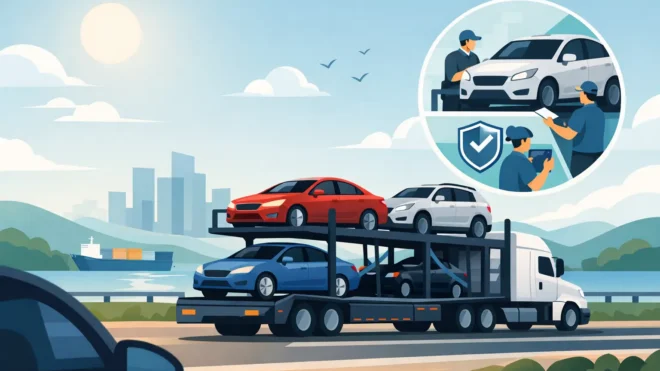
A cross-country drive can add thousands of miles, road wear, hotel costs, and days of planning to an already busy move or vehicle purchase. That is why many customers ask, is open carrier safe before they book transport. For most standard vehicles, the answer is yes. Open auto transport is a dependable, widely used way to ship a car, truck, or SUV nationwide when it is handled by a qualified carrier and supported by a careful pickup-to-delivery process.
Open shipping does involve some exposure to normal outdoor conditions. The key is understanding what that means, what professional carriers do to protect your vehicle, and when the added protection of enclosed transport may be the better fit.
Is Open Carrier Safe for Most Vehicles?
Open carrier shipping is safe for the majority of everyday vehicles. The large multi-car trailers you see on highways are open carriers. They regularly move new vehicles to dealerships, transport cars for relocations, and deliver online vehicle purchases across state lines.
Your vehicle is secured to a specialized trailer using approved tie-down equipment. It is not driven for the length of the route, exposed to the wear of highway miles, or left in unsecured parking areas along the way. A professional driver manages the route, loading, and delivery coordination so you can avoid the fatigue and logistics of a long-distance drive.
The main difference between open and enclosed transport is not whether the vehicle is secured. Both methods use trained handling and secure loading practices. The difference is that an open carrier does not have solid walls and a roof around the vehicle. That makes it a cost-effective choice, but it also means the car may encounter weather and ordinary road dust during transit.
For a daily driver, family SUV, pickup truck, or late-model vehicle, this level of exposure is usually manageable. Many customers simply schedule a wash after delivery and enjoy the significant savings compared with enclosed shipping.
What Protection Does an Open Carrier Provide?
Open auto transport is designed to hold vehicles securely over long distances. A properly operated carrier uses a planned loading process to make sure each vehicle is positioned and fastened safely for the trip.
Before loading, the driver typically performs a vehicle condition inspection. Existing dents, scratches, and other visible marks are documented on the inspection report. This record gives both the customer and carrier a clear reference point before transport begins. At delivery, you review the vehicle again with the driver before signing the final paperwork.
During transit, the vehicle is secured to the trailer so it does not shift under normal driving conditions. Professional carriers also account for vehicle dimensions, ground clearance, weight, and loading position. These details matter, especially for lowered cars, large trucks, specialty SUVs, and vehicles with custom modifications.
Carrier insurance is another important part of the process. Ask for confirmation of the carrier’s active insurance coverage before shipment. A reliable transport coordinator should be ready to explain the documentation process, inspection expectations, and how to raise a concern if one arises.
The Real Risks of Open Auto Transport
No shipping method can eliminate every possibility of damage. Open carrier transport is safe, but it is not the same as storing a vehicle indoors. Being clear about the trade-off helps you choose the service with confidence.
The most common concern is exposure to rain, snow, wind, dust, pollen, and road grime. These conditions can make a vehicle dirty, but they do not usually cause damage. Small debris can also be kicked up by highway traffic, although serious damage from this is uncommon.
Weather delays can happen as well. Severe storms, road closures, and unsafe driving conditions may affect pickup or delivery timing. A professional carrier will prioritize safe operation rather than take unnecessary risks to meet an unrealistic schedule.
There is also a limited risk during loading and unloading, as there is with any transport method. This is why the initial and final inspections are so valuable. Take clear photos of your vehicle before pickup, including all sides, the wheels, glass, roof, and any existing imperfections. Keep a copy of the inspection report until your shipment is complete.
When Open Carrier Shipping Makes the Most Sense
Open transport is often the right choice when your vehicle is used regularly and you want reliable nationwide shipping at a practical price. It is particularly well suited for people moving to another state, snowbirds transporting a vehicle between seasonal homes, families sending a car to a student, and buyers who have purchased a vehicle from a distant seller.
It also works well for dealerships and customers moving multiple vehicles. Because open trailers can carry several vehicles at once, the cost per shipment is generally lower than a private or enclosed option. That efficiency is one reason open carriers remain the most common type of auto transport in the United States.
Choose open transport when your priority is balancing safety, convenience, and budget. You still receive professional vehicle handling without paying for a fully enclosed trailer you may not need.
When Enclosed Transport May Be Better
Enclosed shipping is worth considering when your vehicle needs greater protection from weather, dirt, and road debris. A fully covered trailer provides an additional layer of protection throughout the route.
This option is commonly selected for classic cars, exotic vehicles, luxury models, show cars, rare collectibles, and vehicles with a high-value custom finish. It can also be a smart choice for a recently restored vehicle or a car that cannot reasonably be exposed to winter weather conditions.
The decision often comes down to the vehicle’s value, condition, and your comfort level. If a standard wash after delivery is acceptable, open transport is usually a sensible solution. If even minor exposure to road conditions would be a concern, enclosed transport can provide added peace of mind.
How to Make Open Carrier Transport Safer
A good shipment starts with preparation and clear communication. Before pickup, remove personal belongings from the vehicle. Auto carriers are intended to transport vehicles, not household goods, and loose items can create avoidable issues. Remove toll tags, parking passes, detachable accessories, and any custom items that could come loose during travel.
Make sure the vehicle is operable unless you have arranged transport for an inoperable car. Check that the tires are properly inflated, the battery is charged, and there are no major fluid leaks. Keep the fuel level low, generally around one-quarter of a tank, to reduce unnecessary weight while allowing the driver to load and unload the vehicle.
If your car has low clearance, oversized tires, a roof rack, spoilers, or special starting instructions, share that information before dispatch. The more accurately the carrier understands your vehicle, the better they can plan safe loading and placement.
On pickup day, meet the driver if possible. If you cannot be there, designate a trusted adult who can review the inspection, hand over the keys, and communicate with the driver. The same approach helps at delivery. A careful final inspection before you sign gives you the opportunity to identify any concerns while the driver is present.
Questions to Ask Before You Book
The safest open carrier experience comes from working with a transport company that communicates clearly. Before booking, ask whether the carrier is properly insured, how pickup and delivery updates are handled, and what the inspection process looks like. You should also confirm whether your vehicle has special requirements based on its size, condition, or modifications.
Be cautious of pricing that seems dramatically lower than every other quote. A very low estimate can lead to delays, poor communication, or a last-minute request for additional payment. The goal is not simply to find the cheapest option. It is to find a reliable transport plan with honest expectations and responsive support.
At AutoPlex Transport, customers can discuss their route, vehicle type, timing, and preferred protection level with a dedicated advisor before scheduling. That conversation makes it easier to decide whether open or enclosed shipping fits the vehicle and the trip.
Open carrier transport is a practical, proven choice for most vehicles, especially when you prepare the car, document its condition, and work with a professional team that keeps you informed. A quick conversation about your route and vehicle can turn a stressful long-distance move into a straightforward pickup and delivery plan.
