Why would you spend your valuable time navigating traffic to reach a remote shipping terminal when your vehicle could be picked up right from your driveway? For those seeking trusted door to door car shipping services, the choice often comes down to balancing convenience with absolute vehicle safety. It’s understandable to feel a sense of hesitation when planning a long-distance move. You might worry about the logistical headache of terminal drop-offs or the fear of discovering unexpected fees once the contract is signed.
At AutoPlex Transport Company, we understand that your vehicle is a significant asset, and the process of moving it across the country should be transparent and methodical. This guide provides a comprehensive look at how door-to-door logistics offer the ultimate level of security by maintaining a consistent chain of custody. You’ll learn exactly how professional carriers manage residential pickups, what to look for in insurance documentation, and how to verify nationwide availability. By the end of this article, you’ll have a clear roadmap for a stress-free transport experience that prioritizes your peace of mind and your vehicle’s protection.
Key Takeaways
- Understand the logistical shift from terminal-to-terminal to door-to-door models and why this modern standard minimizes vehicle handling risks.
- Compare the cost and safety advantages of direct residential service over terminal shipping, which often involves longer transit times and higher damage potential.
- Learn the essential steps for residential pickup, including how to assess your street for carrier accessibility and the importance of a detailed pre-transport inspection.
- Discover how specialized door to door car shipping Houston services provide a seamless interstate connection through a verified network of FMCSA-registered carriers.
- Gain clarity on federal regulations and insurance requirements to ensure your vehicle is fully protected by appropriate cargo coverage during nationwide transit.
What is Door-to-Door Car Shipping and How Does it Work?
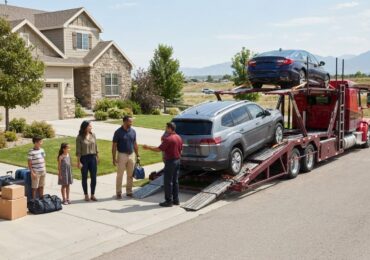
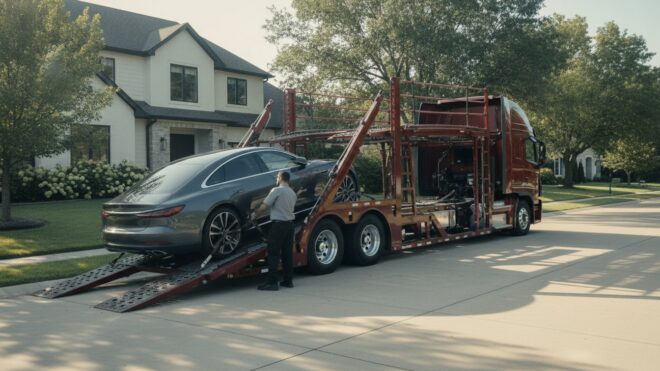
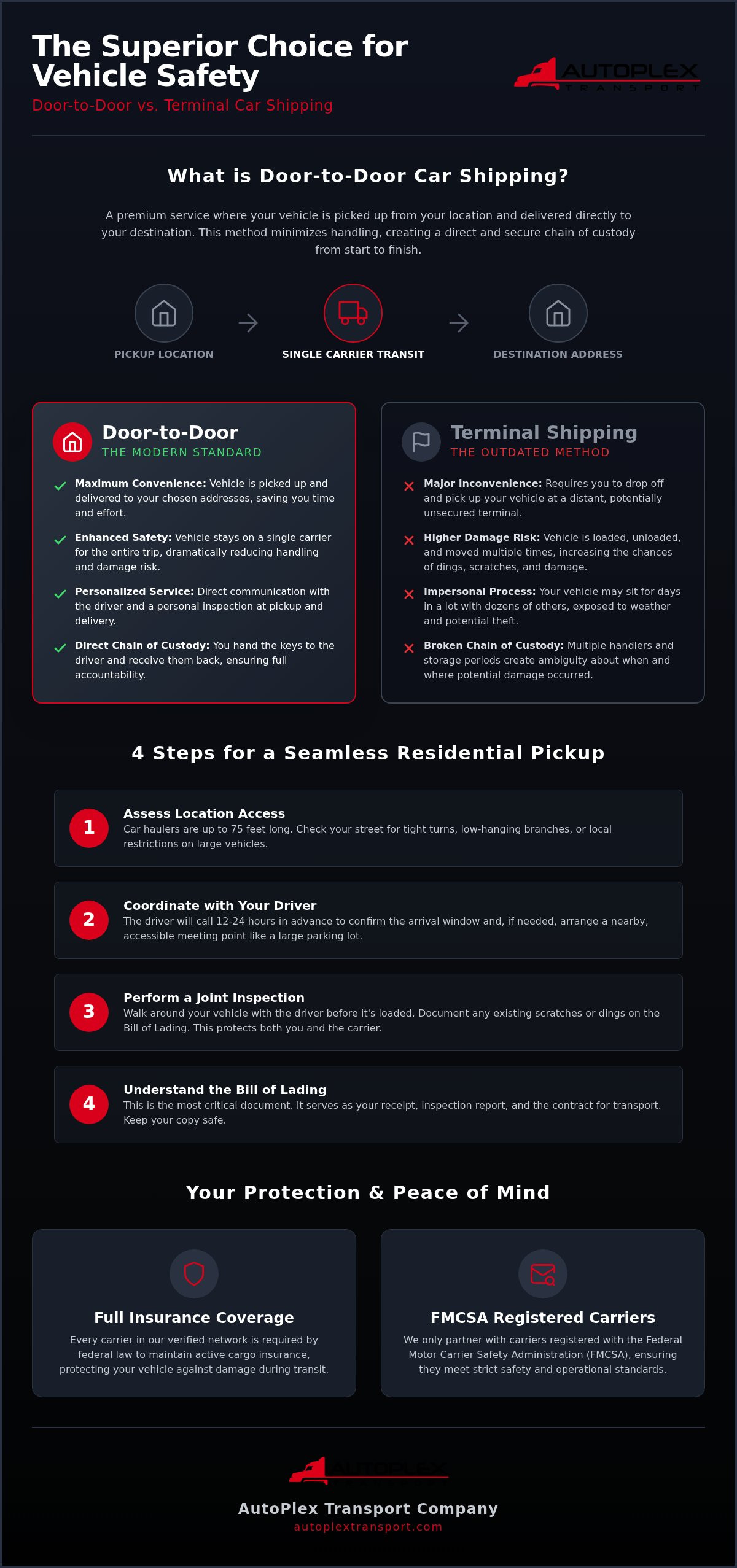
Door-to-door car shipping is a service designed to simplify the vehicle transport process by eliminating the need for you to visit a storage yard or terminal. Instead, the carrier arrives at your specified address to load the vehicle and delivers it as close to your final destination as legally and safely possible. This model has largely replaced the older terminal-to-terminal system because it minimizes the number of times your car is handled. In a terminal system, vehicles are often moved between multiple trucks or left in unsecured lots. With door to door car shipping Houston residents can ensure their vehicle remains on a single trailer for the majority of the journey, significantly reducing the risk of accidental damage during loading and unloading.
Understanding How Auto Transport Brokers Work is helpful when booking this service, as they coordinate these logistics between you and the carrier. Central to this process is the Bill of Lading. This document acts as both a receipt and a formal inspection report. When the driver arrives, you’ll perform a joint inspection to document the vehicle’s current condition, ensuring full transparency before the transit begins. Using door to door car shipping Houston services means you’re involved in every step of the handover, maintaining a clear record of the car’s state from start to finish.
The Logistics of Residential Pickup
Transporting a vehicle from a suburban street requires careful planning. Most car haulers use 75-foot trailers that can’t navigate tight cul-de-sacs or areas with low-hanging branches. Drivers must also adhere to local zoning laws that may prohibit large commercial vehicles in certain neighborhoods. If your street isn’t accessible, the driver will coordinate a “nearest safe and legal point,” such as a nearby grocery store parking lot or a wide commercial road. Clear communication is vital; the driver typically calls 12 to 24 hours in advance to finalize these details and provide a specific arrival window.
Key Benefits of the Door-to-Door Model
The primary advantage is the preservation of a direct chain of custody. You meet the person responsible for your vehicle at both ends of the trip. This personal interaction allows for a more detailed inspection process compared to a terminal drop-off where your car might sit for days before being loaded.
- Time Efficiency: You don’t have to spend hours driving to a terminal or arranging for a ride home after dropping off your car.
- Enhanced Safety: Fewer transitions between facilities mean fewer opportunities for scratches or mechanical mishaps.
- Personalized Service: You receive real-time updates directly from the driver or the logistics team throughout the nationwide transit.
Door-to-Door vs. Terminal Shipping: Your Options
Choosing between logistics models often involves a trade-off between perceived cost and actual value. Terminal-to-terminal shipping requires you to drop off and pick up your vehicle at a regional hub, which can be distant and inconvenient. These hubs are often unsecured lots where vehicles may sit for days, exposed to the elements and potential vandalism. In contrast, door to door car shipping Houston service provides a seamless transition from your driveway to the destination. Because the car remains on the same trailer throughout the journey, the risk of damage from repeated loading and unloading is virtually eliminated. This method is the superior choice for maintaining your vehicle’s resale value; it avoids the wear and tear associated with multi-stage terminal transit.
When evaluating your options, it’s vital to understand the Federal Shipping Regulations that govern how carriers handle your property. These rules ensure that whether you choose a standard or premium service, your rights as a consumer are protected. In the door to door car shipping Houston market, transparency regarding these regulations is a hallmark of a reliable partner.
The most common decision for owners is selecting between open transport car shipping and enclosed car transport. Both can be delivered using the door-to-door model, but they cater to different needs based on vehicle type and budget.
When to Choose Open Carrier Shipping
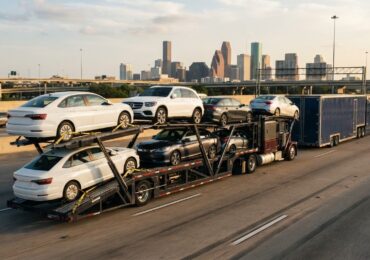
Open carriers are the industry standard for daily drivers. They are highly cost-effective because they can transport up to ten vehicles at once. While the cars are exposed to weather and road debris, the safety record of modern open trailers is exceptional. When paired with door-to-door service, you avoid the logistical stress of navigating a heavy multi-car trailer through city traffic yourself. The driver handles the complex maneuvering. They will meet you at the nearest safe point to your home to ensure a smooth handover.
The Case for Enclosed Door-to-Door Transport
For classic, luxury, or exotic vehicles, enclosed transport is the gold standard. These trailers are fully walled, providing a shield against rain, hail, and sun exposure. Many enclosed carriers use specialized equipment like hydraulic lift-gates. These are essential for cars with low ground clearance to prevent undercarriage damage. This white-glove service ensures your high-value asset arrives in pristine condition. If you aren’t sure which level of protection suits your vehicle, you can view our transport services to compare the features of each carrier type.
5 Steps to Prepare for a Seamless Residential Vehicle Pickup
Preparation is the foundation of a successful transport experience. When arranging door to door car shipping Houston residents must first evaluate the physical accessibility of their pickup location. Standard multi-car carriers are approximately 75 feet long and require significant clearance to maneuver safely. You should walk your street to identify potential obstacles such as low-hanging tree branches, tight cul-de-sacs, or narrow residential turns that could obstruct a large truck. If your street is restricted by local zoning laws or physical barriers, the driver will work with you to identify a nearby commercial lot or wide thoroughfare as the nearest safe and legal point for loading.
Once the logistics of the location are settled, focus on the vehicle itself. A thorough cleaning of both the exterior and interior is necessary to facilitate an accurate pre-transport inspection. Dirt and grime can easily hide small chips or scratches, making it difficult to establish a clear baseline of the car’s condition. After cleaning, document the vehicle’s state by taking high-resolution photos from every angle, including the roof and undercarriage. This visual record provides essential protection for your asset. This Guide to Shipping a Car from Forbes suggests that being detail-oriented during this phase is the best way to prevent later disputes.
Final preparations involve weight management and regulatory compliance. You must remove all personal belongings, as carriers are not licensed to transport household goods. This includes removing toll tags and parking passes to prevent accidental charges during transit. Additionally, ensure the fuel tank is approximately one-quarter full. This provides enough fuel for the driver to load and unload the vehicle while keeping the overall weight of the trailer within federal limits.
Coordinating with Your Transport Driver
Expect a phone call from your driver at least 12 to 24 hours before the scheduled pickup. It’s important to understand that transport operates on a “window of time” rather than a fixed appointment. Traffic, weather, and previous stops can impact the exact arrival. Providing a secondary contact number ensures the driver can reach someone if you’re unavailable. If your specific street is inaccessible, this is the time to finalize the alternative meeting location to keep the process moving efficiently.
The On-Site Inspection and Paperwork
The handover process centers on the Bill of Lading. This document is a formal contract and a condition report. You and the driver will walk around the vehicle together, noting any pre-existing mechanical issues or cosmetic damage. Don’t rush this step. Ensure every mark is recorded accurately before you sign. When your vehicle reaches its destination, you’ll perform this same inspection again to confirm the car arrived in the exact condition it left Houston.
Safety, Insurance, and Regulations in Nationwide Transport
Security is the cornerstone of professional vehicle logistics. When you arrange door to door car shipping Houston residents must prioritize working with providers who maintain rigorous safety standards. This begins with verifying a carrier’s credentials through the Federal Motor Carrier Safety Administration (FMCSA). Every legitimate hauler must have active USDOT and Motor Carrier (MC) numbers. It’s also essential to distinguish between the roles of a broker and a carrier. A broker acts as your logistical coordinator, vetting carriers for safety and insurance compliance, while the carrier is the entity physically operating the truck and handling your vehicle.
Insurance coverage is another critical area where clarity is required. Standard cargo insurance is provided by the carrier to cover your vehicle against damage during transit. This is distinct from your personal auto insurance policy, which often excludes coverage for commercial transportation. You should also be aware of the ‘Force Majeure’ clause found in most contracts. This clause protects the transport company from liability regarding uncontrollable events, such as extreme weather or natural disasters. Professional logistics teams mitigate these risks by planning interstate routes that avoid known hazards and prioritize well-maintained highways.
Carrier Insurance Coverage Limits
Most carriers carry a minimum of $750,000 in liability insurance as required by federal law, though cargo limits can vary based on the trailer type. If you’re shipping a high-value exotic or classic car, you should determine if the carrier’s cargo limit is sufficient or if you require additional ‘gap’ coverage. You can confirm the validity of a carrier’s insurance by requesting their certificate of insurance and contacting the listed insurance agent to verify the policy is active.
Federal Regulations for Interstate Shipping
The Department of Transportation (DOT) enforces strict ‘Hours of Service’ (HOS) regulations to ensure driver safety. Drivers are limited to 11 hours of driving in a single day and can’t exceed 60 hours in a workweek. These mandates are designed to prevent fatigue-related accidents, though they do directly influence your delivery timeline. Additionally, carriers must manage weight restrictions; the total gross load of a hauler can’t exceed 80,000 pounds. This necessitates careful planning of toll routes and fuel stops to remain compliant while moving across state lines. If you have questions about how these safety standards apply to your move, you can contact our logistics team for a detailed consultation.
Why AutoPlex Transport is the Preferred Partner for Logistics
Choosing a transport provider is a decision that impacts the safety of your second-largest investment. AutoPlex Transport Company prioritizes a professional and reassuring experience by acting as a knowledgeable authority in the logistics field. We’ve built our reputation on a commitment to transparent pricing and a methodical planning process that leaves no detail to chance. For door to door car shipping Houston residents, this means having a partner who manages the entire chain of custody with precision. Whether you’re moving a daily driver or a high-value collector car, our team provides a stable hand to guide the process from the first phone call to the final inspection.
Nationwide Reach with Local Accountability
Our nationwide infrastructure allows us to maintain a consistent level of service across every state. We don’t just move cars; we manage complex interstate logistics through a network of highly specialized carriers. This reach is balanced with local accountability. We understand that a residential pickup in a busy Houston neighborhood requires different logistical considerations than a delivery in a rural township. By working with an industry veteran like AutoPlex Transport Company, you benefit from a service that’s both thorough and protective of your interests. We take pride in our ability to navigate these challenges with a steady, confident approach that minimizes stress for the vehicle owner.
Getting Your Personalized Transport Quote
The quoting process at AutoPlex Transport Company is designed to be informative rather than aggressive. We believe that an educated customer is a satisfied one, which is why we break down the factors that influence your transport rate. The total distance, the dimensions of your vehicle, and the specific carrier method, either open or enclosed, all play a role in the final calculation. Every quote we provide for door to door car shipping Houston is a reflection of our detail-oriented philosophy. We avoid high-pressure tactics, choosing instead to offer the clear guidance you need to plan your move effectively. Request a professional vehicle shipping quote today to see how our methodical approach can provide the ultimate convenience for your next nationwide move.
Securing Your Vehicle’s Journey with Confidence
AutoPlex Transport Company is dedicated to providing nationwide interstate coverage with a focus on physical movement safety. We offer specialized open and enclosed carrier options tailored to your vehicle’s unique requirements. Get a Reassuringly Accurate Car Shipping Quote from AutoPlex Transport Company today. We look forward to being your reliable partner and guiding you through a stress-free transport experience.
Frequently Asked Questions
Is door-to-door car shipping really ‘door-to-door’?
Yes, door-to-door shipping aims to pick up and deliver at your specific address, provided the location is safely accessible for a large commercial hauler. Because many residential streets have low-hanging branches or tight turns, the driver might need to meet you at a nearby wide thoroughfare or commercial lot. This ensures the safety of your vehicle and the carrier while maintaining the convenience of a local handover.
Do I need to be present for the vehicle pickup and delivery?
You or a designated representative over the age of 18 must be present at both the pickup and delivery locations. This presence is required to perform the joint inspection with the driver and sign the Bill of Lading. This document is your official record of the vehicle’s condition, so it’s vital that someone is there to verify the inspection details before the transit begins and upon its completion.
What happens if the transport truck cannot fit on my street?
If a 75-foot transport trailer cannot safely navigate your neighborhood, the driver will coordinate a meeting at the nearest safe and legal point. This is a common occurrence for door to door car shipping Houston residents living in restricted zones or narrow suburban cul-de-sacs. Typical meeting spots include large grocery store parking lots or wide commercial roads that allow the carrier enough space to load or unload safely.
How long does nationwide door-to-door car shipping usually take?
Delivery timelines vary based on the total distance, but nationwide shipments typically take between 3 and 10 days. Short regional trips might be completed in 1 to 2 days, while cross-country routes require more time due to Department of Transportation mandates on driver hours. These safety regulations ensure that your driver remains alert and focused, which is a key priority for any professional interstate logistics plan.
Is my car insured while it is on the transport trailer?
Every vehicle is covered by the carrier’s cargo insurance policy while it is physically on the transport trailer. This specialized coverage protects your asset against transit-related damage and is a legal requirement for all FMCSA-registered haulers. We recommend asking for a copy of the carrier’s insurance certificate before the pickup occurs. You can even contact the insurance provider directly to confirm that the policy limits are currently active and sufficient.
Can I put personal items inside my car during door-to-door transport?
Federal Department of Transportation regulations prohibit auto carriers from transporting household goods or personal belongings inside the vehicle. Items left in the car aren’t covered by the carrier’s insurance and can add unnecessary weight to the trailer. You should remove all personal items, including toll tags and parking passes, before the driver arrives. It’s also best to keep the fuel tank at approximately one-quarter full for weight management.
What is the difference between an open and enclosed door-to-door carrier?
Open carriers transport vehicles on exposed multi-car trailers, while enclosed carriers utilize fully walled trailers for maximum protection. Open transport is the standard, cost-effective choice for daily drivers. Enclosed services are preferred for high-value assets like luxury or classic cars because they shield the vehicle from weather and road debris. Both options provide the convenience of door-to-door car shipping Houston owners expect, though enclosed trailers often use specialized equipment like lift-gates.
How do I pay for door-to-door vehicle shipping services?
Payment usually involves a two-step process consisting of a small initial deposit and a final balance. Most professional logistics companies accept major credit cards for the booking deposit to secure your spot on the carrier. The remaining balance is typically paid directly to the driver at the time of delivery using certified funds, such as a cashier’s check or cash. Always confirm the accepted payment methods with your coordinator before the delivery date.