
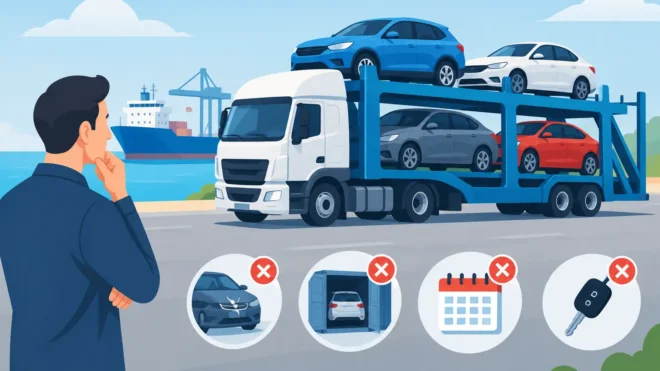
A low quote can look like a win until pickup day arrives, the carrier is unavailable, and your move is suddenly on hold. The top mistakes when shipping cars usually happen before a vehicle is loaded: choosing on price alone, skipping preparation, or assuming every transport option provides the same level of protection. A little planning makes the process safer, clearer, and far less stressful.
Choosing a Quote Based Only on the Lowest Price
Auto transport pricing reflects real operating costs: route demand, fuel, carrier availability, vehicle size, season, and the service level you choose. An unusually low quote may not be a bargain if it cannot attract a qualified carrier or if it changes later in the booking process.
Ask what the quote includes and whether it is based on your exact vehicle, pickup area, delivery area, and timing. A dependable transport partner should explain the expected price range, the type of carrier being arranged, and any circumstances that could affect scheduling. Clear answers are more valuable than a number that seems too good to be true.
The right choice is not always the most expensive option, either. Open carrier transport is a reliable, cost-effective fit for many standard cars, trucks, and SUVs. The goal is to select a fairly priced service that matches your vehicle and your schedule.
Waiting Until the Last Minute to Book
Vehicle transport is not like reserving a rental car for the afternoon. A carrier needs to have room on the right route, and pickup timing can depend on traffic, weather, inspections, and other customer stops. Waiting until the final day can reduce your options and may increase the cost of an expedited shipment.
Whenever possible, request a quote and begin coordinating transport one to two weeks before you need pickup. More notice is especially helpful during busy relocation periods, snowbird season, holidays, and on less common routes. If your timeline is tight, say so at the start. Expedited service may be available, but it works best when your advisor knows the deadline early.
Treat Pickup and Delivery Windows Realistically
A common misunderstanding is expecting an exact hour for a cross-country pickup days in advance. Carriers generally work within a pickup and delivery window because road conditions, loading time, and required driving limits can change a schedule.
Plan for a flexible handoff. If you cannot be present, arrange a trusted adult to release or receive the vehicle. Provide accurate phone numbers and stay reachable around the scheduled window. Prompt communication helps the driver keep moving and protects your delivery timeline.
Selecting the Wrong Transport Type
Not every vehicle needs enclosed transport, and not every vehicle should travel on an open carrier. One of the top mistakes when shipping cars is selecting a service without considering the vehicle’s value, condition, clearance, and your comfort level with normal road exposure.
Open transport is the most common option and is well suited to everyday vehicles. It is typically more available and more economical. Enclosed transport provides additional protection from weather, road debris, and outside visibility, making it a strong choice for classic cars, luxury vehicles, exotic models, or vehicles with freshly completed restoration work.
Be direct about modifications. Lowered vehicles, oversized trucks, inoperable cars, and vehicles with special loading needs may require extra equipment or planning. A carrier cannot prepare properly for details that were not provided when the quote was requested.
Providing Incomplete Vehicle or Location Details
A small detail can have a major effect on transport. If a vehicle does not run, has aftermarket wheels, sits unusually low, or is larger than a standard sedan, mention it. The same is true for pickup and delivery locations.
Large car carriers need room to turn, park, and load safely. Narrow residential streets, low branches, tight cul-de-sacs, apartment complexes, and city parking restrictions can make door-to-door delivery impractical at the exact address. This does not mean you lose the convenience of door-to-door service. Often, the driver can coordinate a nearby wide street, shopping center, or other safe meeting point.
Giving complete information from the start prevents avoidable delays and helps your transport coordinator match your shipment with the right carrier.
Skipping the Vehicle Inspection
The inspection at pickup is not a formality. It creates a record of the vehicle’s condition before transport and gives both you and the driver a shared reference at delivery. Skipping it or signing without reviewing it can make a later concern harder to address.
Before the carrier arrives, wash the vehicle if practical. Dirt can hide scratches, dents, and chips. Take clear, date-stamped photos from multiple angles, including the roof, wheels, glass, front and rear bumpers, and any existing damage. Keep those photos until after final delivery.
At pickup, review the bill of lading with the driver and make sure existing marks are noted. At delivery, inspect the vehicle again before signing the final paperwork. Look in good light when possible. If you see an issue, document it clearly on the paperwork and discuss it with the driver before they leave.
Leaving Personal Belongings in the Car
Your vehicle should not become a moving container. Personal items can shift during loading and transit, add weight, and create complications if they are not permitted under the carrier’s guidelines. They can also block the driver’s ability to inspect the interior or access necessary controls.
Remove valuables, documents, electronics, toll passes, garage remotes, spare keys, and anything loose. If your transport provider allows a limited amount of personal items, confirm the policy first and pack only what has been approved. Never assume a trunk full of household goods is included with auto shipping.
You should also leave only about one-quarter tank of fuel. That is enough for loading and unloading while avoiding unnecessary weight. Check for leaks, secure or retract antennas, and make sure the battery is charged enough for the vehicle to start.
Overlooking Insurance and Paperwork Questions
Reliable transport includes proper documentation, but customers should still understand what is covered and what steps apply if damage is reported. Ask about carrier cargo insurance and how claims are handled before booking. Get clarity on deductibles, exclusions, and the inspection process rather than trying to sort it out after delivery.
Have the documents your provider requests ready before pickup. Requirements can vary by situation, but clear proof of ownership or authorization is particularly helpful when someone other than the registered owner is releasing the vehicle. If you are buying a car online, coordinate with the seller early so the pickup contact, keys, and vehicle location are confirmed.
Not Reading the Cancellation and Payment Terms
Shipping arrangements can change, particularly when a move date shifts or a vehicle purchase falls through. Read the payment and cancellation terms before you commit. Know when payment is due, what form of payment the carrier accepts at delivery, and what happens if your availability changes.
This is also the time to confirm whether the quoted service is standard or expedited, and whether your dates are requested dates or guaranteed dates. Straightforward terms help you make decisions with confidence and avoid unwelcome surprises.
Going Silent During Transport
Once your vehicle is assigned, the work is not completely hands-off. Keep your phone available, check messages, and tell the transport team immediately if the pickup contact, delivery address, or schedule changes. A driver may need to coordinate a meeting point or give notice before arrival.
At the same time, reasonable communication expectations matter. Cross-country transportation involves long driving days, mandatory rest periods, and areas with limited cell service. A dependable advisor can help you understand status updates and coordinate directly when needed without making promises that the road cannot support.
Make the Shipping Process Easier From the Start
A worry-free shipment begins with an honest quote request and a few accurate details about your vehicle, route, and preferred timing. AutoPlex Transport can help you compare open, enclosed, and expedited options so the plan fits the vehicle you are moving, not just the first price you see.
Before booking, take ten minutes to confirm the vehicle condition, pickup access, delivery contact, and service level. That small effort gives your carrier the information needed to handle your car safely and helps you move forward with confidence.
