
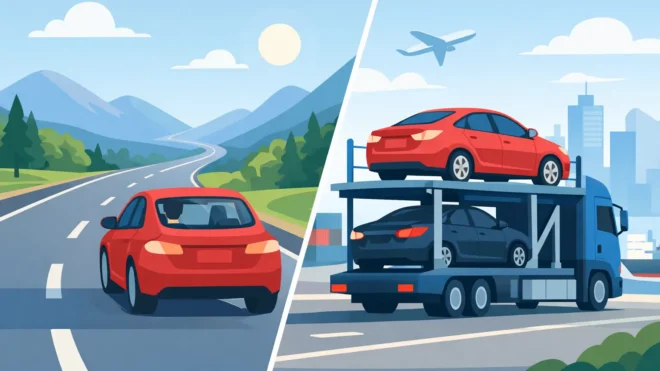
A cross-country move can make your vehicle feel like one more major problem to solve. When comparing driving vs shipping a car, the right choice is rarely just about the lowest upfront price. Your time, fuel, hotel stays, vehicle wear, route conditions, and comfort behind the wheel all matter.
For some owners, a road trip is practical and even enjoyable. For others, it means taking time off work, managing unexpected breakdowns, and arriving exhausted before the move has even begun. Professional auto transport gives you another option: have your vehicle picked up, handled carefully, and delivered near your destination while you focus on getting there safely.
Driving vs Shipping a Car: Start With the Real Cost
Driving may appear cheaper at first because you are not paying a transport carrier. But a long-distance trip has expenses that are easy to underestimate. Fuel is the obvious one, especially for trucks, SUVs, and vehicles with lower gas mileage. Then there are meals, overnight lodging, tolls, parking, and possible maintenance before or after the trip.
Mileage also has a cost. A 1,500- or 2,000-mile drive adds wear to tires, brakes, oil, and other components. It can affect a leased vehicle’s mileage allowance and may reduce resale value over time. If your vehicle is classic, luxury, newly purchased, or simply important to you, avoiding unnecessary road miles can be a meaningful benefit.
Shipping has a clear quoted price, which many customers prefer for planning a relocation budget. The rate depends on the route, vehicle size, season, carrier availability, transport type, and delivery timeline. An open carrier is generally the most economical way to move a standard vehicle. Enclosed transport costs more but provides added protection from road debris and weather for premium, classic, exotic, or collectible vehicles.
The most useful comparison is not shipping cost versus gas alone. Compare the transport quote with your full driving budget, including the value of your time and the miles you would put on the vehicle.
When Driving Your Car Makes Sense
Driving can be the sensible option when the distance is manageable, your schedule is flexible, and you are comfortable making the trip. A drive of a few hundred miles may be easier than coordinating a carrier, particularly if you need the vehicle immediately and can complete the trip in one day.
It can also work well if you want to bring personal items that should not be placed in an auto carrier. Keep in mind that a vehicle’s cargo capacity, safety, and carrier rules can limit what may be left inside when shipping. Driving lets you control what travels with you, although overloading a vehicle for a long trip can create its own safety concerns.
Some people genuinely enjoy the open road. If the drive is part of a vacation, you have a reliable vehicle, and weather conditions are favorable, the experience may be worth the added miles. That calculation changes when the trip becomes a rushed obligation rather than a planned journey.
When Shipping Is the Better Choice
Shipping is often the better choice when distance, timing, or vehicle protection matters more than taking a road trip. It is especially useful for moves across several states, military relocations, seasonal travel, online vehicle purchases, and situations where a family has more vehicles than drivers.
Consider shipping when any of these circumstances apply:
- You are relocating and need to fly or travel with children, pets, or household essentials.
- You cannot afford several days away from work, school, or personal responsibilities.
- Your vehicle is a classic, luxury, low-clearance, or newly purchased car you would rather not expose to a long route.
- You need to move multiple vehicles, but only have one or two available drivers.
- Winter weather, mountain routes, or unfamiliar roads could make the drive more difficult or risky.
With door-to-door auto transport, the carrier coordinates pickup and delivery as close to your locations as safely accessible. Large trucks may need a nearby meeting point if residential streets have low branches, tight turns, or local restrictions, but the process remains far simpler than completing the entire drive yourself.
Time Is Often the Deciding Factor
A cross-country drive can consume three to six days, depending on the route, stops, traffic, weather, and how long you can safely drive each day. That does not include time spent preparing the vehicle, booking hotels, handling delays, or recovering after arrival.
Shipping allows you to separate your travel plans from your vehicle’s journey. You can fly, travel in a moving truck, or take care of the details waiting at your new home. Standard transport schedules vary by lane and carrier availability, while expedited vehicle shipping may be available when your timeline is tighter.
A carrier’s transit window is not the same as the time you personally spend managing the move. Once pickup is arranged, your role is typically limited to preparing the car, completing a condition inspection, and being available for pickup and delivery. For busy professionals and families, that time savings can outweigh the cost difference.
Safety, Wear, and Vehicle Condition
Every long drive carries ordinary risks: distracted drivers, construction zones, tire damage, mechanical problems, and changing weather. A well-maintained car can still encounter a nail on the highway or a sudden storm hundreds of miles from home.
Auto shipping does not remove every transportation risk, but it reduces your vehicle’s road exposure and avoids the fatigue of driving long hours. Reputable carriers inspect the vehicle’s condition at pickup and delivery, documenting visible exterior condition on the bill of lading. Review that paperwork carefully and keep a copy for your records.
Before shipping, remove personal belongings, take dated photos from several angles, check tire pressure and battery condition, and disclose any operational issues. If the vehicle has low ground clearance, modified suspension, or does not run, share that information during booking. Accurate details help ensure the right equipment and a smoother pickup.
Open or Enclosed Transport?
The service level should match the vehicle and your comfort level. Open carrier shipping is the common choice for daily drivers, standard sedans, SUVs, and trucks. Vehicles are secured on a multi-car trailer, making this option efficient and widely available for nationwide routes.
Enclosed transport places the vehicle inside a covered trailer. It is a strong choice for classic cars, high-value vehicles, luxury models, and vehicles that need added protection from weather and road debris. It is not necessary for every car, but it can offer worthwhile peace of mind when vehicle condition is a top priority.
If your decision comes down to driving versus shipping, ask a practical question: would putting these miles on the car feel acceptable if the trip included rain, traffic, road construction, and an unexpected delay? Your answer often points clearly toward the service level you need.
How to Make the Best Choice for Your Move
Start with your route and deadline. Estimate realistic driving days rather than assuming you can cover extreme mileage comfortably. Add fuel, hotels, meals, tolls, and a reasonable amount for maintenance and depreciation. Then compare that total with a shipping quote that reflects your vehicle, pickup location, destination, and preferred delivery timeframe.
Next, consider what your schedule can absorb. If you are starting a new job, closing on a home, helping family relocate, or coordinating a move with children, time may be your most expensive resource. Shipping can turn a multi-day driving obligation into a professionally managed logistics step.
Finally, choose a transport company that communicates clearly about pickup windows, carrier assignment, inspection procedures, and delivery coordination. A dedicated advisor should help you select open, enclosed, or expedited transport based on the actual needs of your vehicle and route, not push a one-size-fits-all answer.
For a long move, the best decision is the one that protects both your vehicle and your schedule. AutoPlex Transport can help you compare service options and arrange reliable nationwide vehicle transport, so your car gets where it needs to go without adding another long drive to your moving checklist.
