
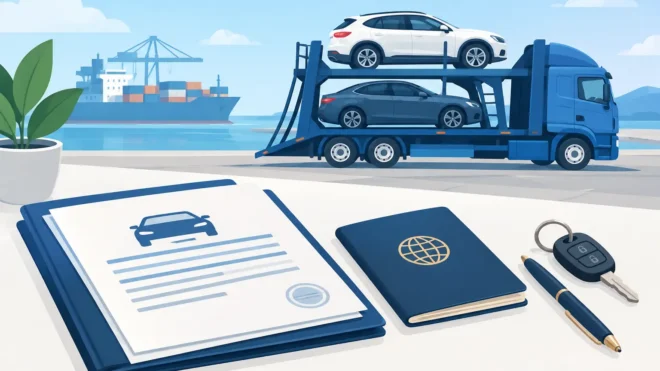
A vehicle can be ready at the curb, the carrier can be scheduled, and then pickup stalls over one missing detail: who is authorized to release the car. A little preparation prevents that stress. If you are asking what documents are needed for shipping a car, the good news is that most domestic shipments require straightforward paperwork – not a stack of forms.
For standard vehicle transport within the United States, your carrier generally needs a way to confirm your identity, verify the vehicle, and document its condition at pickup and delivery. Requirements can vary based on the carrier, vehicle ownership, and whether someone else is handling either end of the shipment, so confirm the details before your scheduled pickup window.
What Documents Are Needed for Shipping a Car?
For most cars, trucks, and SUVs, prepare a valid government-issued photo ID and a copy of your current vehicle registration. Your registration helps confirm the vehicle identification number, make, model, and legal connection to the vehicle. A driver’s license is typically the simplest form of identification for the person arranging or releasing the shipment.
You usually do not need to provide the original title to ship a vehicle domestically. In fact, it is best not to leave an original title, loan paperwork, or other sensitive documents inside the vehicle during transport. The carrier is moving your vehicle, not transferring its ownership.
The core documents and information to have ready are:
- A valid government-issued photo ID for the owner or authorized representative
- Current vehicle registration, preferably showing the VIN clearly
- The pickup and delivery contact names, phone numbers, and addresses
- Written authorization if a non-owner will release or receive the vehicle
- Lienholder or lease-company approval when your finance or lease agreement requires it
- Any carrier-specific booking confirmation or instructions provided before pickup
A copy of your registration and ID is often sufficient, but follow the instructions you receive for your specific shipment. Clear photos or scans are helpful when the owner is relocating ahead of the vehicle or buying a car from out of state.
If Someone Else Will Be at Pickup or Delivery
Many customers cannot be present for both ends of a shipment. You may be flying to a new city, coordinating a move, or purchasing a vehicle from a private seller. That is not a problem as long as the carrier knows in advance who is authorized to act on your behalf.
Provide the representative’s full name and phone number, and make sure they understand the pickup or delivery process. They should be able to show identification if requested, hand over the keys, and review the vehicle inspection report. Depending on the situation, the carrier may ask for a simple written authorization from the owner.
This step matters because the bill of lading is a legal shipping record. The person signing at pickup confirms the vehicle’s condition before loading, while the person signing at delivery confirms its condition when the vehicle arrives. Choose someone who can take a few minutes to inspect the car carefully.
The Bill of Lading: The Most Important Shipping Record
The bill of lading is created by the carrier at pickup. It is not something you typically need to prepare yourself, but you should understand why it matters.
Before the vehicle is loaded, the driver performs a condition inspection and notes existing scratches, dents, chips, or other visible damage. Photos may also be taken. The bill of lading records the vehicle’s mileage, condition, and pickup details. Review it before signing. If you see a condition issue that is not listed, ask the driver to add it.
At delivery, inspect the vehicle again before signing the final paperwork. Compare its condition with the pickup record, especially if the car traveled on an open carrier through changing weather. If there is a concern, note it on the bill of lading before the driver leaves and contact your transport coordinator right away.
This inspection process protects both you and the carrier. It creates a clear record rather than relying on memory after a long shipment.
When You May Need Additional Paperwork
Not every shipment looks the same. A standard, personally owned sedan moving from one state to another has simpler requirements than a leased luxury vehicle, a dealership purchase, or a car being shipped for a military relocation.
If the vehicle is leased or financed, check your agreement before booking. Some lenders and leasing companies limit where a vehicle can be taken or require notice for extended transport. They may not require a special shipping document, but obtaining approval early avoids last-minute questions.
For a dealership purchase or private-party sale, a bill of sale may be useful for your own records and for registration in your home state. However, it is generally not required for the carrier to transport the vehicle. The transporter’s role is to move the car safely, not to verify a sales transaction.
Collectors and owners of classic, exotic, or high-value vehicles may have additional preferences rather than additional legal requirements. You may want detailed pre-shipment photos, a condition report, and enclosed transport. Enclosed service adds protection from road debris and weather, while open transport remains a reliable, cost-effective option for most everyday vehicles.
If you are shipping multiple vehicles for a dealership, auction, or corporate relocation, the transport coordinator may request a vehicle list with VINs, keys, contact information, and pickup instructions. Keeping that information organized helps the carrier plan loading and delivery efficiently.
Military and Relocation Shipments
Military families and relocating professionals often have tight timelines. Your PCS orders or relocation paperwork may be needed for reimbursement or employer records, but they are not always required by the auto carrier itself. Ask your employer, relocation company, or military transportation office what documentation they need separately from the vehicle shipping process.
For the carrier, the focus remains the same: proof of identity, vehicle details, authorized contacts, keys, and a clear place for the truck to safely load or unload.
Documents Are Only Part of Vehicle Preparation
Having the right paperwork is one part of a worry-free shipment. Preparing the vehicle properly is just as useful. Remove personal belongings, toll passes, loose accessories, and valuables before pickup. Most carriers do not transport household goods in a vehicle, and loose items can create avoidable problems during transit.
Leave about a quarter tank of fuel in the vehicle. Make sure the battery is charged, tires are properly inflated, and the vehicle can roll, steer, and brake unless you have arranged transport for an inoperable car. Tell your advisor about aftermarket modifications, low ground clearance, oversized tires, roof racks, or mechanical issues before scheduling. Accurate details allow the right equipment and carrier space to be arranged.
Keep one set of keys for the driver and retain a spare set yourself. If the vehicle has an alarm, provide clear instructions for disabling it. These small details help pickup stay on schedule and reduce the chance of delays.
A Simple Way to Avoid Pickup Delays
Two or three days before the pickup window, gather your ID, registration copy, keys, and authorized contact details in one place. Confirm the pickup address can accommodate a large transport truck. Residential streets with low branches, tight turns, or parking restrictions may require meeting the driver at a nearby wide road, shopping center, or other safe location.
Also confirm the delivery plan before the vehicle is loaded. A carrier may arrive earlier or later than expected due to traffic, weather, other customer stops, and highway conditions. A flexible authorized contact at delivery makes the process easier if your personal schedule changes.
AutoPlex Transport can help you confirm the paperwork and pickup details for your route before dispatch, whether you are moving a family SUV across state lines or arranging enclosed transport for a collector vehicle. The right answers before pickup make the rest of the shipment feel far more straightforward.
Set aside a few minutes to verify your documents before booking or pickup. With the registration, ID, keys, and the right authorized contact ready, you can hand off your vehicle with confidence and focus on getting to where you need to be.
