
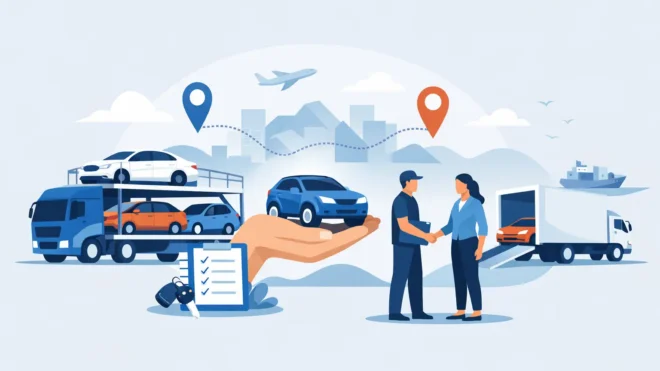
A cross-country move, an out-of-state vehicle purchase, or a seasonal relocation can put one question at the center of your plans: how will your vehicle get there without adding days of driving, fuel costs, and wear? This auto transport process guide explains what happens from your first quote request through final delivery, so you can plan with confidence and know what to expect at every stage.
How the Auto Transport Process Works
Vehicle shipping is a coordinated service, not simply a truck arriving at your driveway. A reliable carrier must account for your vehicle, pickup and delivery locations, route availability, timing, and the level of protection you need. The best shipping option depends on your priorities. Open transport is a practical choice for most standard vehicles, while enclosed transport offers added protection for classic, luxury, exotic, or highly valued vehicles.
The process usually begins with a quote and a conversation about your needs. From there, your transport advisor helps coordinate a pickup window, confirms the shipment details, and keeps you informed as the vehicle moves toward its destination.
Step 1: Request a Quote With Accurate Details
A useful quote starts with clear information. Be ready to provide the vehicle year, make, model, pickup ZIP code, delivery ZIP code, and your preferred shipping timeframe. If the vehicle has modifications, sits unusually low, does not run, or has oversized tires, mention that early. These details can affect the type of equipment needed and the final price.
It also helps to explain whether your dates are flexible. A wider pickup window can provide more scheduling options, while expedited transport is better suited to a firm deadline. If you are moving for work, buying a car online, or coordinating delivery around a closing date, tell your advisor what cannot change. Good planning protects your schedule.
Step 2: Choose Open, Enclosed, or Expedited Service
Most customers select open carrier shipping because it is widely available and cost-effective. Vehicles are secured on a multi-car trailer, the same type commonly used to deliver new cars to dealerships. Open transport provides dependable nationwide shipping for cars, trucks, SUVs, and many other vehicle types.
Enclosed transport is designed for customers who want additional protection from weather, road debris, and outside exposure. It is often the right choice for collector vehicles, classics, luxury models, and vehicles with custom paint or low ground clearance. Because enclosed trailers have limited capacity, this service generally costs more than open transport.
Expedited transport can shorten the time needed to arrange pickup when timing is critical. However, faster scheduling may come with a higher rate and can depend on carrier availability along your route. Your advisor can help you weigh cost, timing, and protection without pushing you into a service you do not need.
Preparing Your Vehicle for Pickup
Once your shipment is scheduled, a little preparation makes pickup easier and helps prevent misunderstandings at delivery. Clean the exterior of the vehicle so existing marks, chips, or scratches are easy to see during the inspection. You do not need a professional detailing service, but a clean vehicle makes condition reporting more accurate.
Remove personal belongings, toll tags, loose accessories, and valuables from the interior. Auto carriers are focused on transporting the vehicle itself, and personal items can create unnecessary risk or complications. If you have an electronic toll pass, remove it to avoid charges while the vehicle is in transit.
Keep the fuel tank at about one-quarter full. This gives the driver enough fuel to load, unload, and move the vehicle as needed without adding avoidable weight to the carrier. Check the battery, tire pressure, and fluid levels as well. If the vehicle does not start, steer, or brake normally, notify the transport team in advance.
For convertibles, make sure the top is secure. For trucks, remove or secure loose bed accessories. Fold in mirrors if possible, and deactivate alarms that could sound during transit. These small steps support a safer, smoother shipment.
Pickup Inspection and Bill of Lading
At pickup, the driver will inspect the vehicle with you or an authorized representative. The vehicle’s condition is documented on a Bill of Lading, which is the shipping record used at both pickup and delivery. Review the inspection carefully before signing. If you see existing damage, make sure it is accurately noted.
Take your own time-stamped photos from several angles as an added record. This is a simple precaution, especially for premium, classic, or recently purchased vehicles. Keep a copy of the Bill of Lading and confirm the best phone number for transit updates.
Door-to-door service means the carrier will aim to pick up and deliver as close to your address as safely and legally possible. Large transport trucks may have difficulty on narrow streets, low-clearance roads, steep hills, or neighborhoods with parking restrictions. In those cases, the driver may arrange a nearby meeting point such as a wide parking lot or accessible commercial area. This is normal and helps protect your vehicle, the truck, and local traffic.
What Happens While Your Vehicle Is in Transit
After loading, your vehicle begins its route with other scheduled deliveries. Transit time varies by distance, weather, traffic, carrier routing, and road conditions. A cross-country shipment naturally takes longer than a neighboring-state move, and a carrier may make multiple planned stops along the way.
This is why estimated delivery dates should be viewed as a window rather than a guarantee. Severe weather, mechanical issues, or unexpected highway delays can affect timing. A dependable transport provider communicates clearly when schedules shift and gives you a practical update rather than leaving you guessing.
You can make delivery easier by staying reachable. If you are traveling ahead of the vehicle or cannot be present, designate a trusted adult to accept delivery. That person should be prepared to inspect the vehicle, sign the final Bill of Lading, and communicate with the driver if needed.
Delivery: The Final Inspection Matters
Before unloading, the driver will contact you or your designated representative to coordinate the delivery location and timing. Inspect the vehicle in daylight when possible and compare its condition with the pickup documentation and your photos. Look over the exterior, windshield, mirrors, tires, and any areas noted during the initial inspection.
If everything matches the documented condition, sign the delivery portion of the Bill of Lading and take possession of your vehicle. If you notice an issue, do not rush past it. Note it clearly on the Bill of Lading before signing and take detailed photos. Documentation at delivery is the right starting point for addressing a concern.
Most deliveries go as planned, particularly when pickup information, vehicle condition, and access details are shared accurately from the beginning. The inspection process exists to give every customer a clear record and added peace of mind.
Questions That Can Prevent Delays
Before booking, ask about the pickup window, estimated transit range, service type, payment timing, cancellation terms, and communication process. You should also confirm whether your vehicle needs special handling due to its condition or modifications. Clear answers help you compare services on more than price alone.
AutoPlex Transport helps customers match their route, vehicle, schedule, and protection needs with the right shipping option. Whether you are relocating, sending a vehicle to a family member, buying from another state, or moving a collector car, professional coordination can remove a major burden from your plans.
Your vehicle may be one of your most valuable possessions, but shipping it does not need to feel complicated. Start early when you can, share the details that matter, and choose a transport partner that treats clear communication and careful handling as part of the service.
