

When you need to move a vehicle across the country, the desire to ship a car direct without unnecessary complications becomes paramount. Whether you're relocating for work, sending a vehicle to a family member, or delivering a recently purchased car, understanding the direct shipping process helps ensure your vehicle arrives safely and on schedule. The modern auto transport industry offers multiple pathways to move vehicles, but navigating carrier selection, insurance requirements, and logistical details requires careful attention to make informed decisions that protect both your investment and peace of mind.
Understanding Direct Auto Transport Services
Direct auto transport refers to shipping your vehicle from pickup to delivery with minimal handling and streamlined coordination. Unlike arrangements involving multiple transfers or terminal stops, this approach prioritizes efficiency and reduced touchpoints throughout the journey.
The concept centers on establishing a clear chain of custody from origin to destination. When you ship a car direct, you typically work with either a licensed carrier who physically transports your vehicle or a broker who connects you with verified carriers. Research on licensing patterns in the car-shipping industry reveals important distinctions between these two models that affect transparency and accountability.
Key advantages of direct shipping include:
- Fewer handling points reducing damage risk
- Faster transit times without terminal delays
- Direct communication with transport providers
- Simplified tracking and accountability
- Reduced overall complications during transport
However, direct service doesn't always mean a single driver handles your vehicle exclusively. Most carriers transport multiple vehicles simultaneously on large car-hauling trailers, optimizing routes while maintaining direct pathways to each destination.

Choosing Between Open and Enclosed Transport
One of the first decisions when you ship a car direct involves selecting the appropriate transport method. This choice significantly impacts cost, protection level, and availability.
Open Carrier Transport
Open carriers represent the industry standard, transporting vehicles on exposed multi-car trailers. These trailers carry between six and ten vehicles simultaneously, offering the most economical shipping option.
This method works exceptionally well for:
- Standard daily-driver vehicles
- Shorter-distance moves
- Budget-conscious transport needs
- Vehicles without special condition requirements
Open transport exposes vehicles to weather and road debris during transit, though professional carriers take precautions to minimize risks. The widespread availability of open carriers also means more flexible scheduling and competitive pricing.
Enclosed Transport Options
Enclosed trailers provide complete protection from environmental elements, making them ideal for high-value, classic, or luxury vehicles. These climate-controlled environments shield cars from weather, debris, and prying eyes.
| Feature | Open Transport | Enclosed Transport |
|---|---|---|
| Cost | $500-$1,500 average | $800-$2,500 average |
| Protection Level | Basic | Maximum |
| Capacity | 6-10 vehicles | 2-6 vehicles |
| Availability | High | Moderate |
| Best For | Daily drivers | Luxury/classic cars |
When you ship a car direct using enclosed methods, expect premium pricing justified by enhanced protection and specialized handling. Consumer Reports’ shipping guide emphasizes evaluating your vehicle's value against transport costs to make economically sound decisions.
Door-to-Door Versus Terminal Service
The logistics of pickup and delivery significantly affect convenience and overall cost when you ship a car direct. Understanding these operational models helps align service selection with your specific circumstances.
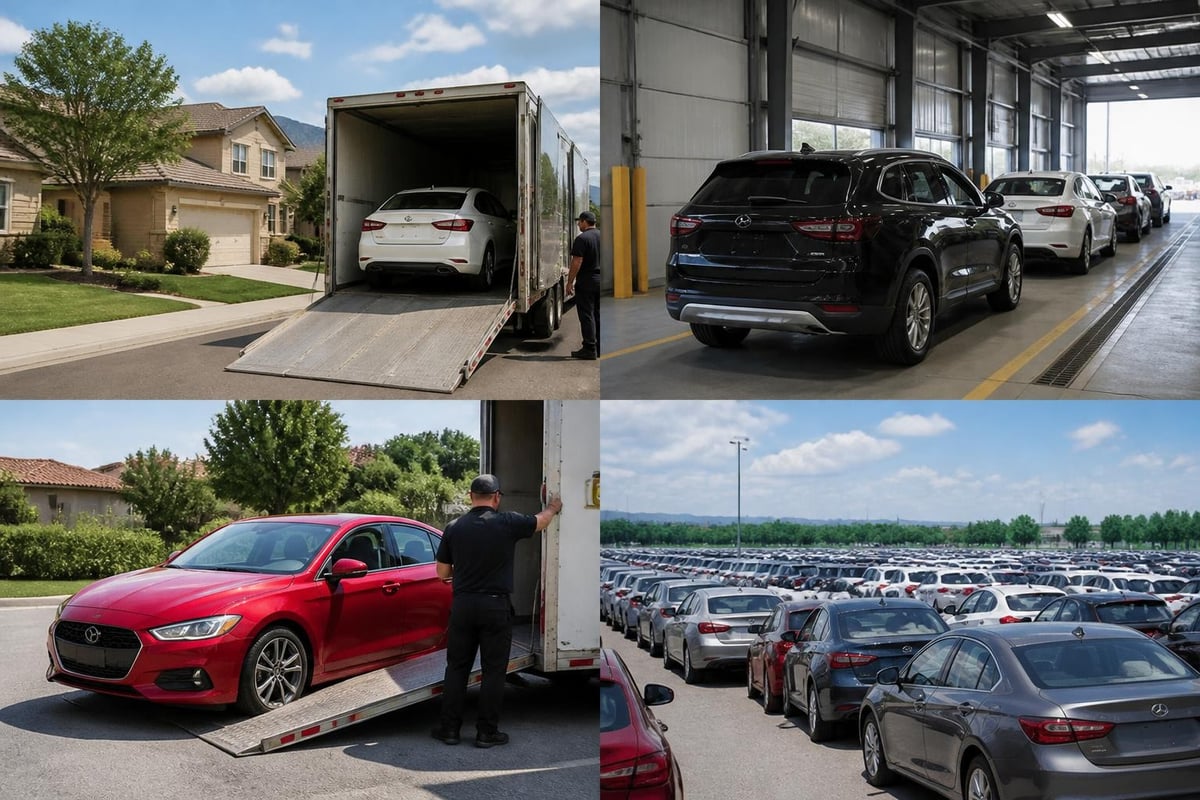
Door-to-door service provides maximum convenience, with carriers collecting and delivering vehicles at specified addresses. This premium option eliminates the need for you to transport your vehicle to or from distant terminals. Companies like AutoPlex Transport specialize in this personalized approach, coordinating pickup times that fit your schedule and delivering directly to your destination.
Door-to-door advantages:
- Ultimate convenience and time savings
- No need for additional transportation arrangements
- Reduced vehicle handling and mileage
- Flexible scheduling options
- Single-point accountability
Terminal-to-terminal service requires you to drop off and pick up your vehicle at designated facilities, typically located in major metropolitan areas. While this reduces costs, it introduces additional logistical considerations. The comparison of door-to-door versus terminal shipping details how terminal locations, operating hours, and storage fees factor into the total experience.
Geographic considerations also influence service feasibility. For instance, car transport service in Albany County or Nassau County may offer different door-to-door accessibility compared to rural locations where large transport trucks cannot easily navigate residential streets.
Selecting a Reputable Transport Provider
Carrier selection represents perhaps the most critical decision when you ship a car direct. The right provider ensures professional handling, transparent communication, and reliable delivery, while poor choices lead to delays, damage, and frustration.
Verification and Credentials
Every legitimate auto transporter must maintain specific licensing and insurance. The Federal Motor Carrier Safety Administration (FMCSA) regulates interstate vehicle transport, requiring carriers to hold active Motor Carrier (MC) numbers and Department of Transportation (DOT) numbers. Recent FMCSA regulations continue refining safety standards and operational requirements affecting the industry.
Before committing to any provider, verify:
- Active FMCSA registration and safety ratings
- Adequate insurance coverage (minimum $750,000 cargo insurance)
- State-specific licensing for intrastate moves
- Positive customer reviews across multiple platforms
- Clear contract terms without hidden fees
Understanding Brokers Versus Carriers
The auto transport industry includes both carriers who physically haul vehicles and brokers who arrange transport on your behalf. When you ship a car direct, knowing which type of company you're engaging affects expectations and accountability.
Carriers own and operate the trucks and trailers, providing direct control over your vehicle's transport. They typically offer:
- Direct driver communication
- Immediate problem resolution
- Simplified accountability
- Potentially lower costs (no broker markup)
Brokers maintain networks of verified carriers, matching customers with available transporters. Their value includes:
- Access to extensive carrier networks
- Competitive pricing through multiple quotes
- Flexible scheduling across various routes
- Professional coordination and support
Neither model is inherently superior. Brokers provide convenience and options, while carriers offer direct relationships. Quality providers exist in both categories, making due diligence essential regardless of business model.
Preparing Your Vehicle for Transport
Proper preparation protects your vehicle and streamlines the shipping process when you ship a car direct. Taking systematic steps before pickup prevents complications and establishes clear condition documentation.
Pre-Transport Inspection
Thoroughly document your vehicle's condition before transport. Create a detailed photographic record including:
- All four corners and sides
- Dashboard and odometer reading
- Any existing damage, scratches, or dents
- Special features or modifications
- Undercarriage if accessible
GEICO’s car shipping guide emphasizes documentation's critical role in insurance claims should damage occur during transit. Time-stamped photos provide undeniable evidence of pre-transport condition.
Mechanical and Administrative Preparation
Ensure your vehicle is transport-ready by completing these essential steps:
- Mechanical check: Address fluid leaks, battery charge, and tire pressure
- Fuel level: Maintain approximately one-quarter tank (reduces weight and fire risk)
- Personal items: Remove all belongings, aftermarket accessories, and toll transponders
- Antenna and accessories: Retract or remove external items that could detach
- Alarm systems: Disable or provide deactivation instructions
- Keys: Provide one set to the driver, retain a spare
Administrative preparation includes confirming insurance coverage during transit. While carriers maintain cargo insurance, understanding coverage gaps and claim procedures protects you if damage occurs.
Pricing Factors and Cost Management
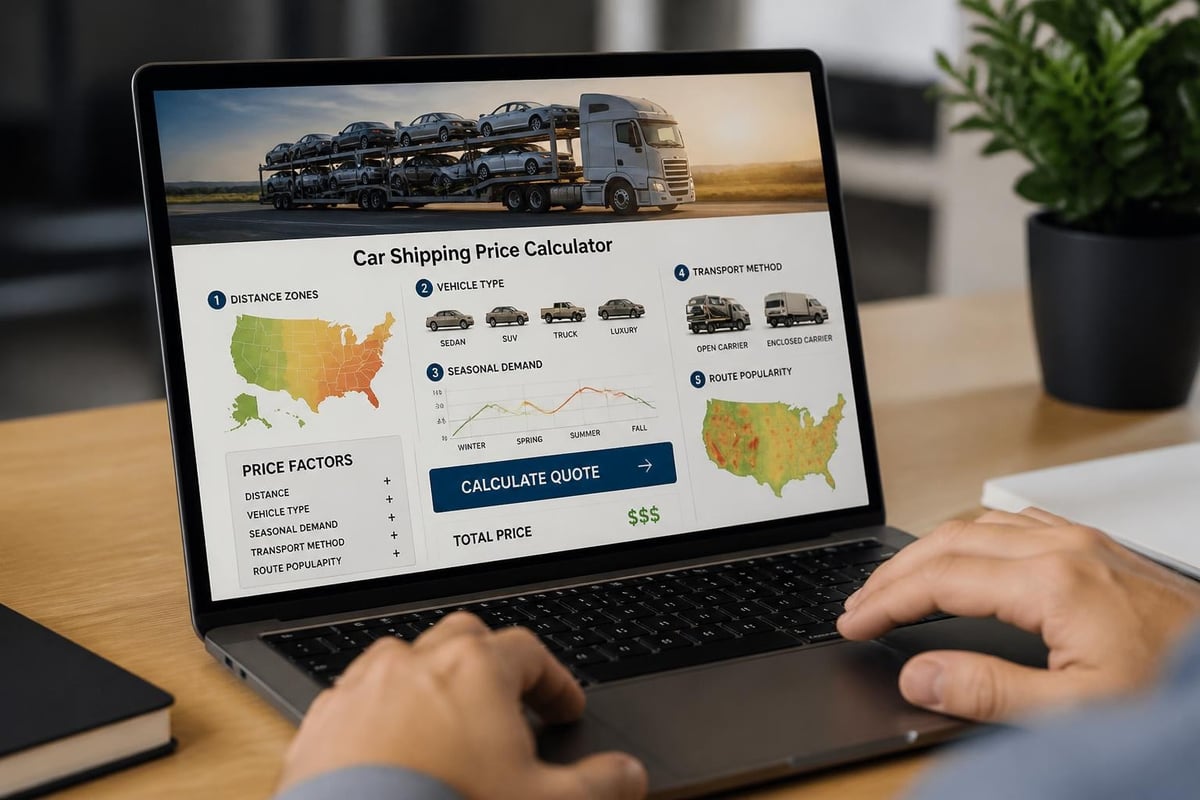
Understanding what influences cost when you ship a car direct enables better budgeting and helps identify fair pricing versus potential overcharges. Multiple variables interact to determine final quotes.
Distance and Route Considerations
Distance represents the primary cost driver, though the relationship isn't perfectly linear. Longer hauls spread fixed costs across more miles, often resulting in lower per-mile rates. A 2,000-mile cross-country transport might cost less per mile than a 300-mile regional move.
Route popularity also matters significantly. High-volume corridors like Houston to Los Angeles or New York to Florida feature competitive pricing due to carrier availability and backhaul opportunities. Conversely, shipping to remote areas or less-traveled routes commands premium pricing.
| Distance Range | Average Open Transport | Average Enclosed Transport |
|---|---|---|
| 0-500 miles | $400-$800 | $700-$1,200 |
| 500-1,000 miles | $600-$1,100 | $900-$1,600 |
| 1,000-2,000 miles | $900-$1,500 | $1,400-$2,200 |
| 2,000+ miles | $1,200-$2,000 | $1,800-$2,800 |
Vehicle Specifications
Your vehicle's size, weight, and condition directly affect pricing. Oversized vehicles like trucks and SUVs occupy more trailer space and add weight, increasing fuel consumption and limiting how many additional vehicles carriers can transport simultaneously.
Non-operational vehicles require special handling equipment and procedures, typically adding $150-$300 to standard quotes. Detailed guidance on shipping non-running vehicles covers the additional considerations these situations introduce.
Seasonal demand fluctuates significantly. Snowbird season (October-November and April-May) sees increased traffic to and from northern states, while summer months bring higher overall shipping volumes. Planning flexibility around peak seasons can yield meaningful savings.
Insurance Coverage and Protection
Insurance represents a non-negotiable aspect of professional auto transport, yet many who ship a car direct don't fully understand coverage details until problems arise. Comprehensive knowledge prevents unpleasant surprises.
Carrier Insurance Requirements
Federal regulations require licensed carriers to maintain minimum cargo insurance of $750,000 for vehicles in transit. However, this represents the aggregate coverage across all vehicles on a given load, not individual per-vehicle protection.
Request a certificate of insurance directly from carriers or brokers, verifying:
- Current policy status and expiration dates
- Coverage limits and deductibles
- Claims process and contact information
- Any coverage exclusions or limitations
Some carriers offer supplemental insurance options for high-value vehicles, providing enhanced protection beyond standard coverage. Evaluate whether your vehicle's value justifies additional premium payments.
Personal Auto Insurance Considerations
Your existing auto insurance policy may provide limited coverage during transport, though this varies significantly by insurer and policy type. Contact your insurance agent before shipping to understand:
- Whether comprehensive coverage extends to transport situations
- Deductible amounts for transport-related claims
- Coordination of benefits with carrier insurance
- Required documentation for potential claims
AAA’s perspective on whether to ship or drive includes insurance considerations as part of the broader decision-making framework, helping members evaluate total costs including coverage gaps.
Booking Process and Timeline Management
Successfully executing direct auto transport requires understanding realistic timelines and booking procedures. Rushing the process or maintaining unrealistic expectations leads to disappointment and complications.
Optimal Booking Windows
Industry experts recommend booking transport two to four weeks before your desired pickup date. This window provides adequate time for:
- Carrier assignment and route planning
- Price comparison across multiple providers
- Vehicle preparation and documentation
- Schedule coordination with pickup and delivery locations
Last-minute bookings remain possible but typically command premium pricing and offer limited carrier options. For moves to or from high-demand areas like Monroe County or Bronx County, earlier booking improves carrier selection and pricing.
Seasonal considerations affect availability significantly. Plan well ahead for summer relocations or snowbird seasonal migrations when carrier capacity becomes constrained.
The Quote and Confirmation Process
When you ship a car direct, obtaining multiple quotes enables informed decision-making. Provide accurate information including:
- Exact pickup and delivery addresses (including ZIP codes)
- Vehicle year, make, model, and modifications
- Preferred transport method (open or enclosed)
- Desired pickup window
- Vehicle's operational status
Standard booking progression:
- Initial quotes from multiple providers
- Verification of credentials and insurance
- Contract review and deposit payment
- Carrier assignment notification
- Direct driver contact 24-48 hours before pickup
- Vehicle inspection and loading
- Transit updates and tracking
- Delivery inspection and final payment
Reputable providers maintain transparent communication throughout this process, proactively addressing delays or changes rather than leaving customers uncertain about status.
Tracking and Communication During Transit
Modern technology has transformed how customers monitor vehicles during transport. When you ship a car direct, expecting regular updates and maintaining open communication channels with your carrier ensures peace of mind.
Most professional transporters provide estimated delivery windows rather than specific dates, accounting for variables like weather, traffic, and other delivery stops along the route. Typical cross-country transports take seven to ten days, while shorter regional moves complete in two to five days.
Establish clear communication expectations upfront:
- Preferred contact methods (phone, text, email)
- Update frequency during transit
- Emergency contact procedures
- Delivery notification protocols
Drivers typically contact recipients 24 hours before delivery to coordinate final logistics and confirm delivery location accessibility. Large car carriers cannot navigate all residential streets, sometimes requiring delivery at nearby accessible locations.
Regional Service Considerations
Geographic factors significantly influence how you ship a car direct, particularly regarding accessibility, pricing, and carrier availability. Understanding regional nuances helps set appropriate expectations.
Urban Versus Rural Logistics
Major metropolitan areas offer abundant carrier options and competitive pricing due to high shipping volumes. Cities like New York feature multiple daily departures, while services to areas like Cattaraugus County or Hamilton County may require more flexible scheduling to accommodate less frequent carrier routes.
Research on vehicle distribution logistics explores how finished vehicle routing optimizes efficiency, revealing why certain areas receive more frequent service than others.
Rural and remote destinations may require:
- Meet points at accessible locations near but not at final addresses
- Extended delivery windows
- Premium pricing for off-route service
- Coordination with smaller, specialized carriers
Interstate Versus Intrastate Transport
Crossing state lines invokes federal regulations under FMCSA jurisdiction, while moves entirely within one state fall under state-specific rules that may differ. This distinction affects licensing requirements, insurance minimums, and regulatory oversight.
When planning transport between locations like Albany County and Erie County within New York, versus shipping from New York to Texas, different regulatory frameworks apply.
Special Situations and Unique Requirements
Certain circumstances when you ship a car direct demand specialized approaches beyond standard transport procedures. Recognizing these situations early enables proper planning and provider selection.
Classic and Luxury Vehicle Transport
High-value vehicles justify enclosed transport and white-glove handling. Beyond basic enclosed service, premium options include:
- Single-vehicle enclosed trailers
- Climate-controlled environments
- Lift-gate loading (avoiding ramps)
- Specialized tie-down procedures
- Enhanced insurance coverage
- Expedited delivery schedules
These services command significantly higher prices but provide appropriate protection for vehicles where any damage carries substantial financial and sentimental costs.
Non-Running Vehicle Considerations
Mechanical issues don't prevent shipping, though they require disclosure during quoting. Carriers use winches and specialized equipment to load inoperable vehicles, charging additional fees typically ranging from $150 to $300.
Clearly communicate the specific issue:
- Won't start but rolls freely in neutral
- Brake problems preventing safe rolling
- Transmission issues
- Flat or missing tires
Complete disclosure prevents last-minute complications when drivers arrive for pickup expecting operational vehicles.
Military and Government Relocations
Active military members often receive transport allowances through their relocation packages. When you ship a car direct under these circumstances, specific documentation and billing procedures may apply. Many carriers offer military discounts and understand the unique requirements these moves entail.
Red Flags and Common Pitfalls
Protecting yourself when you ship a car direct requires recognizing warning signs that indicate potentially problematic providers. The auto transport industry includes both exceptional professionals and unscrupulous operators.
Immediate disqualifiers include:
- Requests for large upfront deposits (over 25% is unusual)
- No verifiable DOT or MC numbers
- Pressure tactics demanding immediate decisions
- Quotes significantly lower than market averages
- Reluctance to provide insurance certificates
- Poor or non-existent online reviews
- No physical business address or office
The classic "bait and switch" involves artificially low initial quotes that later increase substantially once you've committed. Legitimate providers offer accurate quotes that may adjust slightly based on specific pickup locations but don't radically change after booking.
Practical guidance on preparing for auto transport emphasizes the importance of reading contracts thoroughly and understanding cancellation policies before committing deposits.
Making the Ship Versus Drive Decision
Sometimes the question isn't how to ship a car direct but whether shipping makes sense versus driving yourself. This calculation involves multiple factors beyond simple mileage costs.
Financial considerations include:
| Factor | Driving Costs | Shipping Costs |
|---|---|---|
| Fuel | $200-$600+ | Included |
| Lodging | $100-$400+ | N/A |
| Meals | $100-$300+ | N/A |
| Wear/Maintenance | $100-$300 | N/A |
| Time Value | Variable | Significant savings |
| Total | $500-$1,600+ | $600-$2,000 |
Beyond direct costs, consider vehicle wear from long-distance driving, weather exposure risks, and the substantial time commitment multi-day drives require. AAA’s analysis of shipping versus driving helps members weigh total moving costs within broader relocation budgets.
For luxury vehicles, classics, or cars with high mileage, avoiding thousands of additional miles preserves value that often exceeds shipping costs. Additionally, when coordinating complex moves involving multiple vehicles, family members flying to destinations, or tight timelines, shipping provides logistical advantages that driving cannot match.
Environmental and Safety Perspectives
The choice to ship a car direct rather than drive carries environmental implications worth considering. Multi-car carriers achieve fuel efficiency impossible for individual vehicles, reducing per-vehicle carbon emissions for long-distance moves.
A single car carrier transporting eight vehicles on a 2,000-mile journey consumes significantly less total fuel than eight separate drivers covering identical distances. The economies of scale inherent in professional auto transport create meaningful environmental benefits when aggregated across the industry's annual volume.
Safety factors also favor professional transport for certain demographics and situations. Elderly drivers, those unfamiliar with long-distance highway driving, or individuals managing health concerns find professional transport eliminates risks associated with exhausting multi-day drives.
Shipping a vehicle directly from origin to destination streamlines relocation logistics while protecting your automotive investment from unnecessary wear and exposure. By understanding transport methods, verifying carrier credentials, preparing vehicles properly, and maintaining realistic timeline expectations, you ensure smooth, professional service that delivers your vehicle safely to its destination. AutoPlex Transport brings decades of expertise to every shipment, offering transparent communication, comprehensive insurance protection, and the personalized attention that transforms vehicle transport from a stressful necessity into a seamless experience across all fifty states.
